Your Family Deserves Clean Air Not a Contractor Who Cuts Corners
When asbestos shows up mid-renovation in South Blooming Grove, the last thing you need is to figure out who’s actually licensed to remove it. We handle asbestos abatement the right way fully licensed under NYS DOL, documented clearance included.
I needed a professional consultation explanation of procedure for safe removal of Asbestos in my apartment complex. Without having an account yet, I was very impressed with the caring, knowledgeable and generous advice offered by Jessica, and will look forward to doing business in the future. Thank you so much! I feel much more informed about a sometimes scary endeavor. Peace. Nancy Silva Mineola, NY.
Mia Munoz
Used this company to clean up some water flood in my house. They were fast and easy to work with.very professional, Would recommend to anyone!
Nini Valle
Great company, had a flood and they responded quickly and efficiently. Billed my insurance company directly. I highly recommend this company!
joe colapietro, jr
I had pipe freeze in my basement right before a snow storm and they made to within an hour to help start the clean up process. They we by our side throughout the entire process and even helped with the insurance company. They did such a great job with the cleanup, repair, remidiation, I contracted them to perform the repairs and finishes in the basement. They came with enough manpower and material to get the job done. Leo and Jessica were nothing but a pleasure to deal with!!
Cristian Arredondo c
I had some water damage in my home and Green Island was able to take care of my issue quickly and effectively. I am very pleased with the work they did. They responded quickly and were very professional.
Michael M
Outstanding service! From the office to the field crew everyone was friendly, helpful and responsive. I highly recommend Green Island Group.
Asbestos abatement done properly means one thing: you get a written clearance certificate from an independent industrial hygienist before anyone moves back in. That certificate is not something we issue it comes from a third party with no stake in the outcome. It’s the only real proof that the air in your home is safe, and most contractors never even mention it exists.
South Blooming Grove has seen significant residential turnover since 2016, with hundreds of homes changing hands and new owners tackling renovations kitchens, bathrooms, basements in houses built during the era when asbestos use in construction was at its peak. Pull up old vinyl floor tiles, disturb popcorn ceiling texture, or open up a wall near old pipe insulation, and you may be dealing with asbestos-containing materials before you even realize it.
The village also sits within the Moodna Creek Watershed, and the Orange County Hazard Mitigation Plan specifically identifies Satterly Creek flood risk for this area. When water damage hits an older home in South Blooming Grove and disturbs pipe insulation or floor materials, you have two problems at once. We handle both asbestos abatement and water damage restoration so you’re not juggling two separate contractors while your household is displaced.
Licensed Asbestos Contractor Serving South Blooming Grove
The Credentials Here Are Real and Verifiable
We hold the NYS Department of Labor Asbestos Contractor License required under Industrial Code Rule 56 to legally perform asbestos abatement in Orange County. That license is publicly listed on the NYS DOL website you can look it up yourself. We also carry dual M/WBE certification from both New York State and New York City, which requires government auditing and ongoing compliance. These aren’t marketing claims. They’re documented.
Beyond residential work in South Blooming Grove and the surrounding area, we’ve performed abatement for NYS Office of General Services, the Dormitory Authority of the State of New York, and NYS Office of Mental Health agencies that vet contractors thoroughly before a single contract is awarded. If those agencies trust us with public facilities across the Hudson Valley, that track record carries weight when it’s your home on Route 208.
We’ve been operating for over 12 years, are independently owned, and are available 24 hours a day, seven days a week. When a flooding event hits a home near Satterly Creek at 9 PM on a Friday, there’s someone to call.
Asbestos Remediation Process in South Blooming Grove
No Surprises Here's Exactly What the Process Looks Like
It starts with an assessment. Before any work begins, the affected materials are identified and the scope of the project is defined. If you’re in the middle of a renovation in South Blooming Grove and something gets flagged floor tiles, ceiling texture, pipe insulation the process pauses, the area is assessed, and a clear plan is put in place before anything is disturbed further. For projects above threshold quantities, NYS DOL notification is required before work begins, and we handle that filing.
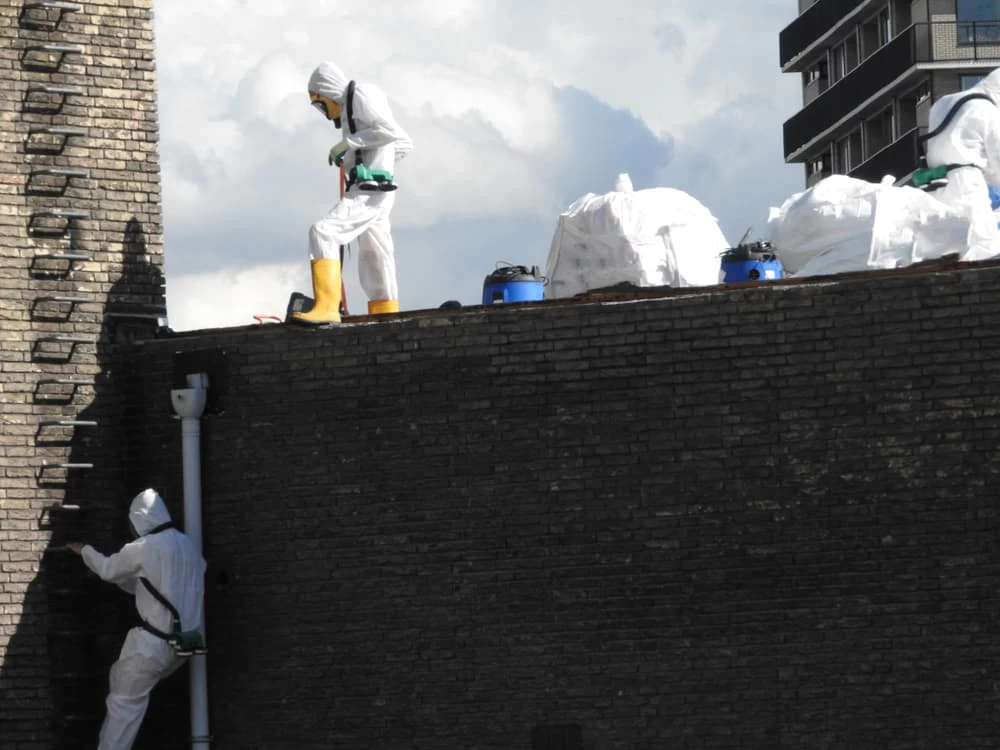
Once the scope is confirmed, the work area is sealed off with proper containment and negative air pressure. That containment setup is what keeps asbestos fibers from migrating to the rest of your home while the removal is underway. Our workers are fully suited and certified NYS Code Rule 56 requires a minimum of 32 hours of initial training plus annual refreshers for every handler on the job. This isn’t a crew that showed up with a dust mask.
After removal, all materials are double-bagged in labeled 6-mil poly bags and disposed of at a licensed Class II landfill the only legal disposal method in New York State. Then the independent industrial hygienist comes in for post-abatement air monitoring. If the air clears, you get the written clearance certificate. If it doesn’t, the work continues until it does. That’s the standard. South Blooming Grove’s village building department conducts violation searches on every property sale and refinancing having proper documentation protects you at closing, not just today.
Every Material Type, Every Scenario Handled Properly
The most common asbestos-containing materials found in Orange County homes built before 1980 include 9×9 and 12×12 vinyl asbestos floor tiles, popcorn and acoustic ceiling texture, pipe insulation on older heating systems, roofing felt, asbestos cement siding, and joint compound. If your home in South Blooming Grove was built before 1980 and you’re planning a renovation, there’s a real probability that at least one of these materials is present and disturbing them without licensed abatement is both a health risk and a legal liability.
We handle asbestos tile removal, asbestos popcorn ceiling removal, pipe insulation abatement, full residential abatement projects, and pre-demolition asbestos surveys for properties requiring demolition permits. For the Clovewood development site which includes the demolition of the former Lake Anne Country Club buildings NESHAP and NYS Code Rule 56 both require a thorough asbestos inspection before any demolition permit is issued. That’s not optional, and we have the institutional experience to meet those requirements.
If your abatement is connected to a covered insurance event a flood, a storm, fire damage we offer direct insurance billing. And for projects where the cost is unexpected, we offer 0% APR financing up to $200,000 for qualifying projects. The goal is to make sure the work gets done properly, without the financial pressure forcing a shortcut that puts your family at risk.
Do I need a permit for asbestos removal in South Blooming Grove, NY?
For most asbestos abatement projects in South Blooming Grove, the regulatory requirement is not a traditional building permit it’s a notification to the NYS Department of Labor Asbestos Control Bureau before work begins. Under NYS Code Rule 56, projects involving asbestos-containing materials above certain threshold quantities require advance written notification to the NYS DOL’s Albany district office, which covers Orange County. That notification must be submitted by a licensed asbestos contractor, not a homeowner or general contractor.
Where this connects to South Blooming Grove’s local building department is at the point of sale or refinancing. The village building department conducts violation searches on every property transaction. If asbestos-related work was done without proper documentation no licensed contractor, no clearance certificate that gap can surface as a title issue at closing. Getting the work done with a licensed contractor and retaining the clearance certificate protects you both now and when you eventually sell.
How much does asbestos abatement typically cost in Orange County, NY?
Cost varies significantly depending on what material is involved, how much of it there is, and where it’s located in the home. As a general range for Orange County: asbestos popcorn ceiling removal typically runs $3 to $8 per square foot, vinyl asbestos tile removal falls between $5 and $15 per square foot, and pipe insulation abatement can range from $25 to $75 per linear foot. A full residential abatement project can run anywhere from $1,500 on the low end to $30,000 or more for larger scopes.
What drives cost up is usually access difficulty, the extent of containment required, and disposal fees all of which are fixed costs under NYS regulations regardless of which licensed contractor you hire. What drives cost down is catching the problem before materials are disturbed, rather than after. If you’re planning a renovation in a pre-1980 home in South Blooming Grove, getting an assessment before demolition starts is almost always less expensive than managing an emergency after something gets broken open. We also offer 0% APR financing up to $200,000 for qualifying projects, which makes an unexpected abatement cost manageable without stopping your renovation cold.
Can my family stay in the house during asbestos removal?
Whether your family needs to vacate depends on the scope and location of the work. For a contained, limited project say, removing asbestos floor tiles in one room it may be possible to remain in other parts of the home with proper containment barriers in place. For larger projects, or any work near HVAC systems that could spread fibers through the house, temporary relocation is the safer call. The honest answer is that this decision should be made based on the specific layout of your home and the scope of the work, not a blanket policy.
What matters most is the containment setup. Every project we do uses negative air pressure containment, which means air is continuously drawn out of the work area and filtered preventing fibers from migrating into the rest of your home. For families in South Blooming Grove with young children, that containment setup is the most important part of the process. The job is not considered complete until the independent industrial hygienist conducts post-abatement air monitoring and issues a written clearance certificate. That document is your confirmation that the air is safe not just an assumption.
What happens if flooding damages my home and disturbs asbestos materials?
This is one of the more common emergency scenarios in South Blooming Grove, given the village’s position within the Moodna Creek Watershed and the documented flood risk from Satterly Creek identified in the Orange County Multi-Hazard Mitigation Plan. When water intrudes into an older home and damages pipe insulation, floor tiles, or ceiling materials, those materials can release asbestos fibers turning a water damage situation into a simultaneous asbestos emergency.
The right move is to stop any cleanup or drying work in the affected area until the materials have been assessed by a licensed contractor. Do not pull up wet floor tiles, cut out damaged insulation, or run fans through a space with disturbed ceiling material. We handle both asbestos abatement and water damage restoration, which means you’re not trying to coordinate two separate licensed contractors while your household is displaced and your insurance clock is running. Direct insurance billing is available for covered events, so the administrative side of the claim doesn’t fall entirely on you during an already stressful situation.
Is the asbestos in old floor tiles in my South Blooming Grove home actually dangerous?
The short answer is: it depends on the condition of the tiles, not just their age. Vinyl asbestos floor tiles that are intact, firmly bonded to the subfloor, and not being disturbed are generally considered non-friable meaning they’re not actively releasing fibers into the air. In that condition, they’re often left in place or encapsulated rather than removed. The risk increases significantly when tiles are cracked, crumbling, being sanded, or when they’re being removed without proper containment.
Where this becomes urgent in South Blooming Grove is renovation activity. The residential turnover the village has seen since 2016 means many homes are being updated by new owners and the 9×9 and 12×12 vinyl tiles common in pre-1980 Orange County homes are frequently encountered during kitchen and bathroom renovations, basement finishing, and floor replacement projects. If you’re planning to pull up old flooring in a home built before 1980, getting the tiles tested before you start is a straightforward step that costs far less than emergency abatement after the fact. A licensed contractor can collect a sample for lab analysis and give you a clear answer before any work begins.
How do I know if a contractor is actually licensed to do asbestos abatement in New York?
New York State makes this easy to verify. The NYS Department of Labor maintains a public listing of licensed asbestos contractors at dol.ny.gov you can search by company name and confirm that the license is active before you hire anyone. Under NYS Code Rule 56, only licensed contractors can legally perform asbestos abatement in Orange County. Individual workers on the job must also be certified asbestos handlers, which requires a minimum of 32 hours of initial training and annual refresher courses. If a contractor can’t point you to their NYS DOL license number, that’s a problem.
This matters in South Blooming Grove specifically because unlicensed removal creates real downstream consequences. If asbestos work is done without a licensed contractor, there’s no clearance certificate and without a clearance certificate, you have no documentation that the air in your home is safe. More practically, the village building department’s violation search process means that undocumented work can surface as a title defect when you go to sell or refinance. Our NYS DOL Asbestos Contractor License is publicly verifiable, and every project ends with a written clearance certificate from an independent industrial hygienist not just a handshake and an invoice.