If your South Centerville home was built before 1980, there’s a real chance asbestos is somewhere inside it and a licensed removal team makes all the difference.
I needed a professional consultation explanation of procedure for safe removal of Asbestos in my apartment complex. Without having an account yet, I was very impressed with the caring, knowledgeable and generous advice offered by Jessica, and will look forward to doing business in the future. Thank you so much! I feel much more informed about a sometimes scary endeavor. Peace. Nancy Silva Mineola, NY.
Mia Munoz
Used this company to clean up some water flood in my house. They were fast and easy to work with.very professional, Would recommend to anyone!
Nini Valle
Great company, had a flood and they responded quickly and efficiently. Billed my insurance company directly. I highly recommend this company!
joe colapietro, jr
I had pipe freeze in my basement right before a snow storm and they made to within an hour to help start the clean up process. They we by our side throughout the entire process and even helped with the insurance company. They did such a great job with the cleanup, repair, remidiation, I contracted them to perform the repairs and finishes in the basement. They came with enough manpower and material to get the job done. Leo and Jessica were nothing but a pleasure to deal with!!
Cristian Arredondo c
I had some water damage in my home and Green Island was able to take care of my issue quickly and effectively. I am very pleased with the work they did. They responded quickly and were very professional.
Michael M
Outstanding service! From the office to the field crew everyone was friendly, helpful and responsive. I highly recommend Green Island Group.
Your Home Gets Cleared. Your Project Moves Forward.
When asbestos shows up mid-renovation, everything stops. The contractor pauses, the timeline shifts, and suddenly you’re dealing with a problem you didn’t budget for and don’t fully understand yet. That’s where most South Centerville homeowners find themselves not panicked, but stuck. What you actually need is someone who can assess the situation quickly, tell you what you’re dealing with, and get the work done right so your renovation can continue.
The homes in and around South Centerville aren’t new. Wawayanda was first settled after the American Revolution, and the hamlet itself had an active post office as far back as 1879. That kind of history means a lot of the housing stock here particularly homes built between the 1940s and 1970s contains the exact materials that were standard practice at the time: sprayed acoustic ceiling texture, vinyl floor tiles with black mastic adhesive underneath, pipe insulation wrapped around older boilers. These aren’t rare findings. In homes like the ones throughout this area, they’re the norm.
Once asbestos is properly removed and cleared by an independent air quality test, you get your home back fully documented, legally compliant, and safe to occupy. No lingering questions about whether it was done right. No liability hanging over a future sale. Just a clean bill of health and a project that can finally move forward.
The Credentials Here Are Government-Verified, Not Self-Reported
We hold a NYS Department of Labor Asbestos Contractor License the specific credential required to legally perform abatement under Industrial Code Rule 56, which governs all asbestos work in Orange County. That’s a separate license from a general contractor’s, and a lot of operators in the Middletown and Wawayanda area hold one but not the other. We hold both, along with USEPA Lead/RRP Certification and dual NYS and NYC Minority/Women-Owned Business Enterprise certification a government-audited designation, not a self-applied label.
Beyond licensing, we’ve performed asbestos abatement and environmental remediation for the NYS Office of General Services, the Dormitory Authority of the State of New York, and the NYS Office of Mental Health. State agencies don’t award contracts based on marketing they require competitive bidding, insurance verification, and a documented safety record. That track record carries over to every residential job we take on in South Centerville, whether it’s a single room or a full farmhouse.
No Guesswork Here's What the Process Actually Looks Like
It starts with an assessment. Before any work begins, the materials in question get properly identified either through visual inspection by a licensed professional or lab testing of collected samples. In older Wawayanda-area homes, that often means checking more than one location. Popcorn ceilings, floor tiles, pipe insulation, roofing on outbuildings they don’t always show up in just one spot. Getting a full picture upfront saves time and prevents surprises once the crew is on-site.
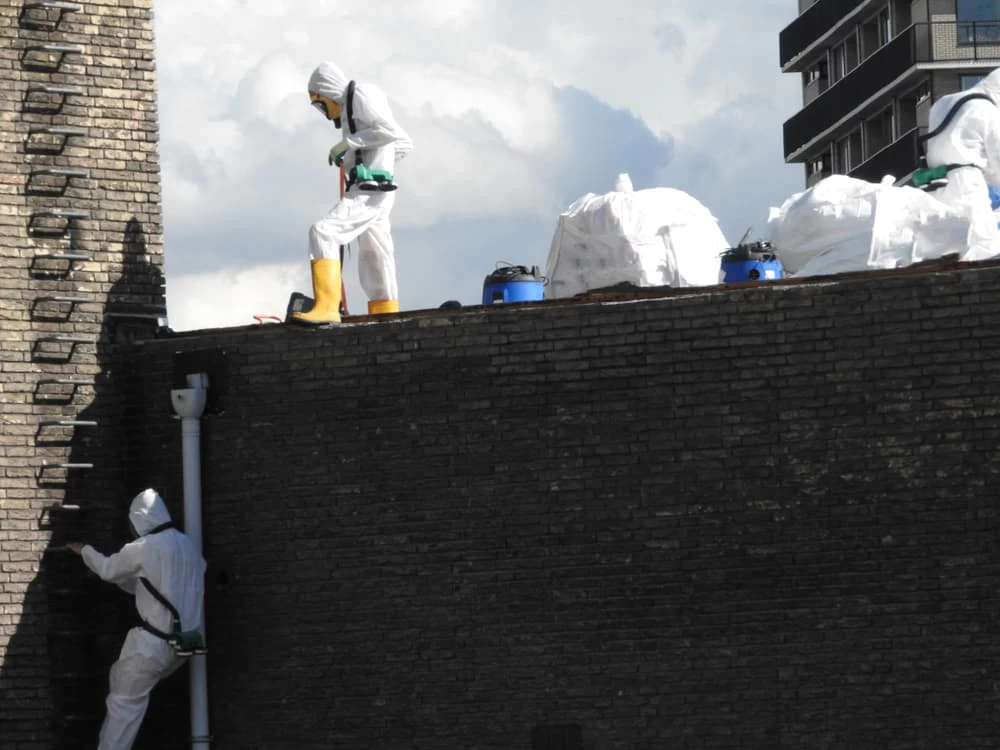
Once the scope is confirmed, we handle the required notification to the NYS Department of Labor Asbestos Control Bureau before work begins that’s a regulatory requirement under Industrial Code Rule 56, and it’s not optional. The abatement itself involves full containment of the work area, negative air pressure to prevent fiber migration, and proper disposal of all asbestos waste in sealed, labeled bags at a licensed Class II facility. Every step follows the state’s requirements, not an approximation of them.
After the work is done, an independent industrial hygienist someone with no financial stake in the outcome conducts post-abatement air monitoring. If the air clears, you receive a written clearance certificate. That document is what your contractor, your real estate attorney, and your lender will need if this project is tied to a sale or renovation sign-off. It’s not a formality. It’s the proof that the job was actually done correctly.
Asbestos Tile and Ceiling Removal in Orange County
Every Material Type, Handled by the Same Licensed Team
The most common asbestos-containing materials we find in South Centerville and the surrounding Wawayanda area are ones that were completely standard in mid-century construction. The 9-by-9-inch vinyl floor tiles in older kitchens and bathrooms and the black mastic adhesive used to install them frequently contain asbestos. Popcorn ceiling texture applied before 1978 is another one that comes up constantly. So does pipe and boiler insulation in homes with older heating systems, and asbestos-cement roofing or siding on barns and outbuildings, which are common on rural properties throughout western Orange County.
We handle all of it under one roof. Asbestos tile removal, popcorn ceiling removal, pipe insulation abatement, siding and roofing materials you don’t need to coordinate separate contractors for different materials in the same home. We also handle mold remediation, lead paint removal, water damage, and fire damage restoration, which matters in older homes where these problems rarely travel alone. A leaking pipe in a 1960s Wawayanda farmhouse might mean water damage, mold, asbestos insulation, and lead paint all in the same wall cavity.
For qualifying projects, we offer 0% APR financing up to $200,000 because asbestos removal is almost never something you planned for, and the cost of handling it properly shouldn’t derail everything else you were trying to accomplish. We also bill insurance directly when the situation involves a covered event, and we’re available around the clock, every day of the year.
Does my South Centerville home actually need a licensed contractor for asbestos removal?
Yes and this isn’t a gray area. Under New York State Industrial Code Rule 56, only contractors holding a specific NYS Department of Labor Asbestos Contractor License may legally perform abatement work. That’s a separate credential from a general contractor license, and the distinction matters. A general contractor who removes asbestos without that specific license is doing illegal work, and the liability for that doesn’t just fall on them it can fall on you as the property owner.
In Orange County, the regulatory body overseeing this is the NYS DOL Asbestos Control Bureau, not the NYC Department of Environmental Protection. The process here is less paperwork-intensive than the NYC framework, but the core requirements are the same: licensed contractor, certified workers, proper containment, and post-abatement clearance testing before reoccupancy. If someone quotes you a lower price and can’t show you their NYS DOL asbestos contractor license number, that’s your answer.
What types of asbestos-containing materials are most common in older South Centerville homes?
In homes built between the 1940s and the late 1970s which covers a significant portion of the housing stock in and around South Centerville the most frequently encountered materials are sprayed acoustic ceiling texture (commonly called popcorn ceilings), 9-by-9-inch vinyl floor tiles and the black mastic adhesive underneath them, and pipe or boiler insulation in older heating systems. Asbestos-cement roofing shingles and siding are also common, particularly on older outbuildings and agricultural structures throughout the rural Wawayanda area.
What catches a lot of South Centerville homeowners off guard is that these materials aren’t dangerous just sitting there undisturbed. The risk comes when they’re cut, scraped, drilled, or demolished which is exactly what happens during a renovation. If you’re planning any work on a pre-1980 home in this area, getting the relevant materials tested before demo begins is the right call. It’s far less disruptive to test first than to stop a renovation midway because something came back positive.
How long does asbestos abatement typically take for a residential property?
It depends on what materials are involved and how much of the home is affected. A single room with asbestos floor tiles might be completed in one to two days. A more involved project multiple materials across several rooms in a larger Wawayanda farmhouse, for example could take a week or more. The scope assessment at the start of the project is what determines the timeline, and that’s why getting a thorough inspection before work begins matters.
There are also regulatory steps that affect timing. Under NYS Industrial Code Rule 56, notification to the NYS DOL Asbestos Control Bureau is required before abatement begins on projects above certain thresholds. That notification has to be submitted in advance, so last-minute scheduling isn’t always possible on larger jobs. If you’re working against a real estate closing deadline or a renovation timeline, the earlier you reach out, the more flexibility we have to work with your schedule.
Do I have to leave my home during asbestos abatement in South Centerville?
For most abatement projects, yes at least for the duration of the work in the affected areas. The work area is sealed off with full containment barriers and maintained under negative air pressure to prevent asbestos fibers from migrating into the rest of the home. Depending on the size and location of the project, you may be able to remain in unaffected parts of the house, or you may need to make other arrangements for the duration of the job.
After abatement is complete, reoccupancy isn’t permitted until post-abatement air monitoring is conducted by an independent industrial hygienist and the space passes clearance testing. That’s a New York State requirement not something we add on. The clearance certificate you receive at the end of that process is your documented proof that the air quality meets safety standards and the space is safe to return to. Most residential projects in this area are completed quickly enough that displacement is minimal.
How much does asbestos removal typically cost for a home in the Wawayanda area?
Costs vary depending on the type of material, the quantity, and the accessibility of the work area. As general reference points for the Orange County market: popcorn ceiling removal typically runs $3 to $8 per square foot, floor tile removal is generally $5 to $15 per square foot, and pipe insulation removal can range from $25 to $75 per linear foot. Full residential abatement involving multiple materials across a larger home can range from $1,500 on the lower end to $30,000 or more for extensive projects.
What affects cost most is scope a targeted single-room removal is very different from a whole-house assessment and abatement in a large older farmhouse. The best way to get an accurate number is a written estimate based on an actual inspection, not a ballpark over the phone. We provide written scopes of work and written estimates before any work begins, so you know exactly what you’re paying for and why. For larger projects, we offer 0% APR financing up to $200,000 for qualifying customers.
Can asbestos abatement be covered by homeowners insurance in New York State?
It depends on how the asbestos was discovered and what triggered the need for removal. Standard homeowners insurance policies in New York typically don’t cover asbestos removal as a standalone project meaning if you’re renovating and find floor tiles that test positive, that’s generally considered a pre-existing condition and not a covered loss. However, if the asbestos exposure is connected to a covered event storm damage to a roof containing asbestos-cement shingles, water damage that exposes insulated pipes, or fire damage in an older structure there’s a reasonable basis for an insurance claim.
Orange County’s weather patterns are worth factoring in here. Nor’easters, ice storms, and heavy wind events are a real part of life in western Orange County, and storm damage to older structures particularly roofing and siding can disturb asbestos-containing materials in ways that qualify as a covered event. We bill insurance companies directly and handle the documentation side of the claims process, so you’re not left navigating that on your own. If you’re unsure whether your situation qualifies, reach out and we can help you understand what your policy may cover before you commit to anything.