Most homes in South Richmond Hill were built before 1939. That means asbestos isn’t a remote possibility it’s something a certified inspector should confirm before any wall opens, any floor comes up, or any permit gets pulled.
I needed a professional consultation explanation of procedure for safe removal of Asbestos in my apartment complex. Without having an account yet, I was very impressed with the caring, knowledgeable and generous advice offered by Jessica, and will look forward to doing business in the future. Thank you so much! I feel much more informed about a sometimes scary endeavor. Peace. Nancy Silva Mineola, NY.
Mia Munoz
Used this company to clean up some water flood in my house. They were fast and easy to work with.very professional, Would recommend to anyone!
Nini Valle
Great company, had a flood and they responded quickly and efficiently. Billed my insurance company directly. I highly recommend this company!
joe colapietro, jr
I had pipe freeze in my basement right before a snow storm and they made to within an hour to help start the clean up process. They we by our side throughout the entire process and even helped with the insurance company. They did such a great job with the cleanup, repair, remidiation, I contracted them to perform the repairs and finishes in the basement. They came with enough manpower and material to get the job done. Leo and Jessica were nothing but a pleasure to deal with!!
Cristian Arredondo c
I had some water damage in my home and Green Island was able to take care of my issue quickly and effectively. I am very pleased with the work they did. They responded quickly and were very professional.
Michael M
Outstanding service! From the office to the field crew everyone was friendly, helpful and responsive. I highly recommend Green Island Group.
Discovering asbestos mid-renovation is one of the most frustrating things that can happen to a homeowner. The contractor stops. The timeline blows up. And suddenly you’re trying to figure out permits, testing, and NYC DEP requirements all at once, with no clear starting point. That’s the situation we’re built to resolve.
South Richmond Hill’s housing stock is predominantly pre-1940 construction Victorian-era and early 20th century homes where asbestos was used in floor tiles, pipe insulation, plaster compounds, roofing materials, and ceiling texture. These aren’t hypothetical risks. They’re materials sitting in the walls and floors of homes up and down Liberty Avenue, Lefferts Boulevard, and the surrounding streets right now. When those materials are disturbed without proper handling, the health consequences are real and long-lasting.
What changes after proper asbestos abatement isn’t just air quality it’s the ability to move forward. Your renovation restarts. Your DOB permit clears. If you’re selling, your buyer’s inspector signs off and the closing stays on track. And if you own a rental unit on a two-family home and need it back in service, a compliant, documented abatement is what gets you there without liability hanging over your head.
Every License Queens Requires Plus the Ones Most Skip
We’re a full-service environmental remediation and restoration contractor serving South Richmond Hill and all five NYC boroughs. We hold NYS DOL Asbestos licensure, NYC DEP compliance capability, USEPA Lead and RRP certifications, IICRC certification for water and fire damage, and both NYS and NYC M/WBE certifications. That’s not a list of credentials for the sake of it each one represents a specific layer of protection for you as a homeowner or landlord in Queens.
What makes the difference in a neighborhood like South Richmond Hill isn’t just licensing it’s knowing how the city’s regulatory process actually works. The ACP-5 assessment requirement before any DOB permit, the ACP-7 notification before abatement begins, the post-clearance air quality documentation your real estate attorney needs at closing we handle all of it. You don’t have to figure out which form goes where.
We also handle reconstruction. Once the abatement is done, we put the space back together under the same contract. One company, one point of contact, from discovery to finished room.
Asbestos Remediation Process in South Richmond Hill
No Guesswork Here's What Happens Start to Finish
It starts with an inspection. A certified asbestos investigator visits the property, identifies suspect materials, and collects samples for lab testing. In South Richmond Hill, where the majority of homes predate 1940, that inspection typically covers floor tiles and adhesives, pipe insulation in the basement, plaster walls, roofing materials, and any textured ceiling surfaces. The results come back from the lab, and from there you know exactly what you’re dealing with no assumptions.
If abatement is required, the next step is filing the ACP-7 notification with NYC DEP before any work begins. This is a non-negotiable step under city rules, and it’s one that unlicensed or out-of-area contractors frequently mishandle. We manage this filing directly, which keeps your project on the right side of the Department of Buildings and prevents permit delays down the line.
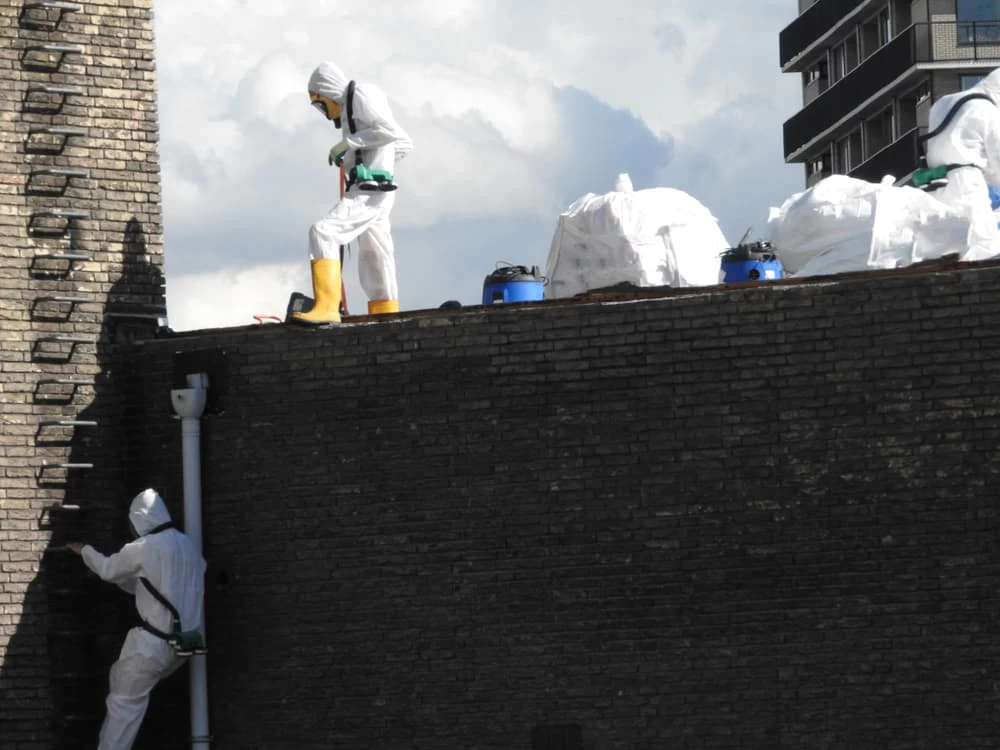
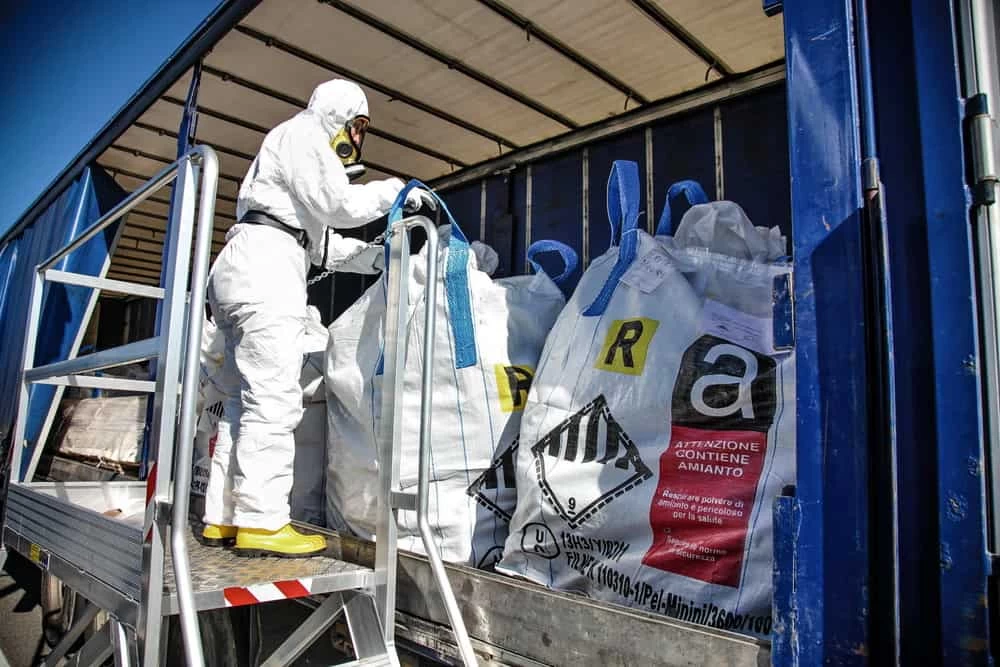
The abatement itself involves full containment of the work area, negative air pressure, proper removal and disposal of all asbestos-containing materials, and post-removal air clearance testing by an independent party. That final clearance test is what produces the documentation you need whether you’re returning your family to the space, satisfying a buyer’s inspector, or getting a vacant rental unit back on the market. The process is thorough because cutting corners on any step creates liability that follows the property, not just the contractor.
Asbestos abatement in New York City isn’t a single task it’s a regulated sequence of steps, and every one of them matters. Our scope covers the full sequence: initial inspection and sampling, lab analysis, NYC DEP filing and permit coordination, full containment setup, licensed removal of all asbestos-containing materials, legal disposal, and post-removal air clearance testing with written documentation. Nothing is handed off to a subcontractor you’ve never met.
For South Richmond Hill specifically, the most common materials requiring abatement in this neighborhood’s pre-1940 housing stock are vinyl floor tiles and their adhesives, basement pipe and boiler insulation, plaster wall compounds, and roofing materials on older flat-roof two-family homes. If your property also has pre-1978 construction which is virtually every home in ZIP code 11419 lead paint and asbestos frequently coexist in the same spaces. We hold USEPA Lead and RRP certifications alongside our asbestos licensing, so both hazards can be addressed under one scope of work rather than two separate contractors.
We also work directly with insurance carriers when asbestos is discovered as part of a water damage or storm damage claim a common scenario in older homes throughout southwestern Queens. Direct insurance billing means you’re not fronting costs and waiting for reimbursement.
Do I need an asbestos inspection before renovating my South Richmond Hill home?
If your home was built before 1987, New York City requires an asbestos assessment before the Department of Buildings will issue a renovation or demolition permit. In South Richmond Hill, where the majority of homes were built before 1939, this applies to nearly every property in the neighborhood. The assessment must be completed by a DEP-Certified Asbestos Investigator, and the results are submitted on an ACP-5 form as part of your permit application.
This isn’t a technicality you can work around. Contractors who skip this step or homeowners who try to pull permits without it face stop-work orders, fines, and potential liability if asbestos is later disturbed without proper handling. The practical reality is that an inspection before renovation is faster and cheaper than dealing with a violation after the fact. If the inspector finds nothing regulated, the project moves forward. If something is found, you know exactly what needs to happen before the first wall comes down.
What materials in older South Richmond Hill homes most commonly contain asbestos?
In pre-1940 homes like the ones that make up most of South Richmond Hill’s housing stock, the most common asbestos-containing materials are vinyl floor tiles and the black mastic adhesive underneath them, pipe and boiler insulation in basements and mechanical rooms, textured plaster on walls and ceilings, roofing felt and shingles on older flat-roof structures, and joint compound used in drywall finishing through the mid-1970s.
The tricky part is that none of these materials look dangerous. Asbestos floor tiles look like floor tiles. Pipe insulation looks like pipe insulation. You can’t identify asbestos by sight only lab testing can confirm it. That’s why a professional inspection matters before any renovation that disturbs these surfaces. In a neighborhood where homes routinely date back 80 to 100 years, the presence of at least one asbestos-containing material is the statistical norm, not the exception.
How long does asbestos abatement typically take for a residential property?
For a standard residential abatement say, floor tile removal in a kitchen or bathroom, or pipe insulation in a basement the work itself typically takes one to three days. The total timeline from inspection to clearance certificate is usually one to two weeks, accounting for lab turnaround on samples, NYC DEP notification requirements, and post-removal air clearance testing.
Larger scopes whole-house abatement ahead of a gut renovation, or abatement combined with water damage remediation in an older two-family home can run longer depending on the volume of material and the number of areas involved. The DEP notification alone requires advance filing before work can begin, so the earlier you start the process, the better. If you’re working against a real estate closing deadline or a contractor schedule, that lead time matters. Calling before you’re in a crunch gives you the most flexibility.
What does asbestos abatement cost for a home in South Richmond Hill, NY?
Costs vary depending on the type of material, the volume, and the location within the property. For a single-room floor tile removal or a section of pipe insulation, you’re typically looking at a few hundred dollars on the low end for smaller scopes. Larger projects full basement pipe insulation, multi-room tile abatement, or whole-floor removal can range from $1,500 to $5,000 or more. In New York City, labor costs run higher than national averages, so NYC-specific pricing will generally fall toward the upper end of any national benchmark you find online.
What’s worth understanding is what’s included in a compliant scope. Inspection, containment, licensed removal, legal disposal, DEP filing, and post-clearance air testing are all part of a properly executed abatement. A quote that leaves any of those out isn’t a cheaper option it’s an incomplete one that may leave you with regulatory exposure or a clearance certificate that doesn’t hold up. If your abatement is part of an insurance claim for water or storm damage, we bill your carrier directly, which changes the out-of-pocket picture significantly.
Can I stay in my home during asbestos removal?
It depends on where the abatement is happening and how the work area is contained. For localized scopes a single room, a section of basement pipe, or a contained area with proper negative air pressure and sealed barriers occupancy in other parts of the home is sometimes possible. For larger scopes, or any situation where HVAC systems could circulate air between the work area and living spaces, temporary relocation is the safer and more common recommendation.
In South Richmond Hill’s older housing stock, where homes are often compact and the HVAC, plumbing, and living areas are closely connected, the containment assessment matters a lot. We evaluate the specific layout of your home before making a recommendation. The goal is always to protect the people in the building and in a neighborhood where many households include children, elderly residents, or individuals with respiratory conditions, that evaluation shouldn’t be rushed or skipped.
Does Green Island Group handle asbestos found during water damage repairs in Queens?
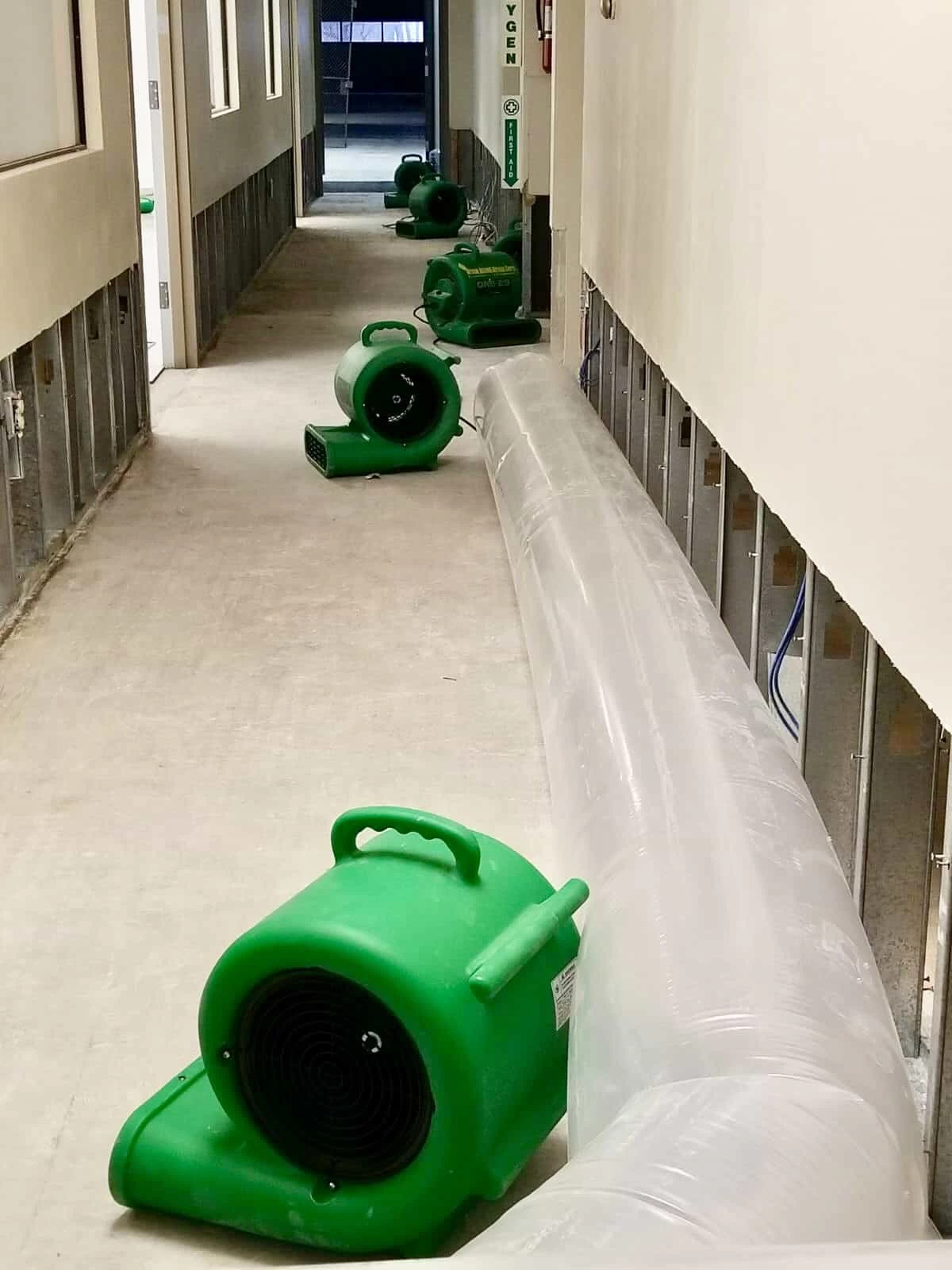
Yes, and this is one of the more common scenarios in South Richmond Hill. Older homes especially the pre-1940 two-family and single-family properties throughout the neighborhood are prone to plumbing failures, basement flooding, and storm-related water intrusion. When water damage occurs in a home that contains asbestos pipe insulation, floor tiles, or ceiling materials, you’re dealing with two regulated problems at the same time.
We hold both IICRC certification for water damage restoration and NYS DOL licensure for asbestos abatement. That means both scopes can be handled under one contract, with one team, billed directly to your insurance carrier. You’re not trying to coordinate two separate contractors with two separate timelines while a wet basement sits unaddressed. For homeowners and small landlords in South Richmond Hill who can’t afford extended project delays especially with rental income on the line that single-vendor capability is a practical difference, not just a convenience.