I needed a professional consultation explanation of procedure for safe removal of Asbestos in my apartment complex. Without having an account yet, I was very impressed with the caring, knowledgeable and generous advice offered by Jessica, and will look forward to doing business in the future. Thank you so much! I feel much more informed about a sometimes scary endeavor. Peace. Nancy Silva Mineola, NY.
Mia Munoz
Used this company to clean up some water flood in my house. They were fast and easy to work with.very professional, Would recommend to anyone!
Nini Valle
Great company, had a flood and they responded quickly and efficiently. Billed my insurance company directly. I highly recommend this company!
joe colapietro, jr
I had pipe freeze in my basement right before a snow storm and they made to within an hour to help start the clean up process. They we by our side throughout the entire process and even helped with the insurance company. They did such a great job with the cleanup, repair, remidiation, I contracted them to perform the repairs and finishes in the basement. They came with enough manpower and material to get the job done. Leo and Jessica were nothing but a pleasure to deal with!!
Cristian Arredondo c
I had some water damage in my home and Green Island was able to take care of my issue quickly and effectively. I am very pleased with the work they did. They responded quickly and were very professional.
Michael M
Outstanding service! From the office to the field crew everyone was friendly, helpful and responsive. I highly recommend Green Island Group.
Southampton’s housing stock is older than most people realize. From mid-century vacation cottages in Hampton Bays and North Sea to historic colonials in Southampton Village, a significant portion of the town’s homes were built during the decades when asbestos was standard in floor tiles, pipe insulation, ceiling texture, and roofing materials. When you start a renovation or when a buyer’s inspector starts poking around finding asbestos isn’t unusual. What matters is what happens next.
Getting it handled by a licensed contractor means you walk away with more than just cleared material. You walk away with certified air monitoring results, a proper disposal record, and documentation that satisfies the NYS Department of Labor, your building department, and any attorney or lender involved in a transaction. In a market where Southampton properties regularly change hands for millions, that paper trail isn’t a formality it’s part of protecting the deal.
Southampton’s coastal environment adds another layer to this. The persistent moisture from the ocean and bay accelerates the deterioration of older building materials. Asbestos that’s been sitting undisturbed in a 1960s cottage can become a more urgent problem after a wet winter or a nor’easter pushes water into places it shouldn’t be. The sooner it’s assessed and addressed, the less exposure risk and the less disruption to whatever project you’re trying to move forward.
We are a licensed asbestos abatement contractor operating out of Suffolk County, serving Southampton and the entire East End of Long Island. That means when you call, you’re not waiting on a crew from three counties away who’s never dealt with a Town of Southampton building permit or navigated the difference between the town’s Building Department and the village’s. That distinction matters more here than almost anywhere else on Long Island.
Our work covers the full range of what Southampton properties actually need residential abatement for homeowners and estate managers, pre-renovation clearance for contractors and architects, and pre-sale remediation for owners under transaction pressure. From Hampton Bays west of the Shinnecock Canal to Water Mill and Bridgehampton on the east side, our service area reflects how this town actually works geographically.
Our credentials are current and the process is clean. We hold NYS DOL licensing under Industrial Code Rule 56, with the air monitoring, documentation, and disposal protocols that the Asbestos Control Bureau requires and that sophisticated Southampton buyers and their attorneys expect.
No Guesswork Here's Exactly What the Job Looks Like
It starts with an assessment. Before anything is touched, the material in question needs to be properly identified. Suspected asbestos-containing materials are sampled and sent to a certified laboratory. You get a clear answer on what you’re dealing with not a guess, not a worst-case assumption, just confirmed results that determine the scope of what comes next.
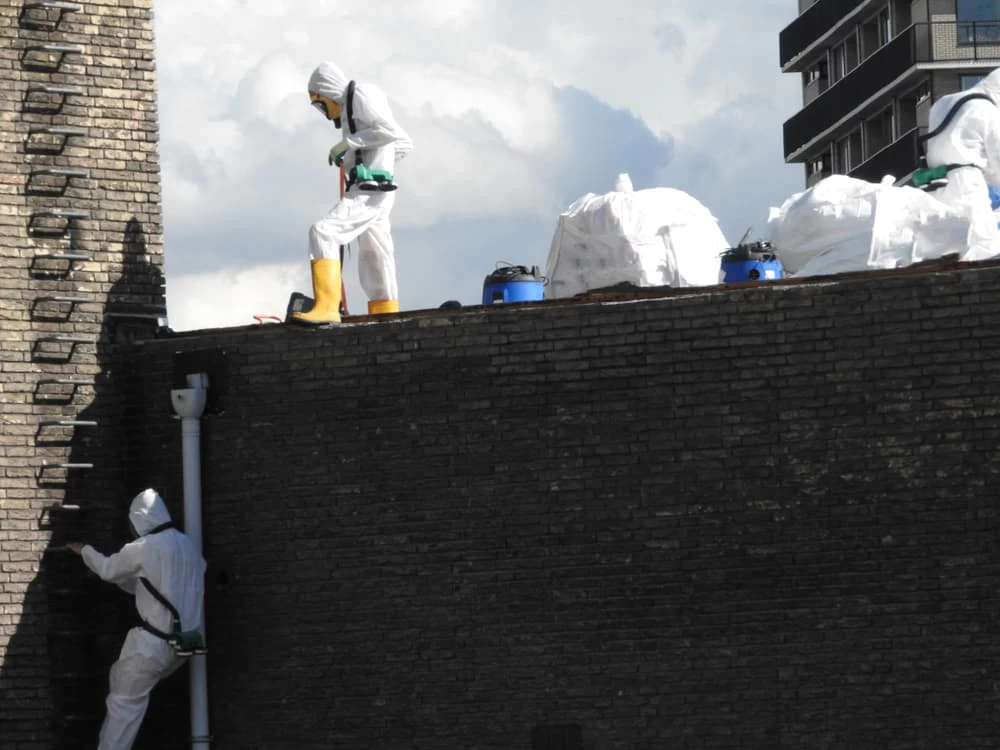
If abatement is required, the work area is contained and isolated using regulated containment procedures before removal begins. For projects in Southampton Village or any historically designated property, this phase also accounts for the Landmarks and Historic Districts Board review process that may be part of your permit pathway. We coordinate within that framework so the abatement doesn’t become the bottleneck that stalls your building permit.
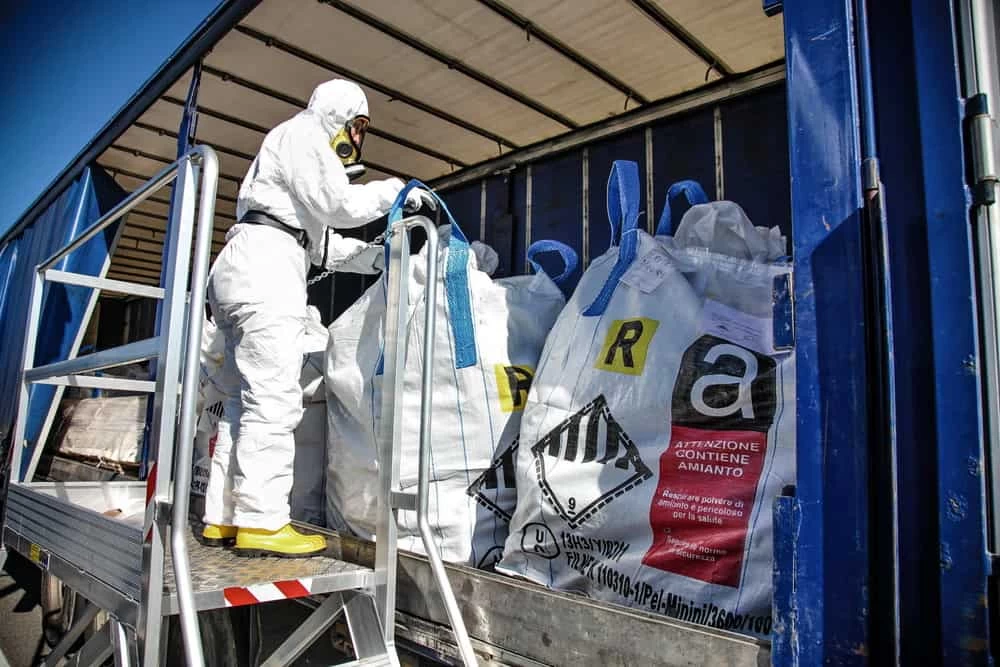
Once the material is removed, air clearance testing is conducted by an independent monitor. That’s not optional it’s required under NYS ICR 56, and it’s what produces the clearance certificate that your contractor, architect, or closing attorney needs to see. Waste is transported and disposed of at a licensed facility with a documented chain of custody. What you receive at the end is a complete compliance package: the monitoring results, the disposal manifest, and the clearance certification. Everything in writing, everything verifiable.
Asbestos Tile and Popcorn Ceiling Removal Southampton
The Full Scope, Built for How Southampton Homes Are Actually Built
The most common asbestos materials found in Southampton’s older housing stock are the ones that tend to surprise people mid-renovation. Vinyl asbestos floor tiles were standard in homes built through the 1950s, 60s, and 70s and they’re everywhere in the mid-century cottages and year-round residences throughout Hampton Bays, Flanders, and Northampton. Spray-applied popcorn ceiling texture containing asbestos was equally common in that same era and shows up regularly in homes that haven’t been touched since they were built as summer retreats.
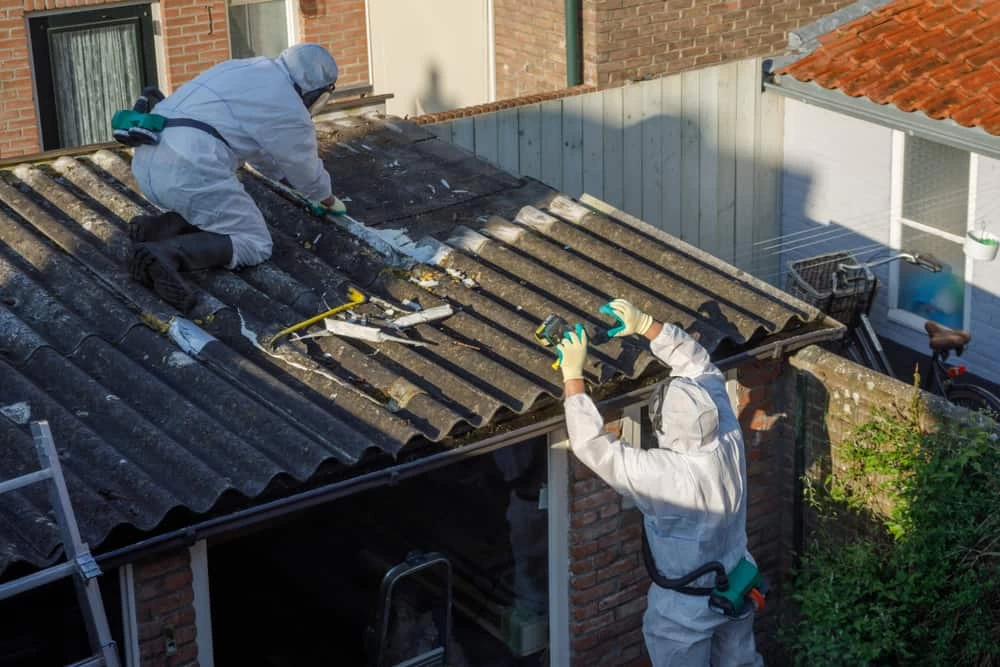
Beyond tiles and ceilings, asbestos abatement in Southampton properties frequently involves pipe and boiler insulation in older mechanical systems, roofing felt and asbestos-cement shingles on exterior surfaces, and joint compound in walls that were finished before the late 1970s. Each of these materials requires a different handling approach under NYS Industrial Code Rule 56, and each generates its own documentation requirements. We handle all of it not just the obvious stuff.
For estate renovations, pre-sale clearance, or commercial work throughout the Town of Southampton, our service includes the full compliance package from initial sampling through final air clearance. If you’re working with an architect, a general contractor, or a real estate attorney who needs documentation before the next phase can move forward, that’s exactly what we deliver.
Do I need a permit for asbestos removal in Southampton, NY?
In New York State, asbestos abatement is governed by Industrial Code Rule 56, which is administered by the NYS Department of Labor’s Asbestos Control Bureau. Under this rule, any contractor performing abatement must be licensed by the state, and the project must follow regulated procedures for containment, air monitoring, and disposal. The notification and permitting requirements depend on the scope of the project specifically the quantity of material being removed.
In Southampton, there’s an added layer that many homeowners don’t anticipate. The Town of Southampton Building Department and the Village of Southampton Building Department operate independently, so which jurisdiction your property falls under affects your permit pathway. If your property is historically designated, the Landmarks and Historic Districts Board review process may also apply before a building permit is issued for renovation work. Asbestos abatement is frequently a prerequisite to that renovation, which means getting the abatement done and documented early keeps the rest of your project on schedule rather than waiting on compliance paperwork after the fact.
How do I know if my Southampton home actually contains asbestos?
The only way to know for certain is to have suspected materials sampled and tested by a certified laboratory. Visual inspection alone isn’t reliable asbestos-containing materials often look identical to non-asbestos versions of the same product. If your home was built before 1980, the probability that at least some materials contain asbestos is high, particularly in floor tiles, ceiling texture, pipe insulation, and roofing components.
Southampton’s housing stock makes this especially relevant. The town has an unusually large inventory of homes built during the peak decades of asbestos use both the mid-century vacation cottages that were constructed throughout the hamlets in the 1950s and 60s, and the older historic structures in Southampton Village that were renovated or added onto during that same period. If you’re planning any renovation, starting a demo, or listing the property for sale, getting a proper material assessment done before work begins is the responsible move and in many cases, it’s required before a building permit can be issued.
What happens if asbestos is found during a home sale inspection in Southampton?
A positive asbestos finding during a buyer’s inspection doesn’t automatically kill a deal, but it does create immediate pressure on the timeline. In most cases, the buyer’s attorney will require either remediation before closing or a price adjustment that accounts for it. In Southampton’s market, where transactions move quickly and closing timelines are often tied to seasonal schedules, a delayed abatement can cascade into a delayed closing and that has real financial consequences on both sides.
The most straightforward path is to get the abatement done quickly, correctly, and with full documentation. A certified air clearance report and a complete disposal record give the buyer’s attorney exactly what they need to confirm the issue has been resolved. We have handled pre-sale abatement for Southampton properties under exactly this kind of timeline pressure. The goal is to get the material out, get the clearance done, and get the paperwork in hand so the transaction can move forward without the asbestos finding becoming a deal-breaker.
How long does asbestos abatement take for a typical Southampton property?
The timeline depends on the scope of the project how much material is involved, where it’s located, and what the access situation looks like. A focused removal of asbestos floor tiles in a single room or a popcorn ceiling in one area of the house can often be completed in one to two days. A larger project involving multiple material types across a full gut renovation of an older Southampton estate will take longer, and the timeline needs to account for the air clearance testing that follows the removal work.
One factor that’s specific to Southampton is the seasonal pressure many homeowners are working under. If you’re trying to complete abatement and get a renovation underway before Memorial Day weekend which is the de facto start of the Hamptons season the earlier you schedule, the better. Spring is the busiest period for abatement work on the East End, and availability tightens quickly from March onward. Calling early in the year gives you the most flexibility on scheduling and the best chance of hitting your renovation timeline without delays.
Is asbestos common in older homes in Hampton Bays and other Southampton hamlets?
Yes, and it’s more common than most people expect. Hampton Bays, Flanders, Riverside, North Sea, and Northampton all have significant concentrations of homes built during the 1950s, 60s, and 70s the decades when asbestos was routinely incorporated into residential construction materials. Vinyl floor tiles, pipe and boiler insulation, roofing felt, textured ceiling finishes, and joint compound all commonly contained asbestos during that era, and those materials are still present in many of these homes today.
The issue in the hamlets is that a lot of these properties were originally built as modest seasonal cottages and haven’t been significantly renovated since. That means the asbestos-containing materials are often still in their original condition which can be either intact and stable, or deteriorating depending on what the house has been through. Coastal moisture, storm damage, and general aging all affect the condition of these materials over time. If you’re buying, renovating, or selling a pre-1980 home anywhere in the Town of Southampton, a proper material assessment before work begins is the right starting point.
Can asbestos abatement be done in winter or during the off-season in Southampton?
Yes, and for many Southampton homeowners, the off-season is actually the best time to schedule abatement work. The town’s year-round population is smaller in the fall and winter, renovation crews have more availability, and there’s less competition for scheduling. If you’re planning a spring renovation and want the abatement phase completed before the busy season begins, getting it done between October and February puts you in the best position to start construction work as soon as the weather cooperates.
There are also situations where off-season abatement isn’t optional it’s urgent. Nor’easters and coastal storms can damage roofing materials, exterior siding, and mechanical systems that contain asbestos, creating an immediate need for assessment and removal regardless of the time of year. Southampton’s oceanfront and bayfront properties are particularly exposed to this kind of weather-driven damage. When that happens, the process is the same as a planned project proper containment, certified removal, air clearance testing, and full documentation just on a faster timeline. We handle both planned and urgent abatement work throughout the year across the full town.