Old Homes, Real Risk Springfield Gardens Deserves Better Than Guesswork
If your Springfield Gardens home was built before 1960, asbestos isn’t a maybe it’s a strong probability. We handle the testing, removal, and clearance so you’re not left wondering.
I needed a professional consultation explanation of procedure for safe removal of Asbestos in my apartment complex. Without having an account yet, I was very impressed with the caring, knowledgeable and generous advice offered by Jessica, and will look forward to doing business in the future. Thank you so much! I feel much more informed about a sometimes scary endeavor. Peace. Nancy Silva Mineola, NY.
Mia Munoz
Used this company to clean up some water flood in my house. They were fast and easy to work with.very professional, Would recommend to anyone!
Nini Valle
Great company, had a flood and they responded quickly and efficiently. Billed my insurance company directly. I highly recommend this company!
joe colapietro, jr
I had pipe freeze in my basement right before a snow storm and they made to within an hour to help start the clean up process. They we by our side throughout the entire process and even helped with the insurance company. They did such a great job with the cleanup, repair, remidiation, I contracted them to perform the repairs and finishes in the basement. They came with enough manpower and material to get the job done. Leo and Jessica were nothing but a pleasure to deal with!!
Cristian Arredondo c
I had some water damage in my home and Green Island was able to take care of my issue quickly and effectively. I am very pleased with the work they did. They responded quickly and were very professional.
Michael M
Outstanding service! From the office to the field crew everyone was friendly, helpful and responsive. I highly recommend Green Island Group.
You stop guessing. That’s the first thing. When a licensed team has tested your home, removed what needs to come out, and handed you a post-clearance air quality report, you’re not living with a question mark anymore. You know your home is safe and you have the documentation to prove it.
For Springfield Gardens homeowners, that matters on more than one level. Nearly 40% of homes in this neighborhood were built before 1950. That means pipe insulation wrapped around your steam heating system, vinyl floor tiles in the basement, popcorn ceiling texture overhead materials that were standard in mid-century construction and commonly contained asbestos. When those materials are intact and undisturbed, the risk is manageable. When a renovation starts, or your basement floods during a heavy storm off the Belt Parkway corridor, the picture changes fast.
Springfield Gardens has a well-documented flooding problem. Residents on streets like 222nd Street near 147th Avenue have been pumping out basements with garden hoses after heavy rain for years. What most people don’t realize is that a flooded pre-1960 basement isn’t just a water damage event it can disturb asbestos-containing materials that were sitting quietly for decades. Getting a professional assessment before any cleanup or reconstruction begins isn’t overcautious. It’s the only way to know what you’re actually dealing with.
Licensed Asbestos Contractor Serving Springfield Gardens
Every Credential That Queens Actually Requires We Have It
We’re not a general contractor who dabbles in asbestos work. Green Island Group is a fully licensed environmental remediation company with a NYS DOL Asbestos License, NYC DEP compliance experience, USEPA certifications, and an NYC General Contractor License the complete stack that New York City’s regulatory environment actually demands.
That last part matters specifically for Springfield Gardens. Queens falls under NYC DEP’s Asbestos Control Program, which requires a DEP-Certified Asbestos Investigator to survey your property before any renovation or demolition work begins. The NYC Department of Buildings won’t issue a permit without an ACP-5 Form confirming asbestos status. Most contractors who primarily work in Nassau County or Suffolk County aren’t set up for this process. We are and have been navigating it across all five boroughs for years.
Beyond asbestos, we also hold NYS DOL Mold, IICRC Water Damage, and reconstruction licenses. So when a flooding event in your Springfield Gardens home turns into a multi-problem situation, you’re not calling three different companies. You’re making one call.
From First Call to Final Clearance Here's Exactly What Happens
It starts with an inspection. A DEP-Certified Asbestos Investigator surveys your property and identifies any suspected asbestos-containing materials floor tiles, pipe insulation, ceiling texture, roofing materials, drywall compound. Samples are collected and sent to an accredited lab. You get a clear answer, not a guess.
If asbestos is confirmed and removal is required, we file the necessary paperwork with NYC DEP’s Asbestos Technical Review Unit before any work begins. This is not optional in New York City the permit has to be posted at the job site before a single material is touched. For Springfield Gardens homeowners who are mid-renovation or staring down a real estate closing deadline, knowing that this step is being handled correctly and handled for you removes a significant amount of stress.
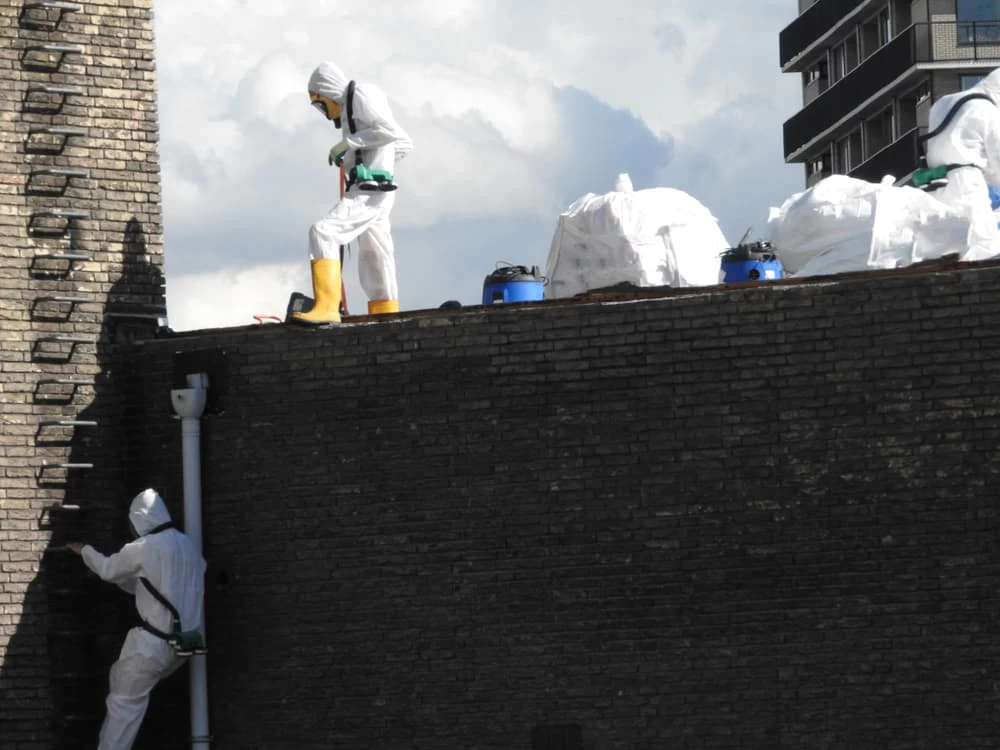
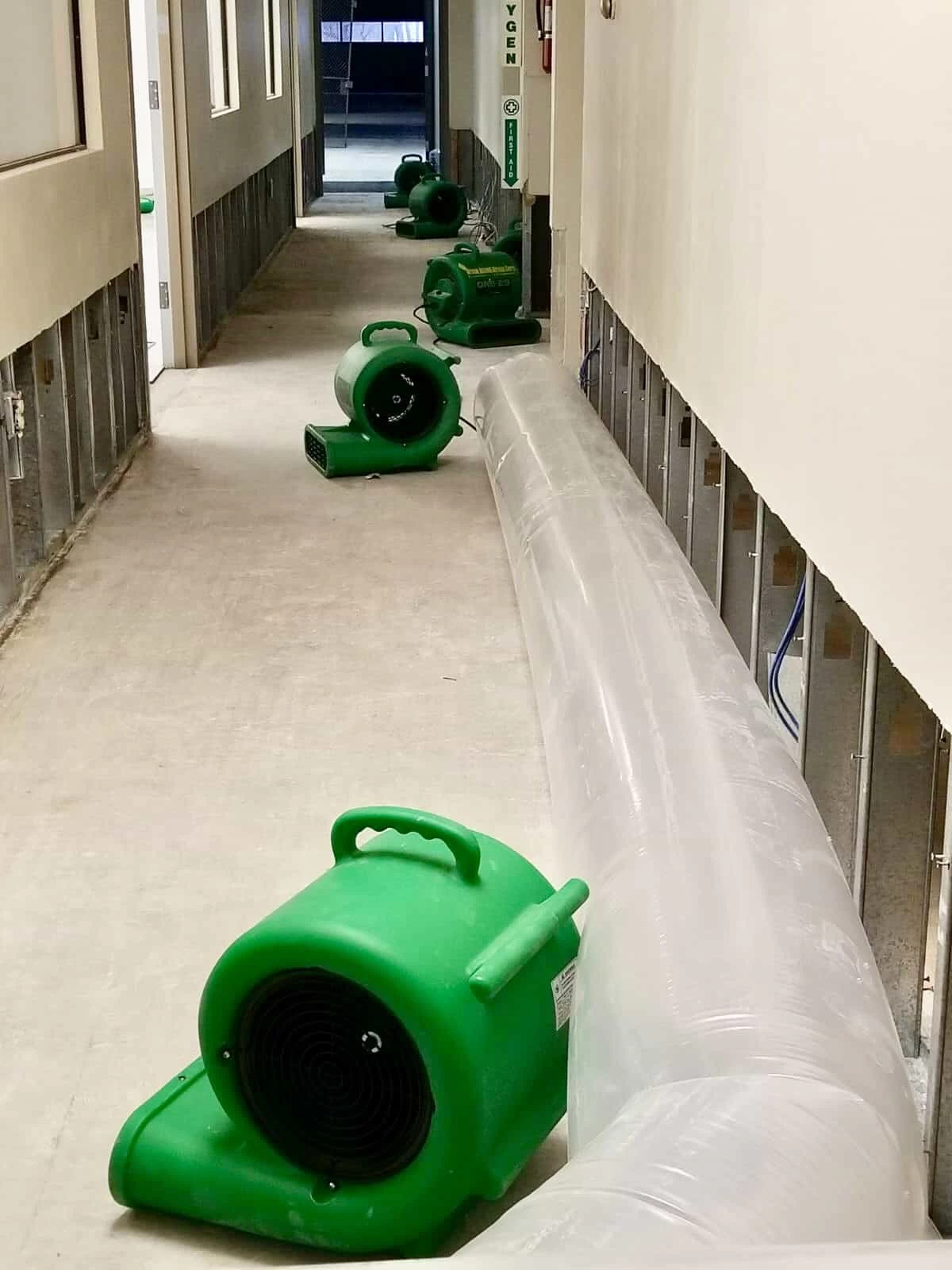
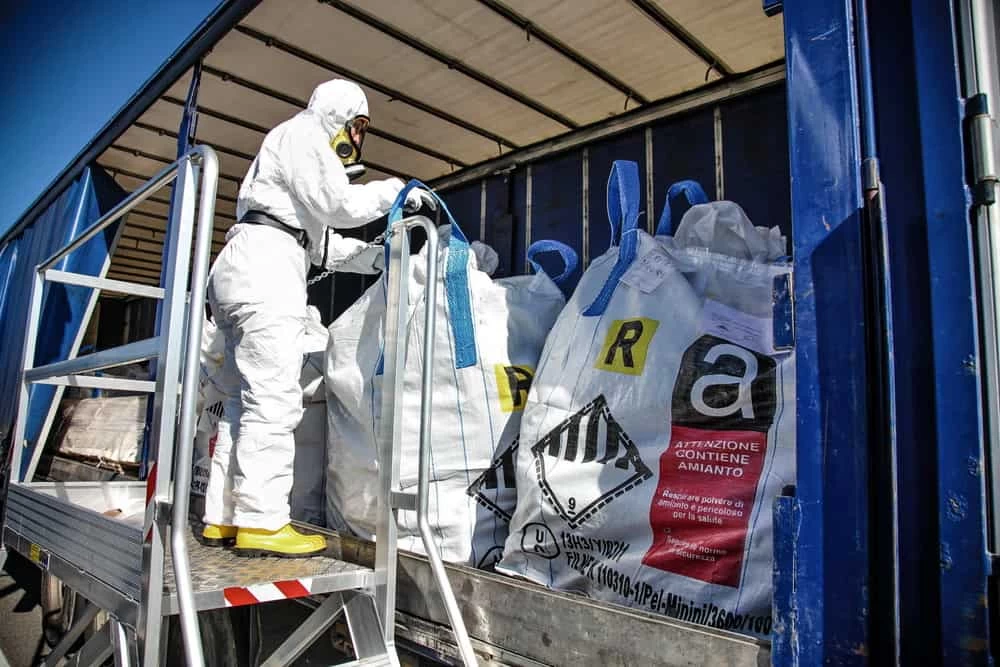
During removal, the work area is sealed off with negative air pressure containment and Microtrap air scrubbers to protect the rest of your home. Most residential projects in this neighborhood are completed within one to five days. When the work is done, post-removal air clearance testing confirms that fiber levels are back to safe levels before anyone re-enters the space. You receive the clearance documentation the kind that satisfies buyers, lenders, attorneys, and insurance adjusters.
Asbestos Remediation Services for Springfield Gardens Homes
Every Material, Every Room Built for Southeast Queens' Oldest Homes
The asbestos-containing materials most commonly found in Springfield Gardens homes reflect exactly what was being built in the 1940s and 1950s: vinyl asbestos floor tiles in kitchens, basements, and hallways; pipe and boiler insulation on steam heating systems; popcorn ceiling texture applied through the 1970s; and roof shingles and drywall joint compound in homes that haven’t been fully renovated since they were first built. We handle all of it asbestos tile removal, pipe insulation abatement, popcorn ceiling removal, and full post-removal air clearance verification.
For homeowners in the 11413 and 11434 ZIP codes who are selling their property, the process includes everything needed to satisfy NYC DOB permit requirements and close without delays inspection, ACP-5 documentation, licensed abatement, and clearance certification. If your home also has lead paint concerns (common in pre-1978 homes, which describes most of Springfield Gardens), we hold USEPA Lead/RRP certification and can assess both hazards under one visit.
If your situation involves a flooded basement, storm damage, or a renovation that uncovered something unexpected, our water damage restoration and mold remediation capabilities mean the full scope of the problem gets addressed not just the asbestos portion. One contractor, one contract, one point of contact from start to finish.
Do I need a permit for asbestos removal in Springfield Gardens, NY?
Yes and in New York City, the permitting process is more involved than most homeowners expect. Before any asbestos-containing material can be disturbed through renovation, alteration, or demolition, NYC DEP requires a permit from its Asbestos Technical Review Unit. A DEP-Certified Asbestos Investigator must first survey the property and complete an ACP-5 Form. The NYC Department of Buildings will not issue a renovation or demolition permit without that form on file.
For Springfield Gardens homeowners, this matters practically: if you’re planning a kitchen renovation, finishing a basement, replacing a boiler, or selling your home, the asbestos survey and ACP-5 documentation aren’t optional steps you can skip to save time. Getting this wrong can halt your project, trigger fines, or create liability that follows the property. We handle the full DEP compliance process the survey, the permit filing, the abatement, and the post-clearance documentation so you’re not navigating a multi-agency process on your own.
My Springfield Gardens basement flooded could that have disturbed asbestos materials?
It’s a real concern, and one that comes up frequently in southeast Queens. Springfield Gardens has a documented history of basement flooding during heavy rain events, and homes built in the 1940s and 1950s which make up a significant portion of the neighborhood commonly have asbestos-containing pipe insulation, vinyl floor tiles, and plaster walls in their basements. When floodwater reaches those materials, it can disturb fibers that were previously stable and contained.
The important thing is not to start cleanup or reconstruction before a professional assessment. Once asbestos fibers are airborne, the exposure risk extends beyond the basement. We handle both sides of this situation: asbestos testing and abatement first, followed by water damage restoration and mold remediation if needed. You don’t have to coordinate multiple contractors or figure out the right sequence yourself. We assess the full picture and work through it in the correct order.
How do I know if my Springfield Gardens home has asbestos floor tiles or ceiling texture?
You can’t tell by looking. Vinyl asbestos tiles and asbestos-free vinyl tiles from the same era are visually identical. Popcorn ceiling texture applied before 1980 may or may not contain asbestos there’s no way to know without lab testing. The same is true for pipe insulation, drywall joint compound, and roof shingles. The only reliable answer comes from a licensed asbestos inspector collecting physical samples and sending them to an accredited laboratory.
In Springfield Gardens, where a large share of homes were built between the 1930s and 1960s, the likelihood of finding at least one type of asbestos-containing material is high not a worst-case scenario, just a statistical reality of the building stock. That doesn’t automatically mean the material is dangerous or needs to come out. If it’s intact and not being disturbed, encapsulation may be appropriate. If it’s deteriorating or in the path of a renovation, removal is the right call. The inspection tells you which situation you’re actually in.
How long does asbestos abatement take in a Queens home, and can my family stay there?
For most residential projects in Springfield Gardens a section of pipe insulation, a basement floor tile removal, or a single-room ceiling the abatement work itself takes one to three days. Larger projects involving multiple areas or materials can run up to five days. The timeline depends on the scope of the material, the size of the affected area, and how quickly post-removal air clearance testing can be completed and confirmed.
Whether your family can stay in the home during abatement depends on where the work is being done. We use negative air pressure containment and Microtrap air scrubbers to isolate the work area from the rest of the home. In many cases, occupants can remain in unaffected areas of the house. In others particularly when work involves central systems like HVAC or large shared spaces temporary displacement may be the safer choice. That’s a conversation that happens during the initial assessment, not after the crew arrives. You’ll know what to expect before the project starts.
Does homeowners insurance cover asbestos removal in New York?
It depends on how the asbestos was discovered and what caused the disturbance. Insurance policies in New York generally don’t cover asbestos removal as a standalone maintenance issue but when asbestos exposure is triggered by a covered event, like storm damage or a burst pipe flooding your basement, there may be coverage for the abatement as part of the broader claim. The language varies significantly between policies, and insurers don’t always make it easy to understand what’s included.
We bill insurance companies directly and have experience working through the documentation that adjusters require to approve asbestos-related claims. For Springfield Gardens homeowners dealing with a flooding event that has exposed asbestos materials which is not an uncommon situation in this neighborhood given the documented storm flooding history having a contractor who already knows how to navigate that process takes one major stressor off your plate. If there’s any question about coverage, it’s worth making the call before assuming you’re paying out of pocket.
What does asbestos abatement actually cost for a home in Springfield Gardens?
Most residential asbestos abatement projects in the Queens area fall somewhere between $1,500 and $5,000 depending on the material type, the size of the affected area, and the complexity of the work. Smaller, contained jobs like removing a section of pipe insulation or a single room of vinyl floor tile tend to land on the lower end. Larger projects involving multiple materials, multiple rooms, or materials in difficult-to-access areas will cost more. Post-removal air clearance testing and DEP permit fees are part of the full cost picture and should be included in any honest estimate.
What’s worth understanding is the cost comparison. A Springfield Gardens home selling for $600,000 to $800,000 which is a realistic range in this market can stall or fall apart entirely if asbestos is flagged during inspection and there’s no documentation of proper abatement. The cost of doing it correctly the first time is a known, finite number. The cost of a failed closing, a regulatory fine, or a future remediation on a property with documented prior disturbance is not. Most homeowners who’ve been through the process once say the same thing: they wish they’d called sooner.