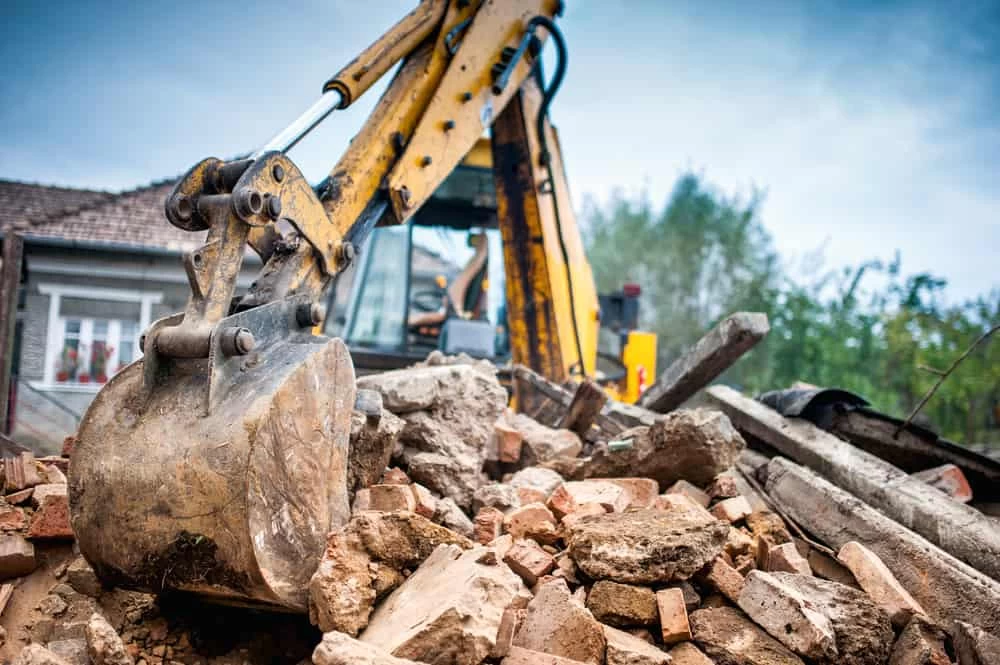
When the Wallkill Floods, Old Homes Reveal Old Dangers
Springtown’s oldest homes have seen a lot and some of what’s inside them shouldn’t be disturbed without a licensed hand. We hold the NYS DOL Asbestos Handling License required by law to do this work right.
I needed a professional consultation explanation of procedure for safe removal of Asbestos in my apartment complex. Without having an account yet, I was very impressed with the caring, knowledgeable and generous advice offered by Jessica, and will look forward to doing business in the future. Thank you so much! I feel much more informed about a sometimes scary endeavor. Peace. Nancy Silva Mineola, NY.
Mia Munoz
Used this company to clean up some water flood in my house. They were fast and easy to work with.very professional, Would recommend to anyone!
Nini Valle
Great company, had a flood and they responded quickly and efficiently. Billed my insurance company directly. I highly recommend this company!
joe colapietro, jr
I had pipe freeze in my basement right before a snow storm and they made to within an hour to help start the clean up process. They we by our side throughout the entire process and even helped with the insurance company. They did such a great job with the cleanup, repair, remidiation, I contracted them to perform the repairs and finishes in the basement. They came with enough manpower and material to get the job done. Leo and Jessica were nothing but a pleasure to deal with!!
Cristian Arredondo c
I had some water damage in my home and Green Island was able to take care of my issue quickly and effectively. I am very pleased with the work they did. They responded quickly and were very professional.
Michael M
Outstanding service! From the office to the field crew everyone was friendly, helpful and responsive. I highly recommend Green Island Group.
You stop guessing. That’s the first thing. When you’ve got a pre-1980 home on or near Springtown Road and you’re tearing out water-damaged flooring or pulling old insulation off a boiler, the question isn’t whether asbestos might be there it’s whether you’re handling it legally and safely. Once it’s properly abated, documented, and cleared by air monitoring, you move forward with your renovation, your sale, or your restoration without that question hanging over you.
For homes in Springtown’s floodplain, this matters more than it does almost anywhere else in Ulster County. When the Wallkill rises and gets into your walls and floors, it doesn’t just cause water damage it can make previously stable asbestos-containing materials friable, meaning they can release fibers when disturbed. Post-flood gut jobs are one of the most common ways asbestos exposure happens in older homes, and most homeowners don’t know it until they’re already mid-demo.
The other thing that changes is your permit process. The Village of New Paltz building department requires an asbestos survey and removal certification before issuing demolition permits. When that documentation is handled filed, verified, and in hand your project doesn’t stall. You get your inspection, your approval, and your timeline back.
The License That Most Contractors Around Springtown Don't Have
In New York State, performing asbestos abatement without a NYS DOL Asbestos Handling License isn’t a gray area it’s illegal. Under Industrial Code Rule 56, any disturbance of asbestos-containing material covering 10 or more square feet requires a licensed contractor and certified workers. We hold that license. A lot of operators advertising asbestos removal in the Hudson Valley and Ulster County do not.
Beyond the license, we bring IICRC certification for water and fire damage, USEPA Lead and RRP certifications, and NYS MBE, WBE, and MWBE designations which matters for SUNY New Paltz and other institutional clients in the area with procurement obligations. For residential clients along Springtown Road and the surrounding Wallkill Valley, what matters most is simpler: one company that can assess the asbestos, pull the permits, do the work, handle air clearance testing, and coordinate directly with your insurance carrier if flood damage is in the picture.
That’s not common. Most contractors hand you off. We don’t.
No Guesswork Here's Exactly What the Job Looks Like
It starts with an assessment. Before anything is touched, a certified inspector surveys the materials in question floor tiles, pipe insulation, joint compound, roofing, ceiling texture and determines what’s present, where it is, and whether it’s stable or at risk of releasing fibers. In Springtown homes that have experienced flooding, this step is especially important because water intrusion can change the condition of materials that might otherwise have been left undisturbed.
If abatement is required, we handle the notification to the NYS DOL Asbestos Control Bureau which oversees Ulster County projects through the Albany District Office before any removal begins. This is a legal requirement, not a formality. The work itself happens under controlled containment: negative air pressure, proper PPE, sealed work zones, and regulated disposal. Nothing is bagged and thrown in a dumpster. Every step follows NYS Industrial Code Rule 56.
When the removal is complete, air clearance testing is conducted by a third-party monitor. You get the results in writing not a verbal “looks good,” but documented proof that fiber levels are within safe limits. That documentation is what your building inspector, your insurance adjuster, and your real estate attorney will ask for. The Town of New Paltz building permit process takes 10 to 15 business days, so starting the abatement process early in your renovation timeline matters. We manage the permit coordination so that piece doesn’t fall on you.
Old Homes, Flood History, and Every Material Type Covered
Springtown’s housing stock is genuinely old. The hamlet’s oldest surviving home dates to 1755, and continuous residential development through the 1800s and early 1900s means many properties along and off Springtown Road contain multiple generations of building materials each with their own asbestos risk profile. Our asbestos removal services cover the full range: pipe and boiler insulation, vinyl floor tiles and black mastic adhesive, asbestos popcorn ceiling removal, roofing materials, joint compound, drywall, and duct insulation. If it was built before 1980, it warrants a look.
For post-flood remediation specifically which is a recurring reality in the Springtown floodplain we can assess and address asbestos alongside mold, water damage, and structural restoration under one project. That means you’re not managing three separate contractors with three separate timelines after a storm event. We bill insurance directly, which matters when a flood claim is already open and you’re trying to keep the recovery moving.
Asbestos tile removal and asbestos popcorn ceiling removal are two of the most common requests from homeowners in the New Paltz area who are updating mid-century properties. Both require proper containment, certified removal, and air clearance before any finishing work begins. Whether your project is a kitchen renovation, a basement gut, an HVAC replacement, or a full post-flood restoration, the process is the same: survey first, abate legally, clear the air, document everything, and move forward.
Does Springtown's flood history mean my home is at higher asbestos risk?
It does and here’s why. Asbestos-containing materials that are stable and undisturbed generally don’t pose an immediate health risk. The danger comes when those materials are damaged, deteriorated, or disturbed in a way that releases fibers into the air. Flooding does exactly that. When water saturates older insulation, floor tiles, or ceiling materials, it can make them friable meaning they crumble and release particles when touched or removed.
Springtown Road has flooded repeatedly over the decades, including severely during Hurricane Irene and Tropical Storm Lee in 2011 and going back to the 1955 Wallkill River flood that rose seven feet above the road near the New Paltz Bridge. Homes in the Springtown floodplain that have experienced repeated water intrusion may have asbestos-containing materials in a compromised state, even if they look intact. Before any post-flood gut work begins, an asbestos survey is not just a good idea under NYS Industrial Code Rule 56, it’s a legal requirement if the work will disturb 10 or more square feet of material.
How much does asbestos removal cost for a home in the New Paltz area?
The honest range for residential asbestos abatement in New York State runs from roughly $1,500 for a small, contained job say, a single room of floor tile up to $10,000 or more for whole-house or multi-material projects. What drives cost is scope: how many materials are affected, how accessible they are, how much containment setup is required, and whether the materials are stable or friable. Post-flood jobs in Springtown often fall on the higher end of that range because water damage can complicate both the assessment and the removal.
New York’s costs are higher than national averages for a real reason state licensing requirements, mandatory NYS DOL notification, third-party air clearance monitoring, and regulated disposal all add to the total. Any quote that seems unusually low is worth questioning. Ask the contractor to show you their NYS DOL Asbestos Handling License number and verify it through the state’s Asbestos Contractors Listing before signing anything. We provide itemized estimates specific to your property, not a number pulled from a national average calculator.
Do I need an asbestos survey before pulling a renovation permit in New Paltz?
For demolition permits, yes the Village of New Paltz building permit application explicitly requires an asbestos survey and removal certification. This is a hard requirement, not a suggestion. If you’re planning any renovation work that involves demolition or material removal in a pre-1980 structure, you’ll need that documentation before the permit is issued.
For the Town of New Paltz more broadly, the building permit process takes 10 to 15 business days to process, and final inspections by a Town Building Inspector are required before work is considered complete. The NYS DOL also advises municipalities to require asbestos surveys prior to issuing renovation and demolition permits, noting that undiscovered asbestos disturbed during permitted work can result in costly abatement and cleanup expenses for both property owners and contractors. Starting the survey process before you submit your permit application keeps your renovation timeline intact instead of adding weeks to it after the fact.
What's the difference between asbestos abatement and just hiring a general contractor to remove the material?
The difference is legal and significant. In New York State, any asbestos disturbance involving 10 or more square feet or 25 or more linear feet of material must be performed by a contractor holding a NYS DOL Asbestos Handling License, using certified asbestos workers. A general contractor license does not satisfy this requirement. A general contractor who removes asbestos-containing materials without the proper license is breaking state law and so is the property owner who hired them, in some cases.
This matters in the Hudson Valley and Ulster County market because many contractors list asbestos removal as a secondary service without holding the specific license required to perform it legally. When you hire us, you’re hiring a contractor whose NYS DOL Asbestos Handling License is verifiable through the state’s public Asbestos Contractors Listing. The work is performed by certified asbestos workers, documented per NYS Industrial Code Rule 56, and followed by third-party air clearance testing. That’s the legal standard and it’s the only standard that protects you as a property owner.
Can asbestos be left in place, or does it always have to be removed?
It doesn’t always have to be removed, and a contractor who tells you otherwise without a thorough assessment isn’t being straight with you. Asbestos-containing materials that are in good condition and are not going to be disturbed can often be encapsulated or left in place under a management plan. Removal is required when the material is damaged, deteriorated, or when renovation or demolition work will disturb it.
In Springtown, where homes have often experienced multiple flood events over decades, the condition of existing asbestos-containing materials is worth assessing carefully. A material that was stable five years ago may not be stable after repeated water intrusion. The assessment phase conducted before any abatement decision is made is where that determination happens. We will tell you honestly what needs to come out and what doesn’t. The goal is a safe, legal outcome for your property, not the largest possible removal scope.
How long does asbestos abatement take for a typical Springtown home?
For a focused single-material job one room of floor tile, a section of pipe insulation, a popcorn ceiling in one or two rooms the physical removal work typically takes one to three days. Larger or more complex projects, including whole-house surveys followed by multi-material abatement in a pre-1900s farmhouse or a flood-damaged home with compromised materials in multiple areas, can take a week or more depending on scope.
What adds time to the overall project timeline is the regulatory process, not the labor. NYS DOL notification must be filed before work begins, and the Town of New Paltz building permit process takes 10 to 15 business days. Air clearance testing happens after removal and must come back within safe limits before the space can be re-occupied or handed off to other contractors. For homeowners in Springtown planning a renovation or managing post-flood restoration, building the abatement process into the front end of your project schedule rather than treating it as an afterthought is the most reliable way to keep your overall timeline on track. We coordinate the permits and scheduling so you’re not managing that piece on top of everything else.