Pre-War Homes in Stanwood Deserve More Than a Guess
If your Stanwood home was built before 1980, there’s a real chance asbestos is somewhere inside it and we can tell you exactly where, legally remove it, and hand you the documentation that proves it’s gone.
I needed a professional consultation explanation of procedure for safe removal of Asbestos in my apartment complex. Without having an account yet, I was very impressed with the caring, knowledgeable and generous advice offered by Jessica, and will look forward to doing business in the future. Thank you so much! I feel much more informed about a sometimes scary endeavor. Peace. Nancy Silva Mineola, NY.
Mia Munoz
Used this company to clean up some water flood in my house. They were fast and easy to work with.very professional, Would recommend to anyone!
Nini Valle
Great company, had a flood and they responded quickly and efficiently. Billed my insurance company directly. I highly recommend this company!
joe colapietro, jr
I had pipe freeze in my basement right before a snow storm and they made to within an hour to help start the clean up process. They we by our side throughout the entire process and even helped with the insurance company. They did such a great job with the cleanup, repair, remidiation, I contracted them to perform the repairs and finishes in the basement. They came with enough manpower and material to get the job done. Leo and Jessica were nothing but a pleasure to deal with!!
Cristian Arredondo c
I had some water damage in my home and Green Island was able to take care of my issue quickly and effectively. I am very pleased with the work they did. They responded quickly and were very professional.
Michael M
Outstanding service! From the office to the field crew everyone was friendly, helpful and responsive. I highly recommend Green Island Group.
You stop guessing. That’s the first thing. Whether you found something during a renovation, had a contractor stop mid-project, or you’re getting ready to sell a home that’s been in the family for decades once the work is done and documented, you have something concrete to stand on. A clearance certificate. Air test results. A paper trail that follows the property.
Stanwood’s housing stock tells its own story. The Town of New Castle’s own historical records name Stanwood as one of the pre-World War II residential developments that shaped this community built during the same era when asbestos was a standard material in pipe insulation, floor tiles, boiler wrap, and ceiling texture. These aren’t hypothetical risks. They’re the materials our inspectors find regularly in Stanwood homes exactly like yours.
The Chappaqua real estate market is competitive and scrutinized. Buyers in this area run thorough inspections, and an undisclosed asbestos issue can derail a sale or drive the price down fast. Properly abated and documented homes don’t just protect the people living in them they protect the investment you’ve made.
Green Island Group is a New York-based environmental remediation contractor with more than 5,000 completed abatement projects across Westchester County, including Stanwood and the surrounding New Castle area, New York City, Long Island, and the metro region. We handle everything in-house inspection, containment, removal, disposal, and post-abatement air clearance. No subcontractors. No gaps in the paperwork.
Our credentials are real and verifiable. We hold a NYS Department of Labor Asbestos Handling License, EPA certification, NYS DEC compliance for waste disposal, and a formal Minority/Women-owned Business Enterprise certification from the NYS Office of General Services. You can look up our DOL license yourself before you make a single call that’s the level of transparency we operate at.
We’re also an approved contractor for New York State agencies, which means we’ve cleared insurance, safety record, and compliance reviews above what standard licensing alone requires. For Stanwood homeowners where older homes and high property values demand a contractor who gets the details right that matters.
No Surprises Here's Exactly What Happens in Your Stanwood Home
It starts with a free on-site inspection. One of our licensed inspectors comes to your Stanwood home, walks through the areas in question, and assesses the materials that may contain asbestos. You’ll get a clear explanation of what’s there, what needs to be addressed, and what your options are before any commitment is made.
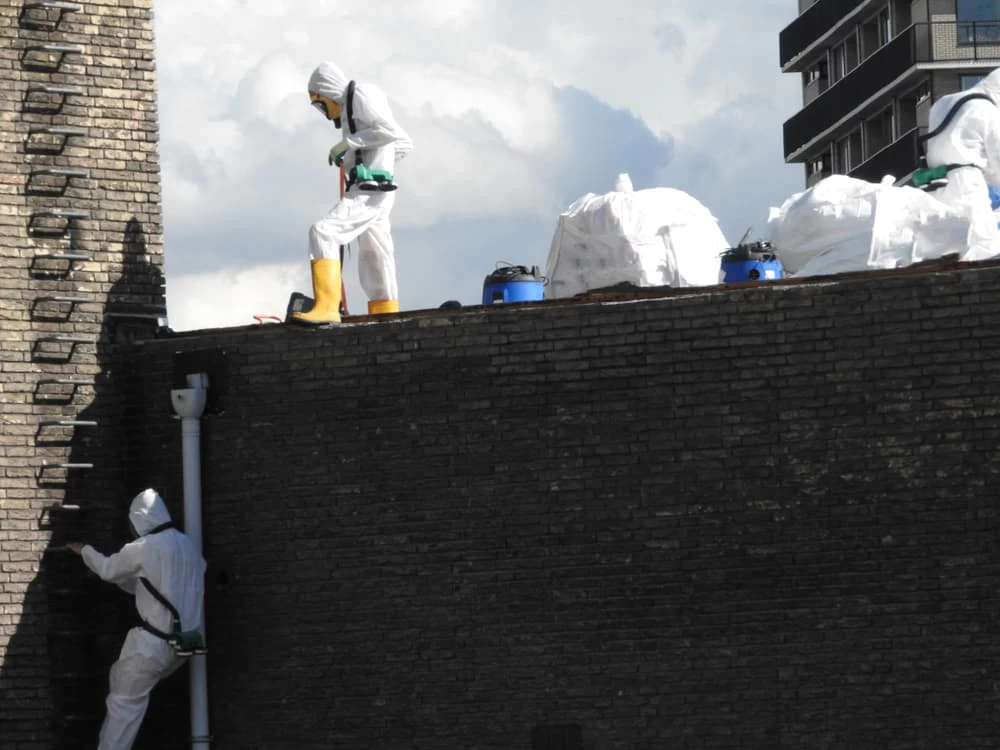
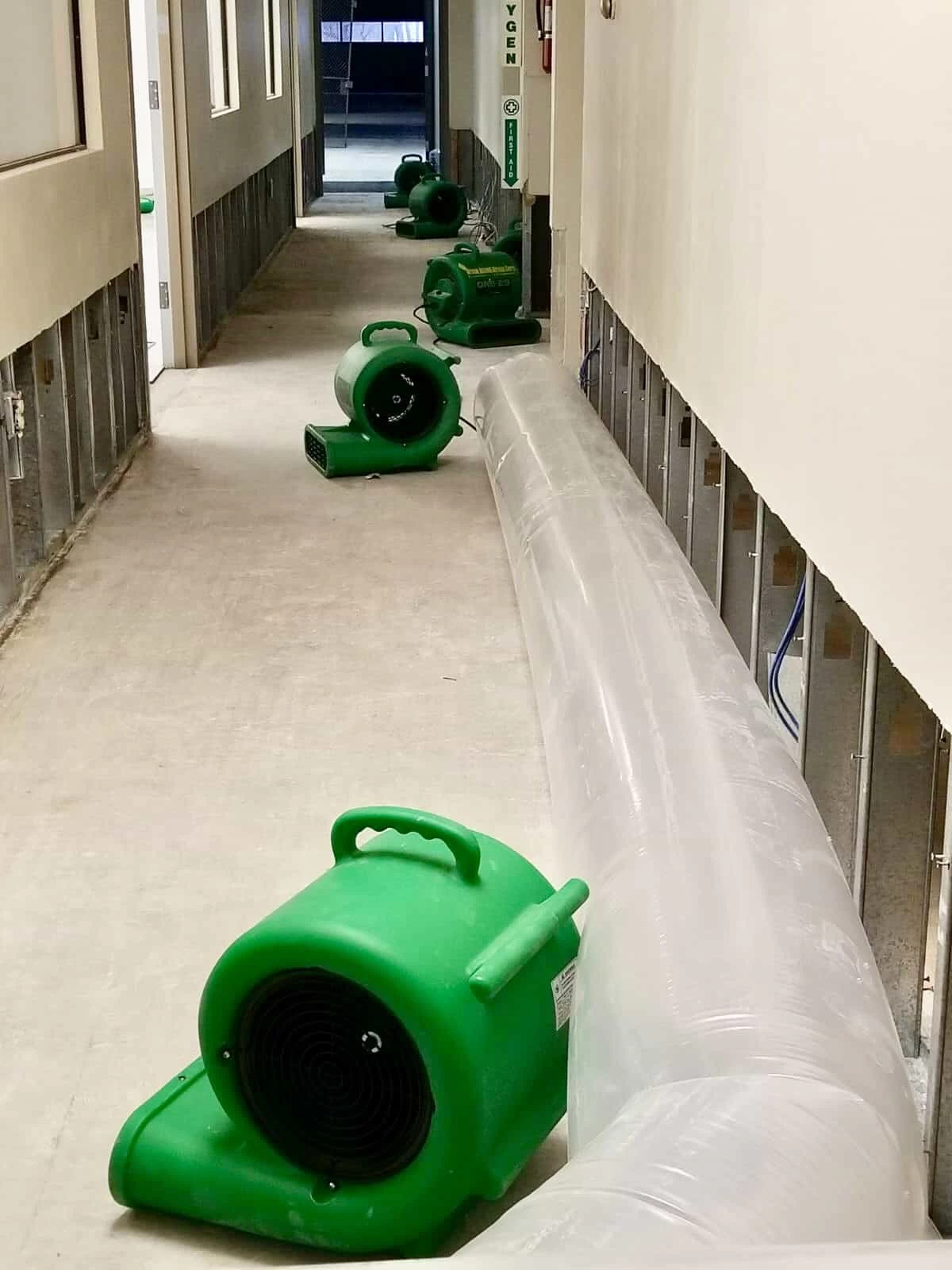
If abatement is needed, we set up negative air pressure containment in the work area. The space is sealed with polyethylene sheeting and maintained at lower air pressure than the rest of your home using HEPA-filtered air scrubbers. That means air flows into the containment zone, not out so fibers released during removal stay contained and don’t migrate to the rooms your family is still using. For older Stanwood homes with steam heat systems and original plumbing, this containment step is especially important, because the materials most likely to contain asbestos pipe insulation and boiler wrap are often in shared mechanical spaces.
Once removal is complete, we conduct air testing to confirm fiber counts are back to safe levels. Then you receive the full clearance documentation: the pre-abatement assessment, waste disposal manifests, and the post-abatement clearance certificate. That package is yours to keep, and it matters for every real estate transaction involving the property from that point forward. We also work directly with insurance carriers when the abatement is tied to a water damage or pipe failure event so you’re not stuck managing a complicated claim on your own.
What's Included Goes Beyond Just Removing the Material
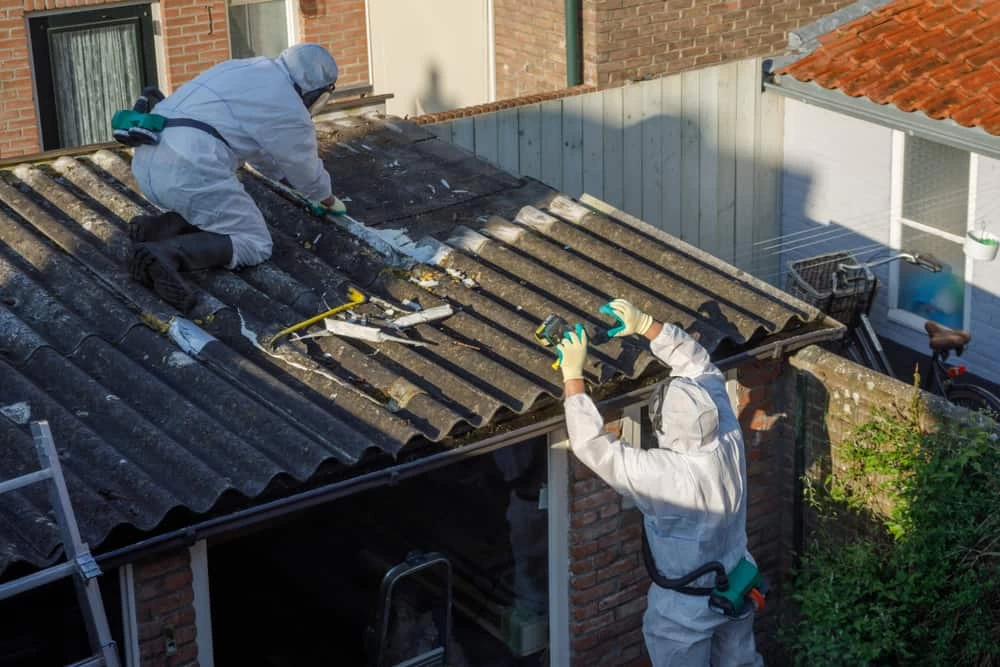
Asbestos abatement in a Stanwood home isn’t a single task it’s a regulated process with multiple steps, and we handle all of them. The most common materials we find in New Castle’s pre-war and mid-century housing stock include 9×9 vinyl asbestos floor tiles, pipe and boiler insulation from original steam heat systems, asbestos popcorn ceiling texture applied during mid-century renovations, pre-1977 drywall joint compound, and exterior transite siding. Our inspectors know what to look for in homes of this era and construction type, because we’ve worked in hundreds of them across Westchester County.
Every project we complete includes the full scope: licensed inspection, proper containment setup, removal by individually NYS DOL-certified workers, legal disposal with documented waste manifests, and post-abatement air clearance testing. The clearance certificate you receive at the end is not a formality it’s the document that confirms the work was done to New York State’s Industrial Code Rule 56 standards, which govern all abatement work in New Castle and are more stringent than federal OSHA requirements.
For homeowners in Stanwood undertaking kitchen renovations, basement finishing, HVAC replacement, or bathroom updates in a pre-1980 home and for those preparing a property for sale in the Chappaqua market this documentation is what separates a completed project from a protected one. The inspection is free. The process is transparent. The paperwork is thorough.
Does my Stanwood home actually need an asbestos inspection before renovating?
If your Stanwood home was built before 1980, yes and in many cases, stopping work without one can create legal exposure for you and your contractor. New York State’s Industrial Code Rule 56 requires that asbestos-containing materials be identified and properly addressed before renovation work disturbs them. This applies to homes in the Town of New Castle, including Stanwood, just as it does anywhere else in the state.
The practical reality is that many of the renovation projects most common in Stanwood kitchen remodels, bathroom updates, basement finishing, HVAC replacement involve disturbing exactly the materials most likely to contain asbestos in homes of this era: floor tiles, pipe insulation, drywall compound, and ceiling texture. A licensed inspection before work begins protects you, protects your contractor, and keeps the project moving without a costly stop-work situation mid-renovation.
How do I know if a contractor is actually licensed for asbestos abatement in New York?
The NYS Department of Labor maintains a public database of licensed asbestos handling contractors. You can search it directly on the DOL website before you hire anyone. What you’re looking for is an active NYS Asbestos Handling License without it, no contractor can legally perform abatement work in Stanwood or anywhere else in New York State.
Beyond the company license, New York also requires that individual workers performing abatement hold their own NYS DOL handler and supervisor certifications. So it’s worth asking not just whether the company is licensed, but whether every person entering your home is individually certified. We employ only individually certified workers and our company-level credentials, including EPA certification and NYS DEC compliance for waste disposal, are all verifiable through public records. Don’t take any contractor’s word for it. Look it up.
What types of asbestos-containing materials are most common in Stanwood homes?
Stanwood was developed primarily in the 1920s through the 1940s a period when asbestos was used as a standard building material across residential construction. The most common materials we encounter in homes of this era and location include pipe and boiler insulation wrapping steam heat systems, 9×9 vinyl asbestos floor tiles in kitchens and bathrooms, popcorn or acoustic ceiling texture applied during mid-century renovations, pre-1977 drywall joint compound, and exterior transite siding used as a fire-resistant cladding on pre-war homes.
Homes built in the postwar wave 1945 through the late 1970s tend to have a slightly different profile, with asbestos concentrated in floor tiles, ceiling products, and duct insulation rather than pipe wrap. If your Stanwood home falls anywhere in that range, a licensed inspection is the only way to know for certain what you’re dealing with and where it is.
What happens if a burst pipe or basement flood disturbs asbestos materials in my Stanwood home?
This is one of the more common emergency scenarios we handle in Westchester County, and it’s more likely in older Stanwood homes than most homeowners realize. When a pipe fails in a pre-war Stanwood home especially during the freeze-thaw cycles that hit New Castle every winter the insulation around that pipe may contain asbestos. Water intrusion into a basement can also disturb asbestos-containing floor tiles or boiler wrap. At that point, you’re dealing with both a water damage event and a potential asbestos exposure situation simultaneously.
The right move is to stop disturbing the area, ventilate if possible, and call a licensed abatement contractor before cleanup crews go in. We handle both the abatement and the coordination with your insurance carrier directly, so you’re not managing two separate contractors and two separate claims at once. The waste manifests and clearance documentation generated through the process also create a clean record for the insurance file.
How long does asbestos abatement typically take in a Stanwood home?
It depends on the scope specifically, how many materials are involved, where they’re located, and how large the affected area is. A contained removal of asbestos floor tiles in a single room can be completed in one to two days. A more involved project pipe insulation throughout a basement, multiple rooms of ceiling texture, or a combination of materials may take several days to a week from containment setup through final air clearance.
The post-abatement air clearance testing adds time to the end of the project, but it’s not optional and it shouldn’t be skipped. Those results are what the clearance certificate is based on, and that certificate is the document that matters for your real estate disclosures and your family’s peace of mind. We’ll give you a realistic timeline during the free on-site inspection, before any work begins, so you can plan accordingly.
Does asbestos abatement affect the value or marketability of my home in the Chappaqua market?
Done right and documented properly, it protects it. The New Castle real estate market including homes in and around Stanwood with Chappaqua mailing addresses is one of the most scrutinized in Westchester County. Buyers here run detailed inspections, and their attorneys review environmental disclosures carefully. An asbestos issue discovered during a buyer’s inspection can delay closing, reduce the sale price, or kill the deal entirely.
A home where asbestos has been professionally abated and documented tells a different story. You have a clearance certificate showing the work was completed to NYS Industrial Code Rule 56 standards. You have waste disposal manifests confirming legal removal. You have air test results on file. That paper trail doesn’t just protect the current transaction it follows the property and protects every future owner. For a Stanwood homeowner who has invested significantly in a pre-war or mid-century home in one of Westchester’s most desirable school districts, that documentation is part of the asset.