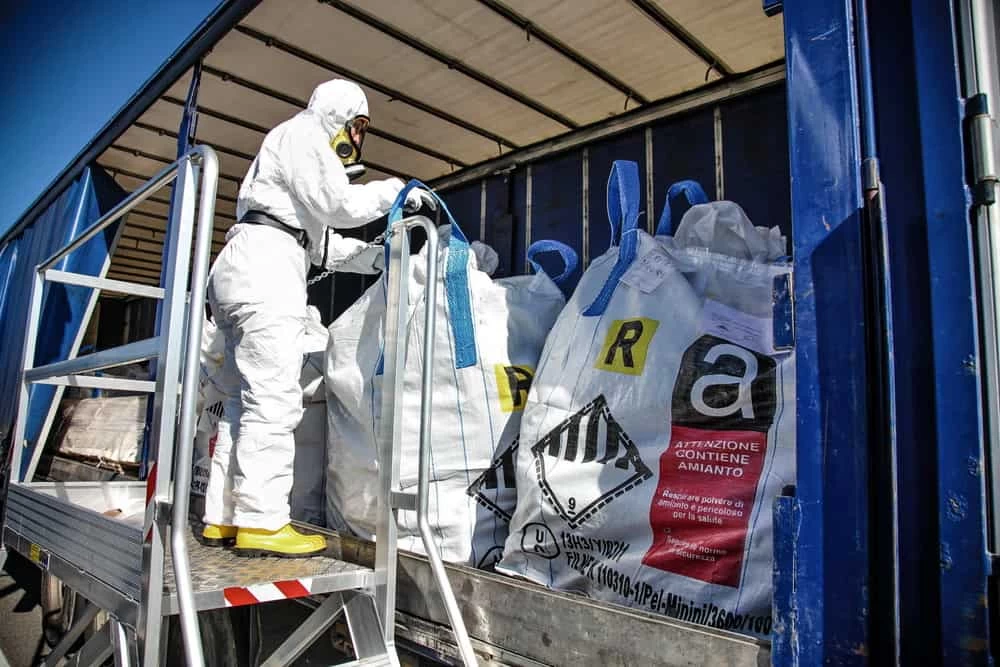
Most buildings in Steinway were built before asbestos was ever a concern which means it’s probably still in there. We handle asbestos abatement in Steinway, NY from the first test to the final clearance certificate.
I needed a professional consultation explanation of procedure for safe removal of Asbestos in my apartment complex. Without having an account yet, I was very impressed with the caring, knowledgeable and generous advice offered by Jessica, and will look forward to doing business in the future. Thank you so much! I feel much more informed about a sometimes scary endeavor. Peace. Nancy Silva Mineola, NY.
Mia Munoz
Used this company to clean up some water flood in my house. They were fast and easy to work with.very professional, Would recommend to anyone!
Nini Valle
Great company, had a flood and they responded quickly and efficiently. Billed my insurance company directly. I highly recommend this company!
joe colapietro, jr
I had pipe freeze in my basement right before a snow storm and they made to within an hour to help start the clean up process. They we by our side throughout the entire process and even helped with the insurance company. They did such a great job with the cleanup, repair, remidiation, I contracted them to perform the repairs and finishes in the basement. They came with enough manpower and material to get the job done. Leo and Jessica were nothing but a pleasure to deal with!!
Cristian Arredondo c
I had some water damage in my home and Green Island was able to take care of my issue quickly and effectively. I am very pleased with the work they did. They responded quickly and were very professional.
Michael M
Outstanding service! From the office to the field crew everyone was friendly, helpful and responsive. I highly recommend Green Island Group.
When asbestos is handled properly, you stop guessing and start moving. Your renovation gets back on track. Your permit goes through. Your tenants aren’t at risk, and you’re not sitting on an undisclosed liability the next time someone’s attorney asks questions.
Steinway’s housing stock is overwhelmingly pre-1970 walk-ups near Ditmars Boulevard, two-families off 35th Street, older commercial buildings running the length of Steinway Street. These aren’t buildings where asbestos is a remote possibility. It’s the baseline. Floor tiles, pipe insulation, boiler wrap, ceiling texture all standard materials in the era when most of this neighborhood was built. The risk isn’t theoretical. It’s in the walls.
What you actually get from a properly completed abatement isn’t just a cleaner building. It’s documented proof clearance testing results, disposal records, DEP compliance paperwork that protects you legally, satisfies your DOB permit requirements, and gives you something real to hand to a buyer, a lender, or a tenant who asks. That’s the outcome that matters.
The Credentials Are There. So Is the Follow-Through.
We’re a licensed environmental remediation contractor serving all five boroughs, Long Island, Westchester, and the Hudson Valley. In Steinway and the surrounding Queens neighborhoods Astoria, Long Island City, and the areas around Ditmars Boulevard we’re known for showing up, doing the work correctly, and providing the documentation that actually holds up when it matters.
The NYS DOL Asbestos license is the legal requirement to perform abatement work in New York State. We hold it, along with NYC DEP compliance experience, USEPA Lead/RRP certification, NYS DOL Mold licensing, and both NYS and NYC M/WBE certifications. That’s not a credential list for show it’s what makes us qualified to work in a pre-war Steinway building without creating a separate set of violations in the process.
Reviews from Steinway and Queens-area clients specifically call out direct insurance billing, named staff who answer the phone, and follow-through from start to finish. That’s the kind of feedback that means something when you’re trying to decide who to trust with a building that’s been standing since before the Steinway factory was the center of this neighborhood.
It starts with an inspection and testing. Before anything is removed, a certified inspector identifies the materials in question and confirms whether they’re asbestos-containing. In Steinway’s older building stock, that often means checking floor tiles, pipe and boiler insulation, ceiling texture, and drywall joint compound not just the obvious spots. You get a clear picture of what you’re dealing with before any decisions are made.
If abatement is needed, the next step is NYC DEP notification and permitting. This is where a lot of property owners run into delays when they hire contractors who don’t regularly work in the five boroughs. NYC DEP has its own notification requirements and approval process that go beyond state law and they apply to virtually every building in Steinway, since the NYC DOB requires an asbestos assessment before issuing renovation permits for any structure built before 1987. We handle this process directly, so you’re not left trying to figure out the paperwork on your own.
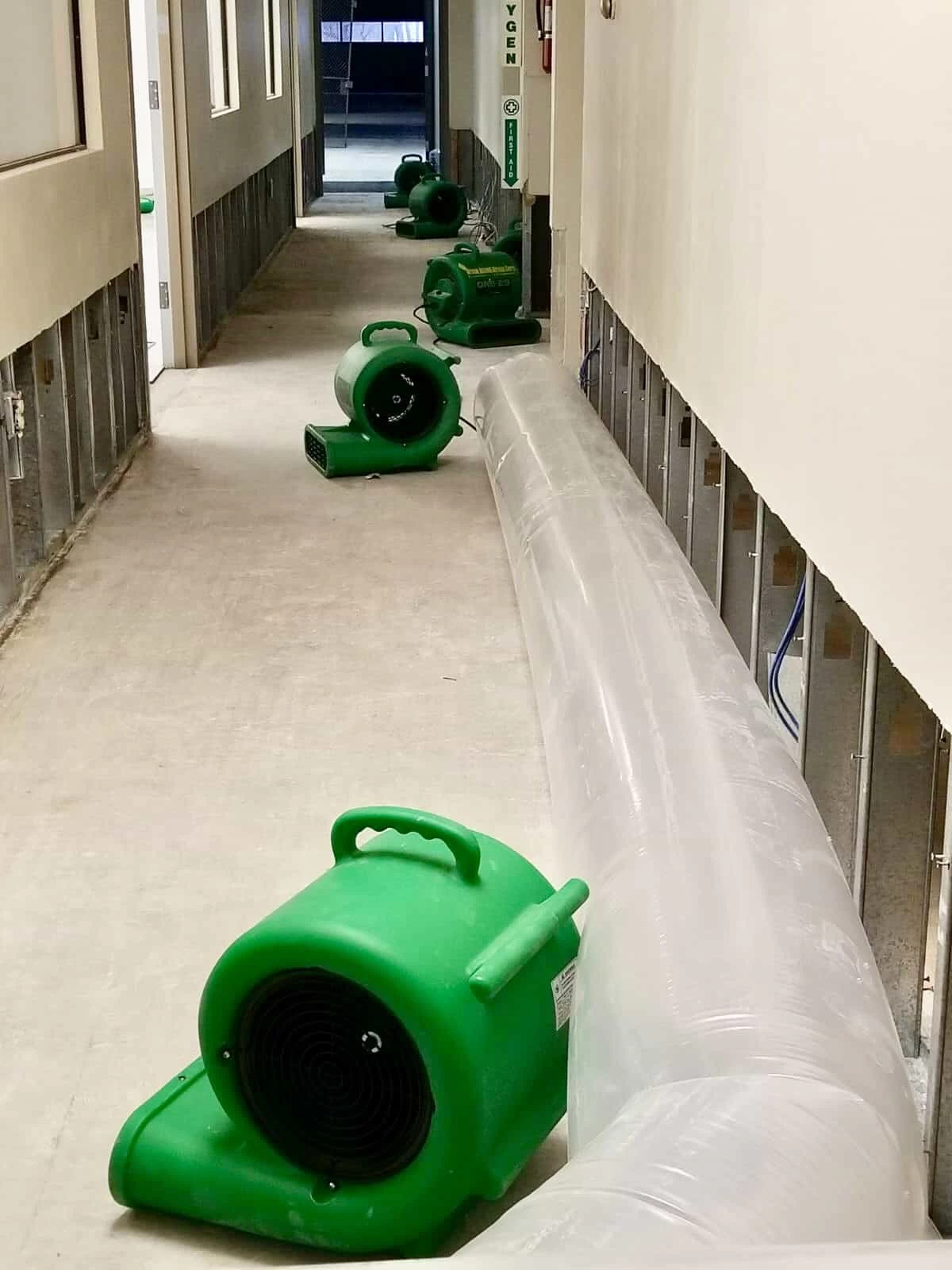
Once the permits are in order, the abatement work begins under full containment, using professional-grade air scrubbers throughout. When the removal is complete, post-abatement air clearance testing confirms that fiber levels are back to safe levels and you receive the documented clearance certificate. That’s the piece that closes the loop for your attorney, your DOB file, or your real estate transaction.
Asbestos abatement in Steinway covers more ground than most property owners expect going in. It’s not just popcorn ceiling removal or a few floor tiles though both are common in the mid-century walk-ups and apartment buildings throughout the Ditmars-Steinway area. It also includes pipe and boiler insulation in older mechanical rooms, HVAC duct wrap, roofing materials, and window glazing compounds. Pre-war buildings in this neighborhood were built when asbestos was in nearly everything, and a thorough abatement means accounting for all of it.
We handle asbestos tile removal, popcorn ceiling abatement, pipe insulation removal, and full interior remediation for both residential and commercial properties. For the small business owners and landlords along the Steinway Street corridor particularly in the mixed-use buildings between 28th Avenue and Astoria Boulevard we also manage the commercial side of the process, including multi-unit building abatement and coordinating around active tenants where needed.
Where encapsulation is a legitimate option meaning the material is intact and not being disturbed we’ll tell you that too, because it’s sometimes the right call and costs less than full removal. What you won’t get is an upsell toward removal when it isn’t necessary. You’ll get an honest assessment, a clear scope of work, and a single point of contact from inspection through final clearance.
Do I need an asbestos inspection before renovating my Steinway building?
Yes and in New York City, it’s not optional. The NYC Department of Buildings requires an asbestos assessment before issuing renovation or demolition permits for any building constructed before 1987. In Steinway, that covers virtually every residential and commercial property in the neighborhood. If you skip this step and a DOB inspector flags it, your project gets stopped and you’re looking at violations that cost more to resolve than the inspection would have.
The assessment itself determines whether the site is asbestos-free, has conditions that are acceptable as-is, or requires full abatement before work can proceed. If asbestos-containing materials are identified, the NYC DEP gets involved they regulate all asbestos disturbance in the five boroughs under their own set of rules, separate from state requirements. Getting this done correctly from the start keeps your renovation moving instead of sitting in a permit hold.
What materials in older Steinway apartments typically contain asbestos?
In the pre-war and mid-century buildings that make up most of Steinway’s housing stock, the most common asbestos-containing materials are 9×9 inch linoleum floor tiles a standard in post-war apartment construction throughout Queens along with the adhesive used to install them. Textured and popcorn ceilings from the 1950s through the 1970s are another frequent source, as is the joint compound used in drywall installation during that era.
Beyond the visible surfaces, older Steinway buildings often have asbestos in pipe and boiler insulation, HVAC duct wrap, and roofing materials. These are the areas that get disturbed during plumbing work, mechanical upgrades, or roof replacements situations where a property owner might not think to check for asbestos first. In a building that hasn’t been significantly renovated since it was constructed, it’s reasonable to assume multiple systems may contain asbestos until testing says otherwise.
What happens if I accidentally disturbed asbestos during a DIY project?
Stop work immediately. Don’t vacuum the area standard vacuums don’t capture asbestos fibers and will spread them further. If possible, close off the space, limit foot traffic, and avoid disturbing the material any further until a certified contractor can assess the situation. Open a window if you can do so without moving through the affected area, but don’t run fans or HVAC systems that could circulate air through the space.
From there, you need a certified inspector to come in, assess what was disturbed, and determine whether air quality testing is needed before the space is reoccupied. If the material was asbestos-containing and the disturbance was significant, abatement and post-removal air clearance testing will be required before the area is considered safe. The key thing to understand is that a one-time, limited disturbance doesn’t automatically mean a health crisis but it does mean you need a professional assessment, not a guess. We offer 24/7 response for exactly this kind of situation.
How does NYC DEP asbestos regulation affect abatement work in Steinway?
NYC DEP regulates all asbestos abatement in the five boroughs under Title 15, Chapter 1 of the NYC Rules a layer of oversight that goes beyond what New York State requires on its own. Before any regulated asbestos material is disturbed in a Steinway building, DEP notification is required. Depending on the scope of the project, this can involve advance written notice, specific containment protocols, and documentation that the work was completed by a licensed contractor using approved procedures.
This matters practically because contractors who primarily work outside the five boroughs often aren’t fluent in the DEP process which means delays, re-submissions, and frustrated property owners waiting on permits that should have been straightforward. We work in Steinway and across NYC regularly and handle DEP notification as a standard part of every project. You don’t have to figure out which forms go where or what timeline applies. That’s handled.
How much does asbestos removal typically cost for a Steinway apartment or building?
Cost varies based on the scope, the type of material, and how accessible it is. For a single-room popcorn ceiling removal in a Steinway apartment, you’re generally looking at somewhere in the range of $1,500 to $3,000 depending on square footage. Floor tile removal in a standard apartment unit often falls in a similar range. Larger projects full building abatement, multi-unit coordination, or removal of pipe and mechanical insulation throughout a building scale up from there based on linear footage and complexity.
Encapsulation, where the material is intact and not being disturbed, typically runs 15 to 25 percent less than full removal and is a legitimate option in some situations. The inspection and testing phase which runs roughly $250 to $800 is what determines which approach makes sense for your specific property. It’s worth doing that step before assuming the worst-case cost, because not every situation requires full removal. An honest assessment upfront saves you from paying for more than you actually need.
Can asbestos abatement in Steinway be covered by homeowners or property insurance?
It depends on how the asbestos was discovered and what triggered the need for removal. If asbestos-containing pipe insulation was disturbed during a covered event a burst pipe in a pre-war Steinway building during a hard freeze, for example, or water damage from a roof failure the abatement may be covered under your property insurance policy as part of the remediation. In those cases, the asbestos removal is tied to a covered loss, not a standalone maintenance issue, which changes how insurers evaluate the claim.
We bill insurance companies directly on behalf of property owners, which means you’re not fronting the full cost and waiting on reimbursement during an already stressful situation. If you’re unsure whether your specific situation qualifies, the best starting point is a call with your adjuster and a conversation with us about what documentation the insurer will need. Having a licensed contractor involved from the beginning with proper testing records and a clear scope of work puts you in a much stronger position when the claim is being reviewed.