Stewart Manor's Mid-Century Homes Come With a Hidden Cost
Most of Stewart Manor’s housing stock was built between 1925 and the 1950s — the peak decades for asbestos use in residential construction. Vinyl floor tiles, pipe insulation, boiler wrap, popcorn ceilings, joint compound — these materials were standard then. Many are still in place today. Green Island Group handles the testing, removal, and clearance so you can move forward without the guesswork.
I needed a professional consultation explanation of procedure for safe removal of Asbestos in my apartment complex. Without having an account yet, I was very impressed with the caring, knowledgeable and generous advice offered by Jessica, and will look forward to doing business in the future. Thank you so much! I feel much more informed about a sometimes scary endeavor. Peace. Nancy Silva Mineola, NY.
Mia Munoz
Used this company to clean up some water flood in my house. They were fast and easy to work with.very professional, Would recommend to anyone!
Nini Valle
Great company, had a flood and they responded quickly and efficiently. Billed my insurance company directly. I highly recommend this company!
joe colapietro, jr
I had pipe freeze in my basement right before a snow storm and they made to within an hour to help start the clean up process. They we by our side throughout the entire process and even helped with the insurance company. They did such a great job with the cleanup, repair, remidiation, I contracted them to perform the repairs and finishes in the basement. They came with enough manpower and material to get the job done. Leo and Jessica were nothing but a pleasure to deal with!!
Cristian Arredondo c
I had some water damage in my home and Green Island was able to take care of my issue quickly and effectively. I am very pleased with the work they did. They responded quickly and were very professional.
Michael M
Outstanding service! From the office to the field crew everyone was friendly, helpful and responsive. I highly recommend Green Island Group.
Your renovation doesn’t stay on hold. Your real estate deal doesn’t fall apart at the inspection. Your family isn’t breathing air you’re unsure about. That’s the practical difference between leaving asbestos in place and having it removed correctly — and in a village where homes routinely sell for $800,000 or more, getting it done right the first time matters a lot more than saving a few hundred dollars by cutting corners.
Stewart Manor’s housing stock was built almost entirely during the peak decades of asbestos use in residential construction. Vinyl floor tiles, pipe insulation, boiler wrap, popcorn ceilings, joint compound — these materials were standard in homes built between the 1920s and 1950s, and a large portion of them are still in place today. When you open up a kitchen, finish a basement, or replace an aging boiler, you’re likely to find at least one of them.
What changes after proper abatement isn’t just the air quality — it’s the documentation. You get clearance test results, a compliant waste disposal record, and a paper trail that holds up with real estate attorneys, buyers’ inspectors, and the Nassau County building process. That’s what actually moves a project forward.
Nassau County's Rules Are Specific — So Is Our Licensing
Most people don’t realize that asbestos abatement in Nassau County carries a layer of regulation that goes beyond New York State requirements. In addition to NYS DOL licensing under Industrial Code Rule 56, contractors working in Nassau County must hold an Environmental Hazard Remediation Provider license — and individual technicians must carry EHRT certification. We hold both. That’s not a minor detail when you’re filing permits through Stewart Manor’s village building department and need the work to clear.
We’ve worked throughout Stewart Manor and across Nassau County in homes that look exactly like yours — same era, same materials, same tight residential blocks where the work has to be done cleanly and carefully. When you call us, you’re not reaching a national call center that’s never been to Nassau County. You’re reaching a team that knows the Hempstead Township permit process and has handled projects in Stewart Manor and surrounding communities dozens of times over.
No Surprises — Here's Exactly How the Work Gets Done
It starts with an inspection. A NYS DOL-certified asbestos inspector surveys your property, identifies any suspect materials, and takes samples for laboratory analysis. You get a clear picture of what’s actually there before any removal work is scoped or priced — no estimates based on assumptions, no upselling materials that aren’t confirmed.
Once the scope is established, we handle the permit filings. In Stewart Manor, that means coordinating with the village building department as well as meeting NYS DOL notification requirements for projects above certain thresholds. This step trips up a lot of homeowners who hire contractors unfamiliar with Nassau County’s process — and it’s one of the main reasons projects get delayed or flagged. We handle it so you don’t have to.
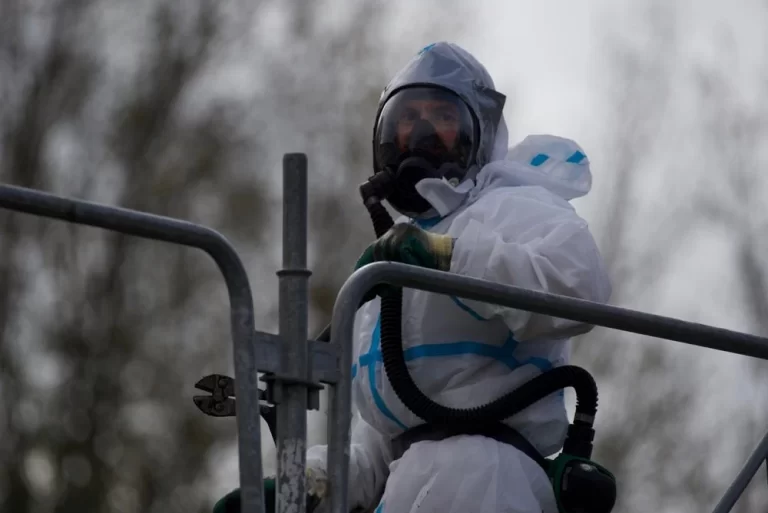
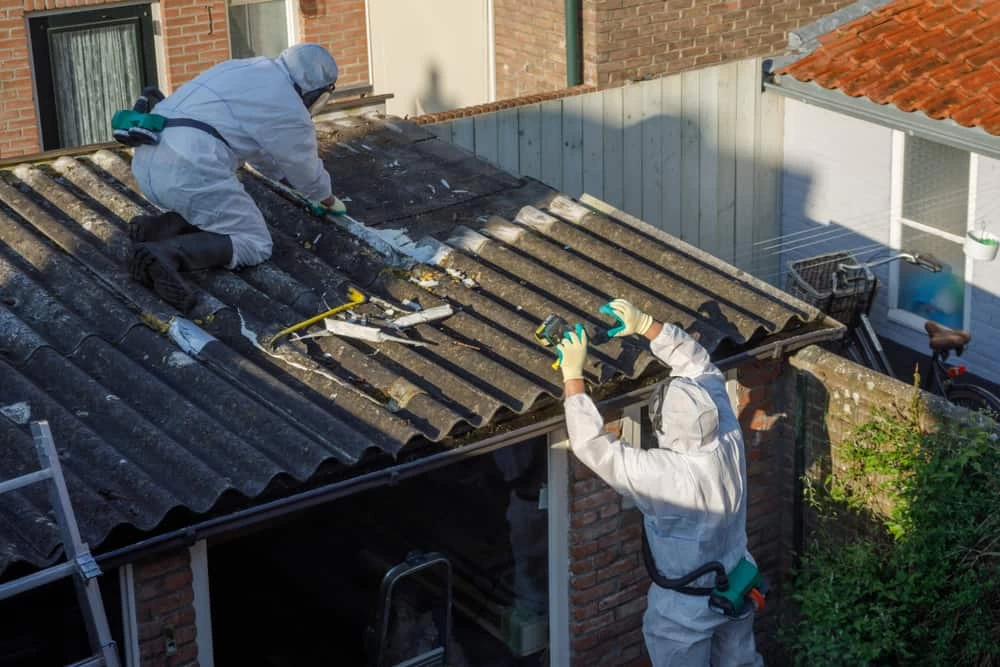
The abatement itself is performed under full containment — sealed work areas, negative air pressure, HEPA filtration, and proper decontamination procedures throughout. When the work is complete, a final clearance air test is conducted by a certified professional before the space is reoccupied or turned back over to other contractors. You receive the full documentation package: inspection report, clearance results, and waste disposal records. In a village this size, where homes sit close together and neighbors notice everything, that level of process discipline isn’t optional — it’s the standard.
Every Material Type Found in Stewart Manor Homes, Covered
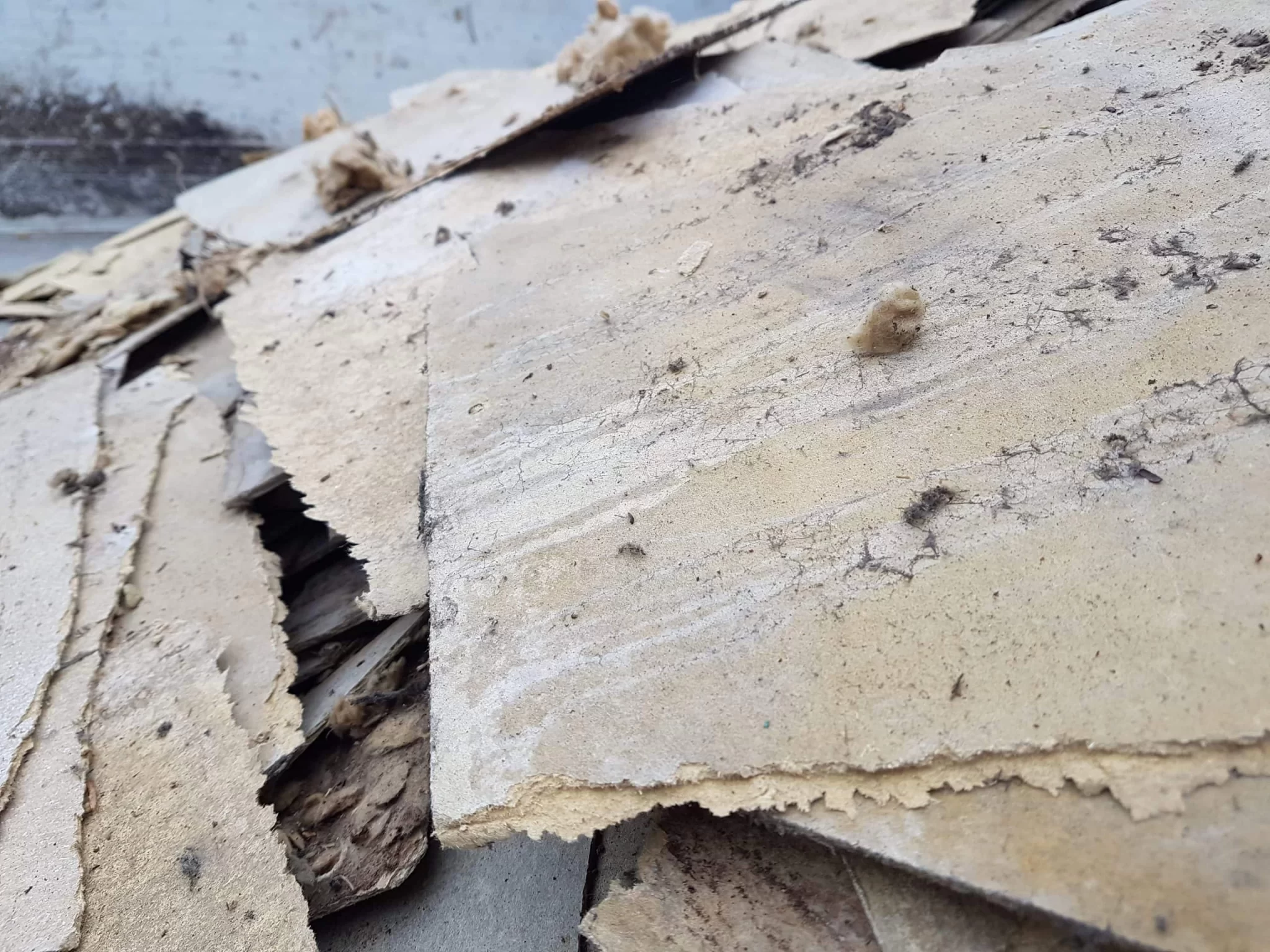
The most common asbestos-containing materials in Stewart Manor’s mid-century homes aren’t always obvious. Nine-inch and twelve-inch vinyl asbestos floor tiles — and the black mastic adhesive underneath them — are frequently discovered beneath later flooring layers during kitchen and bathroom renovations. Popcorn ceilings applied before 1980 are another common find in post-WWII homes throughout the village. Pipe and boiler insulation in basements is a third, especially in older homes with steam or hot-water heating systems that haven’t been touched in decades. We handle all of it — asbestos tile removal, asbestos popcorn ceiling removal, pipe insulation, boiler wrap, and joint compound — under the same compliant, documented process.
What you won’t get is a contractor who removes the visible tiles and leaves the mastic behind, or one who skips air monitoring because it adds time to the job. Nassau County’s EHRP licensing requirements exist for a reason, and every project we complete in Stewart Manor is fully compliant with both state and county standards.
If your project involves a real estate transaction — which is increasingly common in Stewart Manor’s active market — we prioritize rapid assessment and scheduling. Buyers’ attorneys and inspectors in Nassau County expect complete documentation, and we provide exactly that: clearance test results, waste manifests, and a written record of the full scope of work that holds up through closing.
Does my Stewart Manor home built in the 1930s likely contain asbestos?
If your home was built between 1925 and the early 1950s — which covers the vast majority of Stewart Manor’s housing stock — there’s a strong likelihood that at least some asbestos-containing materials are present somewhere in the structure. The village was developed almost entirely during that window, starting with the original Sunrise Gardens development in 1925, and asbestos was a standard component of residential construction throughout that era.
The most common locations are vinyl floor tiles and the adhesive beneath them, pipe and boiler insulation in the basement, textured or popcorn ceilings, and older drywall joint compound. The presence of asbestos doesn’t automatically mean you have a problem — undisturbed, intact materials that aren’t being renovated or demolished are generally considered lower risk. But the moment you start opening walls, pulling up floors, or replacing heating systems, those materials need to be tested before any work proceeds. A certified inspection is the only way to know for certain what you’re dealing with.
How much does asbestos removal typically cost in Nassau County, NY?
Cost varies depending on what materials are present, how much square footage is involved, and how accessible the affected areas are. For a single room of asbestos floor tile removal in Stewart Manor, you’re typically looking at somewhere in the range of $1,500 to $4,000. A full basement pipe and boiler insulation project can run $3,000 to $8,000 or more depending on the extent of the wrap. Larger whole-home projects — common when a Stewart Manor homeowner is doing a full gut renovation — can reach $10,000 to $20,000 when multiple material types are involved across multiple areas.
What drives cost up in Nassau County specifically is the regulatory layer. EHRP-licensed contractors, certified air monitoring, permit filings, and compliant disposal all add to the project cost — but they’re not optional. They’re what protects you legally and ensures the work clears inspection. Hiring an unlicensed contractor to save money on a home worth $800,000 is a risk that rarely makes financial sense when you look at the potential liability.
Do I need a permit for asbestos abatement in Stewart Manor, NY?
Yes, and the permitting process in Stewart Manor involves more than one layer. Because Stewart Manor is an incorporated village within the Town of Hempstead, renovation work that triggers asbestos abatement typically requires a building permit through the village’s own building department, in addition to meeting Nassau County and NYS DOL requirements. For projects above certain material thresholds, contractors are also required to file a notification with the NYS Department of Labor Asbestos Control Bureau before work begins.
This is one of the most common places where homeowners run into trouble when they hire contractors who aren’t familiar with Nassau County’s specific requirements. A contractor who only holds state licensing — and doesn’t carry Nassau County’s Environmental Hazard Remediation Provider credential — can’t legally perform abatement work here, and any work they complete won’t pass a Nassau County inspection. We hold all required credentials and handle all permit filings as part of the project scope.
What happens if asbestos is found during a home sale inspection in Stewart Manor?
It’s more common than most people expect. In Stewart Manor’s active real estate market — where median sale prices have climbed significantly and homes are transacting quickly — buyers’ attorneys and inspectors routinely flag potential asbestos-containing materials, especially in homes from the 1920s through the 1950s. When that happens, the deal doesn’t automatically fall apart, but it does create a timeline pressure that requires fast, organized action.
Typically, the seller will need to commission a certified inspection to confirm whether asbestos is present, and if it is, complete a documented abatement before closing — or negotiate an escrow arrangement with the buyer. What matters most in this scenario is speed and documentation. You need a contractor who can assess quickly, schedule promptly, and produce the clearance paperwork that satisfies both parties’ legal representatives. That’s something we’ve handled many times for Nassau County homeowners working against a closing date.
Can I stay in my home during asbestos abatement in Stewart Manor?
It depends on the scope and location of the work. For contained projects in a single room — a basement utility area, for example, or a bathroom floor tile removal — temporary displacement from that specific area is often sufficient, and many homeowners remain in the home while the work is completed in a sealed, contained zone. For larger projects involving multiple rooms, HVAC-adjacent materials, or work in living areas, temporary relocation during the active abatement phase is typically recommended.
The key factor is containment integrity. Proper asbestos abatement uses negative air pressure, sealed barriers, and HEPA filtration to prevent fiber migration into occupied areas of the home. In a small, densely built village like Stewart Manor — where homes sit close to neighbors and interior square footage is often limited — that containment work has to be done carefully and thoroughly. We walk through the specific scope with every homeowner before work begins so you know exactly what to expect and can plan accordingly.
Is Green Island Group familiar with the specific asbestos regulations that apply in Nassau County?
Nassau County has its own licensing layer that goes beyond what New York State requires statewide. Contractors must hold an Environmental Hazard Remediation Provider license issued by Nassau County, and individual technicians must carry EHRT certification — requirements that are specific to Nassau County and don’t apply the same way in Suffolk County or New York City. We hold both credentials, which means every project we complete in Stewart Manor is fully authorized under county, state, and local requirements.
This matters practically because Nassau County inspectors check for EHRP compliance, and projects completed by contractors who only hold state licensing can be flagged, stopped, or require re-abatement at significant cost to the homeowner. Stewart Manor’s village building department also has its own permit process that needs to be coordinated alongside county and state requirements. We handle that coordination on every project — it’s not something you should have to manage yourself while also running a renovation or navigating a real estate transaction.