If your home was built before 1980, there’s a real chance asbestos is somewhere inside it. We handle licensed asbestos abatement in Tillson, NY so you know exactly what you’re dealing with and what happens next.
I needed a professional consultation explanation of procedure for safe removal of Asbestos in my apartment complex. Without having an account yet, I was very impressed with the caring, knowledgeable and generous advice offered by Jessica, and will look forward to doing business in the future. Thank you so much! I feel much more informed about a sometimes scary endeavor. Peace. Nancy Silva Mineola, NY.
Mia Munoz
Used this company to clean up some water flood in my house. They were fast and easy to work with.very professional, Would recommend to anyone!
Nini Valle
Great company, had a flood and they responded quickly and efficiently. Billed my insurance company directly. I highly recommend this company!
joe colapietro, jr
I had pipe freeze in my basement right before a snow storm and they made to within an hour to help start the clean up process. They we by our side throughout the entire process and even helped with the insurance company. They did such a great job with the cleanup, repair, remidiation, I contracted them to perform the repairs and finishes in the basement. They came with enough manpower and material to get the job done. Leo and Jessica were nothing but a pleasure to deal with!!
Cristian Arredondo c
I had some water damage in my home and Green Island was able to take care of my issue quickly and effectively. I am very pleased with the work they did. They responded quickly and were very professional.
Michael M
Outstanding service! From the office to the field crew everyone was friendly, helpful and responsive. I highly recommend Green Island Group.
You stop guessing. That’s the biggest thing. When you’re living in a 1960s ranch off Route 32 or a farmhouse near Tillson Lake and someone mentions asbestos, the not-knowing is what keeps people up at night. Once the abatement is done and the post-clearance air monitoring comes back clean, that uncertainty is gone replaced by a documented result you can hold in your hand.
For Tillson homeowners specifically, this matters in a few concrete ways. If you’re preparing to sell, your buyer’s attorney is going to want proof not your word that the materials were handled by a licensed contractor. If you’re renovating a property for the vacation rental market, which Tillson actively welcomes unlike most surrounding towns, you need that documentation to protect yourself from liability before a single guest walks through the door.
And if you’ve just been living here for years, raising a family, not thinking about what’s under the floor tiles or behind the boiler getting this handled means your home is finally what it should be. Safe. Documented. Done.
We Hold the License. We Handle the Accountability.
We hold the NYS Department of Labor Asbestos Handling License the specific credential required by law for any asbestos abatement work in New York State. That’s not the same as a general contractor’s license, and it’s not something every company showing up in your search results actually has. Before you hire anyone for this work in Tillson or anywhere in Ulster County, ask for that license number and look it up through the NYS DOL contractor database.
Beyond the license, our credentials run deep: IICRC certified, USEPA lead and RRP certified, NYS MBE/WBE/MWBE designated, and fully capable of handling asbestos, mold, water damage, and demolition under one roof. That last part matters more than it sounds. A lot of older homes in the Town of Rosendale including the mid-century ranches in Tillson Estates and the older structures near the Palmaghatt Kill corridor have more than one issue going on at once. You shouldn’t need three different contractors to sort it out.
No Surprises Here's What the Job Actually Looks Like
It starts with an assessment. Before any work begins, we identify and evaluate the materials in question what type of asbestos-containing material it is, where it is, and what condition it’s in. Stable, non-friable materials in good condition are sometimes managed in place. Damaged, deteriorating, or materials that are about to be disturbed by renovation work need to come out. You’ll know which situation you’re in before anything gets scheduled.
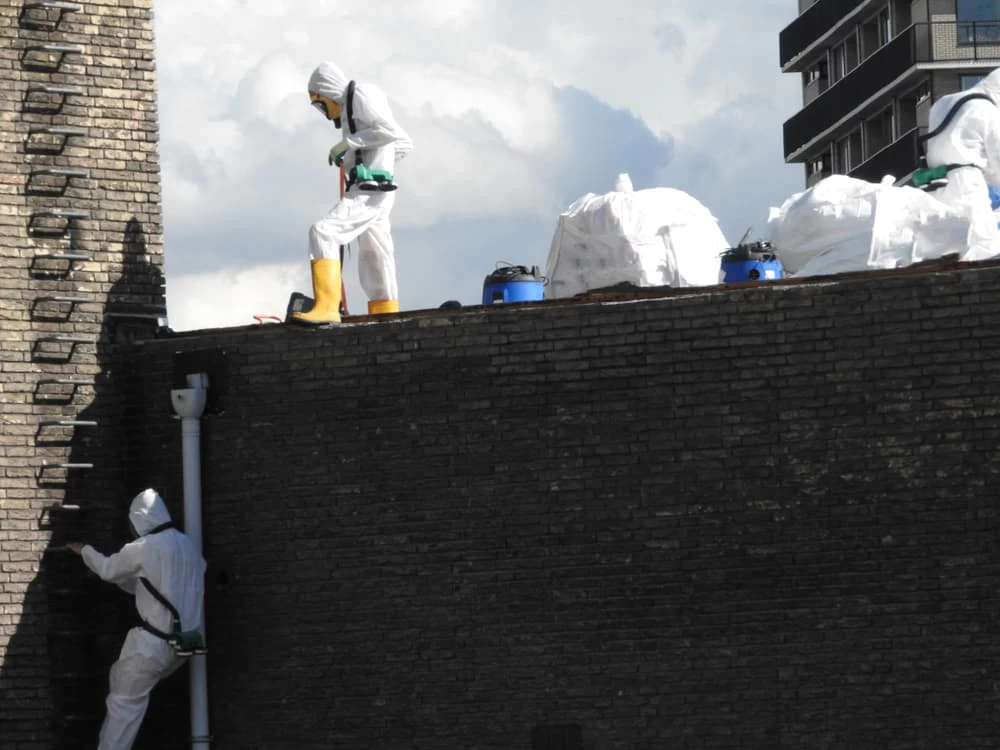
Once abatement is confirmed, the work area gets properly contained using negative air pressure and HEPA filtration to make sure nothing migrates to the rest of your home during removal. For most residential jobs in Tillson a floor tile removal, a popcorn ceiling, pipe insulation around an old boiler the actual abatement work is completed in one to three days. You’re not looking at weeks of displacement.
After removal, we conduct air monitoring before the containment comes down. This is required under NYS Industrial Code Rule 56, and it’s the step that gives you the clearance documentation you need whether that’s for a Town of Rosendale building permit, a real estate transaction, or simply your own peace of mind. All project records, including worker certifications, air monitoring results, and waste disposal manifests, are maintained for 30 years. That paper trail protects you long after we’re gone.
Asbestos Tile and Popcorn Ceiling Removal, Tillson NY
What We Remove and Why It Matters for Homes Like Yours
The most common asbestos-containing materials found in Tillson’s housing stock are the ones that don’t look like anything unusual. The 9×9 vinyl floor tiles installed in thousands of mid-century ranch homes and bi-levels the kind that filled Tillson Estates during the IBM-era construction boom almost always used an asbestos-containing mastic adhesive underneath. The acoustic popcorn ceiling texture sprayed in those same homes through the 1970s is another frequent source. So is the pipe and boiler insulation in older basements, the drywall joint compound in walls, and the asbestos-cement siding or roofing on properties built before the late 1970s.
We handle asbestos tile removal, asbestos popcorn ceiling removal, pipe insulation abatement, boiler wrap removal all of it for Tillson homeowners. And because we’re a full-service operation, if water damage or mold shows up during the process (which happens more often than you’d expect in homes near the Palmaghatt Kill or in lower-lying areas of the hamlet), that gets addressed in the same engagement rather than handed off to someone else.
We handle insurance billing directly when a covered event is involved. We manage permit applications for the Town of Rosendale as part of the project. You don’t have to coordinate the paperwork that’s included.
Does my Tillson home built in the 1960s likely contain asbestos materials?
Almost certainly in at least one location, yes. Homes built in Tillson during the 1950s through the 1970s which covers a large portion of the housing stock along the Route 32 corridor and within Tillson Estates were constructed during the peak years of asbestos use in residential building materials. Asbestos was used in over 3,000 different products before widespread bans took effect in the late 1970s and into the 1980s.
In a typical mid-century ranch or bi-level from that era, you’re most likely to find it in the floor tile adhesive (mastic) beneath vinyl 9×9 tiles, in acoustic or popcorn ceiling texture, in the insulation wrapping around pipes and the boiler, in drywall joint compound, and sometimes in the roof shingles or exterior siding. None of these are visible to the naked eye you can’t tell by looking whether a material contains asbestos. The only way to know is to have a sample tested by a qualified professional before any renovation work disturbs those materials.
What happens if a contractor disturbs asbestos during a renovation in Tillson?
This is one of the most common ways asbestos becomes an emergency rather than a planned project. A general contractor starts demoing a bathroom, pulls up old floor tiles, or cuts into a wall and suddenly there’s suspect material everywhere. At that point, work needs to stop immediately, the area needs to be isolated, and a licensed asbestos abatement contractor needs to be called in before anything else continues.
Under NYS Industrial Code Rule 56, any disturbance of asbestos-containing material above the threshold of 10 square feet or 25 linear feet requires licensed abatement procedures. That applies whether the disturbance was intentional or accidental. The general contractor cannot simply keep working around it. For Tillson homeowners who are renovating older properties especially those being prepared for the vacation rental market getting an asbestos survey done before renovation begins is far less disruptive and far less expensive than stopping a project mid-stream to deal with a discovery.
How long does asbestos abatement take in a typical Tillson residential property?
For most single-material residential jobs removing asbestos floor tiles in one room, addressing a popcorn ceiling, or handling pipe insulation around a basement boiler the actual abatement work is typically completed in one to three days. A larger scope, like multiple materials across several areas of an older home, might run three to five days. Full-house abatement in a larger property could extend beyond that, but that scenario is less common in Tillson’s typical housing stock.
What adds time is the post-abatement air monitoring and clearance process, which is required before the containment comes down and the space is cleared for re-occupancy. That’s not a delay it’s the step that gives you the documentation you need. Most Tillson homeowners are not displaced for weeks. The fear of a prolonged project is usually worse than the reality, and a clear timeline gets established before work begins so you know exactly what to plan for.
Do I need a permit for asbestos removal in the Town of Rosendale?
Asbestos abatement in New York State is governed by NYS Industrial Code Rule 56, administered by the NYS Department of Labor. For projects above the regulatory thresholds 10 square feet or 25 linear feet of disturbed material the abatement contractor is required to follow Code Rule 56 procedures, which include proper notification, containment, air monitoring, and documented waste disposal. Ulster County asbestos oversight falls under the NYS DOL Albany District Office.
On the building permit side, if you’re doing a renovation or demolition in the Town of Rosendale that requires a building permit, the town will typically require an asbestos survey before issuing that permit for pre-1980 structures. We manage the permit application process and the regulatory notifications as part of the project you don’t need to navigate the Town of Rosendale building department or the Albany District Office on your own. That coordination is handled for you.
Can I handle asbestos removal myself in my Tillson home to save money?
New York State does provide a narrow homeowner exemption for certain limited asbestos work in owner-occupied single-family homes. But that exemption is more limited than most people assume, and it comes with important caveats. It does not apply to rental properties including short-term vacation rentals, which are common in Tillson given the hamlet’s permissive stance on that use. It does not apply to commercial properties. And it does not eliminate the health risk of working with asbestos-containing materials without proper training, equipment, and containment.
Beyond the legal question, the practical reality is that DIY asbestos removal without proper negative air pressure containment, HEPA vacuuming, and waste disposal protocols can spread fibers to areas of your home that were previously unaffected. The cost of remediating a larger contamination area is significantly higher than the cost of doing it right the first time. For most Tillson homeowners, the licensed route is both the legally safer and the financially smarter path.
How much does asbestos abatement cost for a home in Tillson, NY?
Costs vary based on the type of material, the quantity, the location within the home, and the complexity of the containment required. For a single-material residential job in Tillson say, asbestos floor tile removal in one room or popcorn ceiling abatement in a living area you’re typically looking at a range of $1,500 to $4,000. A multi-material project covering several areas of a mid-century ranch or bi-level might run $4,000 to $10,000. Larger or more complex scopes can go higher.
It’s also worth knowing that asbestos abatement costs in New York have increased in recent years, partly due to updated post-abatement air monitoring requirements that are now mandatory rather than optional. That monitoring adds to the cost, but it also adds something real: documented proof that the job was done correctly. For Tillson homeowners preparing to sell, that clearance documentation can be the difference between a deal closing and a deal falling apart. The cost of abatement is almost always less than the cost of a failed inspection or a disclosed liability on a real estate transaction.