Most Toddville Homes Built Before 1980 Likely Contain Asbestos
If your Toddville home was built in the 1950s, 60s, or 70s, asbestos is probably in your walls, ceilings, or basement. It wasn’t a corner-cutting move it was the standard. But the moment you start a renovation, deal with water damage, or prepare to sell, that standard becomes a real problem. A free on-site inspection from Green Island Group is the fastest way to know exactly what you’re dealing with.
I needed a professional consultation explanation of procedure for safe removal of Asbestos in my apartment complex. Without having an account yet, I was very impressed with the caring, knowledgeable and generous advice offered by Jessica, and will look forward to doing business in the future. Thank you so much! I feel much more informed about a sometimes scary endeavor. Peace. Nancy Silva Mineola, NY.
Mia Munoz
Used this company to clean up some water flood in my house. They were fast and easy to work with.very professional, Would recommend to anyone!
Nini Valle
Great company, had a flood and they responded quickly and efficiently. Billed my insurance company directly. I highly recommend this company!
joe colapietro, jr
I had pipe freeze in my basement right before a snow storm and they made to within an hour to help start the clean up process. They we by our side throughout the entire process and even helped with the insurance company. They did such a great job with the cleanup, repair, remidiation, I contracted them to perform the repairs and finishes in the basement. They came with enough manpower and material to get the job done. Leo and Jessica were nothing but a pleasure to deal with!!
Cristian Arredondo c
I had some water damage in my home and Green Island was able to take care of my issue quickly and effectively. I am very pleased with the work they did. They responded quickly and were very professional.
Michael M
Outstanding service! From the office to the field crew everyone was friendly, helpful and responsive. I highly recommend Green Island Group.
Know What's in Your Home Then Move Forward With Confidence
The Cortlandt Manor area, where Toddville is located, has a median home construction year of 1968. That puts most Toddville homes squarely in the era when asbestos was used in floor tiles, pipe insulation, ceiling texture, drywall compound, and roofing materials. It wasn’t a corner-cutting move by builders it was the standard. But that standard creates real risk the moment you start a renovation, deal with water damage, or prepare to sell.
What changes after proper asbestos remediation isn’t just the air quality in your home. It’s the ability to move forward. You can finish the renovation you’ve been putting off. You can list the house without a buyer’s inspector flagging something that tanks the deal. If a pipe burst this past winter disturbed old insulation in your Toddville basement, you can get that restoration done without a liability hanging over the whole project.
Toddville’s housing stock is overwhelmingly single-family homes ranches, capes, colonials most of them owner-occupied and most of them untouched since they were built. That’s not a problem until something changes. A gut kitchen, a finished basement, a flooring replacement. That’s when the question stops being hypothetical, and you need a licensed contractor who can give you a real answer, not a sales pitch.
5,000 Projects. Every License New York Requires. Local Knowledge of Toddville Homes.
Green Island Group is a full-service environmental remediation contractor based in New York, and Toddville is an active part of our Westchester service area not a checkbox on a map. We’ve worked throughout the Town of Cortlandt and the surrounding hamlets, including Roe Park, Pleasantside, and Van Cortlandtville, in the same postwar housing stock that defines this part of northwestern Westchester.
We hold the NYS Department of Labor Asbestos Handling License, EPA certification, and credentials across every major New York jurisdiction all in-house, no subcontracting. We’re also certified as a Minority/Women-owned Business Enterprise by the NYS Office of General Services, a state-issued credential that required formal documentation and review. That’s not a marketing line it’s a matter of public record.
With more than 5,000 completed projects, we’ve handled the specific materials common in Toddville homes: 9×9 vinyl floor tiles, acoustic ceiling texture, boiler pipe insulation, and more. We offer free on-site inspections because we think you should have the facts before you make any decisions.
No Guesswork Here's Exactly How We Handle Your Toddville Home
It starts with a free on-site inspection. One of our inspectors comes to your Toddville home, walks the property, and identifies any materials that warrant testing or abatement. You get a clear, itemized written estimate no vague ranges, no pressure. If you’ve already had a home inspection flag something during a real estate transaction, we can move quickly, because we know how closing timelines work and what documentation your buyer’s lender will need.
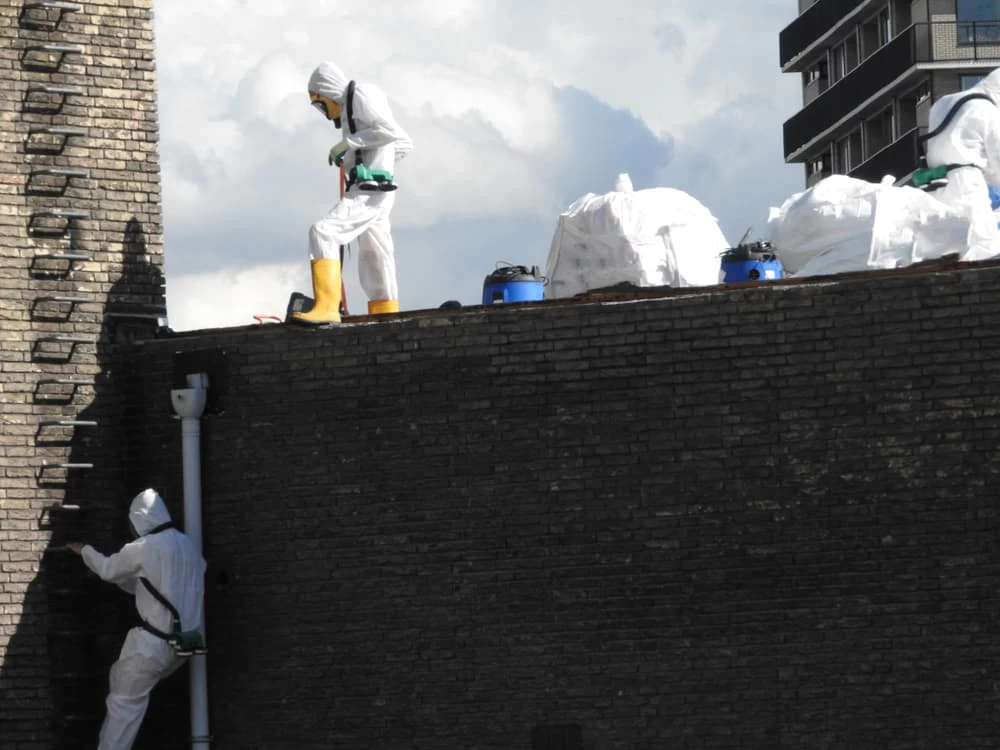
Once the project is approved, we establish full containment around the work area. That means polyethylene sheeting, a negative air pressure system so air flows into the containment zone rather than out of it, and HEPA-filtered air scrubbers running throughout the job. For families living in the home during abatement which is common in Toddville’s owner-occupied, single-family housing stock this containment protocol is the specific reason the rest of the house stays safe.
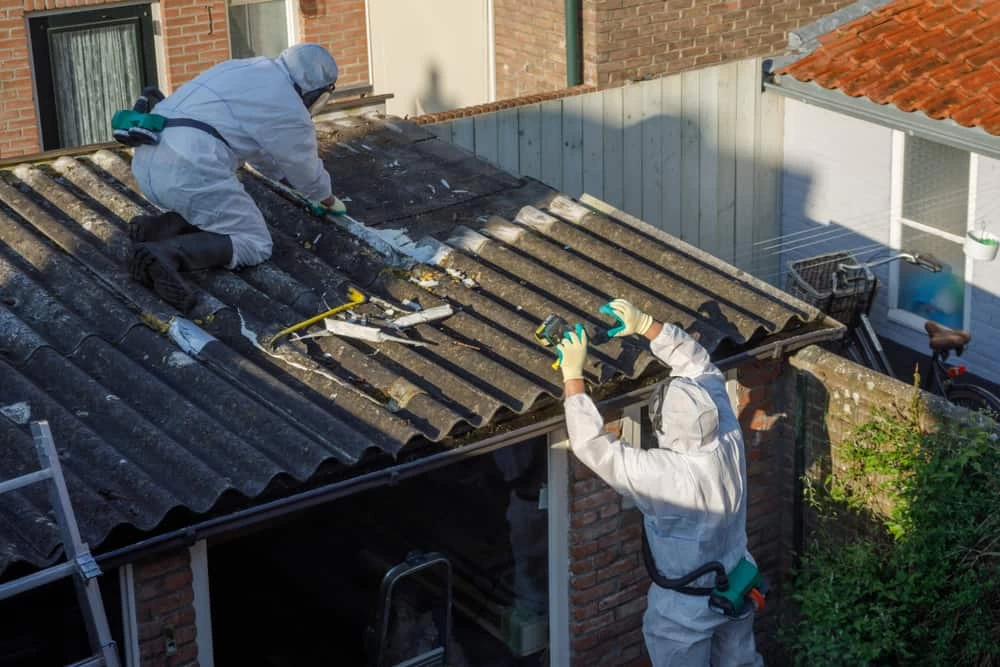
Removal is performed by individually NYS DOL-certified workers, not general laborers handed a respirator. All asbestos waste is transported to an approved disposal facility with a signed chain-of-custody manifest, as required by NYS DEC. When the work is done, we conduct post-clearance air testing and provide you with formal written documentation the legal record that the job was completed to the full regulatory standard under NYS Industrial Code Rule 56.
The Materials Most Common in Toddville Homes Handled Completely
The homes built in and around Toddville between the late 1940s and mid-1970s share a consistent profile: 9×9 or 12×12 vinyl asbestos floor tiles in kitchens, basements, and utility rooms; acoustic spray texture on bedroom and living room ceilings; pipe and boiler insulation in basements; and in some cases, exterior transite siding or roofing felt. These aren’t rare findings they’re the standard materials from that construction era, and asbestos tile removal and asbestos popcorn ceiling removal are among the most common services we perform in this part of Westchester County.
Water damage events are a recurring trigger in this area. When a pipe freezes and bursts during a Cortlandt winter, or when ice damming causes infiltration through an older roof, the resulting damage frequently disturbs ACMs loosened floor tiles, degraded pipe insulation, saturated subfloor materials. In those situations, asbestos abatement has to happen before restoration work can proceed. We work directly with insurance carriers and handle the billing coordination so you’re not managing two separate processes in the middle of an already stressful situation.
Every project we complete in Toddville includes full containment, certified removal, NYS DEC-compliant waste disposal, and post-abatement clearance documentation. There are no add-on fees for the documentation it’s part of the job. Whether you’re renovating, selling, or responding to unexpected damage, you leave the project with a written record that holds up to any regulatory or lender review.
How do I know if my Toddville home actually contains asbestos-containing materials?
The honest answer is that you can’t know for certain just by looking. Asbestos-containing materials don’t look different from non-asbestos materials a 9×9 vinyl floor tile from 1962 looks identical to one that doesn’t contain asbestos. The only way to confirm is through laboratory analysis of a collected sample, which is part of what happens during a professional inspection.
What you can do right now is consider the age of your home. If your Toddville home was built before 1980, there’s a realistic probability that at least one material in the home contains asbestos. The most common locations are floor tiles, ceiling texture, pipe insulation around the boiler or basement pipes, and drywall joint compound. A free on-site inspection from us gives you a professional assessment of which materials are present, which ones warrant testing, and what your actual risk level is before you make any renovation decisions.
Does my family need to leave the house during asbestos abatement in Toddville?
It depends on the scope and location of the work, but in many cases the answer is no at least not for the entire duration of the project. When abatement is limited to a specific area of the home, such as a basement, a single room, or a section of ceiling, proper containment allows the rest of the house to remain occupied safely. The key is the containment setup: negative air pressure, sealed polyethylene barriers, and HEPA filtration prevent fibers from migrating into unaffected living spaces.
That said, there are situations where temporary relocation makes more sense particularly when the work area is large, centrally located, or involves HVAC-adjacent materials that could affect air circulation throughout the home. During your free inspection, we’ll assess the specific scope of your project and give you a straight answer about what’s practical for your household. If you have children in Lakeland Central schools and need to plan around a school schedule, that’s exactly the kind of logistical detail we factor in when we’re scoping the work.
What happens if more asbestos is found once the project has already started?
It happens, and it’s more common than most homeowners expect. A project that starts as asbestos tile removal in a kitchen can reveal pipe insulation behind a wall, or additional tile adhesive beneath a subfloor layer, once the initial materials are removed. In older Toddville homes particularly those built in the 1950s and 1960s where multiple renovation layers have been added over the decades mid-project discoveries of additional ACMs are a routine part of the work.
When that happens, the project scope is updated, the containment remains in place, and we document everything before proceeding. You’ll receive an updated written estimate for any additional scope before work continues there are no surprises added to the final invoice without your approval. This is one of the practical reasons that working with a contractor who has completed more than 5,000 projects matters: we’ve seen these scenarios before and have a clear process for handling them without disrupting the timeline any more than necessary.
Is a permit required for asbestos abatement work in the Town of Cortlandt?
Toddville is an unincorporated hamlet within the Town of Cortlandt, so there’s no separate municipal permit process specific to Toddville itself. The governing regulatory framework is New York State Industrial Code Rule 56, administered by the NYS Department of Labor. Any contractor performing asbestos abatement in this area must hold a valid NYS DOL Asbestos Handling License, and every individual worker on the project must hold their own NYS DOL asbestos handler or supervisor certification not just the company.
For renovation projects that require a Town of Cortlandt building permit, the permit process typically requires disclosure of any asbestos-containing materials and documentation of abatement before or concurrent with the permitted work. If your project is large enough to meet EPA NESHAP thresholds, advance notification to the appropriate regulatory body is also required. We handle all of this as part of our standard process you don’t need to navigate the regulatory paperwork on your own. We’ve done it across Westchester County and know exactly what’s required for projects in this part of the town.
A pipe burst in my basement this winter and damaged some old floor tiles is that an asbestos emergency?
Pipe freeze-and-burst events are one of the most common asbestos disturbance triggers in older Cortlandt-area homes, and it’s a situation we see regularly after hard winters in this part of northwestern Westchester. When water saturates a subfloor or causes old vinyl tiles in your Toddville basement to crack, loosen, or separate, it can disturb the tile or the adhesive beneath it both of which may contain asbestos in homes built before 1980.
The right first step is to avoid further disturbance of the affected area. Don’t pull up the tiles yourself, and don’t let a general contractor start demo work until the materials have been assessed by a licensed abatement professional. We can come out for a free inspection, determine whether the damaged materials contain asbestos, and if so, complete the abatement before your restoration contractor proceeds. We also work directly with insurance carriers, so if you have a homeowner’s claim open for the water damage, we can coordinate billing directly and reduce the administrative burden on your end during what’s already a stressful situation.
We're planning to sell our home in Toddville do we need to address asbestos before listing?
You’re not legally required to remediate asbestos before listing a home in New York, but the practical reality of the current real estate market in the Cortlandt Manor area makes it worth thinking through carefully. Buyers are more informed than they used to be, home inspectors are more likely to flag potential ACMs in pre-1980 homes, and lenders particularly for FHA and VA loans can have specific requirements around undisclosed environmental conditions. A buyer who discovers asbestos during their inspection has leverage: they can ask for a price reduction, request remediation as a condition of closing, or walk away entirely.
Completing abatement before you list removes that leverage and replaces it with a concrete asset: documented clearance from a licensed NYS DOL contractor that you can hand to any buyer, inspector, or lender who asks. In a market where Toddville-area homes are attracting buyers commuting via Metro-North and comparing options across northern Westchester, having that documentation on file is a straightforward way to protect your asking price and keep the transaction on track. A free inspection is the logical first step it tells you exactly what you’re dealing with before you make any decisions about timing or scope.