Old Homes at the Four Corners Deserve a Real Answer
If your Towners home was built before 1980, there’s a real chance asbestos is somewhere inside it and the only way to know for sure is to have it tested by someone who’s licensed to handle what comes next.
I needed a professional consultation explanation of procedure for safe removal of Asbestos in my apartment complex. Without having an account yet, I was very impressed with the caring, knowledgeable and generous advice offered by Jessica, and will look forward to doing business in the future. Thank you so much! I feel much more informed about a sometimes scary endeavor. Peace. Nancy Silva Mineola, NY.
Mia Munoz
Used this company to clean up some water flood in my house. They were fast and easy to work with.very professional, Would recommend to anyone!
Nini Valle
Great company, had a flood and they responded quickly and efficiently. Billed my insurance company directly. I highly recommend this company!
joe colapietro, jr
I had pipe freeze in my basement right before a snow storm and they made to within an hour to help start the clean up process. They we by our side throughout the entire process and even helped with the insurance company. They did such a great job with the cleanup, repair, remidiation, I contracted them to perform the repairs and finishes in the basement. They came with enough manpower and material to get the job done. Leo and Jessica were nothing but a pleasure to deal with!!
Cristian Arredondo c
I had some water damage in my home and Green Island was able to take care of my issue quickly and effectively. I am very pleased with the work they did. They responded quickly and were very professional.
Michael M
Outstanding service! From the office to the field crew everyone was friendly, helpful and responsive. I highly recommend Green Island Group.
Your Home Is Safe Again and the Paperwork Proves It
When asbestos abatement is done right, you’re not just removing a material you’re removing a question mark that’s been sitting in your home for decades. You get your renovation back on track, your family back in their space, and documentation that protects you the next time someone asks about the property’s history.
Towners is a hamlet that grew up around a railroad junction. Many of the homes here were built during the same decades when asbestos was used in nearly everything floor tiles, pipe insulation, ceiling texture, roofing, and adhesives. That housing stock hasn’t been touched in a long time in a lot of cases, which means the materials are often still there, undisturbed, waiting to become a problem the moment a renovation starts.
Putnam County winters are hard on old buildings. Freeze-thaw cycles work water into cracks in plaster and insulation year after year, slowly turning stable materials into something that can crumble and become airborne. If you’ve noticed deteriorating insulation in your basement or cracked floor tiles after a wet season, that’s not just a cosmetic issue it may be a regulated one. Getting it handled now, before it becomes an emergency, is almost always the more straightforward path.
We’ve been performing asbestos abatement across New York State for over 12 years, and the Putnam County area including Towners, Patterson, and the hamlets around them is territory we know well. We hold the NYS DOL Asbestos License required under Industrial Code Rule 56, and we carry full liability insurance and worker’s compensation coverage on every job.
Our client list includes the NYS Office of General Services, the NYS Office of Mental Health, DASNY, and Nassau and Suffolk County government. Those clients don’t hire contractors who cut corners on documentation or skip steps in the process. The same standard applies when we’re working in a single-family home off Route 311 in Towners.
We also handle lead abatement, mold remediation, and water damage restoration all under one roof. For older homes in the Towners area where problems rarely come one at a time, that matters more than it might seem.
No Surprises Here's What the Job Actually Looks Like
It starts with an inspection and testing. Before anything is removed, suspect materials are sampled and sent to an accredited lab to confirm whether asbestos is present and at what concentration. You don’t need to guess you get a definitive answer that tells you exactly what you’re dealing with and what the next step needs to be.
If abatement is required, we handle the permit process. That includes coordination with the Patterson Building Department at 1142 Route 311, which is the local authority for construction and renovation permits in the Town of Patterson the municipality that includes Towners. A lot of homeowners don’t realize that permit handling is part of what a legitimate contractor provides you shouldn’t have to manage that on your own while also managing a renovation.
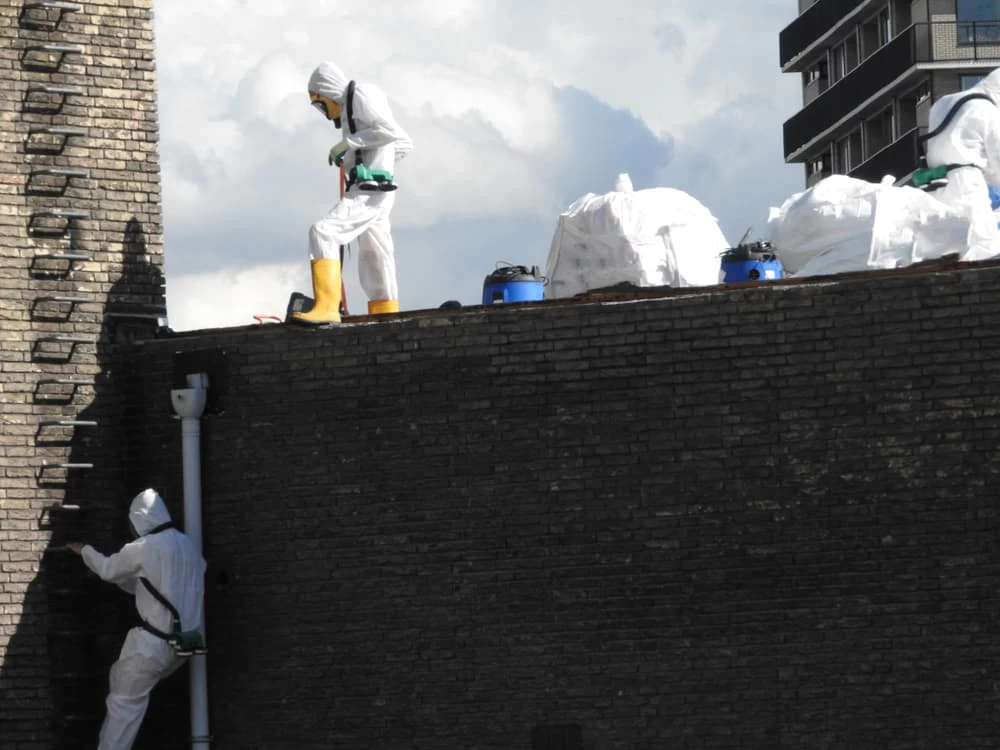
The removal itself follows NYS Industrial Code Rule 56 protocols: wet removal methods, negative air pressure containment, a decontamination unit on-site, and full protective equipment for the crew. When the material is out, an independent third party conducts post-abatement air clearance testing to confirm that fiber levels meet OSHA and NIOSH standards before the space is reopened. You get that clearance documentation in writing which matters for insurance, future real estate transactions, and your own peace of mind.
Asbestos shows up in a lot of places in pre-1980 homes, and not always where you’d expect. The most common materials we encounter in Towners-area homes are vinyl floor tiles and the adhesive underneath them, popcorn ceiling texture, pipe and duct insulation in basements and crawl spaces, roofing shingles and felt, and exterior siding. Any of these can contain asbestos, and any of them can become a regulated issue the moment they’re disturbed by renovation work.
Asbestos tile removal and popcorn ceiling removal are two of the most frequent jobs we’re called in for both are common in mid-century homes throughout the Patterson area, and both require licensed handling under New York State law. If your contractor has already told you to stop work until the material is tested, that’s the right call. We can move quickly to get you tested, permitted, and cleared so your project doesn’t sit idle longer than it has to.
Every job we do includes the full scope: inspection, testing, permit coordination, licensed removal, proper disposal at an approved NYS DEC facility, and post-abatement air clearance documentation. There’s no version of this where we hand you a partial job and leave the compliance paperwork to you. The work isn’t finished until you have everything you need on paper.
Does my older Towners home actually need asbestos testing before I renovate?
If your home was built before 1980, the honest answer is yes you should have it tested before any renovation work that disturbs walls, floors, ceilings, or insulation. New York State law requires that contractors working on pre-1980 structures ensure asbestos-containing materials are identified and properly handled before disturbance. That’s not optional, and it applies to homes in Towners the same way it applies anywhere else in the state.
The practical reason matters just as much as the legal one. Asbestos fibers are invisible, odorless, and don’t cause symptoms right away exposure accumulates over time, and the health consequences are serious. In a hamlet like Towners where a lot of the housing stock has sat largely untouched since it was built in the 1950s and 60s, the materials are often still in place and intact. A professional inspection tells you what’s there, where it is, and whether it needs to be removed before your project can move forward.
How much does asbestos removal typically cost for a Putnam County home?
The range is genuinely wide most residential asbestos removal jobs fall somewhere between $1,500 and $5,000, with smaller, contained jobs sometimes coming in under that and larger whole-home projects running higher. What drives the cost is the type of material, how much of it there is, where it’s located, and whether it’s friable (crumbly and airborne) or non-friable (still intact and bound).
For a typical Towners home say, vinyl floor tile removal in a basement, or popcorn ceiling abatement in a few rooms you’re generally looking at a mid-range job. Pipe insulation in older basements tends to be more involved because of access and the condition the material is usually in after decades of freeze-thaw exposure. The best way to get an accurate number is to have the material tested first, because the scope of the job can’t be quoted honestly until you know exactly what you’re dealing with. We’ll give you a straight answer once we’ve seen it.
Do I have to leave my house while asbestos abatement is being done?
It depends on where the work is happening and how large the affected area is. For contained jobs a single room, a basement section, or a specific area with proper isolation occupants can often remain in other parts of the home. For larger projects or whole-floor abatements, temporary displacement is usually the safer and more practical choice.
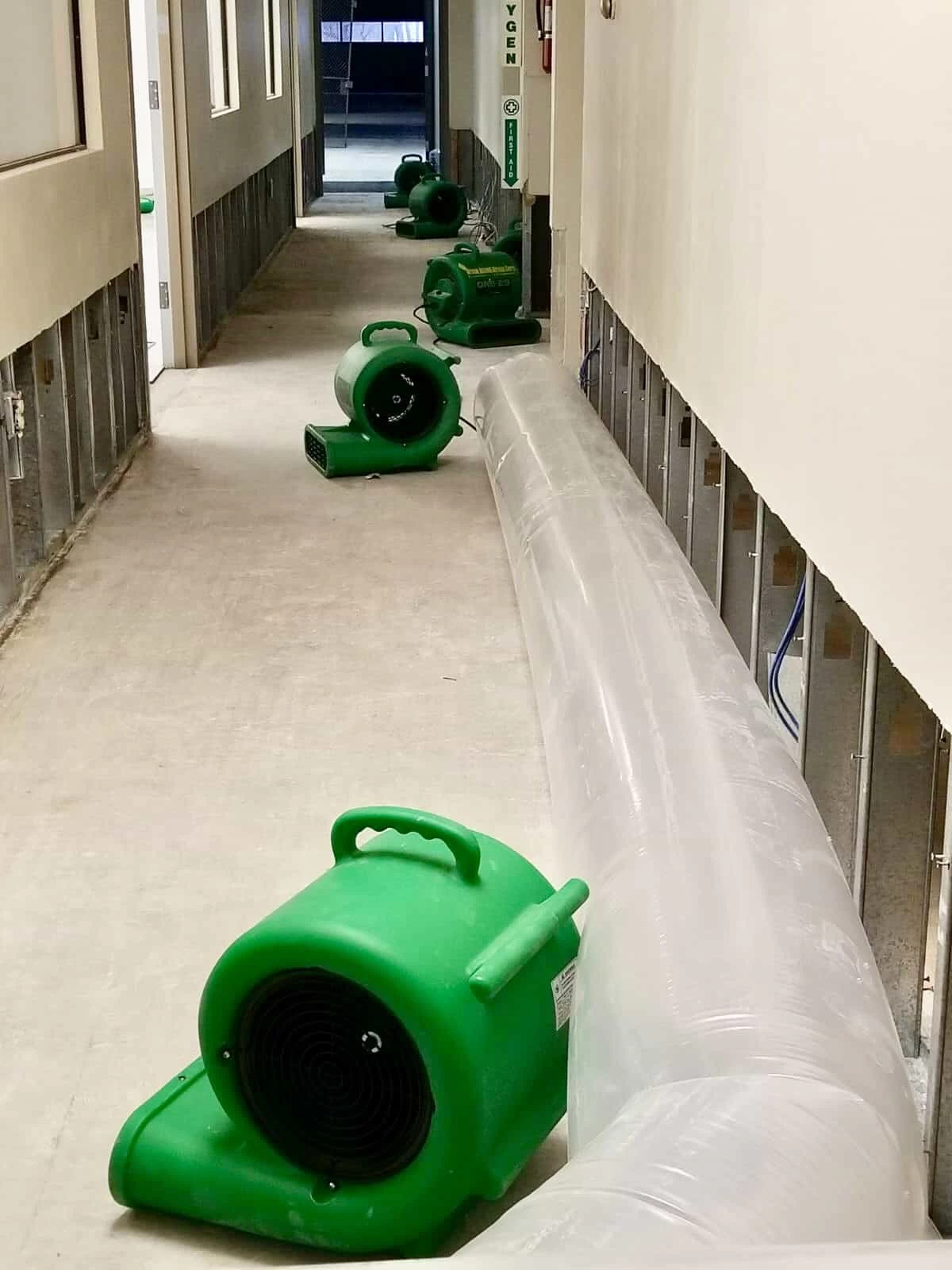
The containment setup is what makes the difference. The work area is sealed with negative air pressure so that fibers can’t migrate to other parts of the house, and a decontamination unit is set up at the entry point so the crew doesn’t track anything out. When the job is done, post-abatement air clearance testing confirms that fiber levels throughout the affected area are within safe limits before anyone re-enters. We’ll tell you upfront what to expect for your specific job no vague answers, just a clear picture of what the timeline and displacement looks like.
What happens if asbestos is found during a renovation already in progress in Towners, NY?
Work needs to stop in the affected area immediately. That’s not an overreaction it’s the correct response under NYS law, and it protects everyone on the job site. Once suspect material is disturbed, the risk of airborne fiber exposure goes up significantly, and continuing without assessment and abatement creates both a health hazard and a legal liability for the property owner.
The good news is that stopping work doesn’t mean the whole project grinds to a halt indefinitely. We can typically move quickly inspection, testing, permit coordination with the Patterson Building Department, removal, and clearance to get the affected area resolved and handed back to your contractor. The more contained the discovery is, the faster the turnaround. If the abatement scope turns out to be larger than expected, we’ll walk you through what that means for your project timeline honestly, so you can make informed decisions rather than just waiting on us.
Is asbestos in popcorn ceilings common in homes around Patterson and Towners?
Yes it’s one of the most common asbestos-containing materials we encounter in homes throughout the Patterson area and Towners. Popcorn ceiling texture, also called acoustic or spray texture, was widely used from the late 1950s through the late 1970s. Homes built or renovated during that period in Towners and throughout Putnam County frequently have it, and a meaningful percentage of those ceilings contain asbestos at levels that require licensed removal.
The material itself isn’t dangerous when it’s intact and undisturbed. The problem comes when you try to remove it scraping or sanding popcorn ceiling releases fibers into the air, and that’s when exposure risk becomes real. If you have popcorn ceilings in a Towners home built before 1980, the right move is to have a sample tested before anyone touches them. It’s a straightforward test, it’s not expensive, and it tells you definitively whether you’re dealing with something that needs licensed asbestos removal or something that can be handled as a standard renovation task.
How do I verify that an asbestos contractor is actually licensed to work in New York State?
The NYS Department of Labor maintains a public listing of licensed asbestos contractors that anyone can search online. It’s called the Asbestos Contractors Listing, and it’s available through the NYS DOL website. You search by contractor name, and it shows whether the license is current and in good standing. It takes about two minutes, and it’s the single most important check you can do before anyone starts work on your property.
This matters more in rural markets like Towners and the broader Putnam County area than it might in a denser urban market, simply because there are fewer contractors competing for the work and less visibility into who’s actually qualified. An unlicensed operator can underbid a legitimate contractor because they’re skipping the training, the equipment, the insurance, and the disposal protocols that licensed work requires. The property owner bears legal responsibility for ensuring the abatement was done correctly so if an unlicensed contractor does the job wrong, that liability doesn’t disappear when they leave your driveway. Our NYS DOL Asbestos License is current and verifiable. Look it up before you call anyone.