Most homes in Trainsmeadow were built in the 1940s and 1950s right when asbestos was standard. If you’re renovating, repairing flood damage, or prepping for a sale, we handle the abatement and everything after.
I needed a professional consultation explanation of procedure for safe removal of Asbestos in my apartment complex. Without having an account yet, I was very impressed with the caring, knowledgeable and generous advice offered by Jessica, and will look forward to doing business in the future. Thank you so much! I feel much more informed about a sometimes scary endeavor. Peace. Nancy Silva Mineola, NY.
Mia Munoz
Used this company to clean up some water flood in my house. They were fast and easy to work with.very professional, Would recommend to anyone!
Nini Valle
Great company, had a flood and they responded quickly and efficiently. Billed my insurance company directly. I highly recommend this company!
joe colapietro, jr
I had pipe freeze in my basement right before a snow storm and they made to within an hour to help start the clean up process. They we by our side throughout the entire process and even helped with the insurance company. They did such a great job with the cleanup, repair, remidiation, I contracted them to perform the repairs and finishes in the basement. They came with enough manpower and material to get the job done. Leo and Jessica were nothing but a pleasure to deal with!!
Cristian Arredondo c
I had some water damage in my home and Green Island was able to take care of my issue quickly and effectively. I am very pleased with the work they did. They responded quickly and were very professional.
Michael M
Outstanding service! From the office to the field crew everyone was friendly, helpful and responsive. I highly recommend Green Island Group.
Your Home Is Safe, Documented, and Move-Forward Ready
When asbestos gets disturbed whether it’s during a kitchen gut, a bathroom remodel, or water damage cleanup after a storm the clock starts ticking. In Trainsmeadow, where nearly half of all homes were built before 1950, that’s not a hypothetical. It’s the reality for most homeowners and landlords on these blocks.
Getting it handled correctly means more than just removing the material. It means your air is tested and cleared, your paperwork is in order, and your renovation or repair can actually move forward. The NYC Department of Buildings won’t issue a permit for work in a pre-1987 building without an asbestos assessment on file. If that step gets skipped or done wrong, your project stops and the liability stays with you.
For Trainsmeadow landlords managing rental units, the stakes are even more specific. Tenant complaints routed through NYC DEP, HPD inspections, and permit applications all create compliance triggers that require documentation, not just a verbal assurance. What you get at the end of a project with us is a clearance certificate you can actually use with an insurance company, a real estate attorney, or a city agency.
A lot of contractors hold a New York State asbestos license. Fewer hold the NYC-specific credentials that actually matter when you’re dealing with a property in Trainsmeadow or anywhere else in Queens. We carry NYS DOL Asbestos licensing, NYC BIC licensing, NYC MWBE certification, and the full NYC DEP compliance familiarity that comes from doing this work across all five boroughs not just occasionally crossing the bridge.
That distinction matters in Trainsmeadow. The neighborhood sits in Queens Community District 3, under the regulatory reach of NYC DEP, NYC DOB, and NYS DOL simultaneously. A contractor who knows state rules but not city rules will cost you time and potentially money before the job even starts. We know both and we handle the notification filings, permit documentation, and clearance verification as part of the standard process, not as an add-on.
We also handle mold remediation, water damage restoration, and full reconstruction. So if you’re dealing with a flooded basement on a street off Astoria Boulevard and the cleanup uncovers something in the walls, you’re not starting over with a second contractor.
No Guesswork Here's What the Process Actually Looks Like
It starts with an assessment. Before anything gets removed, a licensed inspector identifies what materials are present, where they are, and whether they’re in a condition that poses risk. In Trainsmeadow’s older housing stock homes built in the late 1940s and early 1950s that typically means checking floor tile adhesives, pipe insulation, boiler wrap, ceiling texture, and drywall joint compound. These are the materials that show up most often in homes from that era.
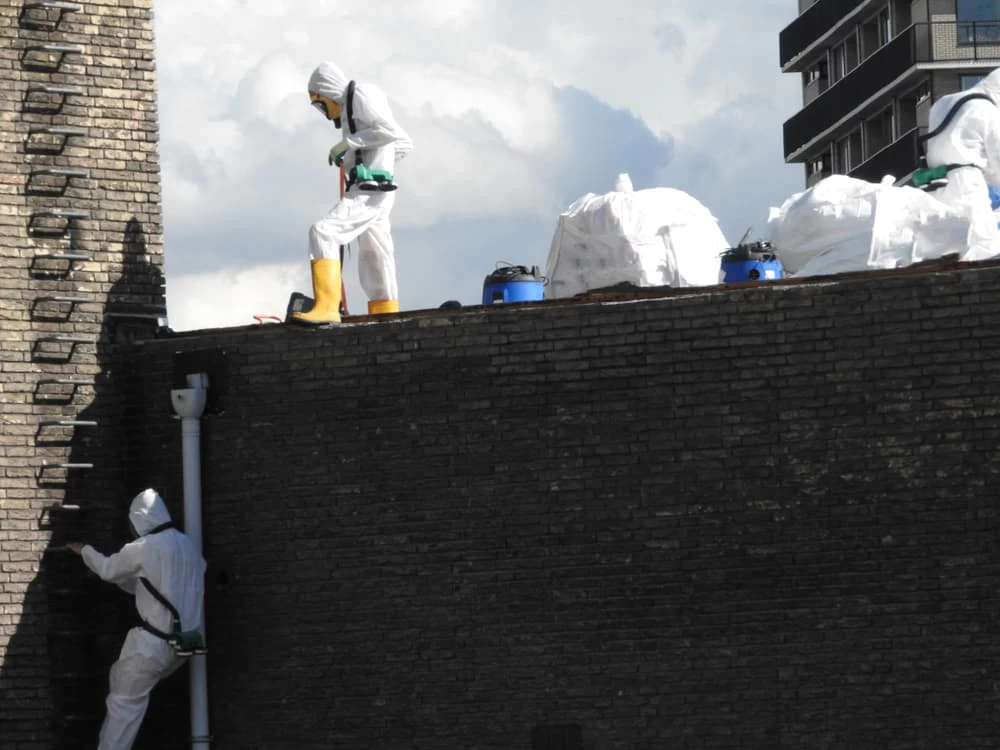
Once the scope is confirmed, we file the required notifications with the appropriate agencies. In New York City, that includes NYC DEP notification before work begins a step that’s legally required and that many homeowners don’t realize applies to them. Microtrap air scrubbers go in on day one, containment is established, and the removal happens under controlled conditions that prevent fiber spread to the rest of the property.
After removal, post-abatement air clearance testing confirms the space meets safety standards. You get a clearance certificate at the end not a handshake and a verbal. If your project also involves water damage repair or reconstruction, that work can begin immediately after clearance, handled by our team. No waiting on a second contractor, no coordination gap, no delay.
Asbestos abatement in Trainsmeadow covers more ground than most people expect when they first call. The most common materials we find in homes here are asbestos floor tiles and the adhesive beneath them a staple of mid-century construction that shows up in almost every kitchen and bathroom gut in the neighborhood. Asbestos popcorn ceiling removal is another frequent request, particularly in homes where the original acoustic texture was never replaced. Pipe insulation and boiler wrap are also common in the basement-level mechanical systems of 1940s and 1950s homes throughout East Elmhurst.
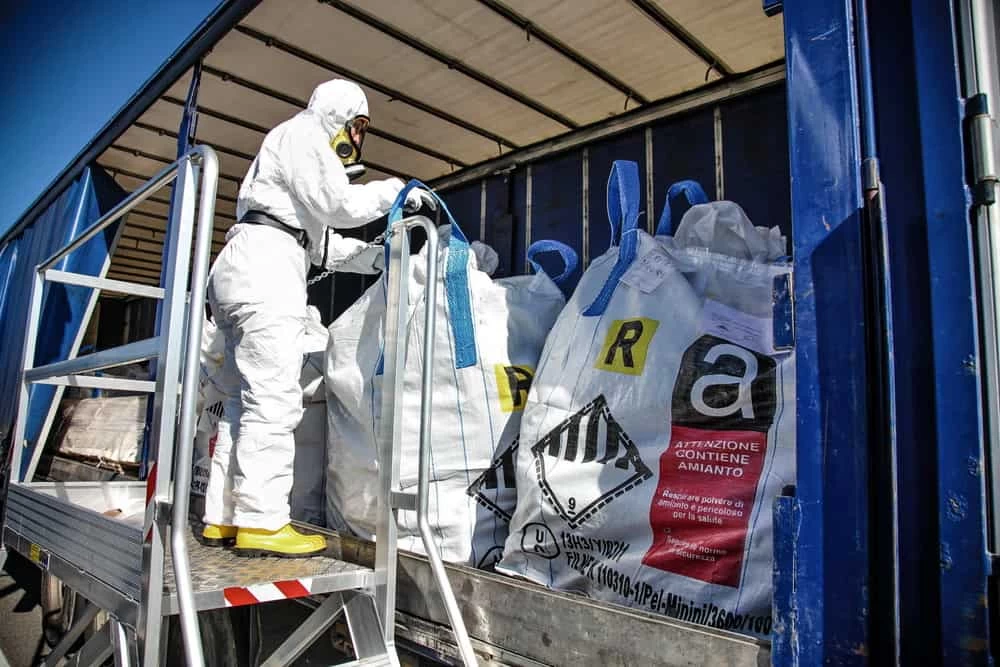
Every project includes proper containment setup, licensed removal, regulated waste disposal with full documentation, and post-removal air clearance verification. The waste disposal piece matters specifically in New York City we hold NYC BIC licensing, which is required to legally transport and dispose of asbestos-containing materials within the five boroughs. Contractors without it cannot complete the full legal chain of custody for your project.
For landlords and property managers in the area, we also provide the regulatory documentation package you need for NYC DOB permit compliance, DEP records, and insurance file purposes. Direct insurance billing is available for projects that involve a covered loss which, given the area’s documented flood history, applies more often here than in most neighborhoods.
Do I need an asbestos inspection before renovating my Trainsmeadow home?
If your home was built before 1987, the answer is almost certainly yes. The NYC Department of Buildings requires an asbestos assessment before issuing a renovation permit for any pre-1987 building. That threshold covers the vast majority of residential structures in Trainsmeadow, where the median construction year is 1952 and nearly half of all homes were built before 1950.
The assessment doesn’t automatically mean you have a problem it means you need a licensed inspector to evaluate the materials in the area being renovated and document the findings. If asbestos-containing materials are present and will be disturbed by the work, abatement is required before the renovation can proceed. If they’re present but won’t be disturbed, the inspector documents that and the project can move forward. Either way, you need the paperwork before the DOB will issue your permit. Skipping this step doesn’t save time it stops the project entirely when the permit application gets flagged.
How do I know if my floor tiles or ceiling contain asbestos?
You can’t tell by looking. Asbestos-containing materials look identical to non-asbestos materials from the same era there’s no visual difference. The only way to know is testing. A licensed inspector takes a sample of the material and sends it to an accredited lab for analysis. Results typically come back within a few days.
In homes built between the 1940s and early 1980s which describes most of Trainsmeadow’s housing stock floor tiles, the black mastic adhesive beneath them, acoustic ceiling texture, and pipe insulation are the most common places asbestos turns up. If your home has original flooring or a popcorn ceiling that’s never been replaced, and the house was built before 1980, testing before any disturbance is the right call. It’s a straightforward process, and the cost of testing is significantly less than the cost of remediation after an uncontrolled disturbance.
What happens if Hurricane Ida-type flooding disturbed asbestos materials in my home?
This is a real concern for Trainsmeadow residents. When Hurricane Ida’s remnants flooded East Elmhurst in September 2021, the water damage affected exactly the kinds of older homes where asbestos-containing materials are most common. Water doesn’t just damage surfaces it soaks through walls, buckles floor tiles, saturates pipe insulation, and compromises building materials that may have been stable for decades.
When previously stable asbestos-containing materials get wet and disturbed, they can become friable meaning fibers can be released into the air. If your home was flooded and you’ve been doing repairs since, an asbestos assessment should be part of that process, not an afterthought. If the flood damage is part of an insurance claim, we can bill your insurance carrier directly for the abatement portion of the work. We also handle the subsequent water damage restoration and reconstruction, so you’re managing one project with one contractor rather than coordinating multiple vendors through an already difficult recovery.
How long does asbestos abatement take for a typical Trainsmeadow home?
It depends on the scope, but for a typical residential project in Trainsmeadow floor tile removal in a kitchen or bathroom, popcorn ceiling abatement in one or two rooms, or pipe insulation removal in a basement the actual removal work usually takes one to three days. The full timeline, including pre-notification filing with NYC DEP, containment setup, removal, and post-abatement air clearance testing, typically runs about one to two weeks from the initial assessment.
The NYC DEP notification requirement adds time that some homeowners don’t anticipate. City regulations require advance notice to the agency before abatement work begins on projects above certain thresholds. We handle that filing as part of the standard process, so you’re not navigating the agency requirements on your own. If your project is part of a larger renovation with a DOB permit application pending, getting the asbestos assessment and abatement completed early in the planning process rather than at the last minute keeps your overall timeline on track.
Can a landlord in Trainsmeadow be held liable for asbestos in a rental unit?
Yes, and the exposure in New York City is significant. NYC DEP and HPD both have enforcement authority over asbestos conditions in rental properties. If a tenant files a complaint, an inspection finds asbestos-containing materials in a deteriorated or disturbed condition, and the landlord hasn’t taken action, the result can be violations, fines, and potential legal liability particularly if a tenant can document health impacts.
The more common scenario for Trainsmeadow landlords isn’t a dramatic enforcement action it’s a renovation project that triggers a mandatory asbestos assessment, or a permit application that gets flagged because the building is pre-1987 and no asbestos documentation is on file. Either way, the path forward is the same: a licensed assessment, abatement if required, and proper documentation. We work with property owners and managers throughout Queens on exactly this kind of compliance-driven project, and provide the full documentation package clearance certificates, waste manifests, and regulatory filings that satisfies city agency requirements.
Does homeowners insurance typically cover asbestos removal after water damage in Trainsmeadow?
It depends on the policy and the circumstances, but in many cases where asbestos abatement is required as a direct result of a covered water damage event a burst pipe, storm flooding, a roof leak the abatement can be included in the insurance claim. The key is documentation: the adjuster needs to see that the asbestos disturbance was caused by the covered event, not pre-existing neglect.
We have direct experience navigating insurance billing for combined remediation and restoration projects. Multiple clients have specifically noted the direct billing process as one of the most valuable parts of working with us particularly in situations where they were already managing a stressful damage event and didn’t want to fight with an insurance adjuster on top of it. If you’re dealing with water damage in a Trainsmeadow home and you’re not sure whether asbestos is involved or whether your policy covers it, the first step is an assessment. That assessment gives you the documentation you need to have a real conversation with your carrier and we can walk you through what that process looks like before any work begins.