If your Tuckahoe home was built before 1980, there’s a real chance asbestos is somewhere inside it and the only way to know for sure is a proper inspection by a licensed contractor.
I needed a professional consultation explanation of procedure for safe removal of Asbestos in my apartment complex. Without having an account yet, I was very impressed with the caring, knowledgeable and generous advice offered by Jessica, and will look forward to doing business in the future. Thank you so much! I feel much more informed about a sometimes scary endeavor. Peace. Nancy Silva Mineola, NY.
Mia Munoz
Used this company to clean up some water flood in my house. They were fast and easy to work with.very professional, Would recommend to anyone!
Nini Valle
Great company, had a flood and they responded quickly and efficiently. Billed my insurance company directly. I highly recommend this company!
joe colapietro, jr
I had pipe freeze in my basement right before a snow storm and they made to within an hour to help start the clean up process. They we by our side throughout the entire process and even helped with the insurance company. They did such a great job with the cleanup, repair, remidiation, I contracted them to perform the repairs and finishes in the basement. They came with enough manpower and material to get the job done. Leo and Jessica were nothing but a pleasure to deal with!!
Cristian Arredondo c
I had some water damage in my home and Green Island was able to take care of my issue quickly and effectively. I am very pleased with the work they did. They responded quickly and were very professional.
Michael M
Outstanding service! From the office to the field crew everyone was friendly, helpful and responsive. I highly recommend Green Island Group.
More than a third of Tuckahoe’s housing stock was built between the 1940s and 1960s right in the middle of the era when asbestos was standard in floor tiles, pipe insulation, ceiling texture, and joint compound. That’s just the reality of this village’s building history. It means a lot of homes in Tuckahoe are carrying materials that were never meant to be disturbed without a plan.
When asbestos-containing materials get cut, sanded, or broken during a renovation or soaked during a Bronx River flooding event the fibers that release are invisible and don’t settle. Most people don’t think about that until it’s already happened. Getting ahead of it, or addressing it properly after the fact, is what separates a clean home from one that has a problem buried in the walls or under the floor.
After a proper abatement, you get something specific: clearance documentation. That’s the air test result that confirms the space is safe and it’s the same paperwork your real estate attorney, your buyer’s lender, or your building inspector will ask for. In Tuckahoe, where homes regularly sell above $600,000, that document isn’t just peace of mind. It’s protection on one of the biggest financial transactions of your life.
We hold the NYS Department of Labor Asbestos Handling License the credential required by New York State to legally touch asbestos-containing materials in any Westchester County home or building, including every property in Tuckahoe. That license number is public record. You can look it up. On top of that, we carry EPA certification, NYS DEC compliance for disposal, lead abatement certification, mold remediation certification, and an M/WBE certification from the NYS Office of General Services a government-issued designation that required formal vetting, not a self-applied label.
With more than 5,000 completed abatement projects across the New York metro area, our team has worked in buildings that look a lot like yours postwar colonials, older multi-family co-ops, mid-century capes, and everything in between. Tuckahoe sits right in the middle of our core service territory, and that familiarity with Westchester’s building stock and regulatory environment isn’t something you can fake after one or two jobs.
No Surprises Here's Exactly What the Process Looks Like
It starts with a free on-site inspection. Someone from our team comes to your Tuckahoe home, looks at the actual material in question, and gives you a straight answer about what you’re dealing with whether that’s floor tile in a basement, pipe insulation on a steam heating system, popcorn ceiling texture in a living room, or something else entirely. You don’t pay for that conversation, and there’s no obligation attached to it.
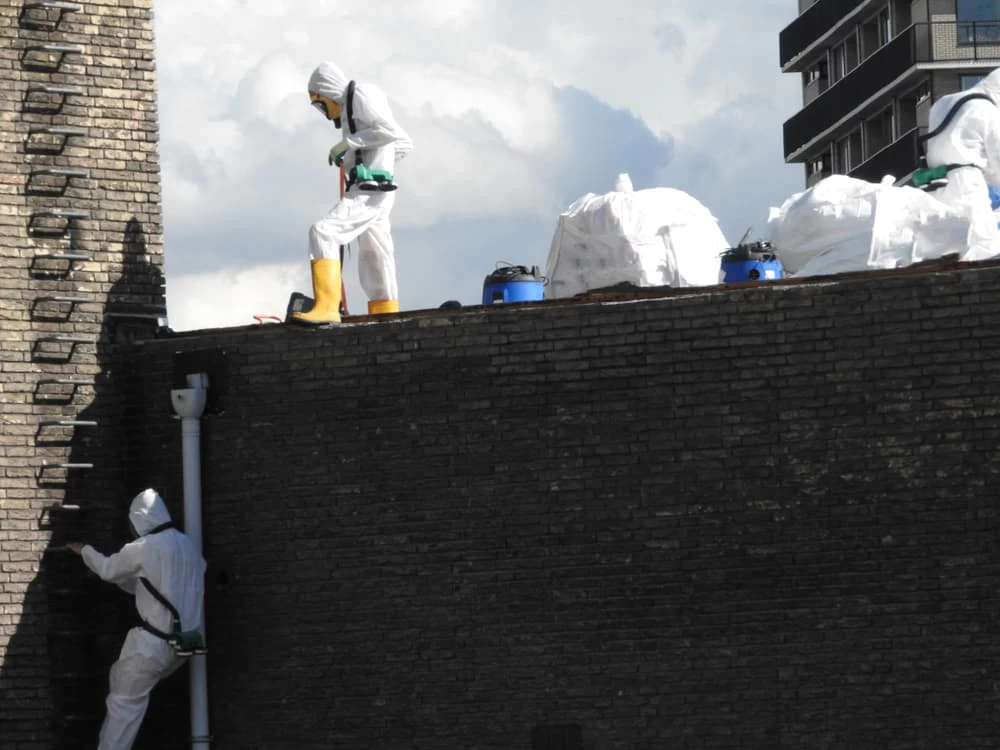
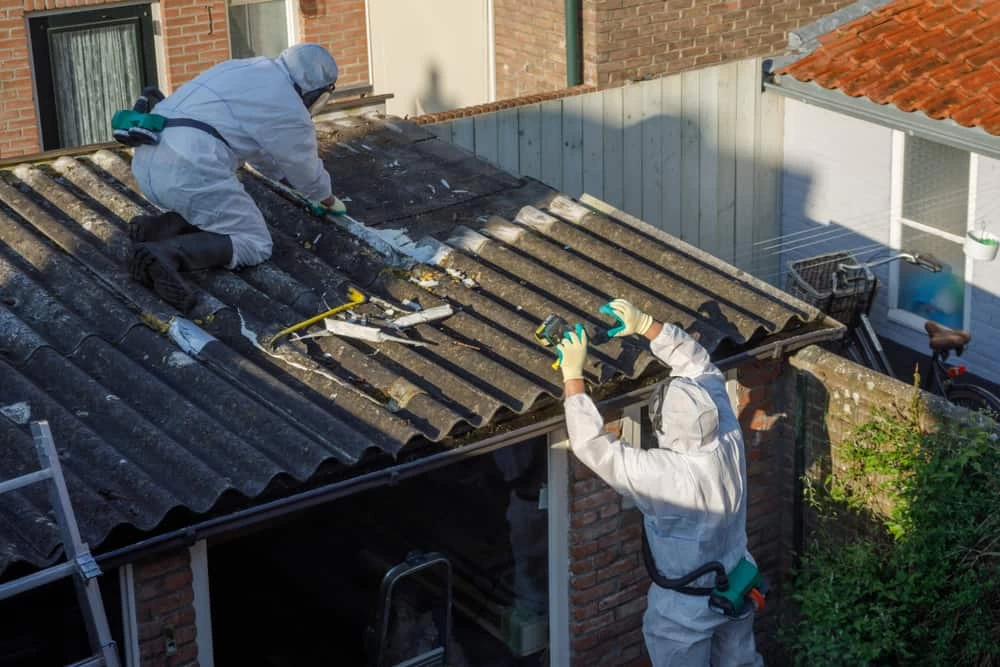
If abatement is needed, the work area gets sealed off using polyethylene sheeting and set up under negative air pressure which means air flows into the containment zone, not out of it. HEPA-filtered air scrubbers run throughout the job. We remove the materials using individually NYS DOL-certified workers, bag them in approved containers, and transport them to a licensed disposal facility in compliance with NYS DEC requirements. Nothing gets left behind, and nothing gets handled by someone who isn’t credentialed to do it.
Once the removal is complete, we conduct post-abatement air clearance testing. That test result becomes your documentation the formal record that the work was done correctly and the space is safe. For Tuckahoe homeowners navigating a renovation permit through the Village Building Department, or preparing for a real estate transaction, that paperwork is often the final piece you need to move forward. We handle the whole sequence in-house, so you’re not coordinating between separate companies or chasing down subcontractors.
Asbestos Tile and Popcorn Ceiling Removal Tuckahoe
Built for the Materials Actually Found in Tuckahoe Homes
The asbestos abatement services we provide in Tuckahoe cover every material type commonly found in the village’s pre-1980 housing stock. That includes 9×9 and 12×12 vinyl asbestos floor tile the kind found in thousands of postwar basements and kitchens throughout the Crestwood area and Parkview Heights. It includes acoustic popcorn ceiling texture, which was standard in homes built through the early 1970s. It includes pipe and duct insulation on steam heating systems, which is especially common in the older multi-family and co-op buildings along the Columbus Avenue corridor. And it includes drywall joint compound, textured wall paint, roofing materials, and exterior siding for homes where the renovation scope goes deeper.
Every project we complete includes containment setup, licensed removal, compliant disposal, and post-abatement air clearance documentation as a standard deliverable not an add-on. If your project involves both asbestos and water damage, we handle both under one roof, which matters for Tuckahoe properties near the Bronx River where flooding has historically reached basements and disturbed materials in exactly the spaces where asbestos is most likely to be present. We handle insurance billing directly with your carrier when applicable, so you’re not stuck in the middle managing that coordination yourself.
Does my Tuckahoe home actually need asbestos testing before I renovate?
If your home was built before 1980, testing before renovation isn’t just a good idea in many cases, it’s required. New York State Industrial Code Rule 56 governs asbestos abatement statewide, and any renovation work that’s likely to disturb asbestos-containing materials requires that those materials be properly identified and addressed by a licensed contractor before the work begins. The Village of Tuckahoe Building Department enforces the NYS Uniform Code, and renovation permits for work in older homes can require documentation that asbestos has been handled appropriately.
Given that over a third of Tuckahoe’s housing was built between the 1940s and 1960s, the odds that your home contains at least one asbestos-containing material floor tile, pipe insulation, ceiling texture, joint compound are genuinely high. Testing before you demo protects your contractor, your family, and your permit status. It also protects you from the cost of remediating a botched disturbance, which is significantly higher than the cost of testing and planned removal upfront.
What materials in my home are most likely to contain asbestos?
In Tuckahoe’s postwar housing stock, the most common locations are vinyl floor tiles particularly the 9×9 inch format that was standard in kitchens, bathrooms, and basements from the 1940s through the early 1970s. The adhesive beneath those tiles often contains asbestos even when the tile itself doesn’t. Pipe and duct insulation on steam heating systems is another high-probability location, especially in older homes and multi-family buildings where the original boiler infrastructure is still in place.
Acoustic ceiling texture the rough, spray-applied finish often called popcorn ceiling was widely used through the mid-1970s and frequently contains asbestos in homes of that era. Drywall joint compound, textured wall paint, and some roofing and siding materials are also common. If the material was applied before 1978 and you’re planning to disturb it, it should be tested before anyone touches it.
Can I remove asbestos myself in New York State?
No not legally, and not safely. New York State requires that asbestos abatement work be performed by contractors and individual workers who hold active NYS Department of Labor certifications. This applies in Tuckahoe the same way it applies everywhere in the state. A homeowner who attempts to remove asbestos-containing materials without a licensed contractor is not only violating state law they’re also creating an exposure risk for themselves, their family, and anyone else in the building, and potentially contaminating areas beyond the original work zone.
Beyond the legal issue, improper removal can make the situation significantly more expensive to fix. If fibers are released into an uncontained space, the remediation scope expands to cover every area they may have reached. The cost of cleaning up a botched DIY removal often exceeds the cost of hiring a licensed contractor to do it correctly the first time by a wide margin. In a village where homes carry significant value, that’s not a risk worth taking.
How does asbestos abatement work in Tuckahoe if I'm also dealing with water damage?
This comes up more than most people expect in Tuckahoe, specifically because of the village’s documented flooding history along the Bronx River. When water reaches a basement or first floor in an older home, it often contacts the exact spaces where asbestos-containing materials are most likely to be present floor tiles, pipe insulation on heating systems, and duct wrap. Water damage that disturbs those materials creates an asbestos exposure event, and the restoration work cannot safely proceed until the asbestos is addressed.
We handle both asbestos abatement and water damage restoration, which means you’re not managing two separate contractors, two separate timelines, and two separate insurance claims on your own. When both issues exist simultaneously which is exactly what flooding in an older Tuckahoe home tends to produce having one licensed team handle the full scope is faster, cleaner, and significantly less stressful. We handle insurance billing directly with your carrier when coverage applies.
How long does asbestos abatement take in a typical Tuckahoe home?
It depends on the scope, but most single-family residential projects in Tuckahoe fall somewhere between one and three days for the removal work itself, followed by post-abatement air clearance testing. Smaller, contained jobs like removing asbestos floor tile in one room, or addressing a section of pipe insulation can often be completed in a single day. Larger projects involving multiple material types across several areas of the home take longer, and multi-family or co-op building projects add coordination time for tenant communication and building management logistics.
The clearance testing happens after removal is complete and the area has been cleaned. Results typically come back within 24 to 48 hours. Once clearance is confirmed, you receive the documentation and the space is released for the next phase of work whether that’s a renovation crew, a real estate inspection, or simply moving back in. If you’re working against a renovation schedule or a real estate closing date, the timeline conversation is one of the first things to cover during the free inspection.
What does post-abatement clearance documentation actually include, and why does it matter in Tuckahoe?
Post-abatement clearance documentation is the formal result of air testing conducted after asbestos removal is complete. It confirms that airborne fiber levels in the treated area fall within the limits established by New York State Industrial Code Rule 56 meaning the space has been tested, not just cleaned, and the results are on record. The documentation includes the air sampling data, the testing methodology, and the certifying information for the licensed professional who conducted it.
In Tuckahoe’s real estate market, where median home values sit above $630,000, this paperwork carries real financial weight. Buyers, their lenders, and their attorneys increasingly ask for it during due diligence and a seller who can hand over a clean clearance report is in a much stronger position than one who can’t. For homeowners who are renovating rather than selling, the documentation is your personal record that the work was done correctly and the space is safe for your family. It’s also what the Village of Tuckahoe Building Department or a future buyer’s inspector may ask to see if questions come up later.