IBM-Era Homes in Lake Katrine Deserve More Than a Guess
If your Ulster home was built during the post-war boom, there’s a real chance asbestos is in it. We provide licensed asbestos abatement in Ulster, NY handling everything from the inspection to the air clearance paperwork, so you’re not left managing any of it alone.
I needed a professional consultation explanation of procedure for safe removal of Asbestos in my apartment complex. Without having an account yet, I was very impressed with the caring, knowledgeable and generous advice offered by Jessica, and will look forward to doing business in the future. Thank you so much! I feel much more informed about a sometimes scary endeavor. Peace. Nancy Silva Mineola, NY.
Mia Munoz
Used this company to clean up some water flood in my house. They were fast and easy to work with.very professional, Would recommend to anyone!
Nini Valle
Great company, had a flood and they responded quickly and efficiently. Billed my insurance company directly. I highly recommend this company!
joe colapietro, jr
I had pipe freeze in my basement right before a snow storm and they made to within an hour to help start the clean up process. They we by our side throughout the entire process and even helped with the insurance company. They did such a great job with the cleanup, repair, remidiation, I contracted them to perform the repairs and finishes in the basement. They came with enough manpower and material to get the job done. Leo and Jessica were nothing but a pleasure to deal with!!
Cristian Arredondo c
I had some water damage in my home and Green Island was able to take care of my issue quickly and effectively. I am very pleased with the work they did. They responded quickly and were very professional.
Michael M
Outstanding service! From the office to the field crew everyone was friendly, helpful and responsive. I highly recommend Green Island Group.
When asbestos is identified and removed by a licensed contractor, the cloud of uncertainty lifts. You can move forward with your renovation, list your home, or simply stop wondering what’s behind the walls. That peace of mind is real, and it’s exactly what proper asbestos abatement delivers.
Ulster’s housing stock tells a specific story. The ranch homes, split-levels, and bi-levels built throughout Lake Katrine in the late 1950s through the 1970s were constructed at the height of asbestos use in American building materials. Floor tiles, pipe insulation, popcorn ceilings, joint compound these materials were standard in every home going up to house IBM workers. Decades later, those same materials are aging, and any renovation, sale, or plumbing emergency can bring them to the surface.
The Hudson Valley’s freeze-thaw winters don’t help. Cold cycles accelerate the deterioration of older pipe insulation and boiler wrap, which are two of the most common asbestos-containing materials found in Ulster’s mid-century homes. When a pipe bursts or insulation starts to break down, what looked like a maintenance issue can quickly become a regulated abatement situation. Knowing you have a licensed team ready to respond one that handles the permits, the air monitoring, and the documentation means you’re not scrambling when it happens.
We hold the NYS DOL Asbestos Handling License the specific credential required under New York State Industrial Code Rule 56 for any asbestos abatement project involving 10 or more square feet or 25 or more linear feet of material. That’s not a general contractor’s license. It’s a separate, verifiable credential that you can look up in the NYS DOL public database before you ever make a call.
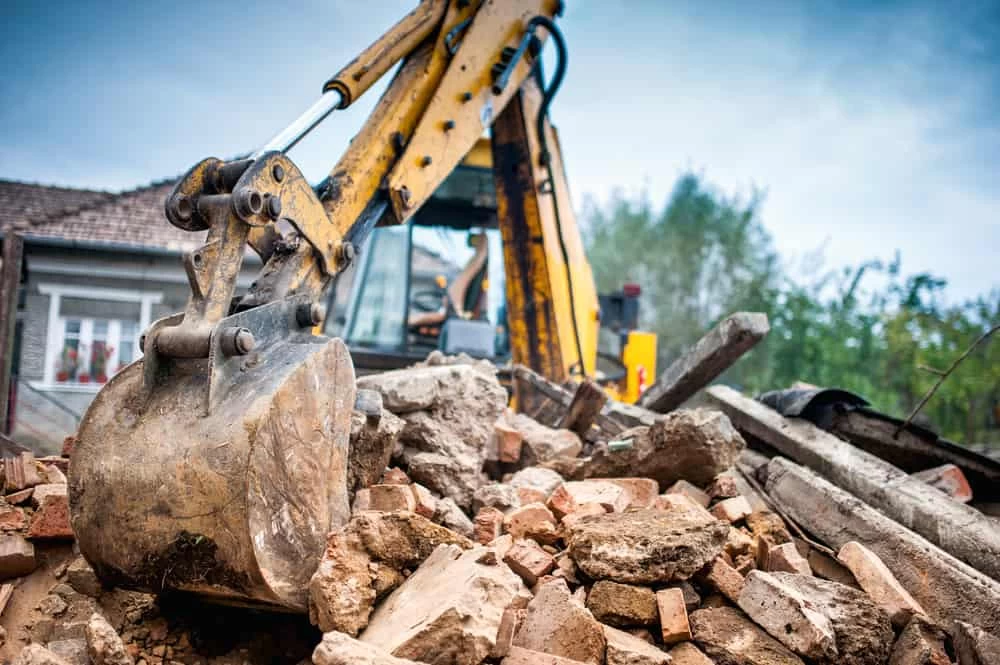
Ulster County has seen firsthand what happens when asbestos work is handled carelessly. The former IBM campus at 300 Enterprise Drive now being redeveloped as iPark 87 became a federal Superfund site after improper demolition left over 7,000 tons of asbestos-contaminated debris sitting on a 258-acre site bordering residential neighborhoods. It took years of EPA enforcement and an estimated $12 million cleanup to resolve. That story isn’t abstract here. It happened in this town.
We also carry IICRC certification, USEPA Lead and RRP credentials, NYS DOL Mold licensing, and NYS MBE, WBE, and MWBE designations. When you hire us, you’re not hoping the paperwork is in order. You’re working with a team that built its reputation on getting it right.
It starts with a consultation and assessment. A licensed inspector evaluates your property, identifies any suspected asbestos-containing materials, and determines the scope of what needs to happen. For Ulster’s IBM-era homes, that often means looking in specific places floor tiles and black mastic adhesive from the 1950s and 1960s, pipe and boiler insulation in the basement, textured acoustic ceilings in living areas. The assessment gives you a clear picture before any work begins.
From there, we handle the permit and notification process on your behalf. Under NYS Industrial Code Rule 56, asbestos abatement projects above the regulated threshold require notification to the NYS DOL before work starts, and the Town of Ulster’s Building Department at 584 East Chester Street issues the necessary local permits for demolition and renovation work. You don’t need to navigate that process yourself we do it as part of every project.
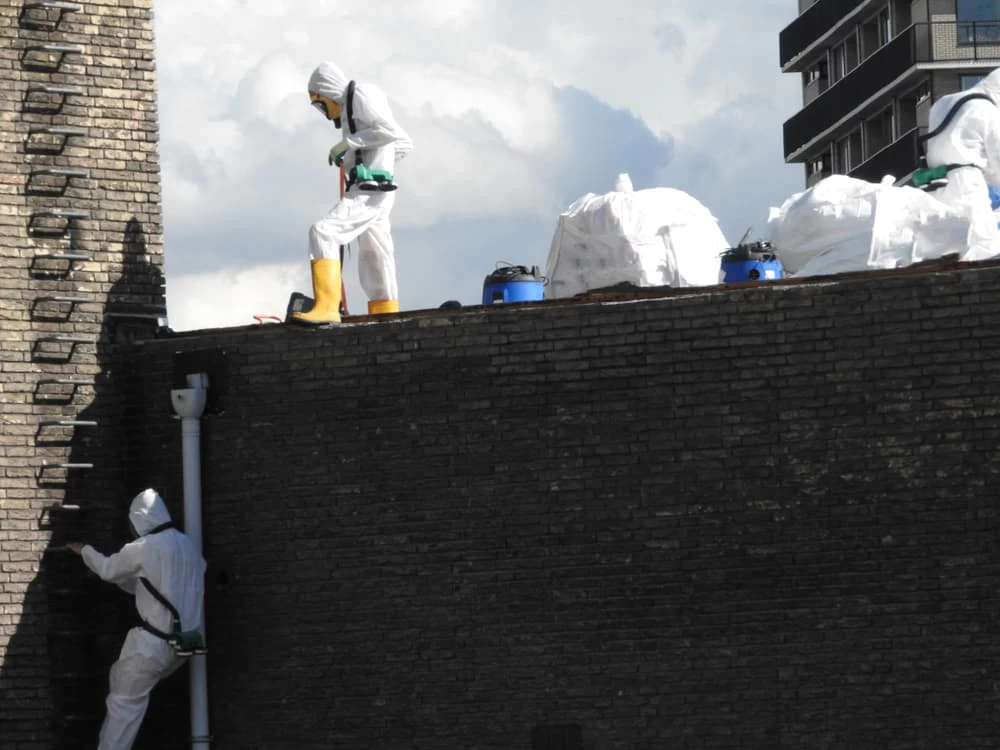
Once permits are in place, the abatement work is performed by certified workers under licensed supervision, with the work area properly contained and sealed. When the removal is complete, post-abatement air clearance monitoring is conducted by qualified personnel. You receive the documented results written proof that the area is clear. That documentation matters for real estate transactions, insurance claims, and your own records, and it’s something every client receives from us as a standard part of the job.
Full-Scope Abatement Built for Ulster's Older Homes
Asbestos abatement in Ulster isn’t a single-material job for most homeowners. The mid-century construction that defines Lake Katrine’s neighborhoods and much of the Town of Ulster’s residential stock typically involves multiple asbestos-containing materials in the same structure. We handle the full range: floor tile and mastic removal, pipe and boiler insulation abatement, popcorn ceiling removal, joint compound remediation, and vermiculite attic insulation removal when present. You don’t need to hire separate contractors for different materials. One licensed team manages the complete scope.
For commercial properties and renovation projects along the Route 9W corridor or at the iPark 87 campus, asbestos surveys are required before demolition or significant renovation work begins under EPA NESHAP regulations. We provide pre-demolition asbestos surveys, full commercial abatement services, and all associated compliance documentation for contractors, property managers, and developers working in the Town of Ulster.
Because asbestos frequently co-occurs with other issues in older properties mold from a slow pipe leak, water damage in a basement, deteriorating building materials after a storm our full-service capability matters. We’re also licensed for mold remediation, water damage restoration, fire damage restoration, and demolition. If your project involves more than asbestos alone, you won’t need to coordinate between multiple vendors. We handle it under one roof, with direct insurance billing available when the work is part of a covered claim.
How do I know if my Lake Katrine home actually contains asbestos?
The most reliable way to know is through a professional inspection and material sampling by a licensed inspector. Visual identification alone isn’t enough asbestos-containing materials often look identical to their non-asbestos counterparts, and the only way to confirm is laboratory testing of a collected sample.
That said, the age of your Ulster home is a strong indicator. If your Lake Katrine home was built between the late 1950s and 1980 which covers the majority of the IBM-era housing stock in the Town of Ulster there’s a meaningful probability that asbestos-containing materials are present somewhere in the structure. The most common locations are 9×9 inch vinyl floor tiles and the black mastic adhesive beneath them, pipe and boiler insulation in the basement, textured acoustic ceilings, and drywall joint compound. Vermiculite attic insulation is also worth checking in homes from this era. A licensed inspection gives you a definitive answer and a clear path forward, whether abatement is needed or not.
What happens if I disturb asbestos during a renovation without knowing it's there?
If you disturb asbestos-containing material during a renovation cutting into floor tiles, sanding joint compound, knocking out a ceiling the fibers can become airborne. Once airborne, they’re invisible and odorless, which is what makes them dangerous. Exposure to airborne asbestos fibers is linked to mesothelioma, asbestosis, and asbestos-related lung cancer, and those conditions can take decades to develop after the exposure.
From a regulatory standpoint, disturbing asbestos-containing material in amounts above the threshold defined under NYS Industrial Code Rule 56 10 square feet or 25 linear feet without licensed abatement is a violation. If you’ve already disturbed material you suspect contained asbestos, the right move is to stop work immediately, limit access to the area, and call a licensed contractor for an assessment. We can evaluate the situation, determine whether regulated quantities were disturbed, and advise on next steps including whether a formal abatement and air clearance is required before work resumes.
Does asbestos abatement in Ulster, NY require a permit, and who handles that?
Yes, in most cases it does. Under New York State Industrial Code Rule 56, any asbestos abatement project involving 10 or more square feet or 25 or more linear feet of asbestos-containing material requires prior notification to the NYS Department of Labor before work begins. Project records must be maintained for 30 years. For renovation and demolition work, the Town of Ulster’s Building Department located at 584 East Chester Street By-Pass in Kingston issues local building and demolition permits that are required before work commences.
We manage this entire process on behalf of every client. We prepare and submit the NYS DOL notification, coordinate with the Town of Ulster Building Department on permit applications, and ensure all documentation is in order before the first day of work. For most homeowners in Ulster, navigating multiple agencies simultaneously while also managing a renovation or a real estate transaction is a significant burden. We take that off your plate entirely. You’ll know exactly where the project stands at every step, without having to track down agencies or fill out forms yourself.
How much does asbestos abatement typically cost for a home in Ulster County?
The range is wide because the scope varies significantly from one property to the next. A single-room floor tile removal in a Lake Katrine ranch might run $1,500 to $3,000. A more comprehensive project involving pipe insulation, a popcorn ceiling, and floor tiles throughout a mid-century split-level could reach $8,000 to $15,000 or more. Large-scale commercial or pre-demolition abatement projects can run considerably higher.
A few factors specific to Ulster County affect cost. New York State’s mandatory post-abatement air monitoring requirement adds to the total, but it’s also non-negotiable it’s part of doing the job correctly and legally. Permit and notification fees are part of the process. And because Ulster’s IBM-era homes often have multiple asbestos-containing materials in the same structure, the initial assessment sometimes reveals a broader scope than the homeowner expected. The good news is that asbestos abatement costs have risen 8 to 12 percent in recent years, which means getting a current assessment sooner rather than later is in your financial interest. We offer free consultations so you know what you’re dealing with before committing to anything.
Do I have to leave my home during asbestos removal in Ulster, NY?
It depends on the scope and location of the work. For contained, smaller projects like a single room of floor tile removal it’s sometimes possible to remain in other parts of the home while work is underway, provided the abatement area is properly sealed and negative air pressure is maintained. For larger projects involving multiple areas, or work in central systems like HVAC-adjacent insulation, temporary displacement is typically the safer and more practical option.
Your licensed contractor will walk you through what’s necessary for your specific project during the assessment phase. We provide that guidance clearly and upfront, so you can make arrangements without any last-minute surprises. For Ulster homeowners dealing with an insurance-covered event a burst pipe that exposed asbestos-wrapped insulation, for example, which is a common winter scenario in Hudson Valley homes temporary displacement costs may be part of the covered claim. We bill insurance directly, which removes the administrative burden from you during what’s already a disruptive situation.
How do I verify that an asbestos contractor in New York is actually licensed?
The NYS Department of Labor maintains a public database of licensed asbestos contractors, and you can search it directly on the DOL’s website before hiring anyone. What you’re looking for is an Asbestos Handling License a specific credential separate from a general contractor’s license. A general contractor’s license does not authorize asbestos abatement work in New York State. If a contractor can’t provide their NYS DOL Asbestos Handling License number, or if their name doesn’t appear in the DOL database, that’s a clear signal to walk away.
This matters more in Ulster than almost anywhere else in the county. The Superfund case at the former IBM campus where improper asbestos demolition by an unlicensed or negligent operator created years of contamination and an estimated $12 million cleanup is a local story that residents here know. That situation didn’t happen because of bad luck. It happened because proper licensing and oversight weren’t in place. Our NYS DOL Asbestos Handling License is verifiable, current, and the foundation of every project we take on in Ulster County.