When Your 1920s Tudor Has More Than Character Inside
University Gardens homes are built to last — but what’s inside the walls of a 100-year-old North Shore colonial may be working against you. We provide certified asbestos abatement in University Gardens, NY, with full documentation from inspection to clearance.
I needed a professional consultation explanation of procedure for safe removal of Asbestos in my apartment complex. Without having an account yet, I was very impressed with the caring, knowledgeable and generous advice offered by Jessica, and will look forward to doing business in the future. Thank you so much! I feel much more informed about a sometimes scary endeavor. Peace. Nancy Silva Mineola, NY.
Mia Munoz
Used this company to clean up some water flood in my house. They were fast and easy to work with.very professional, Would recommend to anyone!
Nini Valle
Great company, had a flood and they responded quickly and efficiently. Billed my insurance company directly. I highly recommend this company!
joe colapietro, jr
I had pipe freeze in my basement right before a snow storm and they made to within an hour to help start the clean up process. They we by our side throughout the entire process and even helped with the insurance company. They did such a great job with the cleanup, repair, remidiation, I contracted them to perform the repairs and finishes in the basement. They came with enough manpower and material to get the job done. Leo and Jessica were nothing but a pleasure to deal with!!
Cristian Arredondo c
I had some water damage in my home and Green Island was able to take care of my issue quickly and effectively. I am very pleased with the work they did. They responded quickly and were very professional.
Michael M
Outstanding service! From the office to the field crew everyone was friendly, helpful and responsive. I highly recommend Green Island Group.
Your Home Gets Cleared. Your Deal Doesn't Fall Apart.
Asbestos doesn’t announce itself. It’s in the floor tiles under the kitchen linoleum, in the pipe insulation wrapping the basement boiler, in the textured ceiling of a 1950s Great Neck Terrace apartment that hasn’t been touched since it was built. You don’t find it until you’re mid-renovation — or worse, mid-sale.
That’s where things get complicated fast. Buyers in this market are informed. Lenders on properties with known asbestos-containing materials sometimes require abatement before funding. And when your home in University Gardens is worth close to $870,000, a stalled deal or a botched removal isn’t just inconvenient — it’s a serious financial problem.
University Gardens has one of the oldest housing stocks in Nassau County. The original subdivision dates to 1927. The Waverly Hills section went up in the 1940s. Great Neck Terrace was constructed in the 1950s. Every one of those eras falls squarely within the window of heaviest asbestos use in American construction. What that means practically is that if you own a home here and you haven’t had it professionally assessed, there’s a real chance asbestos-containing materials are somewhere in that structure — and Long Island’s freeze-thaw winters don’t help, because older insulation and duct materials crack and become friable over time. Getting ahead of it protects your family, your renovation timeline, and the investment you’ve made in this community.
Licensed Asbestos Contractor Serving Nassau County
We Know University Gardens. We've Built Our Practice Here.
We are a Long Island–based environmental remediation firm. Asbestos abatement isn’t a side service we tack onto a restoration job — it’s what we do. Every project is handled by NYS-licensed supervisors and certified workers, fully compliant with Industrial Code Rule 56 and the documentation standards the Town of North Hempstead’s Building Department expects.
We’ve worked throughout University Gardens and the surrounding North Shore communities, and we understand what’s inside these homes. The pre-war Tudors along the original University Gardens subdivision, the architect-designed colonials in Waverly Hills, the mid-century garden apartments at Great Neck Terrace — these aren’t generic structures, and they don’t get treated like they are. We work carefully, document everything, and leave you with a clearance package that holds up to scrutiny from inspectors, attorneys, and lenders alike.
If you’re also navigating UGPOA board approval alongside a Town of North Hempstead building permit, we can walk you through what documentation you’ll need at each step. That kind of local familiarity isn’t something you get from a national franchise with a local phone number.
Asbestos Remediation Process in University Gardens, NY
No Guesswork. Here's What the Process Actually Looks Like.
It starts with an inspection. A certified inspector collects material samples from suspected areas — floor tiles, ceiling materials, pipe insulation, duct wrap, plaster compounds — and sends them to an accredited lab. You get a clear answer about what’s present, where it is, and what level of risk it poses. From there, you make an informed decision, not a panicked one.
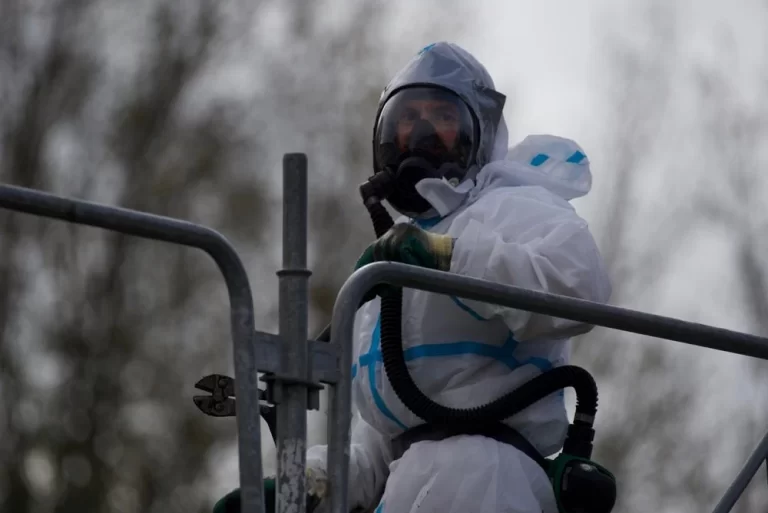
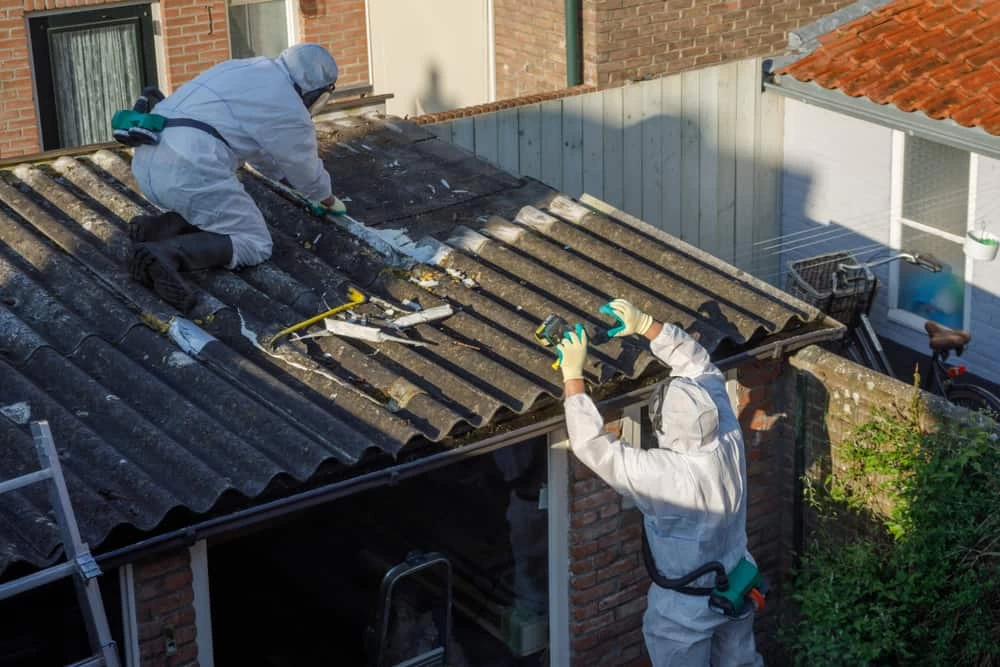
If abatement is required, we file project notification with the NYS Department of Labor’s Asbestos Control Bureau before any work begins — that’s a legal requirement under Code Rule 56, and it’s non-negotiable. We set up proper containment, negative air pressure, and HEPA filtration in the work area. Certified workers remove the materials, bag them in compliance with regulated disposal requirements, and transport them to a licensed disposal facility. An independent air monitoring firm — separate from us — collects air samples throughout the project and after completion.
Once the air clears and the independent monitor issues a clean result, you receive a full documentation package: the project notification filing, air monitoring data, clearance certificate, and disposal manifests. That’s what your real estate attorney, your lender, your building inspector, and — if applicable — the UGPOA board review process will want to see. We don’t hand you a verbal assurance. We hand you a paper trail.
Asbestos Tile and Popcorn Ceiling Removal, Nassau County
What We Handle for University Gardens Homeowners
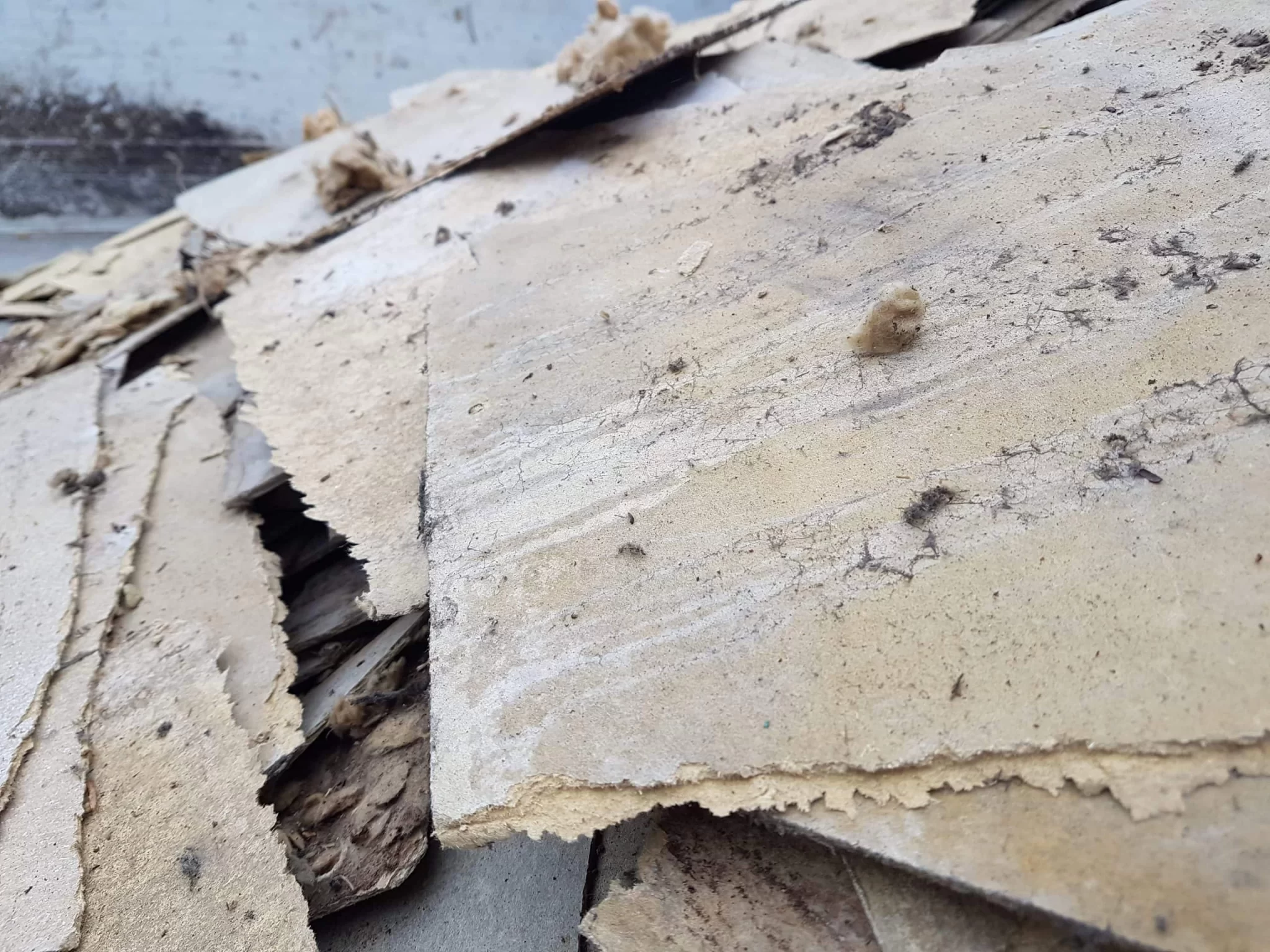
Asbestos abatement in University Gardens typically covers a few common material types, depending on when your home was built and what renovations have already been done. Vinyl asbestos tiles — the 9×9 or 12×12 squares common in 1940s and 1950s kitchens, basements, and utility rooms — are one of the most frequent removal requests we handle from homes in this area. If you’re pulling up old flooring before a renovation, don’t do it without testing first.
Popcorn ceiling removal is another common project, particularly in the mid-century homes and Great Neck Terrace apartments that make up a significant portion of the University Gardens housing stock. Textured ceiling compounds applied before the mid-1980s regularly contained asbestos, and disturbing them without proper containment can contaminate an entire living space. We handle the full scope: containment setup, material removal, regulated disposal, and independent air clearance.
Beyond tiles and ceilings, we also handle pipe insulation, duct wrap, and other building components common in pre-1980 construction. Every project includes NYS DOL notification, certified abatement, independent air monitoring, and a complete clearance documentation package. If your project requires a Town of North Hempstead building permit — which most renovation work in University Gardens does — our documentation is formatted to satisfy what the Building Department needs to keep your permit process moving.
Does asbestos abatement in University Gardens require a permit from North Hempstead?
Asbestos abatement itself is regulated at the state level under NYS Industrial Code Rule 56, which requires your contractor to file a project notification with the NYS Department of Labor’s Asbestos Control Bureau before work begins. That notification isn’t optional — it’s a legal requirement, and any licensed contractor should be handling it automatically.
Where the Town of North Hempstead comes in is on the renovation side. If the abatement is part of a larger project — a gut renovation, a kitchen remodel, a basement conversion — that broader scope of work typically requires a building permit from the Town. The abatement documentation we provide, including air monitoring results and clearance certification, is what the Building Department will want to see before signing off on the renovation work. If you’re in the core University Gardens subdivision, you’ll also want to check with the UGPOA board about whether your renovation plans require their review under the community’s Declaration of Restrictions, which has been in place since 1927. We can walk you through what documentation is needed at each stage.
How do I know if my University Gardens home actually contains asbestos?
The only way to know for certain is to have suspect materials professionally sampled and tested by an accredited laboratory. Visual inspection alone isn’t enough — asbestos fibers are microscopic, and even experienced contractors can’t identify ACM by looking at it. What you can do is use age as a rough guide: if your home was built before 1980, there’s a meaningful probability that some building materials contain asbestos.
In University Gardens specifically, that covers the overwhelming majority of the housing stock. The original subdivision homes date to 1927, Waverly Hills was developed in the 1940s, and Great Neck Terrace was built in the 1950s. Common locations to check include basement floor tiles, pipe and boiler insulation, duct wrap, ceiling texture, and any original plaster or drywall compound. If you’re planning a renovation — even something as routine as pulling up old flooring or opening a wall — testing before you start is the right move. Disturbing asbestos-containing material without proper containment is a health risk and a regulatory violation.
What does asbestos abatement typically cost for a Nassau County home?
Cost depends on several factors: the type of material being removed, the quantity, the location within the structure, and the complexity of the containment setup required. A straightforward vinyl asbestos tile removal in a basement might run a few hundred dollars for a small area. A more involved project — full pipe insulation removal, popcorn ceiling abatement across multiple rooms, or work in a multi-unit building like Great Neck Terrace — can run into several thousand dollars.
What’s important to understand is that in New York State, there are mandatory cost components that apply to every legitimate abatement project regardless of size. NYS DOL project notification, independent air monitoring by a third-party firm, and certified regulated disposal are all required by Code Rule 56. Any quote that doesn’t include these line items isn’t a complete picture of what the project will actually cost. Be cautious of unusually low bids — they often exclude the regulatory requirements that protect you legally and make your clearance documentation valid. We provide itemized written estimates so you know exactly what you’re paying for before anything starts.
Is asbestos abatement required before selling a home in University Gardens, NY?
New York State doesn’t have a blanket law requiring asbestos abatement before a home sale, but that doesn’t mean it’s a non-issue. Sellers are generally required to disclose known environmental hazards, and asbestos is one of them. If a buyer’s inspection turns up suspected ACM, you’re likely looking at a negotiation — and in a market where University Gardens homes routinely sell for $800,000 or more, that negotiation can get expensive fast.
Increasingly, buyers in Nassau County’s North Shore communities request asbestos inspections as part of their due diligence, and lenders on properties with documented asbestos-containing materials sometimes require abatement before they’ll fund the loan. Getting abatement done before listing — with a full clearance certificate in hand — removes that uncertainty from the transaction entirely. It also gives buyers and their attorneys something concrete to review, which tends to move deals forward rather than stall them. If you’re preparing to list a home in University Gardens, having documentation that the property has been professionally assessed and cleared is a genuine selling advantage.
Can I remove asbestos floor tiles myself in my University Gardens home?
No — and this is one of the most important things to understand before starting any renovation in a pre-1980 home. Under New York State Industrial Code Rule 56, asbestos abatement must be performed by a licensed contractor with certified supervisors and workers. DIY removal isn’t a legal option in New York, regardless of the size of the project or the type of material involved.
Beyond the legal issue, the practical risk is significant. Vinyl asbestos tiles that are intact and undisturbed are generally considered low risk. But cutting, breaking, scraping, or grinding them — which is exactly what happens when you try to pull up old floor tiles — releases asbestos fibers into the air. Once those fibers are airborne, they can settle throughout the living space and remain a hazard long after the work is done. The cost of doing it wrong — contaminated living space, regulatory violations, and potential liability if you’re selling the home — is far higher than the cost of having it done correctly by a licensed contractor who can give you a clean clearance certificate when the work is finished.
Does Green Island Group handle asbestos abatement in co-op apartments like Great Neck Terrace?
Yes. Multi-family and co-op abatement is a meaningful part of what we do, and Great Neck Terrace is exactly the kind of property where it comes up regularly. The complex was built in the 1950s across 53 buildings and 648 units — all constructed during an era when asbestos was standard in floor tiles, ceiling materials, pipe insulation, and duct systems. Any unit renovation, infrastructure upgrade, or building systems project in that complex has the potential to disturb asbestos-containing materials.
Multi-unit abatement has its own set of coordination requirements. Tenant notification, containment in shared-wall structures, maintaining building operations during active work, and phased scheduling across multiple units all require planning that goes beyond a single-family job. We’ve handled projects in buildings with these characteristics throughout Nassau County and understand what building boards, property managers, and individual unit owners need from a contractor — including the documentation that satisfies co-op board requirements and the NYS DOL’s oversight process. If you’re a unit owner, a board member, or a property manager at Great Neck Terrace or a similar complex in the area, we’re set up to handle the scope.