If your home was built during the Gross-Morton era, asbestos isn’t a maybe it’s a real possibility. We remove it the right way, with the NYC DEP documentation to prove it.
I needed a professional consultation explanation of procedure for safe removal of Asbestos in my apartment complex. Without having an account yet, I was very impressed with the caring, knowledgeable and generous advice offered by Jessica, and will look forward to doing business in the future. Thank you so much! I feel much more informed about a sometimes scary endeavor. Peace. Nancy Silva Mineola, NY.
Mia Munoz
Used this company to clean up some water flood in my house. They were fast and easy to work with.very professional, Would recommend to anyone!
Nini Valle
Great company, had a flood and they responded quickly and efficiently. Billed my insurance company directly. I highly recommend this company!
joe colapietro, jr
I had pipe freeze in my basement right before a snow storm and they made to within an hour to help start the clean up process. They we by our side throughout the entire process and even helped with the insurance company. They did such a great job with the cleanup, repair, remidiation, I contracted them to perform the repairs and finishes in the basement. They came with enough manpower and material to get the job done. Leo and Jessica were nothing but a pleasure to deal with!!
Cristian Arredondo c
I had some water damage in my home and Green Island was able to take care of my issue quickly and effectively. I am very pleased with the work they did. They responded quickly and were very professional.
Michael M
Outstanding service! From the office to the field crew everyone was friendly, helpful and responsive. I highly recommend Green Island Group.
You stop wondering. That’s the part nobody talks about the low-grade anxiety that comes with knowing your home might have a problem you haven’t dealt with yet. Once the work is done and the clearance certificate is in your hands, that weight lifts. You can renovate, sell, or simply live in your home without that question hanging over you.
In Utopia, that question is more common than most homeowners realize. The colonial and Cape Cod-style homes developed here between 1940 and 1955 were built with the materials of their era floor tiles, pipe insulation, ceiling coatings, and boiler wrap that routinely contained asbestos. At 70 to 85 years old, those materials don’t always stay stable. A kitchen remodel, a pipe replacement, or a pre-sale inspection can surface something that’s been sitting undisturbed for decades.
With a median home value pushing $1.27 million, getting this wrong isn’t just a health issue it’s a financial one. A properly documented abatement protects your sale, satisfies your buyer’s inspector, and gives your real estate attorney exactly what they need to close without complications. That’s what a clean clearance report actually does for you.
We’re not a general contractor that dabbles in environmental work. Green Island Group is a fully certified asbestos abatement operation NYS DOL Asbestos licensed, NYC DEP compliant, NYC BIC certified, and holding a NYC General Contractor license that lets us pull permits and file the ACP-5 and ACP-21 forms that every Utopia renovation legally requires before a DOB permit is issued.
We also carry USEPA Lead and RRP certifications, which matters in a neighborhood where virtually every home predates 1978. Asbestos and lead paint tend to coexist in this era of construction, and having one contractor handle both under one contract, one inspection, one clearance process saves you the headache of coordinating two separate regulatory tracks.
Queens Community District 8 is a core part of our service area. From homes backing up to Cunningham Park to properties along the Union Turnpike corridor, we’ve worked in this housing stock before. We know what to expect in Utopia, and we know how to handle it.
It starts with an inspection. A certified asbestos investigator assesses your home and identifies any suspected asbestos-containing materials floor tiles, pipe insulation, ceiling texture, roofing, HVAC wrap, whatever applies to your specific property. Samples are collected and tested. If regulated materials are confirmed, you’ll know exactly what you’re dealing with before anything else happens.
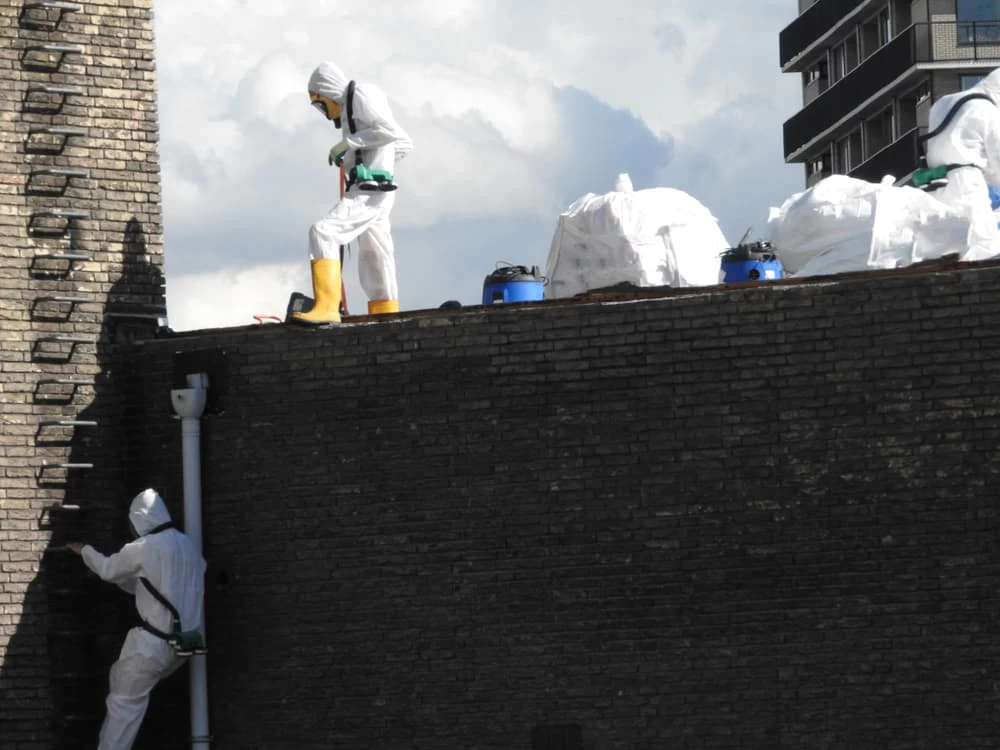
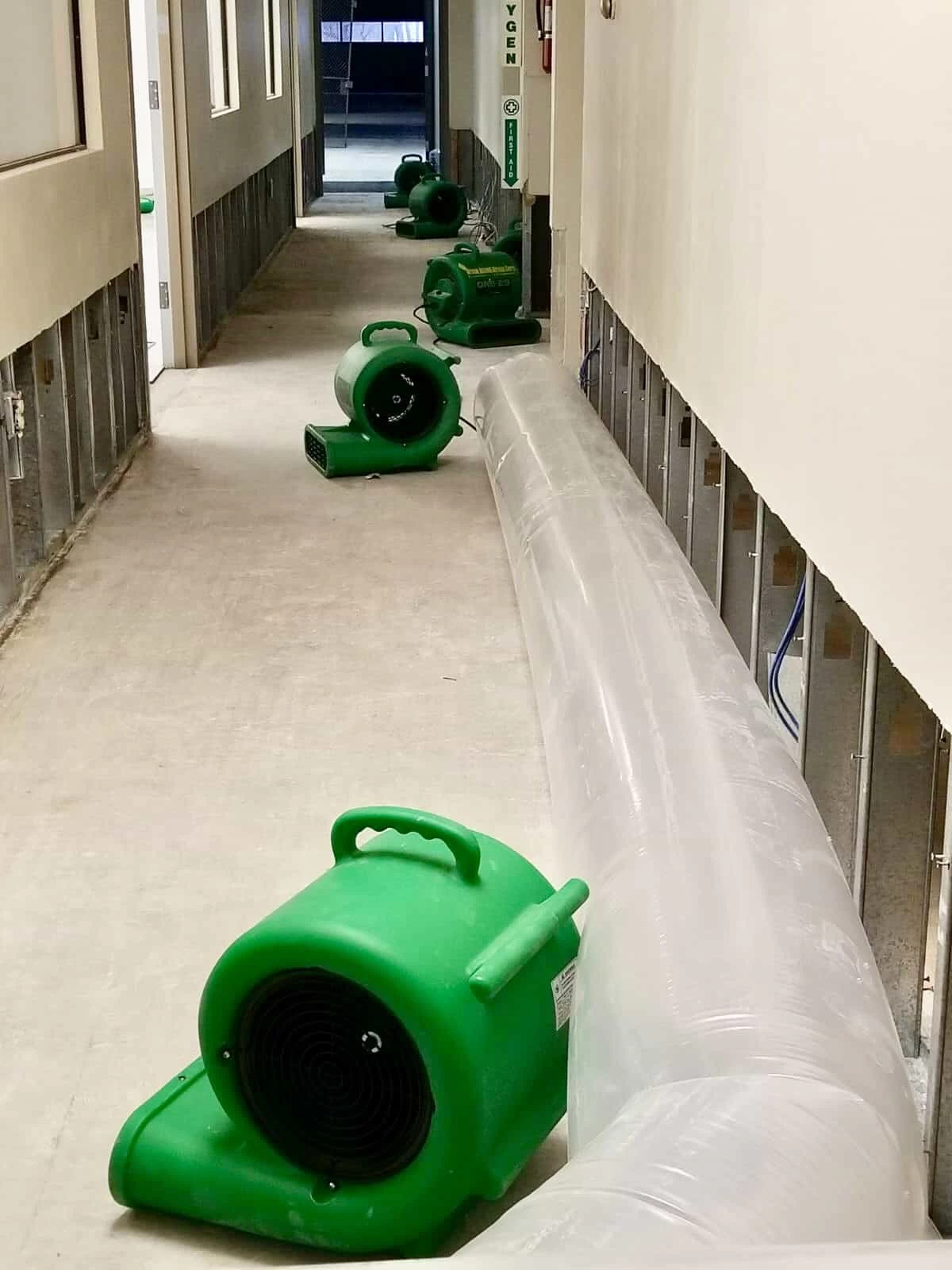
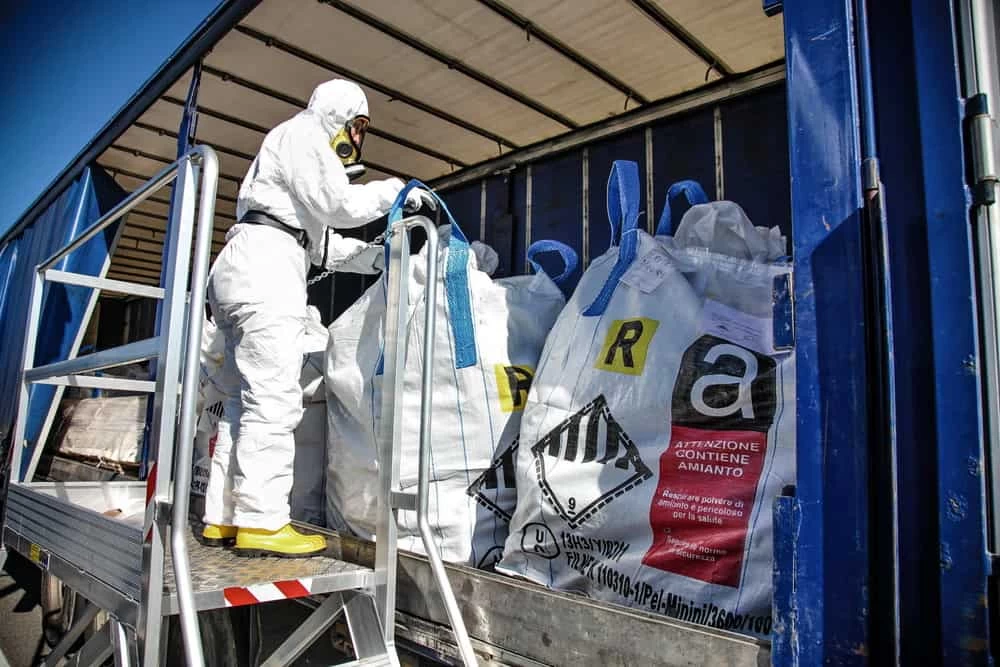
From there, the abatement scope is defined and the required NYC DEP notifications are filed. In New York City, regulated abatement work requires advance notice to the DEP before any materials are disturbed this is not something you skip, and it’s not something every contractor handles correctly. We manage that process for you. Once approvals are in place, the work area is sealed and contained, Microtrap air scrubbers run continuously throughout removal, and all regulated materials are packaged and disposed of according to state and federal requirements.
Before the job is closed out, post-removal air clearance testing is conducted by a third-party or certified professional to confirm that fiber levels meet regulatory standards. You receive a written clearance report not just a contractor’s word that the space is clean. If reconstruction is needed after removal, we handle that under the same roof. You don’t start over with a new contractor.
The asbestos abatement services we provide in Utopia are built around what’s actually in these homes not a generic checklist. The 9×9 vinyl asbestos floor tiles common to 1940s and 1950s colonial construction. The boiler and pipe wrap insulation in aging basement mechanical systems. The textured ceiling coatings applied during the mid-century era that show up the moment someone decides to renovate. These are the materials that appear in Utopia homes, and they require specific handling protocols under NYS DOL Code Rule 56 and NYC DEP regulations.
The full scope of services we offer includes asbestos inspection and testing, licensed abatement and removal, asbestos encapsulation where appropriate, asbestos tile removal, popcorn ceiling asbestos removal, post-removal air quality verification, clearance documentation, and reconstruction. Every project includes Microtrap air scrubbers running throughout the removal phase. Every project closes with documented clearance not an assumption.
For Utopia homeowners dealing with a water damage event that exposed pipe insulation, or a renovation that was halted mid-project, we also handle the multi-hazard scenario: asbestos and lead abatement together, water damage remediation, and full restoration under one contractor. When your insurance is involved, we bill directly. You don’t chase reimbursements.
Do I need an asbestos inspection before renovating my Utopia home?
If your home was built before 1987 which covers virtually every property in Utopia the answer is yes, and it’s not optional. New York City requires that a DEP-Certified Asbestos Investigator complete an ACP-5 Asbestos Assessment Report before the NYC Department of Buildings will issue a renovation or demolition permit. Without it, your permit application gets blocked, and your project doesn’t move forward.
This applies to kitchen remodels, bathroom renovations, basement finishing, HVAC replacements, roof work essentially any project that requires a DOB permit in a pre-1987 building. The Gross-Morton-era homes that make up Utopia’s housing stock fall squarely within this window. Getting the inspection done first isn’t just about compliance it tells you what you’re working with before your contractor accidentally disturbs something that should have been handled by a licensed abatement team.
How do I know if my older Utopia home actually contains asbestos?
You can’t tell by looking. Asbestos was mixed into dozens of building materials that look completely ordinary the 9×9 floor tiles common in 1940s and 1950s colonial homes, the insulation wrapped around basement pipes and boilers, the texture on ceilings, the adhesive under flooring, the joint compound in drywall. None of it announces itself visually. The only way to know is to have samples collected by a certified asbestos investigator and tested in an accredited laboratory.
In Utopia specifically, the uniformity of the housing stock actually makes this more predictable, not less. Because nearly the entire neighborhood was developed by the Gross-Morton Park Corporation in a tight window between 1940 and 1955, the materials used across these homes are consistent. If one colonial on 179th Street has asbestos floor tiles, the odds are strong that similarly constructed homes nearby do too. That doesn’t mean panic it means get it assessed properly before you start tearing anything out.
What is the ACP-5 form and why does my contractor keep mentioning it?
The ACP-5 is an Asbestos Assessment Report required by the NYC Department of Environmental Protection before any renovation or demolition permit is issued for a pre-1987 building in New York City. It has to be completed by a DEP-Certified Asbestos Investigator not just any contractor, and not the homeowner. The form documents whether asbestos-containing materials are present, whether they’ll be disturbed by the planned work, and whether the project qualifies as a minor project or requires full licensed abatement.
If your general contractor is bringing this up, it’s because they can’t legally proceed without it and neither can the DOB permit. Once abatement is completed, a separate form called the ACP-21 gets filed with the DEP to confirm the work is done. We handle both forms as part of the abatement process. For Utopia homeowners who didn’t know any of this existed until a contractor mentioned it mid-renovation, that’s completely normal and it’s exactly the kind of regulatory detail that gets missed when you hire someone who doesn’t regularly work inside New York City.
What types of asbestos materials are most common in Utopia, NY homes?
Given that Utopia’s housing stock was built almost entirely between 1940 and 1955, the most commonly encountered asbestos-containing materials fall into a predictable set. Vinyl asbestos floor tiles particularly the 9×9 inch format were standard in mid-century colonial and Cape Cod construction and show up frequently in kitchens, basements, and entry areas. Pipe and boiler insulation is another common finding, especially in homes that still have original heating systems or have had partial mechanical updates over the decades.
Textured ceiling coatings, sometimes called popcorn ceilings, were applied through the 1970s and often contain asbestos in homes of this era. Drywall joint compound, roofing materials, and HVAC duct insulation are also worth assessing in a thorough inspection. The important thing to understand is that most of these materials are only hazardous when they’re disturbed sanding, cutting, demolition, or deterioration from age or water damage. An undisturbed floor tile that’s in good condition is a very different situation from the same tile being ripped out during a renovation without proper containment.
How long does asbestos abatement take, and can I stay in my home during the process?
The timeline depends on the scope how much material is involved, where it’s located, and how complex the containment setup needs to be. A single-room floor tile removal in a Utopia Cape Cod might be completed in one to two days. A more involved project involving pipe insulation, ceiling materials, and multiple areas of the home could run several days to a week or more. The regulatory filing requirements in New York City also add lead time: certain projects require advance notification to the NYC DEP before work begins, which needs to be factored into your overall project schedule.
As for staying in the home it depends on the work area and the containment setup. In many cases, the abatement zone is fully sealed and isolated, and residents can remain in unaffected parts of the home. In others, particularly when the HVAC system is involved or the work area is central to the home’s living space, temporary relocation during active removal is the safer choice. We’ll give you a straight answer on this during the assessment phase, based on your specific home not a blanket policy that applies regardless of the situation.
What happens if asbestos is found during a home inspection before selling in Utopia?
It’s more common than most sellers expect, especially in a neighborhood where the entire housing stock is 70 to 85 years old. When asbestos shows up in a pre-sale inspection in Utopia, you typically have a few options: remediate before closing, negotiate a price adjustment with the buyer, or provide a disclosure and let the buyer decide. In a market where Utopia homes are selling at or above $1.27 million, most buyers and their attorneys are going to want documented abatement not just a disclosure before they proceed.
The practical reality is that addressing it before listing gives you more control. You choose the contractor, you manage the timeline, and you have a clearance certificate ready to hand over at the first sign of buyer concern. Waiting until a buyer’s inspector finds it puts you in a reactive position with a closing deadline bearing down. We’ve worked through exactly this scenario with Utopia homeowners we understand the real estate timeline, the documentation your attorney needs, and how to move efficiently when the clock is running.