Your Valley Pond Estates Home Deserves a Clean Bill of Health
If your Valley Pond Estates home was built before 1985, there’s a real chance asbestos is somewhere in it and a renovation, a pipe burst, or a pre-sale inspection could bring that to the surface fast. We handle asbestos abatement from first inspection to final clearance, with no subcontractors and no loose ends.
I needed a professional consultation explanation of procedure for safe removal of Asbestos in my apartment complex. Without having an account yet, I was very impressed with the caring, knowledgeable and generous advice offered by Jessica, and will look forward to doing business in the future. Thank you so much! I feel much more informed about a sometimes scary endeavor. Peace. Nancy Silva Mineola, NY.
Mia Munoz
Used this company to clean up some water flood in my house. They were fast and easy to work with.very professional, Would recommend to anyone!
Nini Valle
Great company, had a flood and they responded quickly and efficiently. Billed my insurance company directly. I highly recommend this company!
joe colapietro, jr
I had pipe freeze in my basement right before a snow storm and they made to within an hour to help start the clean up process. They we by our side throughout the entire process and even helped with the insurance company. They did such a great job with the cleanup, repair, remidiation, I contracted them to perform the repairs and finishes in the basement. They came with enough manpower and material to get the job done. Leo and Jessica were nothing but a pleasure to deal with!!
Cristian Arredondo c
I had some water damage in my home and Green Island was able to take care of my issue quickly and effectively. I am very pleased with the work they did. They responded quickly and were very professional.
Michael M
Outstanding service! From the office to the field crew everyone was friendly, helpful and responsive. I highly recommend Green Island Group.
Most homeowners in Valley Pond Estates don’t think about asbestos until something forces the issue a contractor flags a tile, a pipe bursts in January, or a buyer’s attorney starts asking questions before closing. When that moment comes, what you want is a clear answer and a clear path forward. That’s what professional asbestos abatement actually delivers: not just material removal, but the documentation that proves your home is safe and legally compliant.
The Town of Somers has three distinct waves of residential construction post-WWII homes, properties built during the I-684 development surge of the 1970s, and the IBM and PepsiCo-era builds of the early 1980s. Valley Pond Estates homes fall across all three periods, and each era brought its own set of materials: vinyl floor tiles, acoustic ceiling texture, pipe insulation, boiler wrap. If your home falls anywhere in that range, a licensed inspection before any renovation isn’t optional under New York State law it’s required. Getting it done correctly the first time protects your family, protects your timeline, and protects what your property is worth in a competitive Westchester market.
Northern Westchester winters are hard on older homes. Freeze-thaw cycles, ice dams, and pipe failures are regular events in this area and when water damage hits a pre-1980 home in Valley Pond Estates, it can disturb materials you didn’t even know were there. Having a licensed abatement contractor who can respond quickly, handle insurance billing directly, and deliver post-project clearance documentation means you’re not managing a crisis alone.
We are a New York-based environmental remediation contractor that has completed more than 5,000 asbestos abatement projects across the state. Every phase of the work inspection, containment, removal, disposal, and post-abatement air clearance is handled by the same in-house, licensed crew. Nothing gets handed off.
We hold the NYS Department of Labor Asbestos Handling License required for legal abatement work in Westchester County, along with EPA certification, NYS DEC compliance for disposal, and a Minority/Women-owned Business Enterprise certification from the NYS Office of General Services a formal, government-issued credential that required independent review and approval, not a self-applied label. For homeowners in Valley Pond Estates who’ve spent careers in environments where compliance and documentation actually matter, that distinction is worth something.
We already serve Westchester County and understand what the housing stock in Valley Pond Estates, Heritage Hills, and the Lake Lincolndale area actually looks like. That local familiarity with the building types, the regulatory environment, and the specific materials common to Northern Westchester homes is part of what makes the process move smoothly from day one.
Asbestos Remediation Process for Valley Pond Estates
No Guesswork Here's Exactly What to Expect
It starts with a free on-site inspection. A licensed professional comes to your Valley Pond Estates home, assesses the materials in question, and gives you a straight answer about what’s there, what the risk level is, and what if anything needs to happen next. No pressure, no obligation. Just information.
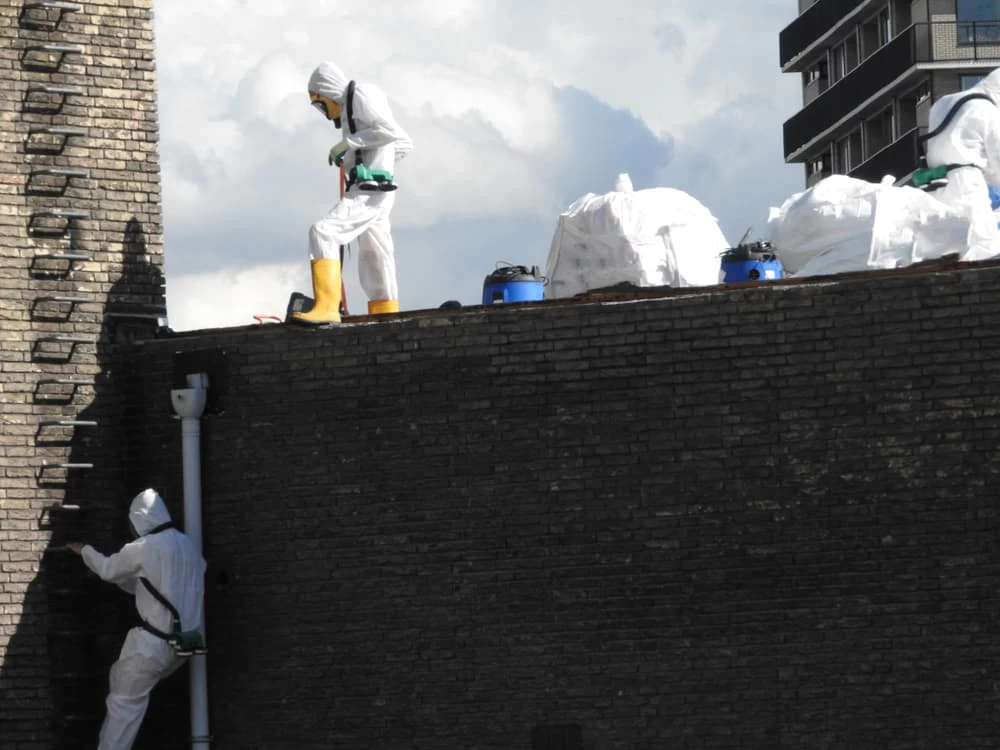
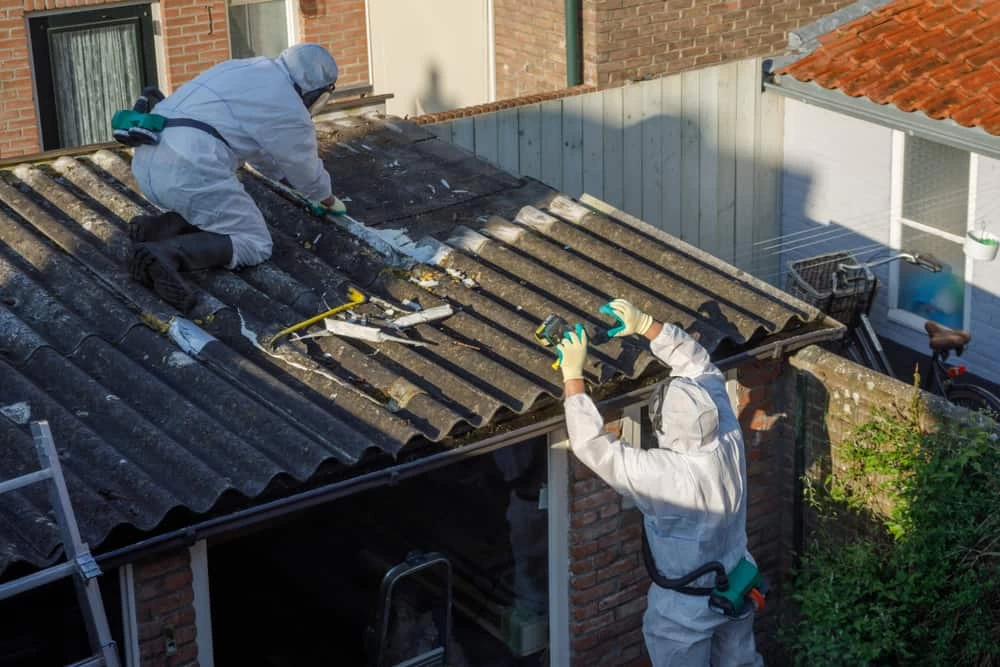
If abatement is needed, the next step is containment setup. The work area is fully isolated using polyethylene sheeting and negative air pressure systems, which means air flows into the containment zone not out of it. HEPA-filtered air scrubbers run throughout the project to keep fiber levels in the rest of your home from being affected. Whether the scope is a single room or a multi-floor project, the containment protocol is the same. This is the step that answers the question most homeowners ask first: “Do we have to leave?” The honest answer depends on scope, but the containment systems are specifically designed to protect unaffected areas of the home.
Once the material is removed, all waste is transported and disposed of in full compliance with NYS DEC regulations which matters particularly in Somers, where parts of the town sit within or adjacent to the NYC watershed area around the Amawalk Reservoir. The final step is post-abatement air clearance testing, which confirms that fiber levels have returned to safe levels. You receive that clearance documentation as a standard deliverable not an add-on. If your project involves an insurance claim, we handle billing directly with your carrier.
Every Material Type, One Licensed Crew, Full Accountability
Valley Pond Estates homes don’t fit a single profile. Depending on when your home was built and what renovations have been done over the decades, you could be looking at 9×9 or 12×12 vinyl asbestos floor tiles from a post-WWII build, acoustic popcorn ceiling texture from a 1970s-era renovation, pipe or boiler insulation in an aging mechanical system, or asbestos-containing drywall joint compound behind walls that haven’t been touched in forty years. We handle all of it asbestos tile removal, popcorn ceiling removal, pipe insulation abatement, and full structural remediation under one NYS DOL license, with one chain of custody for all waste documentation.
Because Valley Pond Estates is located in the Town of Somers, the regulatory framework here is NYS-based, not NYC DEP-based. That means the ACP-5 form that applies to New York City properties does not apply here but NYS Industrial Code Rule 56 and the pre-renovation survey requirement absolutely do. Any contractor working in Somers without a valid NYS Department of Labor Asbestos Handling License is operating illegally, and any homeowner who hires one faces real legal and insurance exposure. Our license is verifiable on the NYS DOL public contractor database.
For homeowners preparing to sell, the clearance documentation we provide after every project is a tangible asset. In a Westchester real estate market where pre-1980 properties are common and buyers are increasingly sophisticated about environmental disclosures, arriving at closing with documented, licensed abatement on record removes a major negotiating obstacle and protects the value of what you’ve built here.
Does my Valley Pond Estates home actually need an asbestos inspection before renovating?
Under New York State law specifically NYS Industrial Code Rule 56 a licensed asbestos inspector must survey any property for asbestos-containing materials before renovation or demolition work that could disturb those materials. This isn’t a suggestion. It’s a legal requirement that applies to residential properties in Somers just as it does anywhere else in the state.
The practical reality is that a large portion of the housing stock in Valley Pond Estates and the surrounding Somers area was built during or before the primary asbestos use era the post-WWII period, the I-684 development surge of the 1970s, and even into the early 1980s. If your home falls anywhere in that range, a pre-renovation inspection is the right call legally and practically. It takes the uncertainty off the table before your contractor starts pulling up floors or opening walls, and it protects you from the far more disruptive and expensive scenario of discovering asbestos mid-project.
What types of materials in Valley Pond Estates homes are most likely to contain asbestos?
The most common asbestos-containing materials found in Valley Pond Estates homes from the post-WWII and 1970s construction eras include vinyl floor tiles particularly the 9×9 and 12×12 inch formats that were standard in basements and kitchens along with the adhesive used to install them. Acoustic ceiling texture, commonly called popcorn ceiling, was widely used in homes built during the I-684 development boom of the mid-to-late 1970s and is one of the most frequently encountered materials in Valley Pond Estates from that period.
Beyond floors and ceilings, pipe insulation and boiler wrap in older mechanical systems are high-priority materials, especially in homes that haven’t had a mechanical update in decades. Drywall joint compound used in construction through the early 1980s can also contain asbestos, as can certain roofing shingles and exterior siding products. The key point is that asbestos isn’t limited to one material or one era which is why a licensed inspection that covers the full property gives you a much more accurate picture than assuming one or two materials are the only concern.
Do I need a New York City DEP license or ACP-5 form for asbestos work in Valley Pond Estates?
No and this is a genuinely important distinction that trips up a lot of homeowners. The NYC DEP contractor license and the ACP-5 form are requirements specific to properties within New York City’s five boroughs. Valley Pond Estates is located in the Town of Somers, Westchester County, which is outside city limits. Those NYC-specific requirements do not apply here.
What does apply is the NYS Department of Labor Asbestos Handling License, which is the foundational legal requirement for any contractor performing asbestos abatement in Somers. NYS Industrial Code Rule 56 governs all abatement work in Westchester County and is, in several respects, more stringent than federal OSHA standards covering air monitoring requirements, containment standards, and waste disposal procedures in detail. When you’re vetting contractors for work at your Valley Pond Estates property, asking for a valid NYS DOL Asbestos Handling License number and verifying it on the NYS DOL public database is the single most important credential check you can do.
A pipe burst in my Valley Pond Estates home this winter and I think it disturbed old insulation what should I do?
This is one of the more common emergency scenarios in Northern Westchester, and it’s worth taking seriously. Freeze-thaw cycles and pipe failures are a recurring reality in older Valley Pond Estates homes, and when water damage reaches pipe insulation, floor tiles, or other materials in a pre-1980 property, it can disturb asbestos-containing materials that were previously stable and undisturbed. Disturbed asbestos is a different risk category than intact, undisturbed material and it needs to be assessed by a licensed professional before any restoration or repair work continues.
The right first step is to stop the work, limit access to the affected area, and call a licensed asbestos contractor for an emergency inspection. We handle exactly this kind of situation and because the abatement work in a water damage scenario is frequently insurance-covered, we handle direct billing with your carrier so you’re not managing that paperwork on top of an already stressful situation. Getting a licensed assessment done before restoration work resumes also protects you from liability if the issue surfaces later during a sale or permit process.
How long does asbestos abatement typically take for a residential home in Somers?
Timeline depends heavily on the scope what materials are involved, how many areas of the home are affected, and whether the project is a single contained removal or a multi-room abatement ahead of a full renovation. A targeted removal of vinyl floor tiles in a basement or acoustic ceiling texture in one room can often be completed in one to two days. A larger project involving multiple material types across several areas of a pre-1980 Somers home will take longer, and the post-abatement air clearance testing adds time to the end of any project regardless of scope.
One thing worth understanding is that rushing abatement to hit an arbitrary deadline creates real risk both for the quality of the work and for the clearance results. If you’re working toward a real estate listing timeline or a renovation start date, the better approach is to schedule the free inspection early, understand the full scope before committing to a schedule, and build realistic time into your project plan. We’ll give you a straight answer on timeline during the inspection not an optimistic estimate designed to get the job.
Will professional asbestos abatement actually help when I sell my Valley Pond Estates home?
In the Westchester County real estate market, where buyers and their attorneys are increasingly thorough about environmental disclosures, the answer is yes and in meaningful ways. A pre-1980 home that comes to market with documented, licensed asbestos abatement on record removes a significant source of buyer uncertainty. That uncertainty, left unaddressed, tends to show up as price reduction requests, delayed closings, or deals that fall apart entirely when inspection results raise questions neither side was prepared for.
The clearance documentation we provide after every project is the specific deliverable that matters here it’s the written, licensed confirmation that the work was done correctly, that post-abatement air testing was completed, and that the property meets the standard required under NYS Industrial Code Rule 56. For a Valley Pond Estates homeowner whose property represents decades of investment in one of Westchester’s more desirable communities, that documentation is a real asset at the closing table. The cost of professional abatement is modest relative to what’s at stake in a Somers home sale and starting with a free inspection means you know exactly what you’re dealing with before you commit to anything.