Old Homes Along Route 82 Deserve More Than a Guess
If your Verbank home was built before 1980, there’s a real chance asbestos is somewhere inside it and the only way to know for sure is to stop guessing and call someone who actually knows what they’re looking at.
I needed a professional consultation explanation of procedure for safe removal of Asbestos in my apartment complex. Without having an account yet, I was very impressed with the caring, knowledgeable and generous advice offered by Jessica, and will look forward to doing business in the future. Thank you so much! I feel much more informed about a sometimes scary endeavor. Peace. Nancy Silva Mineola, NY.
Mia Munoz
Used this company to clean up some water flood in my house. They were fast and easy to work with.very professional, Would recommend to anyone!
Nini Valle
Great company, had a flood and they responded quickly and efficiently. Billed my insurance company directly. I highly recommend this company!
joe colapietro, jr
I had pipe freeze in my basement right before a snow storm and they made to within an hour to help start the clean up process. They we by our side throughout the entire process and even helped with the insurance company. They did such a great job with the cleanup, repair, remidiation, I contracted them to perform the repairs and finishes in the basement. They came with enough manpower and material to get the job done. Leo and Jessica were nothing but a pleasure to deal with!!
Cristian Arredondo c
I had some water damage in my home and Green Island was able to take care of my issue quickly and effectively. I am very pleased with the work they did. They responded quickly and were very professional.
Michael M
Outstanding service! From the office to the field crew everyone was friendly, helpful and responsive. I highly recommend Green Island Group.
Most homeowners in Verbank don’t call about asbestos because they’re bored. They call because something triggered it a renovation that uncovered old floor tiles, a boiler that finally gave out, or a home inspector who flagged something before closing. Whatever got you here, the outcome you want is the same: a clear answer, a safe home, and documentation you can hold onto.
Verbank’s housing stock tells the story. Homes along Route 82, North Clove Road, Camby Road, and Deer Pond Road were largely built in the 1940s, 1950s, and 1960s right when asbestos use in residential construction was at its peak. Pipe insulation, boiler wrap, floor tiles, roofing shingles, and textured ceilings were all routinely made with asbestos during that era. If your home was built then and hasn’t been fully assessed, the material is likely still there.
Dutchess County winters don’t help. Repeated freeze-thaw cycles accelerate the breakdown of older building materials, and asbestos that was once stable can become friable meaning it releases fibers into the air after years of thermal stress. A properly completed abatement stops that process, gives you verified air clearance results, and removes the liability from your property before it becomes someone else’s problem.
We’ve been doing asbestos abatement across New York State for over 12 years and have completed more than 5,000 projects from small residential tile removals to full demolition prep on commercial properties. That volume isn’t a marketing number. It means our team has seen every scenario, knows every regulatory requirement, and doesn’t need to figure things out on your property.
We’re fully licensed under NYS Department of Labor Industrial Code Rule 56, EPA-accredited, and hold MWBE certification as a state-approved contractor a credential no identified competitor in the Dutchess County asbestos market currently holds. That matters when you’re trying to distinguish a real operator from someone who just says they’re certified.
Verbank and the surrounding Union Vale area already fall within our active Dutchess County service footprint. You’re not calling a contractor from three counties away. When you reach out, you’re getting a team that’s already working in this part of the Hudson Valley and knows what older rural homes in Verbank actually look like inside.
No Surprises Here's Exactly What the Job Looks Like
It starts with an assessment. Before anything is removed, the material in question needs to be identified and tested. Not everything that looks like asbestos is asbestos, and not everything that contains asbestos is an immediate hazard. A proper inspection tells you what you’re actually dealing with so the scope of work is based on facts, not assumptions.
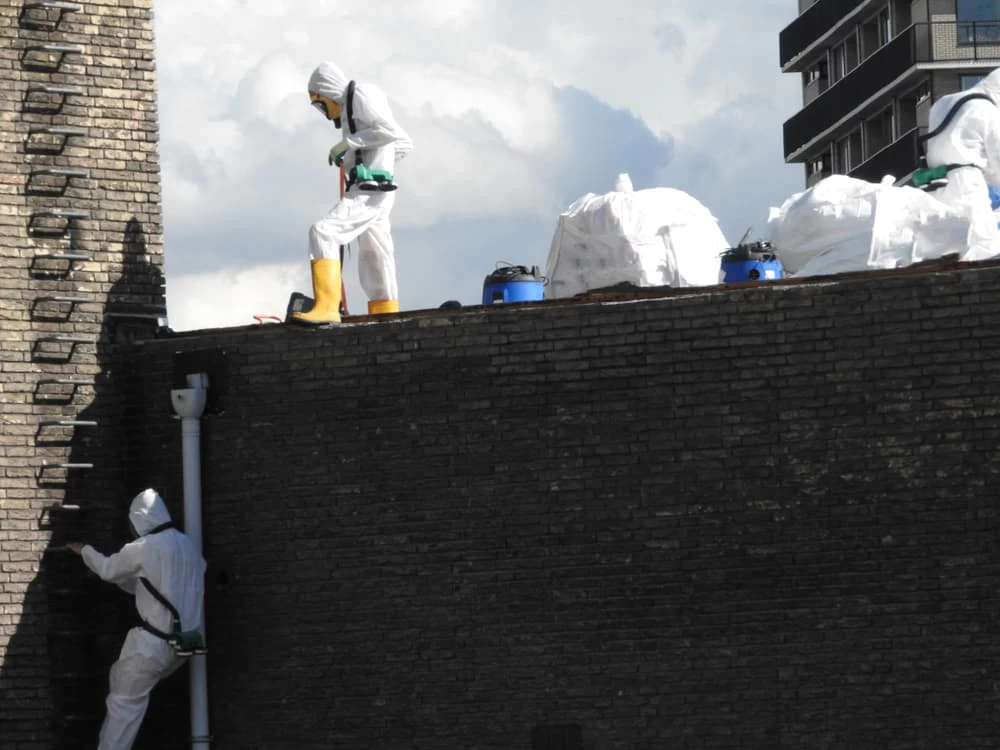
Once the assessment confirms abatement is needed, the work area gets contained. That means negative air pressure, proper sealing, and full protective protocol before a single material is disturbed. For older homes in Verbank especially those with oil-fired boilers, original floor tile, or attic insulation that hasn’t been touched in decades this step is where shortcuts create real problems. None are taken here.
After removal, all asbestos-containing waste is packaged, transported, and disposed of in full compliance with NYS DEC regulations. Then comes air clearance testing the step that actually proves the space is safe. You get documentation of those results in writing, which matters whether you’re staying in the home, selling it, or just want something on record. Because in a hamlet like Verbank, where there’s no local code enforcement office and regulatory authority runs through the Town of Union Vale and state agencies, having that paper trail is the difference between peace of mind and a question mark.
Asbestos abatement isn’t one-size-fits-all, especially in a community like Verbank where the housing stock ranges from 1940s farmhouses to mid-century ranches to converted outbuildings on multi-acre lots. The materials vary, the conditions vary, and the scope of work has to match what’s actually there.
We handle the full range of asbestos-containing materials common in Dutchess County’s older homes: floor tile removal including the 9×9 vinyl asbestos tiles that were standard in mid-century builds pipe and boiler insulation, popcorn and textured ceiling removal, roofing shingles, siding, and attic insulation. If you’re mid-renovation and hit something unexpected, that’s handled too. We’re available 24 hours a day, seven days a week, with documented response times that don’t make you wait until Monday morning to get an answer.
For homeowners whose situation was triggered by a covered event storm damage, flood, or fire we bill insurance directly. That means one less thing to manage when you’re already dealing with enough. And because older rural properties in areas like Union Vale often have more than one issue going on at once, we also handle mold remediation, water damage restoration, and fire damage cleanup under the same roof. You don’t have to coordinate three separate contractors to get your home back to where it needs to be.
Does my older Verbank home likely have asbestos somewhere inside it?
If your home was built before 1980, the honest answer is probably yes somewhere. Asbestos was used in a wide range of residential building materials throughout the mid-20th century, and homes in Verbank and the broader Union Vale area were largely constructed during that window. The most common locations are floor tiles (especially the 9×9 vinyl tiles standard in 1940s–1960s builds), pipe and boiler insulation, attic insulation, textured or popcorn ceilings, roofing shingles, and certain types of siding.
The presence of asbestos doesn’t automatically mean you have an emergency. Asbestos that is intact and undisturbed is generally not an immediate airborne hazard. The risk increases when materials are damaged, deteriorating, or disturbed during renovation. Given how many homes along Route 82 and surrounding roads in Verbank were built during peak asbestos-use decades, a professional assessment before any renovation work is the most straightforward way to know what you’re dealing with.
What does asbestos abatement typically cost for a Dutchess County home?
For a standard residential project in New York, asbestos abatement typically runs in the range of $1,300 to $3,000, depending on the scope, the type of material, and how much of it needs to be removed. Larger jobs full floor tile removal across multiple rooms, boiler insulation, or attic remediation can run higher. The only way to get an accurate number is to have the material assessed first, because the cost follows the scope.
It’s worth putting that number in context. The average home value in Verbank is around $370,000 above the New York State average. Proper abatement by a licensed contractor gives you documentation that protects that value, especially if you’re planning to sell. Buyers, lenders, and real estate attorneys in Dutchess County routinely ask about asbestos in pre-1980 homes, and having a completed, documented abatement on record is a cleaner outcome than negotiating a price reduction mid-transaction.
Do I need a permit for asbestos removal in Verbank or Union Vale?
Verbank is a hamlet within the Town of Union Vale, which means there’s no separate village building department or local code enforcement office specific to the hamlet. Permit and regulatory authority flows through the Town of Union Vale’s building department and, more importantly, the NYS Department of Labor Asbestos Control Bureau, which enforces Industrial Code Rule 56 statewide.
For projects above the regulatory threshold, we’re required to notify the NYS DOL Asbestos Control Bureau before work begins. Disposal of asbestos-containing waste must comply with NYS DEC regulations and be handled by licensed haulers going to approved facilities. As a homeowner, you don’t have to manage any of that yourself we handle the notifications, compliance documentation, and disposal chain. But it’s worth knowing that this regulatory framework exists and that hiring an unlicensed operator puts you in a legally exposed position, not just a safety one.
Can I stay in my home while asbestos removal is happening?
It depends on where the work is being done and how large the project is. For a contained scope a single room, a section of pipe insulation, or a localized tile removal it’s sometimes possible to remain in other parts of the home while work is underway, provided the containment is properly set up. For larger or more complex projects, temporary relocation is usually the safer and more practical choice.
The containment setup is what makes the difference. Proper asbestos abatement involves sealing off the work area with negative air pressure to prevent fibers from migrating into the rest of the house. When that’s done correctly, the risk to other areas of the home is minimal. After the work is complete, air clearance testing confirms the space is safe before anyone re-enters it. That final step isn’t optional it’s the only objective confirmation that the job was done right, and it’s something you should insist on regardless of which contractor you hire.
What's the difference between asbestos testing and asbestos abatement?
Testing and abatement are two separate things, and understanding the difference saves you from either overreacting or underreacting. Testing sometimes called sampling or inspection is the process of identifying whether a material actually contains asbestos. A sample is collected and sent to an accredited lab. The result tells you what you’re dealing with before any removal decision is made.
Abatement is the actual removal, encapsulation, or enclosure of confirmed asbestos-containing materials, performed by a licensed contractor following NYS DOL Industrial Code Rule 56 protocols. You need testing before abatement, because abatement scope and cost are based on what the test confirms. Some homeowners in Verbank skip testing and assume everything in an older home needs to come out that’s not always accurate, and it can mean unnecessary expense. Others skip testing and start renovating, which is the higher-risk scenario. The right sequence is: test first, then decide on abatement based on actual results.
Is asbestos in popcorn ceilings common in older Verbank homes?
Yes, and it’s one of the more frequently discovered materials during renovations in this area. Textured and popcorn ceilings were extremely common in homes built between the late 1950s and the late 1970s a construction window that covers a significant portion of the housing stock in Verbank and throughout Union Vale. The EPA banned asbestos in spray-applied surfacing materials in 1978, but homes built before that cutoff, or finished with materials manufactured before the ban took effect, can still contain it.
The tricky part with popcorn ceilings is that they’re often disturbed during cosmetic renovations people scrape them off without realizing what’s in them. If your home was built before 1978 and you’re planning any ceiling work, testing that material before you touch it is the right call. Asbestos fibers released during scraping are airborne immediately, and cleanup after the fact is significantly more involved than having it properly assessed and removed beforehand. It’s one of the more straightforward cases where a small upfront step prevents a much larger problem.