Waccabuc Homes Were Built in the Asbestos Era Most Still Are
If your home on Mead Street or East Ridge Road was built in the 1960s, there’s a real chance asbestos is somewhere inside it. We provide licensed asbestos abatement in Waccabuc, NY with free on-site inspections, full clearance documentation, and no subcontractors.
I needed a professional consultation explanation of procedure for safe removal of Asbestos in my apartment complex. Without having an account yet, I was very impressed with the caring, knowledgeable and generous advice offered by Jessica, and will look forward to doing business in the future. Thank you so much! I feel much more informed about a sometimes scary endeavor. Peace. Nancy Silva Mineola, NY.
Mia Munoz
Used this company to clean up some water flood in my house. They were fast and easy to work with.very professional, Would recommend to anyone!
Nini Valle
Great company, had a flood and they responded quickly and efficiently. Billed my insurance company directly. I highly recommend this company!
joe colapietro, jr
I had pipe freeze in my basement right before a snow storm and they made to within an hour to help start the clean up process. They we by our side throughout the entire process and even helped with the insurance company. They did such a great job with the cleanup, repair, remidiation, I contracted them to perform the repairs and finishes in the basement. They came with enough manpower and material to get the job done. Leo and Jessica were nothing but a pleasure to deal with!!
Cristian Arredondo c
I had some water damage in my home and Green Island was able to take care of my issue quickly and effectively. I am very pleased with the work they did. They responded quickly and were very professional.
Michael M
Outstanding service! From the office to the field crew everyone was friendly, helpful and responsive. I highly recommend Green Island Group.
What Changes When the Problem Is Actually Resolved
Waccabuc’s housing stock is almost entirely from the 1960s the same decade when asbestos was standard in floor tiles, pipe insulation, ceiling texture, and drywall compound. That’s just what the data shows for ZIP code 10597. When you’re planning a renovation, listing a property, or dealing with a burst pipe in a northern Westchester winter, knowing what’s in your walls matters.
When abatement is done correctly and fully documented, you’re not just removing a hazard. You’re protecting a property that’s worth well over a million dollars in one of Westchester County’s most distinctive communities. Buyers’ attorneys in this market scrutinize environmental disclosures closely. Complete clearance documentation air monitoring results, waste manifests, written clearance certificates removes one of the most common deal-killing contingencies from a Waccabuc real estate transaction.
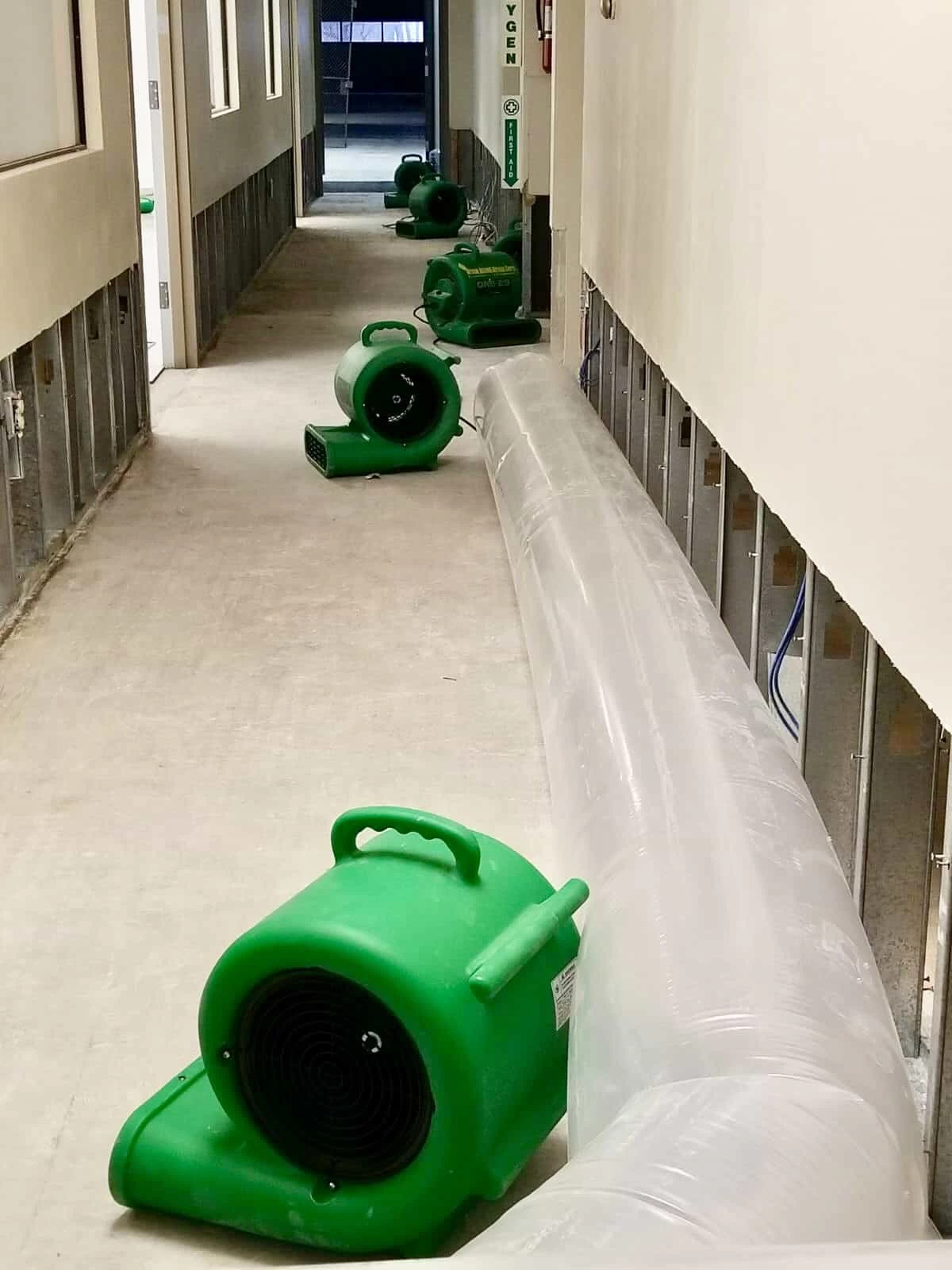
There’s also the water damage angle that most people don’t think about until it happens. Freeze-thaw cycles in northern Westchester are hard on older pipe systems. When a pipe fails in a home built in 1963, the insulation around it may contain asbestos. Addressing both the water damage and the triggered abatement requirement through one contractor rather than coordinating two separate companies is a much cleaner process. That’s exactly how we operate.
Every License Verified. Every Project Done In-House.
We hold the full license portfolio required to legally perform asbestos abatement anywhere in the New York metro area NYS Department of Labor Asbestos Handling License, EPA certification, NYS DEC disposal compliance, and more. These aren’t self-reported credentials. They’re public records you can verify through the NYS DOL Asbestos Control Bureau’s contractor listing. The Town of Lewisboro’s own permit documentation references Industrial Code Rule 56 as the governing standard for any abatement work in the town and we meet every requirement it sets.
We already serve Cross River and the broader Town of Lewisboro, so this isn’t a contractor being introduced to northern Westchester for the first time. We understand the Lewisboro Building Department’s documentation expectations, the specific ACM profiles common in 1960s construction throughout Waccabuc and the surrounding area, and the environmental sensitivity of working within the Lake Waccabuc watershed. With more than 5,000 completed projects across the region and a NYS M/WBE certification from the Office of General Services, the track record is there and so is the paperwork to back it up.
No Surprises Here's Exactly What the Process Looks Like
It starts with a free on-site inspection. A licensed professional comes to your property, assesses what materials are present, identifies which ones require abatement, and gives you a written scope of work before any commitment is made. For a large home on a two-acre lot in Waccabuc where the square footage of potentially affected materials can vary significantly that assessment is the only honest starting point. You shouldn’t be signing anything until you know exactly what you’re dealing with.
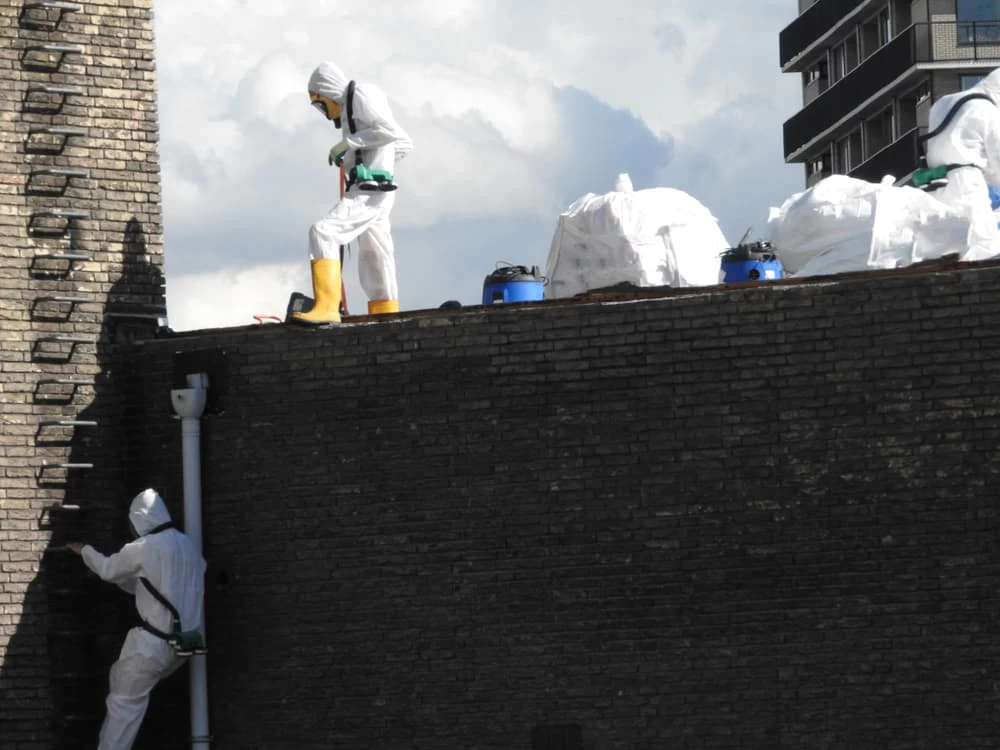
Once the scope is confirmed and permits are pulled through the Town of Lewisboro Building Department, the abatement itself follows a strict protocol under NYS Industrial Code Rule 56. The work area is contained, negative air pressure is established, materials are removed and packaged according to state and federal standards, and waste is transported to a certified disposal facility with full chain-of-custody documentation. Because Waccabuc sits within a watershed that feeds into the New York City drinking water system including the Cross River Reservoir proper disposal isn’t just regulatory compliance. It’s the right thing to do.
After removal, post-abatement air clearance testing is conducted by an independent industrial hygienist. The area is not cleared for re-occupancy until air samples confirm the space is clean. You receive the full documentation package clearance certificate, air monitoring results, and waste manifests before the job is considered closed. That paperwork is what holds up in a real estate transaction, an insurance claim, or a conversation with a buyer’s attorney.
Asbestos Tile and Popcorn Ceiling Removal Waccabuc
What's Included When We Do the Job
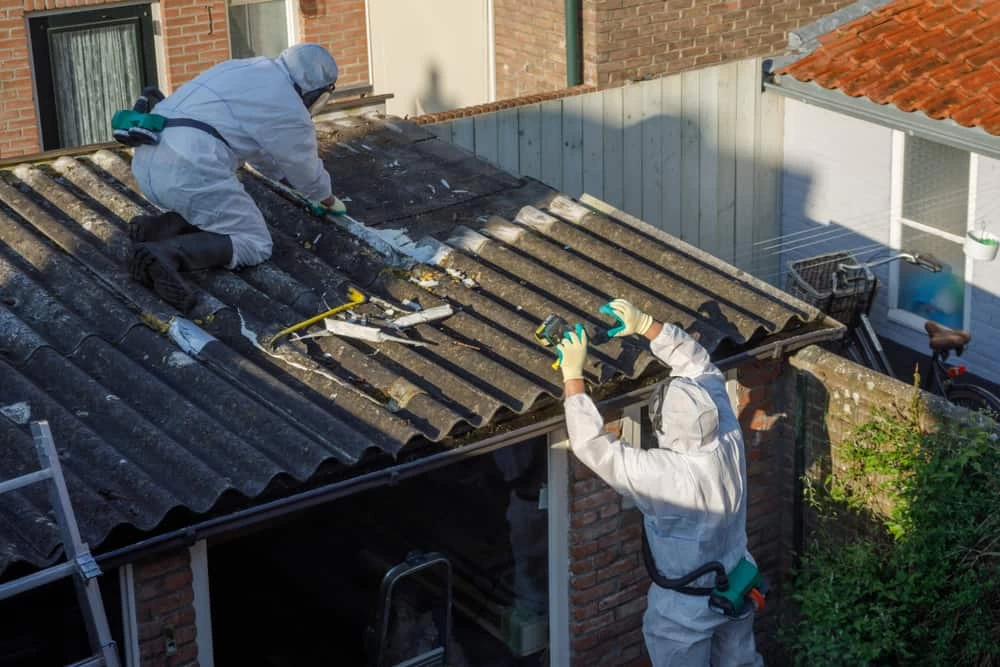
The most common asbestos-containing materials found in Waccabuc homes are 9×9 and 12×12 vinyl asbestos floor tiles, acoustic spray texture on ceilings, pipe and duct insulation around older boiler systems, drywall joint compound, and roofing materials. Ranch-style homes from the 1950s and early 1960s common in areas like the Hunt Farm section of the hamlet tend to have floor tiles and ceiling texture. Larger Colonial and Tudor Revival structures in the historic district core are more likely to have pipe insulation and joint compound. We handle all of it, in-house, with the same licensed crew from start to finish.
Every project includes the full sequence: inspection, containment setup, licensed removal, certified disposal with documented chain of custody, and post-abatement air clearance testing. There are no referrals to subcontractors, no handoffs mid-project, and no gaps in the documentation trail. For properties within the Waccabuc Historic District where the character of the structure matters as much as the removal itself the containment and removal methods are designed to protect surrounding surfaces, period finishes, and architectural details throughout the process.
We also work directly with homeowners’ insurance carriers when abatement is triggered by a water damage event, handling the billing coordination so you’re not managing two separate claims processes at once. Free inspection, written estimate, and no obligation to proceed that’s how every engagement starts.
Do Waccabuc homes actually need an asbestos inspection before renovation?
If your home was built before 1980 and in Waccabuc, the median construction year for ZIP code 10597 is the 1960s then yes, an inspection before any renovation work is the responsible and legally correct step. NYS Industrial Code Rule 56 governs asbestos handling across the state, and the Town of Lewisboro’s own building permit documentation explicitly references the NYS Asbestos Control Bureau as the enforcement body for any project involving potential asbestos-containing materials. That means your renovation contractor cannot legally disturb suspect materials without a prior assessment.
Beyond the regulatory requirement, it’s simply practical. The most common asbestos-containing materials in this era of construction floor tiles, ceiling texture, pipe insulation, joint compound are exactly the materials that get disturbed during kitchen renovations, bathroom updates, and HVAC replacements. Finding out what’s there before the demo starts costs you a free inspection. Finding out during demo costs you a work stoppage, an emergency abatement, and a delayed project. The inspection is the easier path by a wide margin.
What licenses does an asbestos abatement contractor need to work in Lewisboro?
Any contractor performing asbestos abatement in Lewisboro which includes Waccabuc must hold a NYS Department of Labor Asbestos Handling License under Industrial Code Rule 56. Individual workers on the job must also carry their own NYS DOL asbestos handler certifications. Beyond that, the Town of Lewisboro requires contractors to carry Workers’ Compensation Insurance listing the Town of Lewisboro, and Westchester County contractor licenses are required for mechanical contractors submitting permit applications to the town’s building department.
The reason this matters is that local search results for asbestos removal in Waccabuc are dominated by lead-generation websites and referral managers companies that do not perform the work themselves and cannot produce verifiable license numbers because they don’t hold them. Before you hire anyone, ask for their NYS DOL Asbestos Handling License number and verify it through the state’s public contractor listing. Our licenses are public record and available on request. That’s the standard every contractor working in your home should be held to.
How does asbestos abatement work when it's triggered by water damage?
Water damage and asbestos are connected more often than most homeowners realize, especially in northern Westchester. When a pipe freezes and bursts in a Waccabuc home built in the 1960s, the insulation wrapped around that pipe may contain asbestos. When a basement floods after a heavy nor’easter, the vinyl floor tiles that get saturated may be asbestos-containing. In both cases, the water damage has disturbed a regulated material and that triggers a mandatory abatement requirement before any restoration work can proceed.
The practical issue is coordination. Most water damage restoration contractors are not licensed asbestos abatement contractors, and most asbestos abatement contractors don’t handle water damage restoration. We do both, which means you’re not managing two separate companies, two separate timelines, and two separate sets of documentation when you’re already dealing with a stressful situation. When abatement is triggered by a covered water damage event, we also work directly with your insurance carrier to handle billing coordination so you’re not navigating a claim and a contractor relationship at the same time.
Will asbestos abatement affect the historic status of my Waccabuc property?
Asbestos abatement itself does not affect a property’s listing on the National Register of Historic Places or the New York State Register. The Waccabuc Historic District designation governs physical alterations to the exterior character-defining features of contributing structures not the removal of interior hazardous materials. Removing asbestos-containing floor tiles, pipe insulation, or ceiling texture does not constitute a reviewable alteration under historic preservation standards.
That said, working inside a historically significant structure requires a level of care that not every contractor brings to the job. Period finishes, original woodwork, plaster walls, and architectural details that are part of what makes a Waccabuc property valuable can be damaged by careless containment setup or removal methods. Our crews are trained to work carefully within high-value, historically sensitive properties. The containment is designed to protect surrounding surfaces throughout the process, and the removal methods are chosen to minimize impact on adjacent materials. The goal is to remove the hazard without damaging what you’ve spent years preserving.
How long does asbestos abatement typically take in a large Waccabuc home?
Timeline depends on what materials are present, where they’re located, and how much square footage is involved. A single-room floor tile removal in a Waccabuc home might be completed in one to two days. A more complex project pipe insulation throughout a basement boiler system, ceiling texture across multiple rooms, or a combination of material types can run five to seven days or longer. The post-abatement air clearance testing adds time as well, since the area cannot be cleared for re-occupancy until air samples are collected, analyzed, and confirmed clean.
One thing worth knowing: building permits through the Town of Lewisboro Building Department expire 18 months after issuance, or three months after issuance if work hasn’t started. If you discover asbestos mid-renovation and your renovation permit is already active, there’s real timeline pressure to address the abatement and get back to work before the permit window closes. Getting the inspection scheduled quickly and understanding the full scope before the permit situation becomes a constraint is the right move. Our free on-site inspection can typically be scheduled promptly, which keeps your project timeline on track.
Is asbestos removal in Waccabuc covered by homeowners insurance?
It depends on how the asbestos was disturbed and what triggered the abatement. If asbestos-containing materials were disturbed as a direct result of a covered water damage event a burst pipe, storm flooding, or similar the abatement is often covered under the same claim as the water damage restoration. Insurance carriers treat it as part of the remediation required to restore the property to its pre-loss condition. In those cases, we work directly with the carrier and handle billing on your behalf, which removes a significant administrative burden from an already stressful situation.
Planned abatement the kind you initiate before a renovation or before listing your home for sale is generally not covered by standard homeowners insurance, because it’s not the result of a sudden loss event. That’s a separate out-of-pocket cost. Given that Waccabuc properties carry median values exceeding $1.1 million, the cost of professional abatement with full documentation is a reasonable investment relative to the value it protects both in terms of the property itself and the transaction it supports. The free inspection gives you a clear picture of scope and cost before you commit to anything.