I needed a professional consultation explanation of procedure for safe removal of Asbestos in my apartment complex. Without having an account yet, I was very impressed with the caring, knowledgeable and generous advice offered by Jessica, and will look forward to doing business in the future. Thank you so much! I feel much more informed about a sometimes scary endeavor. Peace. Nancy Silva Mineola, NY.
Mia Munoz
Used this company to clean up some water flood in my house. They were fast and easy to work with.very professional, Would recommend to anyone!
Nini Valle
Great company, had a flood and they responded quickly and efficiently. Billed my insurance company directly. I highly recommend this company!
joe colapietro, jr
I had pipe freeze in my basement right before a snow storm and they made to within an hour to help start the clean up process. They we by our side throughout the entire process and even helped with the insurance company. They did such a great job with the cleanup, repair, remidiation, I contracted them to perform the repairs and finishes in the basement. They came with enough manpower and material to get the job done. Leo and Jessica were nothing but a pleasure to deal with!!
Cristian Arredondo c
I had some water damage in my home and Green Island was able to take care of my issue quickly and effectively. I am very pleased with the work they did. They responded quickly and were very professional.
Michael M
Outstanding service! From the office to the field crew everyone was friendly, helpful and responsive. I highly recommend Green Island Group.
When asbestos-containing materials are properly identified and removed, you stop living with a question mark in your own home. You can move forward with a renovation, close a real estate transaction, or simply breathe easier knowing the air in your house has been tested and cleared. That’s the whole point.
Wading River’s housing stock tells the full story of Long Island’s building history. The mid-century ranches and Cape Cods lining the inland streets, the older colonials near the historic village green, the beach bungalows sitting close to the Long Island Sound these homes were built in an era when asbestos was standard. It wasn’t a mistake at the time. But those materials age, and when they start to deteriorate, the risk becomes real. The salt air and seasonal moisture coming off the Sound accelerates that process faster than most homeowners realize.
The other thing that changes when abatement is done right is documentation. In a market where median home values are pushing $683,500, having a complete clearance certificate from a licensed contractor isn’t just reassuring it protects your investment. Lenders, buyers, and real estate attorneys in Suffolk County all ask for it. When you have it, the transaction moves. When you don’t, everything stalls.
Licensed, Accountable, and Familiar With This Area
We are a fully licensed asbestos abatement contractor operating under New York State Industrial Code Rule 56 the state law that governs every legal abatement project in New York. Every technician on every job is trained and certified. Every project is properly notified to the NYS Department of Labor before work begins. That’s not optional in this state, and any contractor who skips those steps is putting you at legal and financial risk.
Wading River sits at the boundary of the Town of Riverhead and the Town of Brookhaven two separate municipalities with their own building departments. That dual-township character creates permitting nuances that out-of-area contractors often don’t know to account for. We’ve worked across Suffolk County’s North Shore communities long enough to know the difference, and we handle the regulatory side so you don’t have to.
What you get is a team that shows up prepared, communicates clearly, and leaves you with the paperwork that actually matters.
It starts with an inspection. A certified inspector assesses your home, identifies any materials suspected of containing asbestos, and collects samples for laboratory analysis. You’ll know what’s there, where it is, and what the risk level actually is before anyone makes a decision about next steps. For a lot of Wading River homeowners, this is the step that removes the most anxiety, because you’re no longer guessing.
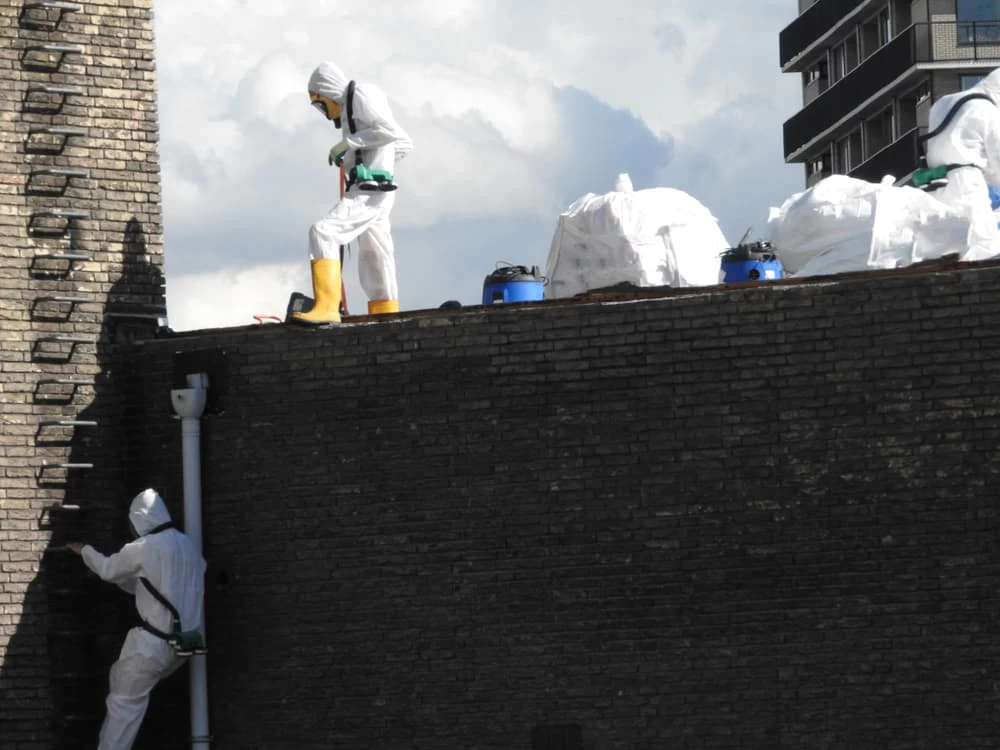
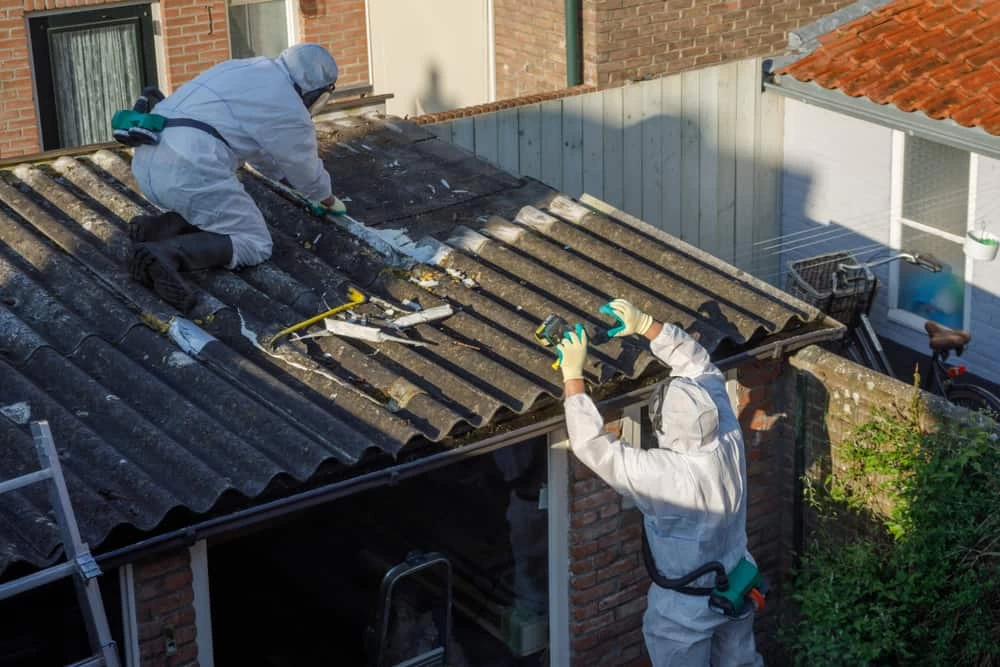
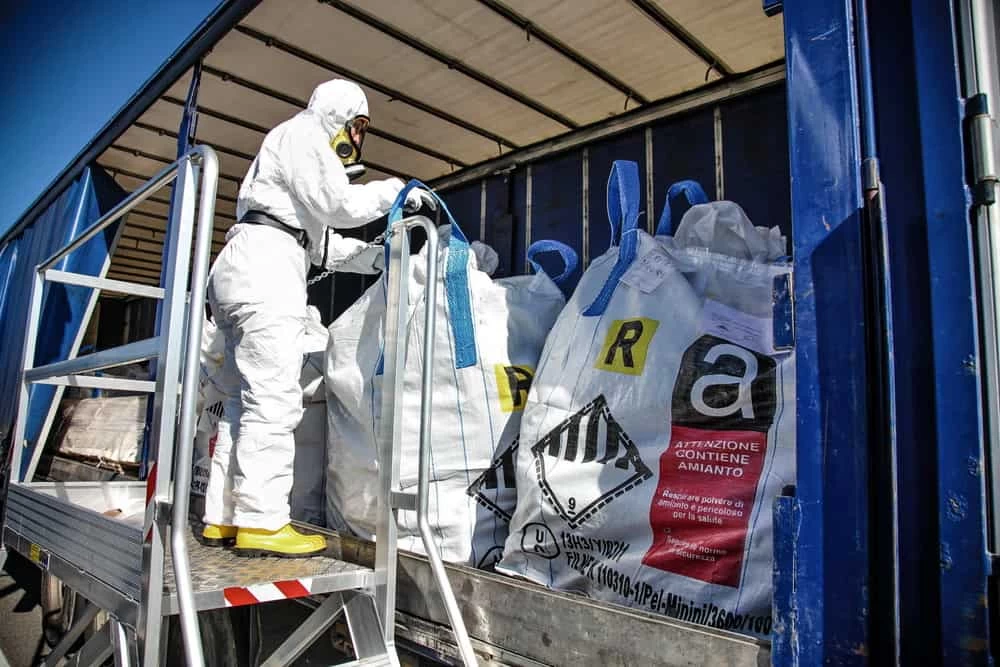
If abatement is needed, the project gets designed around the specific materials and conditions in your home. A formal notification is filed with the NYS Department of Labor required by law for projects above threshold quantities and a start date is confirmed with you. On the job, the work area is sealed under negative pressure containment, which keeps fibers from migrating to other parts of your home during removal. Materials are removed wet to minimize fiber release, double-bagged, labeled, and transported to an approved disposal facility by a licensed waste hauler. None of that is optional under NYSDEC regulations, and we don’t cut corners on it.
The final step is post-abatement air clearance testing independent testing that confirms airborne fiber levels meet the NYS DOL standard before you re-occupy the space. When it passes, you receive a clearance certificate. That document is what your real estate attorney, lender, or contractor needs to move forward. For most residential projects in Wading River, the full process from inspection to clearance takes between a few days and a week, depending on the scope.
Asbestos abatement in Wading River covers a wider range of materials than most homeowners expect going in. The 9×9 vinyl floor tiles in older kitchens and basements are the most commonly recognized but the black mastic adhesive underneath them often contains asbestos too, and it has to be addressed as part of the same removal. Popcorn ceilings in the ranches and split-levels built throughout Wading River’s residential streets in the 1960s and 1970s are another frequent find. So is pipe insulation and boiler wrap in homes that were originally built with steam heat materials that become friable and dangerous as they age.
We handle the full scope: inspection and sampling, laboratory analysis, abatement of floor tiles and mastic, popcorn ceiling removal, pipe and boiler insulation removal, roofing material assessment, and post-abatement air clearance testing. We also manage all NYS DOL notification filings and NYSDEC-compliant waste disposal documentation, so the paperwork trail is complete when the job is done. For homes near the Long Island Sound shoreline where higher humidity and salt air exposure tend to accelerate material deterioration we pay particular attention to the condition of insulation and ceiling materials that may have degraded faster than expected.
If your home is in one of Wading River’s older neighborhoods, or if you’re preparing a property for sale in the current Suffolk County market, a complete inspection is the right starting point. You may find less than you feared or you may catch something before it becomes a bigger problem.
Does asbestos abatement in Wading River require permits or government notification?
Yes and this is one of the most important things to understand before hiring anyone. Under New York State Industrial Code Rule 56, asbestos abatement projects above certain threshold quantities require formal notification to the NYS Department of Labor’s Asbestos Control Bureau before work can legally begin. This isn’t a local permit you pull from the Town of Riverhead or Town of Brookhaven building department it’s a state-level requirement that applies to every qualifying project in New York.
What makes this matter for you specifically is the documentation trail. If abatement is performed without proper notification or by an unlicensed contractor you may not have the clearance paperwork needed to satisfy a lender, close a real estate transaction, or demonstrate compliance if your home is ever inspected. In Wading River’s active real estate market, that gap can derail a sale. We handle all required notifications and filings as part of every project, so the paperwork is complete and defensible when the job is done.
How do I know if my Wading River home actually contains asbestos?
You can’t tell by looking. Asbestos-containing materials don’t look different from materials that don’t contain it the only way to know for certain is to have suspect materials sampled and tested by an accredited laboratory. What you can do is look at the age and type of your home. If your Wading River home was built before 1980, there’s a strong likelihood that asbestos-containing materials are present somewhere in the original construction in floor tiles, pipe insulation, textured ceilings, roofing, or joint compound.
The homes near the Long Island Sound shoreline and the older sections of Wading River near the historic village green are particularly worth inspecting, both because of their age and because coastal humidity and temperature cycling can cause older materials to deteriorate faster. A certified inspection gives you a clear picture of what’s actually in your home, where it is, and what condition it’s in so you can make an informed decision rather than guessing during a renovation.
What happens if a contractor finds asbestos mid-renovation do I have to stop work?
In most cases, yes work should stop in the affected area until the material is properly assessed and, if necessary, abated by a licensed contractor. This is actually the most common way Wading River homeowners discover asbestos: a kitchen gut, a basement finishing project, or an HVAC replacement uncovers something unexpected, and the general contractor stops work until it’s resolved. It’s frustrating when it happens, but it’s the right call.
The practical reality is that stopping early and handling it correctly is far less disruptive than the alternative. If disturbed asbestos-containing material is spread through a work area without proper containment, the remediation scope expands significantly and so does the cost. We can typically mobilize quickly for these situations, assess the material, and give you a clear timeline so your general contractor knows when they can resume. Most residential abatement projects in the Wading River area are completed within a few days, so the delay is usually shorter than homeowners fear.
Is asbestos in popcorn ceilings common in Wading River, NY homes?
Very common. Textured spray ceilings what most people call popcorn ceilings were widely used in homes built between the late 1950s and the early 1980s, and they frequently contain chrysotile asbestos. Wading River has a significant inventory of homes from exactly that period: the ranches, split-levels, and colonials built throughout the hamlet’s residential streets during the postwar suburban expansion and into the 1970s. If your home has these ceilings and was built before 1980, testing before any scraping or renovation work is the right first step.
The risk with popcorn ceilings specifically is that they’re often disturbed during seemingly routine projects repainting, installing recessed lighting, or finishing an attic space. Once the texture is scraped or broken, fibers can become airborne. Proper removal requires full negative-pressure containment of the work area, wet removal methods, and HEPA-filtered equipment. We handle asbestos popcorn ceiling removal as a standard part of our residential abatement services in Wading River and across Suffolk County.
How long does asbestos abatement typically take for a Wading River home?
It depends on the scope, but for most residential projects in Wading River, the timeline from inspection to final clearance runs between three days and one week. A single-room floor tile removal or a contained pipe insulation project can often be completed in one to two days of abatement work, followed by air clearance testing. A larger project multiple rooms, popcorn ceiling removal throughout a home, or a boiler room with deteriorated insulation takes longer, and we’ll give you a specific schedule before work begins.
One thing that affects timing in Wading River specifically is the dual-township jurisdiction. Because the hamlet spans both the Town of Riverhead and the Town of Brookhaven, coordination with the right building department for post-abatement documentation can add a step that contractors unfamiliar with the area sometimes miss. We account for that upfront. If you’re working against a real estate deadline which is common in this market let us know at the start, and we’ll build the schedule around what you need.
Do I need to leave my home during asbestos abatement in Wading River?
For most projects, yes you’ll need to vacate the affected area of the home during active abatement work, and in many cases the recommendation is to leave the home entirely until post-abatement air clearance testing confirms the space is safe. The work area is sealed under negative pressure containment, which significantly limits fiber migration to other parts of the house, but the safest approach is to keep the home unoccupied during the removal itself.
For Wading River families with school-age children a significant portion of the community given the Shoreham-Wading River Central School District the timing of a project matters. Many families coordinate abatement during a school week when the house is emptier during the day, or during a planned trip or school break. We’ll give you a clear timeline before work starts so you can plan accordingly. For smaller, contained projects like a single basement room or a utility space, the disruption is usually minimal and the clearance process moves quickly. We’ll always tell you exactly what to expect before anyone picks up a tool.