Old Farmhouses Hide Things. We Find Them and Remove Them Right.
If you’re renovating an older home in Wallkill Camp and something doesn’t look right inside the walls, under the floors, or wrapped around the pipes don’t guess. We provide licensed asbestos abatement for homeowners in the Town of Gardiner who need answers and a clean result they can actually document.
I needed a professional consultation explanation of procedure for safe removal of Asbestos in my apartment complex. Without having an account yet, I was very impressed with the caring, knowledgeable and generous advice offered by Jessica, and will look forward to doing business in the future. Thank you so much! I feel much more informed about a sometimes scary endeavor. Peace. Nancy Silva Mineola, NY.
Mia Munoz
Used this company to clean up some water flood in my house. They were fast and easy to work with.very professional, Would recommend to anyone!
Nini Valle
Great company, had a flood and they responded quickly and efficiently. Billed my insurance company directly. I highly recommend this company!
joe colapietro, jr
I had pipe freeze in my basement right before a snow storm and they made to within an hour to help start the clean up process. They we by our side throughout the entire process and even helped with the insurance company. They did such a great job with the cleanup, repair, remidiation, I contracted them to perform the repairs and finishes in the basement. They came with enough manpower and material to get the job done. Leo and Jessica were nothing but a pleasure to deal with!!
Cristian Arredondo c
I had some water damage in my home and Green Island was able to take care of my issue quickly and effectively. I am very pleased with the work they did. They responded quickly and were very professional.
Michael M
Outstanding service! From the office to the field crew everyone was friendly, helpful and responsive. I highly recommend Green Island Group.
What You Get Back Is Peace of Mind With Paper to Prove It
A lot of homes in the Wallkill River Valley have been updated layer by layer over the decades new flooring over old tile, drywall over plaster, insulation wrapped around aging pipes. Each of those updates is a potential asbestos situation waiting to surface the moment you start a renovation. When it does, the goal isn’t just to remove it. It’s to remove it correctly, document it properly, and hand you a clearance report that proves the air in your home is clean.
That matters more in Wallkill Camp than people realize. The town sits in a flood-prone corridor along the Wallkill River, and water damage that disturbs older insulation, floor tiles, or ceiling materials can turn a moisture problem into an asbestos exposure situation fast. For homeowners dealing with both, getting a contractor who can handle the full picture not just one piece of it is the difference between a coordinated project and a scheduling nightmare.
And if you’re selling a property in the Gardiner market, where buyers coming up from the city are thorough and inspection-savvy, a documented abatement with air clearance results is something you can hand to a buyer’s agent and close with confidence. That’s what this process is built to give you.
One License, One Call, No Guessing Who's Actually Qualified
We hold the NYS DOL Asbestos Handling License the specific credential required by New York State law to legally perform asbestos abatement work. That’s not the same as a general contractor’s license, and it’s not something every company operating in Ulster County actually has. You can verify it through the state’s public records, and we’d encourage you to do exactly that before hiring anyone for this type of work.
Beyond asbestos, our team is also certified for mold remediation, water damage, fire damage, and lead which matters in a place like Wallkill Camp, where older farmhouses near the Tuthilltown corridor often turn up more than one issue once the work begins. When that happens, you’re not scrambling to find a second or third contractor. One call covers it.
We serve the Town of Gardiner and the broader Ulster County area, including the hamlets of Libertyville, Forest Glen, and Tuthilltown. We’re available around the clock for situations that can’t wait for a Monday morning callback.
Asbestos Remediation Process for Wallkill Camp Homes
From First Call to Clearance Report Here's What to Expect
It starts with an assessment. Before anything is touched, we identify what materials are present, where they are, and what the scope of the project actually looks like. In older homes throughout the Town of Gardiner farmhouses with mid-century updates, cottages with original flooring, properties with aging boiler systems that assessment often turns up more than the initial concern. That’s not a problem. It’s exactly why you do it first.
Once the scope is confirmed, we handle the NYS DOL notification and permit process for you. Under New York State Industrial Code Rule 56, any asbestos disturbance of ten square feet or more requires licensed abatement, proper containment, certified workers, and documented disposal. The paperwork runs through the Albany District Office, which oversees Ulster County projects. You don’t need to know any of that that’s our job.
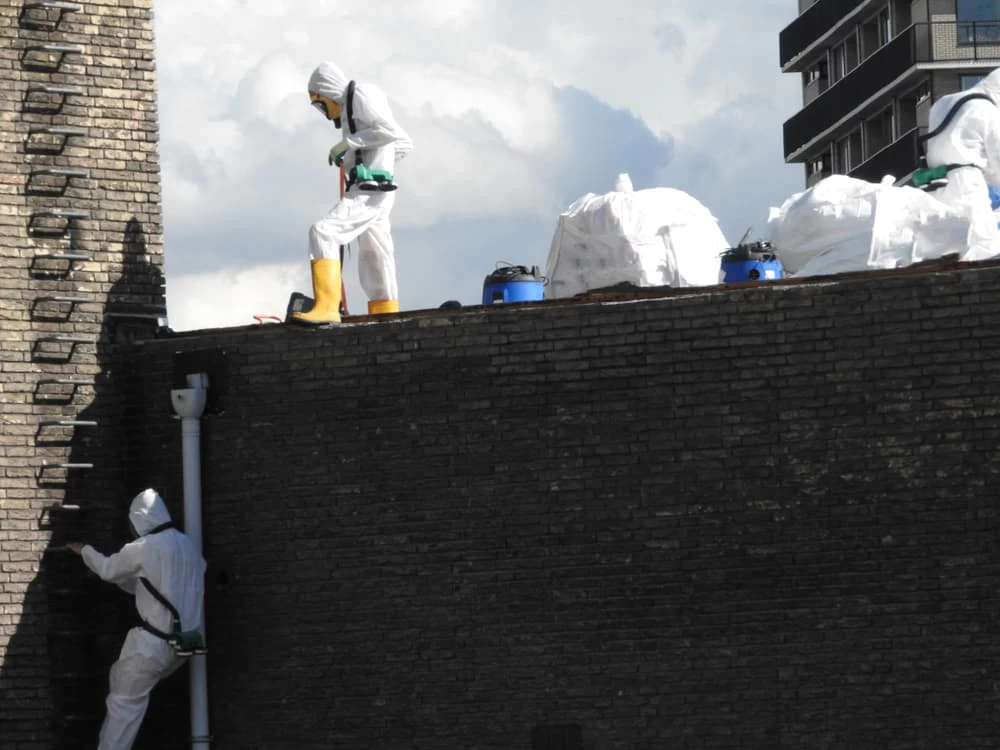
The removal itself is done under full containment, with air monitoring running throughout. When the work is complete, post-abatement clearance air testing confirms the space is safe before anyone re-enters. You walk away with a written clearance report not a verbal assurance, but actual documentation you can keep, share with a buyer, or file with your insurance company. That’s the standard on every job, not an upgrade.
Asbestos Tile and Popcorn Ceiling Removal, Wallkill Camp
Every Material Type, Every Situation, Handled Under One Roof
The most common asbestos-containing materials found in Wallkill Camp’s older housing stock include vinyl floor tiles particularly the 9×9 inch tiles common in mid-century farmhouse kitchens popcorn ceiling texture applied through the 1970s, pipe and duct insulation on older heating systems, joint compound on plaster walls, and roofing or siding materials on homes that haven’t been significantly updated since before 1980. We handle all of it, and our approach is the same regardless of material: containment, licensed removal, proper disposal at a permitted facility, and air clearance before re-occupancy.
For homeowners in the Gardiner area dealing with flood-related damage a real and recurring concern given the Wallkill River’s history we’re equipped to address asbestos and mold simultaneously when water intrusion has disturbed older materials. That combined capability matters because the two hazards frequently appear together in this region, and treating them separately with different contractors creates gaps in both timeline and documentation.
We also work directly with insurance companies on covered claims, which removes a significant administrative burden when the project was triggered by a storm, flood, or other insurable event. Every project includes full 30-year recordkeeping compliance as required by New York State law because documentation isn’t optional, and neither is doing this correctly.
Does my older Wallkill Camp farmhouse actually need asbestos testing before I renovate?
If your home was built before 1980 which covers a significant portion of the housing stock in the Town of Gardiner the honest answer is yes, you should have it tested before any renovation that disturbs existing materials. That includes flooring removal, opening walls, replacing insulation, updating a kitchen or bathroom, or pulling out an old boiler or furnace. These are exactly the kinds of projects that expose mid-century materials that may contain asbestos.
Under New York State Industrial Code Rule 56, if the disturbance exceeds ten square feet of surface area or twenty-five linear feet of pipe or duct insulation, you’re legally required to use a licensed abatement contractor. That threshold is easy to hit in a single room of an older farmhouse in Wallkill Camp. Testing first tells you what you’re dealing with before the renovation begins and in a market where buyers are thorough and inspectors are sharp, it protects you on the back end too.
What does asbestos abatement actually cost for a home in the Gardiner area?
The range varies based on the size of the project and what materials are involved. For a smaller residential job a single room, one type of material like floor tile or popcorn ceiling you’re typically looking at somewhere between $1,500 and $5,000. Mid-range projects covering a basement, multiple rooms, or pipe insulation on an older heating system tend to run $5,000 to $15,000. Larger whole-house or multi-material projects can go well beyond that.
What affects the number most is the scope of the assessment, the type and quantity of material being removed, and the complexity of containment required. In older homes throughout the Wallkill River Valley where renovation projects often uncover more than the original concern it’s not unusual for the scope to expand once the assessment is complete. We provide transparent pricing based on what’s actually there, not a lowball estimate that grows.
Can flood damage in Wallkill Camp create an asbestos problem I didn't know I had?
Yes, and it’s more common in this area than most homeowners expect. The Wallkill River runs through the Town of Gardiner, and flood events along that corridor can cause water intrusion that disturbs materials in older homes pipe insulation, floor tiles, ceiling materials that would otherwise sit undisturbed for years. Once those materials are wet, damaged, or physically disrupted, they can release asbestos fibers into the air, turning a water damage situation into an exposure risk.
The issue is that mold typically follows water damage quickly, which means you may be dealing with both hazards at the same time. We hold NYS DOL certifications for both asbestos abatement and mold remediation, so both problems can be assessed and addressed under a single project rather than requiring two separate contractors working around each other. If you’ve had water intrusion in a home built before 1980, getting an environmental assessment before any cleanup or repair work begins is the right move.
How long does the asbestos abatement process take from start to finish?
For most residential projects in Wallkill Camp, the active abatement work takes one to three days depending on the scope. But the full timeline from initial assessment through NYS DOL notification, abatement, and post-clearance air testing typically runs one to two weeks when you factor in regulatory requirements. Under New York State Industrial Code Rule 56, projects require advance notification to the Albany District Office before work can begin, which adds a procedural window to the schedule.
That said, emergency situations are handled differently. If water damage or storm damage has created an immediate exposure risk, we’re available around the clock and can respond to urgent situations outside of standard business hours. For planned renovation projects, the earlier you start the process, the more flexibility you have in scheduling around your renovation timeline.
What is post-abatement air clearance testing, and is it required in New York State?
Post-abatement air clearance testing is the step that confirms the abatement actually worked. After the physical removal is complete and the containment area has been cleaned, an air sample is collected and analyzed to verify that asbestos fiber levels in the space meet the clearance criteria required under New York State Industrial Code Rule 56. If the air doesn’t clear, the work isn’t done and no one re-enters the space until it does.
This isn’t optional, and it isn’t a formality. It’s a legal requirement for licensed abatement projects in New York State, and it’s the most important document you’ll receive at the end of the job. For homeowners in the Gardiner area who are selling a property, the clearance report is something you can hand directly to a buyer’s agent or home inspector. For families who are staying in the home, it’s the confirmation that the space is actually safe.
How do I know if a contractor doing asbestos work in Wallkill Camp is actually licensed?
The NYS DOL Asbestos Contractor License is publicly verifiable through the New York State Department of Labor’s online records. Any contractor performing asbestos abatement in New York State is required by law to hold this specific license not a general contractor’s license, not a home improvement license, but the asbestos-specific credential issued by the NYS DOL. You can look it up by company name before you sign anything.
This matters in a rural market like the Town of Gardiner, where word spreads through small communities and unlicensed operators sometimes take on work they’re not legally authorized to perform. Hiring an unlicensed contractor doesn’t just create a health risk it creates legal and financial liability for you as the property owner. If something goes wrong with an unlicensed abatement, you may be responsible for the cost of remediation, regulatory penalties, and any resulting health claims. Our NYS DOL license is current and verifiable. Ask for it. Check it. That’s the standard you should hold every contractor to before this work begins.