When a contractor stops mid-renovation and points at your floor tiles, you need answers fast not a company pretending to be local from a Rochester area code. We’re NYS DOL licensed and ready to handle asbestos abatement in Wawayanda, NY the right way.
I needed a professional consultation explanation of procedure for safe removal of Asbestos in my apartment complex. Without having an account yet, I was very impressed with the caring, knowledgeable and generous advice offered by Jessica, and will look forward to doing business in the future. Thank you so much! I feel much more informed about a sometimes scary endeavor. Peace. Nancy Silva Mineola, NY.
Mia Munoz
Used this company to clean up some water flood in my house. They were fast and easy to work with.very professional, Would recommend to anyone!
Nini Valle
Great company, had a flood and they responded quickly and efficiently. Billed my insurance company directly. I highly recommend this company!
joe colapietro, jr
I had pipe freeze in my basement right before a snow storm and they made to within an hour to help start the clean up process. They we by our side throughout the entire process and even helped with the insurance company. They did such a great job with the cleanup, repair, remidiation, I contracted them to perform the repairs and finishes in the basement. They came with enough manpower and material to get the job done. Leo and Jessica were nothing but a pleasure to deal with!!
Cristian Arredondo c
I had some water damage in my home and Green Island was able to take care of my issue quickly and effectively. I am very pleased with the work they did. They responded quickly and were very professional.
Michael M
Outstanding service! From the office to the field crew everyone was friendly, helpful and responsive. I highly recommend Green Island Group.
Your Renovation Restarts. Your Home Is Documented Safe.
A lot of homes in Wawayanda were built during the post-war construction boom the 1950s, 60s, and 70s and that era came with asbestos baked into the materials. Floor tiles, pipe insulation, popcorn ceilings, roofing felt on outbuildings. If you’re updating one of these properties, there’s a real chance you’ll encounter it. And when you do, the project stops until it’s handled correctly.
What changes after proper asbestos abatement isn’t just the air quality it’s everything downstream. Your contractor goes back to work. Your real estate transaction moves forward. Your permit stays clean. If you’re selling a home in Wawayanda’s current market, where prices have climbed sharply and buyers are paying close attention, a clearance certificate from a licensed abatement contractor isn’t optional it’s what closes the deal.
Wawayanda’s freeze-thaw winters also accelerate deterioration in unheated spaces. Basements, crawlspaces, old milk houses on agricultural parcels these are the spots where pipe insulation and ceiling tiles quietly break down over time. Getting ahead of that, before it becomes friable and airborne, is the kind of decision that protects your family and your investment at the same time.
We’ve been operating in the New York market for 12 years as an independently owned company. Not a franchise. Not a call center that routes your job to a subcontractor. Our credentials are real and verifiable: NYS DOL Asbestos Contractor License, USEPA Lead/RRP Certification, and dual M/WBE certification from both New York State and New York City a government-audited designation, not a self-awarded badge.
The institutional track record backs it up. We’ve performed abatement work for the NYS Office of General Services, the Dormitory Authority of the State of New York, and county governments that vet every contractor before a contract is awarded. If state agencies trust us with public buildings, you can trust us with yours.
Wawayanda residents whether you’re in Slate Hill, New Hampton, or out on a rural parcel near South Centerville are in our established Orange County service area. This isn’t a templated landing page. We know this region’s housing stock, its building department, and what the work actually requires here.
No Guesswork Here's Exactly What the Job Looks Like
It starts with an inspection and bulk material sampling. Suspected asbestos-containing materials are collected and sent to an accredited lab. You’ll know exactly what you’re dealing with before anything else happens no assumptions, no unnecessary removal, no upselling work that isn’t needed.
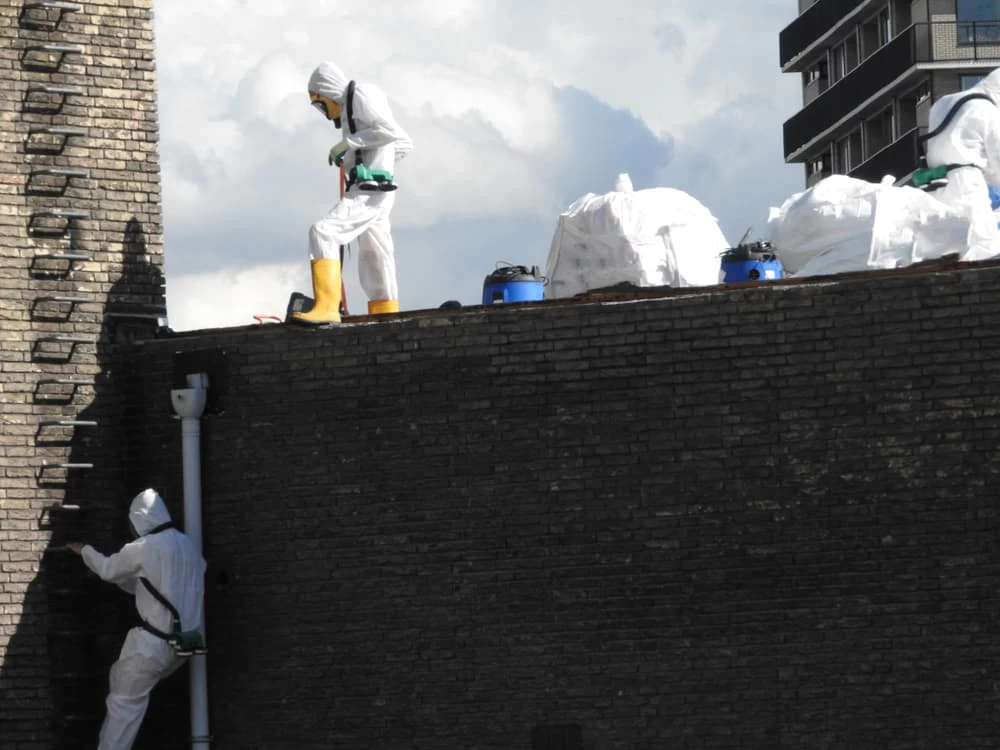
If abatement is required, we set up proper containment, establish negative air pressure in the work area, and remove the material following NYS DOL Part 56 regulations. In Wawayanda, any renovation or demolition project requiring a building permit triggers the need to address asbestos before other trades can continue. We handle the removal in a way that keeps your permit clean and your project on schedule with the town’s Code Enforcement office.
After removal, an independent industrial hygienist not us conducts post-abatement air monitoring. That third-party clearance certificate is the documentation your real estate attorney, your lender, or your general contractor needs to confirm the space is safe and the work was done right. Waste is disposed of legally, and you receive a complete documentation package. That’s what the end of this process looks like.
Asbestos Tile and Popcorn Ceiling Removal, Wawayanda
Every Material, Every Space Handled to Code
The most common asbestos-containing materials we encounter in Wawayanda homes are 9×9 and 12×12 vinyl floor tiles, popcorn ceiling texture, pipe and duct insulation in basements and mechanical rooms, roofing felt, and transite siding or roofing panels on older barns and outbuildings. Wawayanda’s agricultural history means a lot of properties include accessory structures equipment sheds, milk houses, old garages that were built with materials no longer used and often overlooked during renovation planning.
Our service covers the full scope: inspection, sampling, containment, licensed removal, legal disposal with manifests, and coordination of post-abatement air monitoring. We also handle mold remediation, lead paint removal, water damage, and fire damage because in older Orange County homes, these problems rarely show up alone. If your basement has asbestos pipe insulation and black mold behind the drywall, you don’t need two separate contractors and a scheduling headache. You need one team that can assess all of it.
For projects where the cost is unexpected and asbestos abatement almost always is we offer 0% APR financing up to $200,000. We also bill insurance directly for damage-related abatement scenarios, which matters when a storm or water event is what uncovered the problem in the first place.
Do I need a permit for asbestos removal in Wawayanda, NY?
Asbestos abatement in New York State is regulated under 12 NYCRR Part 56, which requires that any abatement work be performed by a contractor holding a valid NYS Department of Labor Asbestos Contractor License. In Wawayanda specifically, if you’re pulling a building permit for renovation or demolition work which the town’s Code Enforcement office requires for most structural projects you’ll need to address any asbestos-containing materials before other trades can legally continue. Skipping this step doesn’t just create a health risk; it can result in permit violations and project shutdowns that cost far more to resolve than the abatement itself.
For larger projects, NYSDEC NESHAP notification requirements may also apply before demolition begins. We handle the regulatory side of this process the notifications, the documentation, the disposal manifests so you’re not trying to navigate state and local requirements on top of managing a renovation. The clearance certificate issued at the end of the job is your proof that everything was done to code.
How much does asbestos removal typically cost in Orange County, NY?
Cost varies depending on the material type, the quantity, and where it’s located in the home. Asbestos floor tile removal in a single room is a very different scope than whole-house pipe insulation removal or a full popcorn ceiling abatement. For a typical residential project in Orange County say, asbestos tile removal in a kitchen or bathroom you’re generally looking at a range that starts around $1,500 to $3,000 for a contained area. Larger or more complex projects involving multiple materials or hard-to-access spaces can run $8,000 to $15,000 or more.
What catches most Wawayanda homeowners off guard is the timing this cost lands mid-renovation, after the renovation budget is already committed. That’s exactly why we offer 0% APR financing up to $200,000. The goal is to keep your project moving without forcing you to choose between doing the job right and staying financially intact. Get an actual scope and quote before making any assumptions about cost the range is wide, and the specifics matter.
What does asbestos look like in older Wawayanda homes, and how do I know if I have it?
You can’t identify asbestos by looking at it that’s the honest answer. It’s a microscopic fiber woven into building materials, and the materials themselves look completely normal. What you can do is recognize the materials that commonly contained asbestos during the construction eras most common in Wawayanda’s housing stock. If your home was built between 1940 and 1980, the most likely candidates are the 9×9 floor tiles in the kitchen or basement, the textured “popcorn” ceiling finish in bedrooms and living areas, the gray or white insulation wrapped around pipes in the basement or mechanical room, and the roofing or siding panels on older outbuildings.
If your contractor stops work and flags a material, or if you’re planning a renovation that will disturb any of these surfaces, the right move is to have samples collected by a licensed professional and sent to an accredited lab. Don’t sand it, don’t break it, don’t try to peel it up to look underneath. Disturbing a material that turns out to contain asbestos creates an exposure risk that proper abatement is specifically designed to prevent.
Will I need to leave my home during asbestos abatement in Wawayanda?
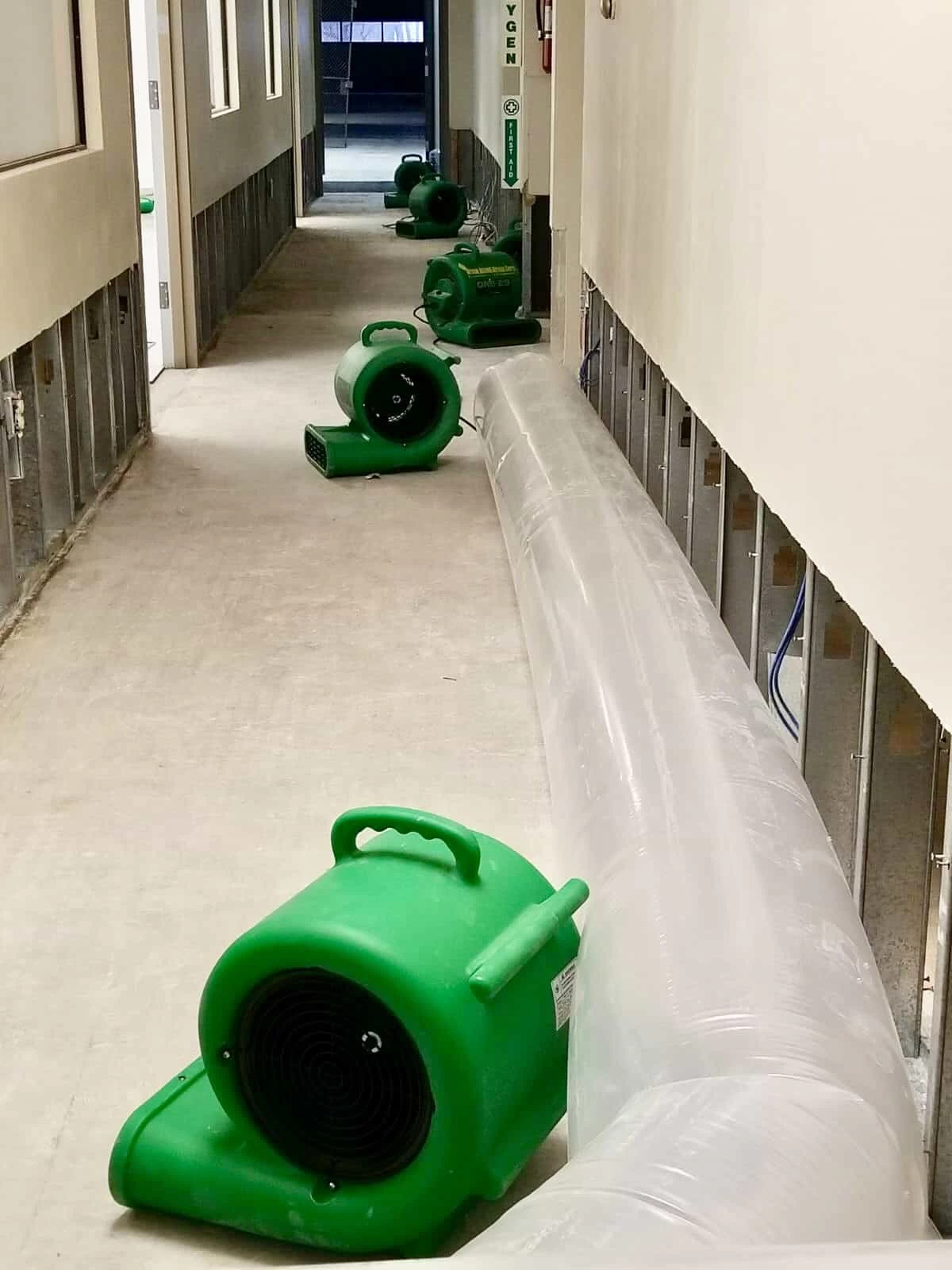
It depends on the scope and location of the work. For contained projects a single room, a section of basement pipe insulation, or a localized ceiling area it’s often possible to remain in the home while work is happening in a properly contained and sealed work zone. The abatement area is isolated with polyethylene barriers and maintained under negative air pressure, which prevents fibers from migrating into the rest of the house.
For larger projects involving multiple rooms, whole-floor tile removal, or work in HVAC-adjacent spaces where air circulation could carry fibers through the home, temporary relocation during the active abatement phase is the safer and more practical choice. Your specific situation will be assessed during the inspection phase, and you’ll know what to expect before work begins not the morning the crew shows up. The post-abatement air monitoring clearance is what determines when the space is safe to reoccupy, and that confirmation comes from an independent industrial hygienist, not from us.
Can asbestos abatement affect my home sale timeline in Wawayanda's real estate market?
It can but it doesn’t have to derail anything if you move quickly. Wawayanda’s real estate market has been active, with homes selling in around 34 days and median prices approaching $500,000. At that price point, buyers and their lenders are paying attention to inspection findings, and a flagged asbestos material without a remediation plan is a real obstacle to closing. The good news is that a well-managed abatement project inspection, removal, air monitoring, clearance certificate can often be completed within one to two weeks for a typical residential scope.
The clearance certificate issued by the independent industrial hygienist at the end of the project is the document your real estate attorney and the buyer’s lender will want to see. It confirms that the abatement was performed by a licensed contractor, that post-removal air testing was conducted, and that fiber levels are within safe limits. Having that documentation in hand before listing, or responding to it quickly after an inspection flag, is what keeps the transaction on track rather than letting it fall apart over a solvable problem.
Is the asbestos in old Wawayanda barn and outbuilding roofing actually a concern during demolition?
Yes, and it’s one of the most commonly overlooked asbestos risks on rural and semi-rural properties in this part of Orange County. Corrugated transite panels a cement-asbestos composite were widely used in agricultural construction through the 1970s for roofing and siding on barns, equipment sheds, and milk houses. Wawayanda’s agricultural history means these structures show up regularly on residential parcels, and they’re often targeted for demolition when a property is being updated or converted.
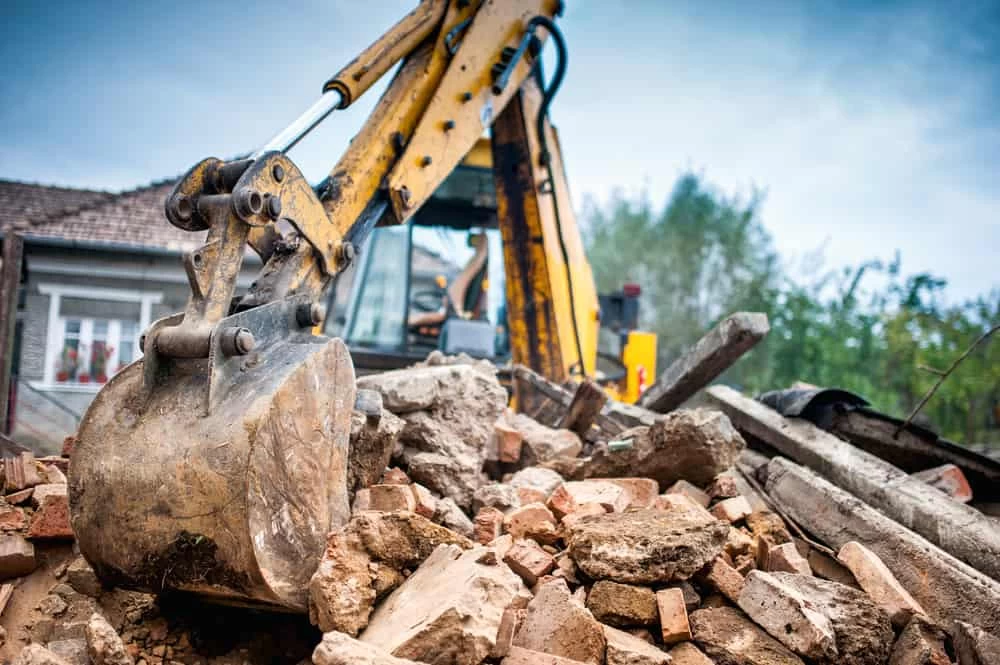
Under New York State law and NYSDEC NESHAP regulations, demolition of structures containing asbestos-containing materials requires a licensed abatement contractor to remove those materials before demolition begins. Bringing in an excavator to knock down an old barn without an asbestos survey first isn’t just a health risk it’s a regulatory violation that can result in significant fines and project shutdowns. If you have an outbuilding on your Wawayanda property that you’re planning to demolish or renovate, getting a proper survey done before any work starts is the step that protects you legally and keeps the project moving without interruption.