Your Reservoir-Side Home Deserves a Clean Bill of Health
West Hurley’s mid-century homes carry a lot of character and sometimes, a lot of asbestos. We provide licensed asbestos abatement in West Hurley, NY with documented air clearance so you know the job is actually done.
I needed a professional consultation explanation of procedure for safe removal of Asbestos in my apartment complex. Without having an account yet, I was very impressed with the caring, knowledgeable and generous advice offered by Jessica, and will look forward to doing business in the future. Thank you so much! I feel much more informed about a sometimes scary endeavor. Peace. Nancy Silva Mineola, NY.
Mia Munoz
Used this company to clean up some water flood in my house. They were fast and easy to work with.very professional, Would recommend to anyone!
Nini Valle
Great company, had a flood and they responded quickly and efficiently. Billed my insurance company directly. I highly recommend this company!
joe colapietro, jr
I had pipe freeze in my basement right before a snow storm and they made to within an hour to help start the clean up process. They we by our side throughout the entire process and even helped with the insurance company. They did such a great job with the cleanup, repair, remidiation, I contracted them to perform the repairs and finishes in the basement. They came with enough manpower and material to get the job done. Leo and Jessica were nothing but a pleasure to deal with!!
Cristian Arredondo c
I had some water damage in my home and Green Island was able to take care of my issue quickly and effectively. I am very pleased with the work they did. They responded quickly and were very professional.
Michael M
Outstanding service! From the office to the field crew everyone was friendly, helpful and responsive. I highly recommend Green Island Group.
Most people don’t call about asbestos until something forces the issue a renovation, a home inspection, a contractor who stops mid-job and tells you to call someone else first. When that moment hits, what you really want to know is: what does life look like on the other side of this? The short answer is that you stop guessing. You stop wondering whether that gray pipe wrap in the basement is a problem or whether the popcorn ceiling in the back bedroom is safe to sand. You have documentation that says your home is clear and that documentation means something.
For West Hurley specifically, this matters more than people realize. The hamlet sits inside the Catskill Park on the northern bank of the Ashokan Reservoir, and the housing stock here reflects that history. When New York City condemned and flooded the original village to build the reservoir between 1907 and 1915, the community rebuilt itself along Route 28 and most of those homes went up during the exact decades when asbestos was standard in American construction. Ranch homes, bi-levels, mid-century bungalows along Route 28A floor tiles, pipe insulation, joint compound, ceiling texture. It’s not a maybe. It’s a when.
Living adjacent to a protected NYC drinking water source also means the bar for environmental accountability is higher here than in most places. You’re not just protecting your family you’re in a watershed community where proper handling and disposal genuinely matters. When the work is done right, with post-abatement air monitoring and written clearance results, you’re not taking anyone’s word for it. You have proof.
Licensed Asbestos Contractor Serving Ulster County
The Credentials Here Are Real and Verifiable
We’re a full-service environmental remediation company serving West Hurley and the broader Ulster County area. The credential that matters most for this kind of work the NYS DOL Asbestos Handling License isn’t something every contractor carries. It’s a specific state-issued license governed by Industrial Code Rule 56, separate from a general contractor’s license, and it’s what legally authorizes asbestos abatement work in New York State. We hold it. You can look it up.
Beyond licensing, we carry IICRC certification, USEPA Lead and RRP certifications, and NYC BIC Trade Waste authorization the kind of credential depth that matters when your project involves insurance, permits, or regulatory sign-off. When you’re in a community like West Hurley, where the Town of Hurley building department and the NYS DOL’s Asbestos Control Bureau are both in the picture, you want a contractor who knows that landscape, not one running geo-targeted ads from Albany or Rochester.
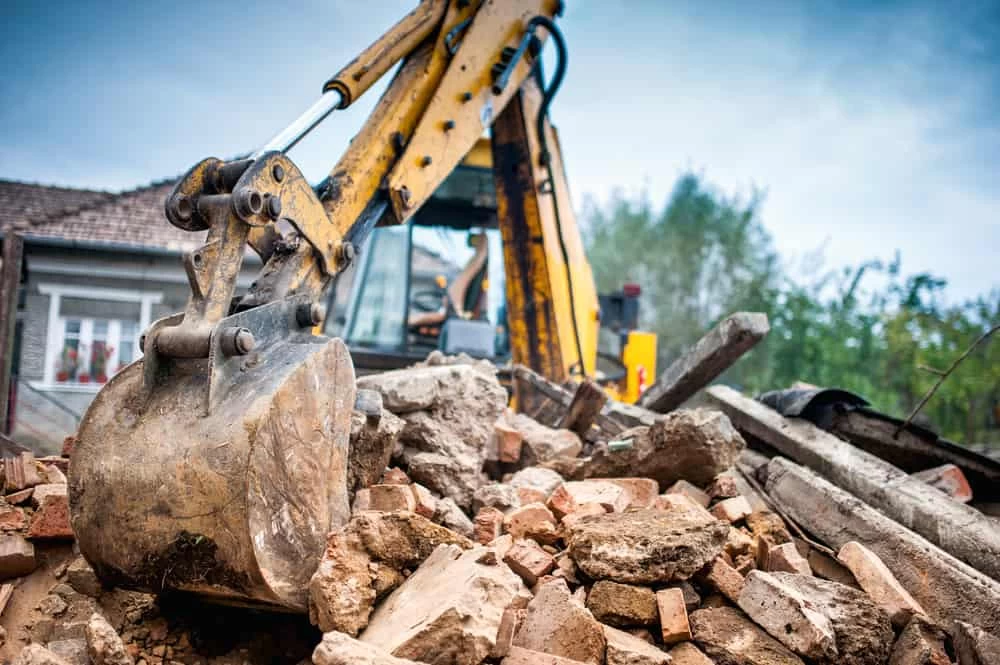
We also handle mold remediation, water damage restoration, and demolition which matters in older Catskills homes where one problem rarely shows up alone.
No Surprises Here's What the Process Actually Looks Like
It starts with an assessment. Before anything is removed, the materials in question need to be properly identified either through visual inspection by a licensed professional or, when needed, laboratory sample analysis. In West Hurley’s mid-century housing stock, the most common suspects are 9×9 floor tiles, pipe and boiler insulation, textured ceilings, and old drywall joint compound. Knowing exactly what you’re dealing with is what separates a real abatement plan from guesswork.
Once the scope is confirmed, the project gets filed. Under NYS Industrial Code Rule 56, any asbestos disturbance covering 10 or more square feet or 25 or more linear feet requires pre-project notification to the NYS DOL before work begins. We handle that paperwork you don’t have to navigate it yourself. For homeowners pulling a renovation permit through the Town of Hurley, this step is what keeps your project timeline from stalling.
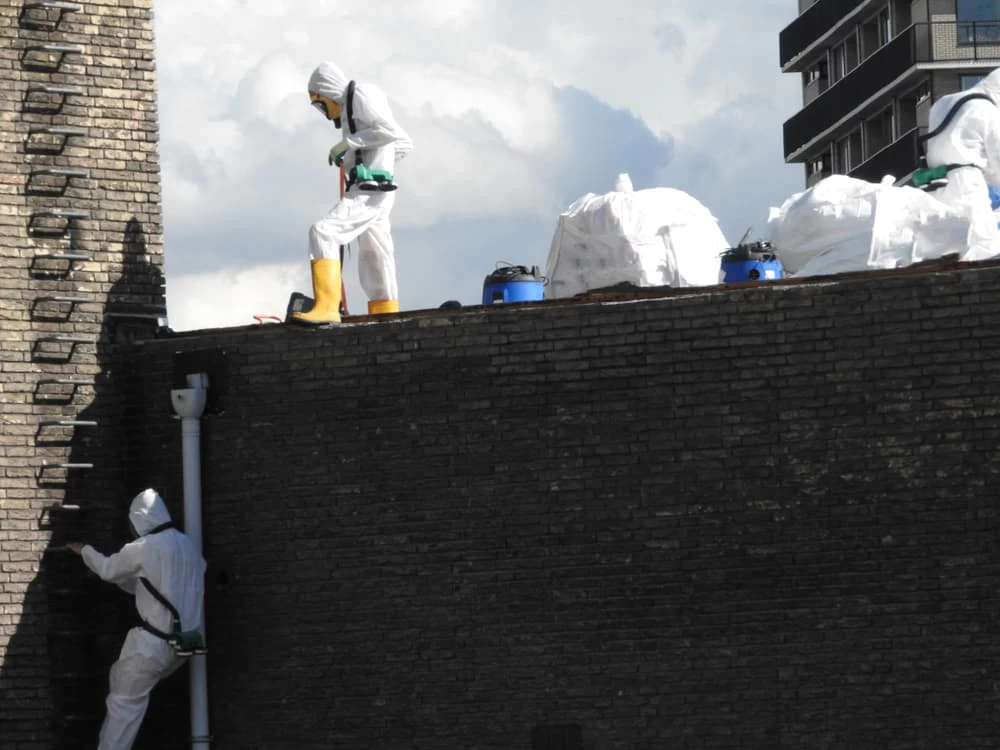
The removal itself is done under full containment protocols negative air pressure, sealed work zones, certified workers. When the abatement is complete, post-abatement air monitoring is conducted to verify the space is clear. You receive written clearance documentation. That’s not an add-on it’s part of how the job gets done. Asbestos waste is then transported and disposed of at approved facilities, which matters specifically in a NYC watershed community like West Hurley where environmental disposal standards carry real weight.
Asbestos abatement isn’t one-size-fits-all, and the scope of what’s needed in a West Hurley home depends on what’s there, where it is, and what you’re planning to do with the space. The most common asbestos removal projects in this area involve floor tile removal particularly the 9×9 vinyl tiles found in homes built between the 1950s and early 1970s that line much of the Route 28 and Route 28A corridors. Pipe and boiler insulation in basements and crawlspaces is another frequent find, especially in homes that haven’t had mechanical systems updated in decades. Popcorn ceiling removal and drywall joint compound are also common, particularly in homes being renovated by newer owners who bought in the post-2020 Catskills real estate surge.
Every project includes licensed, certified workers, proper containment setup, regulatory notification handling, and post-abatement air monitoring with written clearance documentation. If your project is tied to a homeowners insurance claim storm damage, a burst pipe, fire we bill your insurance directly, which removes a significant administrative burden when you’re already managing a stressful situation.
For West Hurley homeowners who also discover mold or water damage during the abatement process which happens more often than not in homes of this age we can address those issues under the same project rather than requiring you to bring in a second contractor. One point of contact, one coordinated scope of work.
Do West Hurley homes actually have asbestos, or is that overstated?
It’s not overstated it’s a function of when most of West Hurley was built. After the original village was condemned and relocated to make way for the Ashokan Reservoir in the early 1900s, the community rebuilt itself primarily between the 1910s and 1970s. That construction era maps almost exactly onto the period when asbestos was a standard material in American residential building used in floor tiles, pipe insulation, ceiling texture, roofing, siding, and drywall joint compound.
The ranch-style and bi-level homes that make up a large portion of West Hurley’s residential stock were built predominantly in the 1950s through 1970s, which is peak asbestos-use territory. If your home was built before 1980 and hasn’t been fully renovated, there’s a meaningful chance asbestos-containing materials are present somewhere in the structure even if they’re not visible or currently disturbed. The only way to know for certain is to have a licensed professional assess the materials in question.
What triggers the legal requirement for licensed asbestos abatement in New York State?
Under NYS Industrial Code Rule 56, any asbestos disturbance covering 10 or more square feet or 25 or more linear feet requires a licensed abatement contractor, certified workers, pre-project notification to the NYS DOL, post-abatement air monitoring, and 30-year record retention. This applies everywhere in New York State including West Hurley and the rest of Ulster County. It’s enforced by the NYS DOL’s Asbestos Control Bureau, which oversees this region from its Albany district office.
The threshold is lower than most people expect. A single room of floor tile removal, a section of basement pipe insulation, or a portion of popcorn ceiling can easily cross those limits. If you’re pulling a renovation permit through the Town of Hurley for work on a pre-1980 structure, the permit process itself will flag the asbestos survey requirement. Trying to work around it isn’t just a regulatory risk it’s a liability that falls on the property owner, not just the contractor.
How do I know if the asbestos removal in my home was done correctly?
The clearest indicator is post-abatement air monitoring with documented clearance results. After a properly conducted abatement, air samples are collected from the work area and analyzed by qualified personnel. If the results come back below the clearance threshold, you receive written documentation confirming the space is clear. That paperwork is your objective proof not a contractor’s verbal assurance, not a visual inspection of the work area.
This matters especially in West Hurley, where many homeowners are professionals who expect accountability and documentation and where living adjacent to the Ashokan Reservoir creates a heightened awareness of environmental outcomes. If a contractor completed asbestos work in your home and you never received air clearance documentation, you don’t actually have confirmation the job was done to standard. We provide this documentation as a standard part of every project, not as an optional upgrade.
Can I renovate my West Hurley home without getting an asbestos inspection first?
Technically, you can start planning but once you’re ready to pull a permit or physically disturb building materials in a pre-1980 structure, an asbestos survey becomes a legal requirement, not a suggestion. The Town of Hurley building department follows New York State’s permitting requirements, which tie directly into Industrial Code Rule 56. Any permitted renovation work on an older home that could disturb asbestos-containing materials requires documentation that the materials have been identified and, if present, properly abated before the work proceeds.
Beyond the legal side, there’s a practical reason to get the inspection early. Discovering asbestos mid-renovation after walls are open, tiles are cracked, or insulation has been disturbed creates a much more complicated and expensive situation than addressing it before work begins. Many of the renovation projects happening in West Hurley right now involve homes purchased during the post-2020 Catskills buying surge. If you bought an older home to renovate as a primary residence or weekend retreat, getting an asbestos assessment before demo starts is the move that protects your timeline and your budget.
How much does asbestos abatement typically cost in the West Hurley area?
Cost depends on the scope what materials are involved, how much of it there is, and where it’s located in the home. For a single-room floor tile removal or a contained section of pipe insulation, you might be looking at $1,500 to $3,500. Larger projects involving multiple material types, full basement pipe systems, or whole-home assessments prior to a major renovation can run $8,000 to $30,000 or more depending on the findings.
In the West Hurley and broader Ulster County market, pricing for licensed abatement reflects what the work actually requires certified labor, containment setup, regulatory notifications, air monitoring, and proper disposal at approved facilities. Quotes that come in significantly lower than this range are worth scrutinizing carefully. In a watershed community like West Hurley, disposal shortcuts are both an environmental concern and a regulatory one. If your project is part of an insurance claim, we bill your carrier directly which can significantly reduce your out-of-pocket exposure depending on your policy coverage.
What's the difference between asbestos encapsulation and full removal which one do I need?
Encapsulation means sealing the asbestos-containing material in place so it can’t release fibers it’s still there, but it’s no longer a disturbance risk. Full removal means the material is physically taken out, contained, and disposed of at an approved facility. Which approach is appropriate depends on the condition of the material, where it is, and what you’re planning to do with the space.
If the asbestos-containing material is in good condition and won’t be disturbed by planned renovations, encapsulation can be a legitimate option. But if you’re renovating opening walls, replacing flooring, updating mechanical systems encapsulation doesn’t work because the renovation itself would disturb the material anyway. For most West Hurley homeowners who are actively renovating older homes, full removal is the practical answer. It also produces a cleaner outcome for resale: buyers and their inspectors increasingly want to see clearance documentation, not just a note that materials were sealed in place. Either way, both approaches require a NYS DOL licensed contractor in New York State this isn’t a DIY decision regardless of which path you take.