Whitestone's Older Homes Deserve More Than a Guess
Most homes in Whitestone were built between the 1920s and 1950s and nearly every one of them was constructed when asbestos was standard. We provide licensed asbestos abatement in Whitestone, NY, with the documentation your home, your renovation, and your peace of mind actually require.
I needed a professional consultation explanation of procedure for safe removal of Asbestos in my apartment complex. Without having an account yet, I was very impressed with the caring, knowledgeable and generous advice offered by Jessica, and will look forward to doing business in the future. Thank you so much! I feel much more informed about a sometimes scary endeavor. Peace. Nancy Silva Mineola, NY.
Mia Munoz
Used this company to clean up some water flood in my house. They were fast and easy to work with.very professional, Would recommend to anyone!
Nini Valle
Great company, had a flood and they responded quickly and efficiently. Billed my insurance company directly. I highly recommend this company!
joe colapietro, jr
I had pipe freeze in my basement right before a snow storm and they made to within an hour to help start the clean up process. They we by our side throughout the entire process and even helped with the insurance company. They did such a great job with the cleanup, repair, remidiation, I contracted them to perform the repairs and finishes in the basement. They came with enough manpower and material to get the job done. Leo and Jessica were nothing but a pleasure to deal with!!
Cristian Arredondo c
I had some water damage in my home and Green Island was able to take care of my issue quickly and effectively. I am very pleased with the work they did. They responded quickly and were very professional.
Michael M
Outstanding service! From the office to the field crew everyone was friendly, helpful and responsive. I highly recommend Green Island Group.
Your Whitestone Renovation Shouldn't Stop at the Subfloor
When a contractor pulls up old kitchen tile in a 1940s Whitestone Colonial and stops work, the clock starts running. Every day that project sits idle costs you money contractor time, carrying costs, a delayed closing. What you need is someone who can come in, assess the situation clearly, and move the process forward without adding confusion to an already stressful moment.
The housing stock throughout Whitestone is genuinely old. Dutch colonials, Tudors, Cape Cods, ranch homes most of them built decades before asbestos was ever regulated. That means the risk isn’t hypothetical. It’s in the floor tiles, the pipe wrap in the basement, the acoustic texture on the ceiling. The question isn’t usually whether asbestos is present it’s where, how much, and what needs to happen before work can continue.
With median home values sitting above $1 million in Whitestone, the stakes of a botched or undocumented abatement are real. A failed inspection, a DEP violation, a buyer walking away at closing none of that is recoverable with a low bid from an unlicensed crew. What you get from us is a licensed, documented, air-cleared result that holds up when it counts.
The Credential Stack Most Whitestone Contractors Can't Match
We’re a full-service environmental remediation contractor serving all five New York City boroughs, including Queens. Whitestone is core service territory not a stretch market. Our team is familiar with the pre-war and post-war construction common throughout northern Queens, from the estate-scale properties in Malba to the mid-century homes along the waterfront in Beechhurst.
Our license list matters here. NYS DOL Asbestos licensing, NYC General Contractor, USEPA Lead/RRP, IICRC, NADCA, NYC BIC Trade Waste, and NYS MBE/WBE and NYC MWBE certifications all independently issued, all current. That combination is rare among local competitors, and it means one contractor can take your Whitestone project from initial assessment through abatement, air clearance, and full reconstruction without handing you off.
We’re available 24 hours a day, 7 days a week. Clients consistently call out phone responsiveness and our ability to navigate insurance claims directly two things that matter most when you’re dealing with an unexpected discovery mid-renovation.
From Suspected Material to Clearance Certificate Here's the Sequence
It starts with assessment. Before anything is touched, a DEP-certified investigator surveys the property to identify and confirm asbestos-containing materials. In Whitestone, virtually every home predates 1987 which means NYC DEP regulations apply, and that survey isn’t optional. It’s the first step in a required sequence before your Department of Buildings renovation permit can move forward.
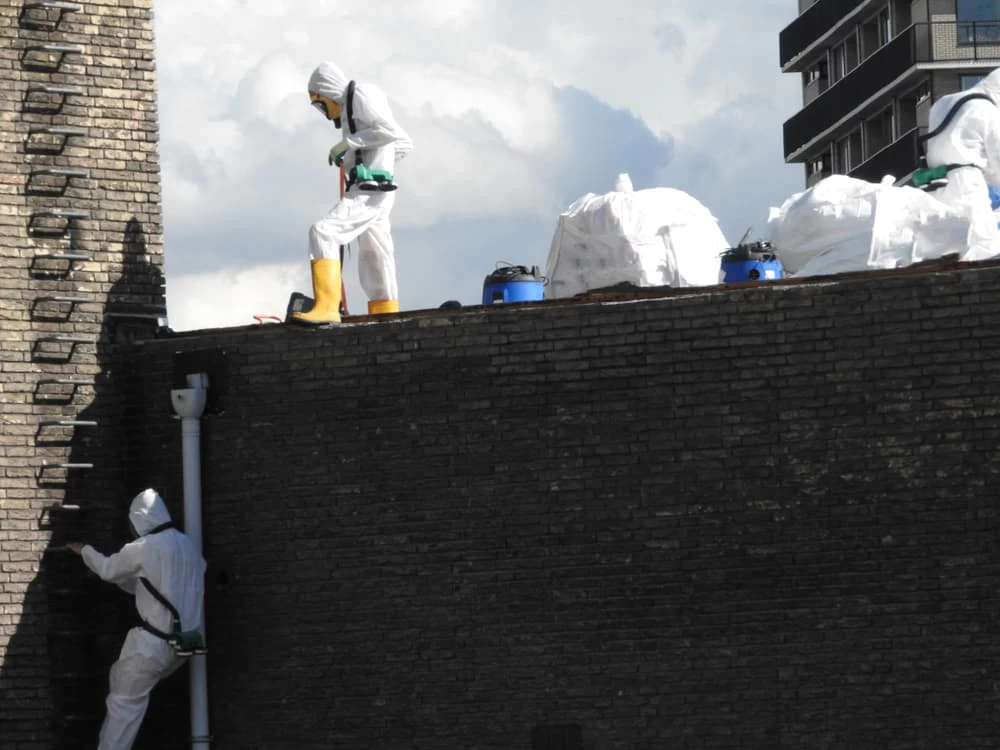
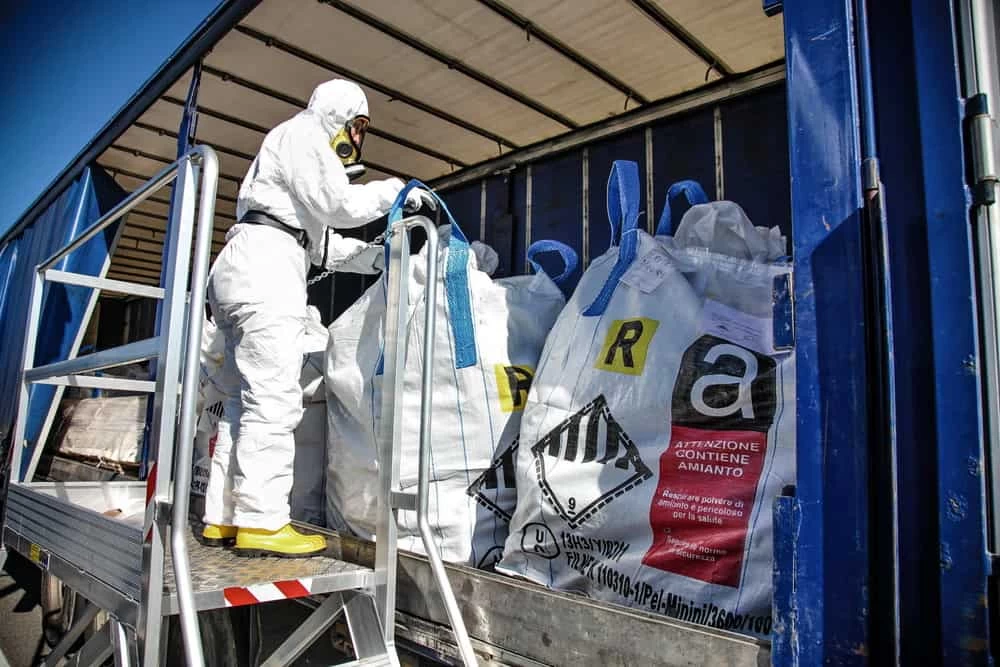
Once the scope is confirmed, we submit the abatement plan to NYC DEP via the ACP-7 Asbestos Project Notification Form through the ARTS system. This is the regulatory step that many homeowners don’t know exists until their permit gets blocked. We handle the filing. The abatement itself involves full containment of the affected area, deployment of Microtrap air scrubbers to maintain negative air pressure, and removal by NYS DOL-licensed technicians following Industrial Code Rule 56.
After removal, post-clearance air quality testing is conducted by an independent party to verify that fiber levels are within safe limits. You receive a clearance certificate the actual document your real estate attorney, title company, or insurance adjuster will ask for. That certificate is what closes the loop, and it’s included as a standard deliverable, not an add-on.
Asbestos Abatement and Removal Services, Queens NY
What's Actually Included When You Call Us
Our scope of asbestos abatement services covers the full range of materials common in Whitestone’s older housing stock vinyl asbestos tile removal, popcorn ceiling asbestos removal, pipe and boiler insulation, drywall joint compound, roofing materials, and HVAC duct insulation. These aren’t obscure edge cases. They’re the materials found in nearly every home built between the 1920s and 1970s throughout northern Queens.
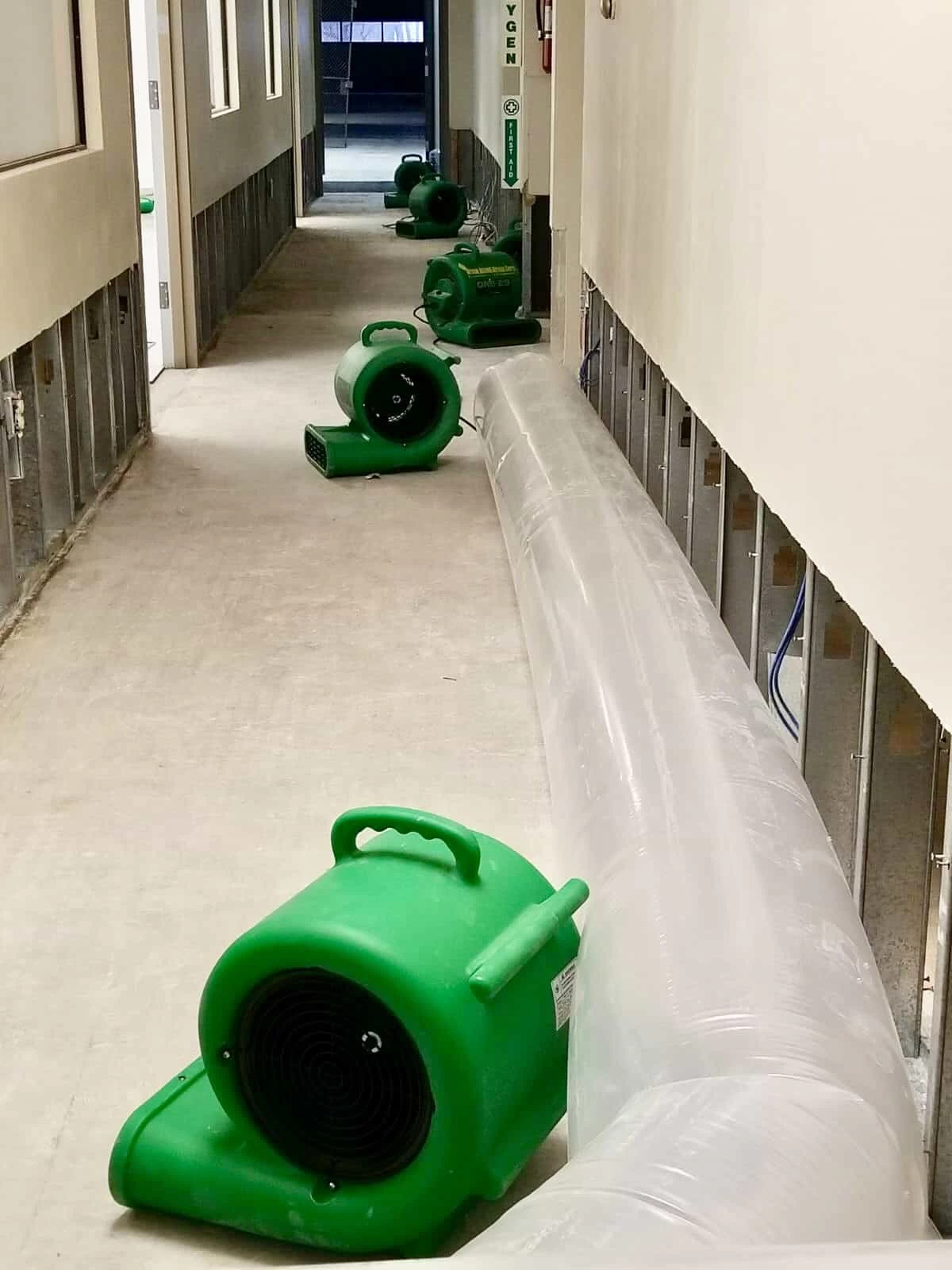
For Whitestone homeowners dealing with water damage alongside asbestos a scenario that comes up more than you’d think in a waterfront neighborhood with older basement construction our IICRC-certified water restoration team and our asbestos abatement team operate under the same roof. One call handles both. You don’t need to coordinate two separate contractors while your basement sits wet.
For commercial property owners, building managers, or public-sector clients in Queens Community District 7, our NYS MBE, WBE, and NYC MWBE certifications make us a qualifying vendor for contracts with diversity spend requirements something most abatement competitors in this market cannot offer. Whether the project is a single-family home in Beechhurst or a multi-unit building near Flushing, our process, licensing, and documentation standard are the same.
Do I need a permit for asbestos removal in my Whitestone home?
Yes and the process in Whitestone is more involved than most homeowners expect, because Whitestone is New York City. NYC DEP has governed asbestos handling since 1987, and before any asbestos-containing material is disturbed in a pre-1987 building, DEP approval is required. That means a survey by a DEP-certified investigator first, then submission of an ACP-7 Asbestos Project Notification Form through DEP’s online ARTS system before abatement work begins.
This regulatory sequence also connects directly to your NYC Department of Buildings renovation permit. If you’re planning a kitchen gut, a bathroom renovation, a basement finishing project any work that requires a DOB permit the asbestos assessment has to happen first. Skipping it doesn’t just create a health risk; it blocks your permit and can expose you to DEP violations that follow the property, not just the contractor. We handle the DEP filing process as part of the project, so you’re not navigating that on your own.
How do I know if my older Whitestone house actually contains asbestos?
If your Whitestone home was built before 1980 which describes the overwhelming majority of homes in this neighborhood there’s a reasonable chance asbestos-containing materials are present somewhere. The most common locations in the housing types found throughout Whitestone are vinyl floor tiles (especially in kitchens and basements), pipe and boiler insulation in homes with steam heat systems, acoustic spray texture on ceilings, roofing shingles, and drywall joint compound.
You can’t identify asbestos visually. Materials that look completely intact and undamaged can still contain asbestos, and the only way to confirm it is through sampling and laboratory analysis by a certified inspector. The important thing to understand is that undisturbed asbestos in good condition is generally not an immediate hazard the risk comes when materials are cut, sanded, drilled, or demolished. That’s why the assessment happens before renovation work begins, not after someone’s already opened up a wall.
What happens if asbestos is found during a renovation already in progress in Whitestone?
Work stops and that’s actually the right call. If your contractor discovers suspect material mid-project and halts work, they’re following the correct protocol. The next step is to have the material sampled and tested by a certified inspector before anything else is touched. Disturbing confirmed asbestos without proper containment and licensing is a serious regulatory violation in New York City, and the consequences DEP fines, project shutdowns, and potential health liability are not worth pushing through.
In this situation, time matters. We operate 24/7 and can respond quickly to get the assessment process moving. Once the material is confirmed and the abatement scope is defined, the ACP-7 notification is filed with NYC DEP, containment goes up around the affected area, and our licensed crew completes the removal. In many cases, the rest of the renovation can continue in unaffected areas while abatement is underway you don’t necessarily have to shut the entire project down while you wait.
Does homeowners insurance cover asbestos removal in Whitestone, NY?
It depends on what triggered the discovery. Standard homeowners insurance policies generally do not cover asbestos abatement as a standalone maintenance issue meaning if you simply decide to renovate and find asbestos, that’s typically out of pocket. However, if the asbestos was disturbed or exposed as a result of a covered event a pipe burst, basement flooding, fire damage, or storm-related water intrusion the abatement may be covered as part of the broader claim.
This distinction matters a lot in Whitestone, where older homes near the East River waterfront are not strangers to basement flooding and moisture-related damage. When a water damage event uncovers asbestos-containing pipe insulation or floor tiles, you’re dealing with two problems at once and the insurance claim needs to account for both. We bill insurance companies directly and have navigated this exact scenario many times. Having one contractor handle both the water restoration and the asbestos abatement, under a single claim, simplifies the process considerably.
How long does asbestos abatement typically take in a residential home?
For most residential projects a single room, a section of pipe insulation, a popcorn ceiling in one or two rooms the abatement itself typically takes one to five days once the regulatory filing is approved and our crew is on-site. The total timeline from first call to clearance certificate is longer, because the NYC DEP notification process requires advance submission before work can begin. Planning ahead, especially if you’re on a renovation schedule or approaching a sale closing date, makes a significant difference.
For larger projects a full basement, multiple rooms, or a home with asbestos in several material types simultaneously the timeline extends accordingly. The post-removal air clearance testing adds a day or two after the physical work is complete, since the independent air quality test needs time to confirm that fiber levels have dropped to acceptable levels. That clearance certificate is what you need before the space can be reoccupied or before reconstruction begins, so it’s not a step that can be rushed or skipped.
What should I look for when hiring an asbestos abatement contractor in Whitestone, NY?
The minimum bar is a current NYS DOL Asbestos license this is a legal requirement for any contractor performing asbestos abatement in New York State, and it’s verifiable through the NYS Department of Labor. Beyond that, for a property in Whitestone specifically, you want a contractor who understands the NYC DEP regulatory process cold. The ACP-7 filing, the ARTS system, the coordination with DOB permit requirements these are NYC-specific steps that a contractor who primarily works in Nassau or Suffolk may not be fluent in.
Ask whether post-removal air clearance testing is included as a standard deliverable. Some contractors remove the material and consider the job done but without an independent clearance certificate, you have no documented proof that the abatement was successful. That certificate is what your real estate attorney will ask for, what your insurance adjuster will want to see, and what protects you if questions come up later. In a neighborhood like Whitestone where homes routinely sell above $1 million, the documentation is as important as the removal itself.