If your home was built before 1980 and a lot of them in Wiccopee were asbestos abatement isn’t a maybe. We handle it right, fast, and fully licensed under New York State law.
I needed a professional consultation explanation of procedure for safe removal of Asbestos in my apartment complex. Without having an account yet, I was very impressed with the caring, knowledgeable and generous advice offered by Jessica, and will look forward to doing business in the future. Thank you so much! I feel much more informed about a sometimes scary endeavor. Peace. Nancy Silva Mineola, NY.
Mia Munoz
Used this company to clean up some water flood in my house. They were fast and easy to work with.very professional, Would recommend to anyone!
Nini Valle
Great company, had a flood and they responded quickly and efficiently. Billed my insurance company directly. I highly recommend this company!
joe colapietro, jr
I had pipe freeze in my basement right before a snow storm and they made to within an hour to help start the clean up process. They we by our side throughout the entire process and even helped with the insurance company. They did such a great job with the cleanup, repair, remidiation, I contracted them to perform the repairs and finishes in the basement. They came with enough manpower and material to get the job done. Leo and Jessica were nothing but a pleasure to deal with!!
Cristian Arredondo c
I had some water damage in my home and Green Island was able to take care of my issue quickly and effectively. I am very pleased with the work they did. They responded quickly and were very professional.
Michael M
Outstanding service! From the office to the field crew everyone was friendly, helpful and responsive. I highly recommend Green Island Group.
Most homeowners in Wiccopee don’t go looking for asbestos they find it mid-renovation, during a home inspection, or after a storm tears into something that was holding together just fine until it wasn’t. And once it’s found, the project stops. The contractor waits. The family’s in limbo. That’s the moment where who you call actually matters.
Wiccopee’s housing stock tells the story clearly. A significant portion of homes here were built between the 1940s and 1970s peak asbestos-use decades and many have been renovated and added onto since, layering mid-century materials under newer finishes. Floor tiles, pipe insulation, attic insulation, roofing, popcorn ceilings these are the places asbestos hides in Wiccopee homes, and they’re exactly what gets disturbed during the kind of renovation work that’s happening all over this area right now.
The Hudson Valley’s winters make this more urgent than people realize. Freeze-thaw cycles crack pipe insulation. Ice dams push water under roofing materials. A flooded basement doesn’t just mean water damage it can mean disturbed asbestos floor tiles that were stable until they weren’t. When that happens, you need a contractor who answers the phone and knows what to do, not one who calls you back three days later with a generic quote. After proper abatement, you get your project back on track, your home documented as safe, and the peace of mind that comes from knowing it was done to code not just done.
12 Years In, 5,000 Projects Deep Here's What That Means for You
We’ve been doing licensed asbestos abatement, remediation, and environmental work across New York State for over 12 years. More than 5,000 completed projects. That’s not a marketing number it means we’ve seen what’s inside the walls of older Wiccopee homes, know how Dutchess County’s regulatory environment works, and don’t need to figure things out on your dime.
We’re NYS DOL licensed, MWBE certified, and approved as a contractor for New York State agencies a level of vetting that most local competitors haven’t gone through. For homeowners in Wiccopee and throughout the East Fishkill area, that matters. It means the paperwork is real, the credentials are verified, and the work holds up to scrutiny if your home inspector, real estate attorney, or insurance adjuster comes looking.
We also handle mold remediation, water damage, and fire restoration which is relevant here, because in older Wiccopee homes, asbestos rarely shows up alone.
It starts with a certified inspection. Under New York State Industrial Code Rule 56 the regulation that governs all asbestos work in Dutchess County a licensed asbestos inspector must survey the affected area before any abatement work begins. No exceptions based on when your home was built. That inspection identifies what materials are present, whether they’re friable or stable, and what level of abatement is required. You get a clear picture before anyone touches anything.
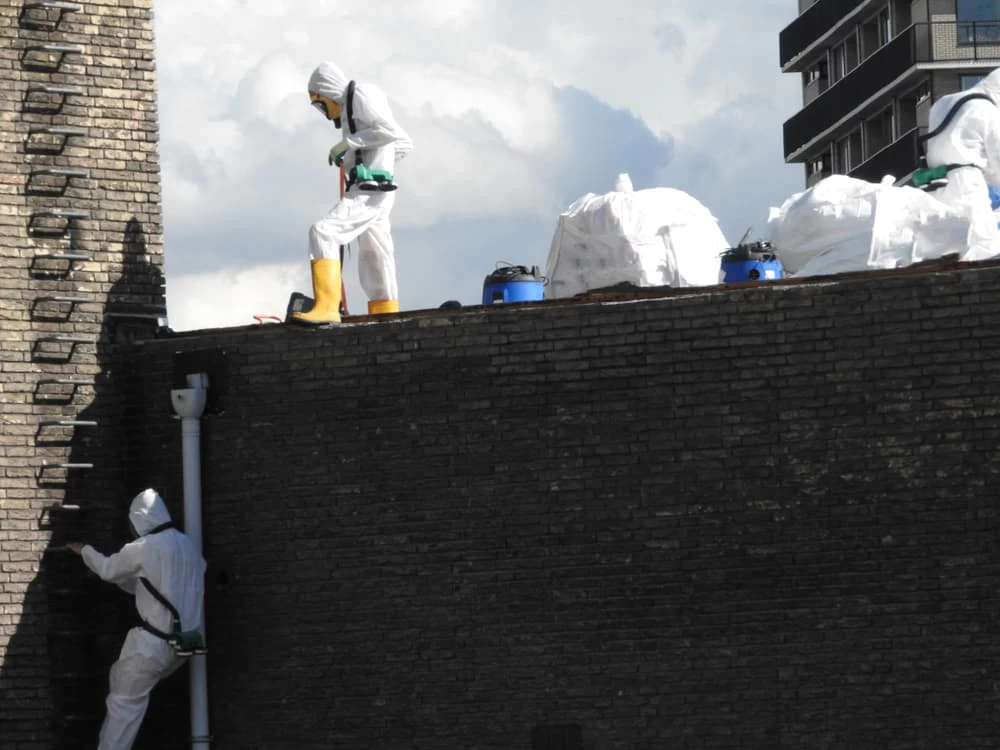
From there, the work area is sealed and contained. Negative air pressure systems and HEPA filtration keep fibers from migrating to other parts of your home. Wet removal methods minimize airborne particles during the actual removal. All waste is packaged and transported by licensed haulers to NYSDEC-approved disposal facilities the full chain of custody is documented. Nothing gets cut short.
Once the work is complete, post-abatement air clearance testing confirms that fiber levels are back to safe levels before your family returns to the space. You get written documentation of that clearance which matters not just for your peace of mind, but for any future buyer, inspector, or lender who wants proof the job was done properly. If your situation involves storm damage or water damage alongside the asbestos, we handle all of it under one roof so you’re not coordinating between multiple contractors while your home is out of commission.
Every Material, Every Room Covered Under One Licensed Contractor
Asbestos abatement in a Wiccopee home isn’t one-size-fits-all. The materials vary, the scope varies, and the regulatory requirements under NYS ICR 56 vary depending on project size. Small projects under 10 square feet or 25 linear feet carry different notification requirements than moderate or large-scale abatement. We manage all of that. You don’t need to know the thresholds. You need a contractor who does.
The materials most commonly found in Wiccopee homes of this era include 9×9 vinyl asbestos floor tiles and the mastic adhesive beneath them, pipe and boiler insulation, attic insulation, roofing shingles, exterior siding, and spray-applied popcorn ceilings. Asbestos tile removal, popcorn ceiling removal, and pipe insulation abatement are among the most frequent scopes of work in this area and each one has specific handling protocols that differ from the others. Our certified handlers and supervisors are trained and credentialed for all of them.
For homeowners in Wiccopee who are planning renovations, selling a home, or dealing with storm damage, the starting point is always the same: a certified inspection first. From inspection through final air clearance testing and disposal documentation, everything is handled in-house. One call, one contractor, full compliance.
Does my Wiccopee home actually need an asbestos survey before I renovate?
Yes and this is one of the most misunderstood rules in New York State. Under Industrial Code Rule 56, a certified asbestos inspector must survey any building before interior or exterior renovation, remodeling, repair, or demolition work begins. That requirement applies regardless of when your home was built. There is no cut-off date that exempts newer construction. The NYS Department of Labor’s Asbestos Control Bureau enforces ICR 56 in Dutchess County through its Albany district office, and violations carry real penalties for both homeowners and contractors.
For a home in Wiccopee built in the 1960s or 1970s, the survey isn’t just a legal formality. It’s the only way to know what’s actually in the materials you’re about to disturb. Floor tiles, pipe insulation, attic insulation these aren’t always visible as asbestos-containing. A certified inspection identifies the risk before your general contractor pulls something apart and creates an exposure situation mid-project.
How much does asbestos removal typically cost for a home in Wiccopee?
For most residential asbestos abatement projects in Wiccopee and the surrounding Dutchess County area, costs generally range from around $1,200 to $3,200 for average-scope work. That range shifts depending on the material type, the size of the affected area, and the access involved. Specialty applications like attic insulation removal or HVAC system abatement tend to run higher often in the range of $11 to $25 per square foot for attic insulation, and $35 to $55 per square foot for HVAC-related materials.
What drives cost variation more than anything is scope. A single room with floor tile removal is a very different project from a whole-house survey followed by pipe insulation abatement throughout a basement and utility area. The certified inspection that NYS ICR 56 requires before any work begins is what gives you an accurate scope and from there, a real number. Getting a quote without an inspection first is essentially a guess, and in a regulatory environment as specific as New York’s, guesses tend to get expensive.
What happens if storm damage in my Wiccopee home exposes asbestos-containing materials?
This is one of the more common emergency scenarios in the Hudson Valley, and it’s more serious than most people initially realize. When a nor’easter, ice dam, or basement flood disturbs materials that contain asbestos roofing, pipe insulation, floor tiles those materials can become friable and release fibers into the air. At that point, the affected area needs to be treated as a potential exposure zone, not just a water damage cleanup.
The right move is to stop work, keep people out of the affected space, and call a licensed abatement contractor immediately. We operate 24 hours a day, seven days a week, specifically because situations like this don’t wait for Monday morning. If your homeowners insurance covers the triggering event storm damage, flooding the abatement may be part of a covered claim. We have direct experience working with insurance companies and can help you navigate that process alongside the remediation itself.
Can I stay in my home while asbestos abatement is happening?
It depends on the scope and location of the work. For small, contained projects a single room, a section of basement it’s sometimes possible to remain in other parts of the home while abatement is underway, provided proper containment and negative air pressure systems are in place. For larger projects, or work that affects central areas like hallways, HVAC systems, or attic spaces, temporary relocation is typically the safer and more practical choice.
What you should expect regardless of scope: sealed containment barriers between the work area and the rest of the home, HEPA filtration running throughout the abatement process, and post-abatement air clearance testing before the containment comes down and you return to that space. We walk through the specific scope of your project before work begins so you know exactly what to expect in terms of timeline and displacement no vague estimates, no surprises after the fact.
Are there asbestos risks specific to homes in Wiccopee built during the mid-century era?
Homes built in Wiccopee between the 1940s and 1970s share a common construction history with residential properties throughout the East Fishkill area. That era was the peak period for asbestos use in building materials insulation, floor tiles, roofing, siding, and ceiling treatments. The broader Hudson Valley region experienced significant residential development during these decades, and Wiccopee’s housing stock reflects that timeline directly.
For homeowners in Wiccopee, the relevant risk is in your own structure. Homes along the older neighborhoods and throughout the hamlet have a statistically high likelihood of containing asbestos in one or more material types. The only way to know for certain is a certified inspection by a licensed NYS asbestos inspector, which is also the legal requirement before any renovation work begins under ICR 56.
Does asbestos abatement affect my home's resale value in Wiccopee?
Properly documented asbestos abatement generally helps a home’s marketability rather than hurting it. In Wiccopee’s active real estate market, buyers and their inspectors are increasingly aware of asbestos risks in pre-1980 homes and a home that comes with a certified inspection report, completed abatement documentation, and post-abatement air clearance results is in a significantly stronger position than one where the issue is unknown or unaddressed.
The documentation piece is what most homeowners underestimate. It’s not enough to have the work done you need the paper trail that proves it was done by a licensed contractor under NYS ICR 56, with proper disposal documentation and air clearance confirmation. Real estate attorneys, lenders, and future buyers will ask for that documentation. We provide it as a standard part of every abatement project, which means when you’re ready to sell a home in Wiccopee, you’re not scrambling to reconstruct records or explain what was done and by whom.