Your 1950s Windmill Farm Home Deserves a Clean Bill of Health
If your home was built during Windmill Farm’s postwar boom, there’s a real chance asbestos is somewhere inside it and we can tell you exactly where, what it means, and what to do about it. Free on-site inspection, no obligation.
I needed a professional consultation explanation of procedure for safe removal of Asbestos in my apartment complex. Without having an account yet, I was very impressed with the caring, knowledgeable and generous advice offered by Jessica, and will look forward to doing business in the future. Thank you so much! I feel much more informed about a sometimes scary endeavor. Peace. Nancy Silva Mineola, NY.
Mia Munoz
Used this company to clean up some water flood in my house. They were fast and easy to work with.very professional, Would recommend to anyone!
Nini Valle
Great company, had a flood and they responded quickly and efficiently. Billed my insurance company directly. I highly recommend this company!
joe colapietro, jr
I had pipe freeze in my basement right before a snow storm and they made to within an hour to help start the clean up process. They we by our side throughout the entire process and even helped with the insurance company. They did such a great job with the cleanup, repair, remidiation, I contracted them to perform the repairs and finishes in the basement. They came with enough manpower and material to get the job done. Leo and Jessica were nothing but a pleasure to deal with!!
Cristian Arredondo c
I had some water damage in my home and Green Island was able to take care of my issue quickly and effectively. I am very pleased with the work they did. They responded quickly and were very professional.
Michael M
Outstanding service! From the office to the field crew everyone was friendly, helpful and responsive. I highly recommend Green Island Group.
The homes in Windmill Farm are beautiful large lots, mature trees, lake access, and the kind of architectural character you just don’t find in newer construction. But that same mid-century character comes with a catch. Homes built in the 1950s and 1960s, which make up the majority of Windmill Farm’s housing stock, were constructed during the peak years of asbestos use. Vinyl floor tiles, pipe insulation, acoustic ceiling texture, drywall joint compound these were standard materials in that era, and they’re still sitting inside the walls, ceilings, and basements of homes throughout this community.
Once the asbestos is properly removed and cleared, you’re not just checking a box. You’re renovating without legal exposure. You’re listing your home without a disclosure liability hanging over the deal. If you’re on or near Windmill Lake and you’ve had any water intrusion in the basement which is a real and recurring issue for lakefront properties you’re eliminating the risk that disturbed floor tiles or old pipe insulation created a hidden hazard. That peace of mind is specific and real, and it has a direct impact on what your home is worth and what you can do with it.
For a home in Windmill Farm valued at over a million dollars, documented asbestos abatement isn’t an expense it’s asset protection. Buyers, their attorneys, and title companies in this market expect environmental documentation. Having a formal clearance certificate from a licensed contractor removes one of the most common deal-killers in high-value Westchester County real estate transactions.
Licensed Asbestos Contractor Serving North Castle, NY
Credentials You Can Actually Look Up Before You Call
We’re a full-service environmental remediation contractor serving Westchester County, including Windmill Farm and the surrounding North Castle area, as well as New York City, Long Island, and the metro region. Every core piece of asbestos work inspection, containment, removal, disposal, air clearance testing, and documentation is handled in-house. No subcontracting. No handoffs. One team, one chain of custody, one clearance certificate at the end.
Our credentials are real and verifiable. We hold the NYS Department of Labor Asbestos Handling License, EPA certification, and NYS DEC compliance for waste disposal the full legal stack required for asbestos abatement in New York State. We’re also M/WBE certified by the NYS Office of General Services, a formal state-issued credential that goes through an actual vetting process. And we’re an approved contractor for New York State agencies, which means we’ve cleared a higher bar than standard licensing alone requires.
With over 5,000 completed projects across the metro area including homes throughout the Armonk and North Castle corridor we know what’s inside a 1960s split-level on a wooded lot off Route 22. We’ve been in those homes. We know what to look for, and we know exactly what North Castle’s permit office requires before renovation work can begin.
No Surprises Here's Exactly How the Work Gets Done
It starts with a free on-site inspection. A licensed inspector comes to your home, walks through the areas of concern whether that’s a basement with old floor tiles, a ceiling with acoustic texture, a mechanical room with pipe insulation, or all of the above and gives you a clear picture of what’s there, what’s regulated, and what your options are. No charge for the visit, no pressure to sign anything on the spot.
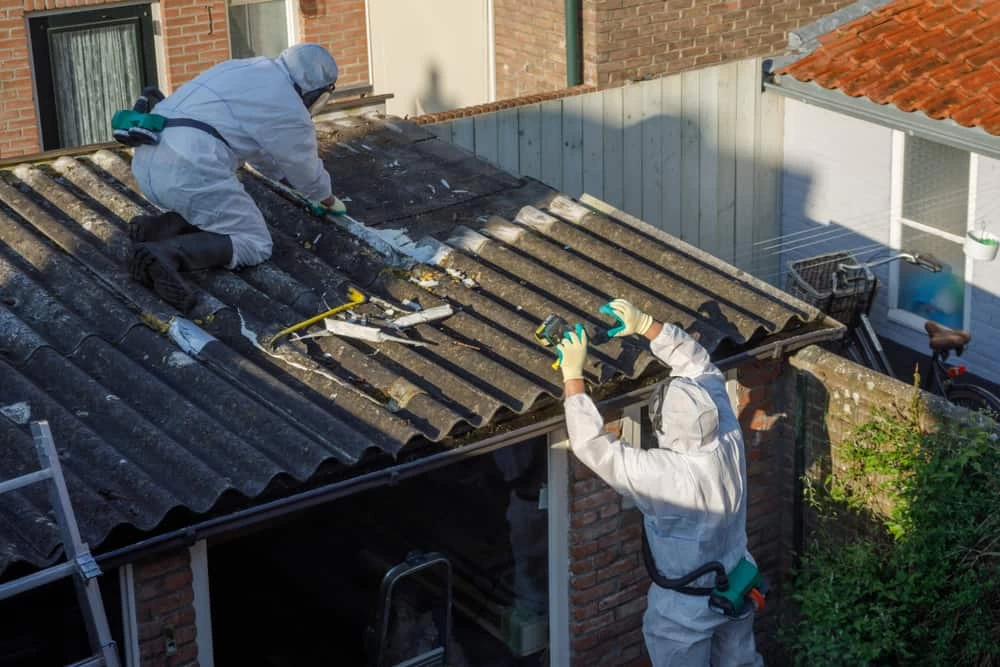
If abatement is needed, the next step is containment. The work area is sealed off using negative air pressure and physical barriers to make sure nothing migrates to the rest of your home while removal is underway. For occupied homes in Windmill Farm families with kids in Byram Hills schools, active households that can’t simply vacate for a week the containment process is designed to keep the rest of the house livable while work proceeds in the affected zone. Your project manager will walk you through the timeline and what daily life looks like during the job before work begins.
Removal follows containment, with all materials handled, packaged, and transported according to NYS DEC disposal requirements. After removal is complete, a certified air monitoring technician conducts post-abatement air clearance testing independent of the removal crew and the results are documented in a formal clearance certificate. That document is what your renovation contractor needs before they can proceed, what your real estate attorney will ask for before closing, and what goes into your permanent property file. If your renovation requires an asbestos affidavit as part of a North Castle building permit application, this is the paperwork that satisfies it.
Asbestos Abatement Services for Windmill Farm Homes
Every Material Type Found in Mid-Century Windmill Farm Homes, Handled
The 1950s and 1960s homes throughout Windmill Farm don’t just contain asbestos in one place they often contain it in several. The 9×9-inch vinyl floor tiles that were standard in postwar kitchens and basements are one of the most common finds. Acoustic spray texture on living room and bedroom ceilings the “popcorn ceiling” that became ubiquitous in that era is another. Pipe and duct insulation in mechanical rooms, drywall joint compound throughout the interior walls, and roofing materials on original rooflines are all materials we handle regularly in homes of this age and style.
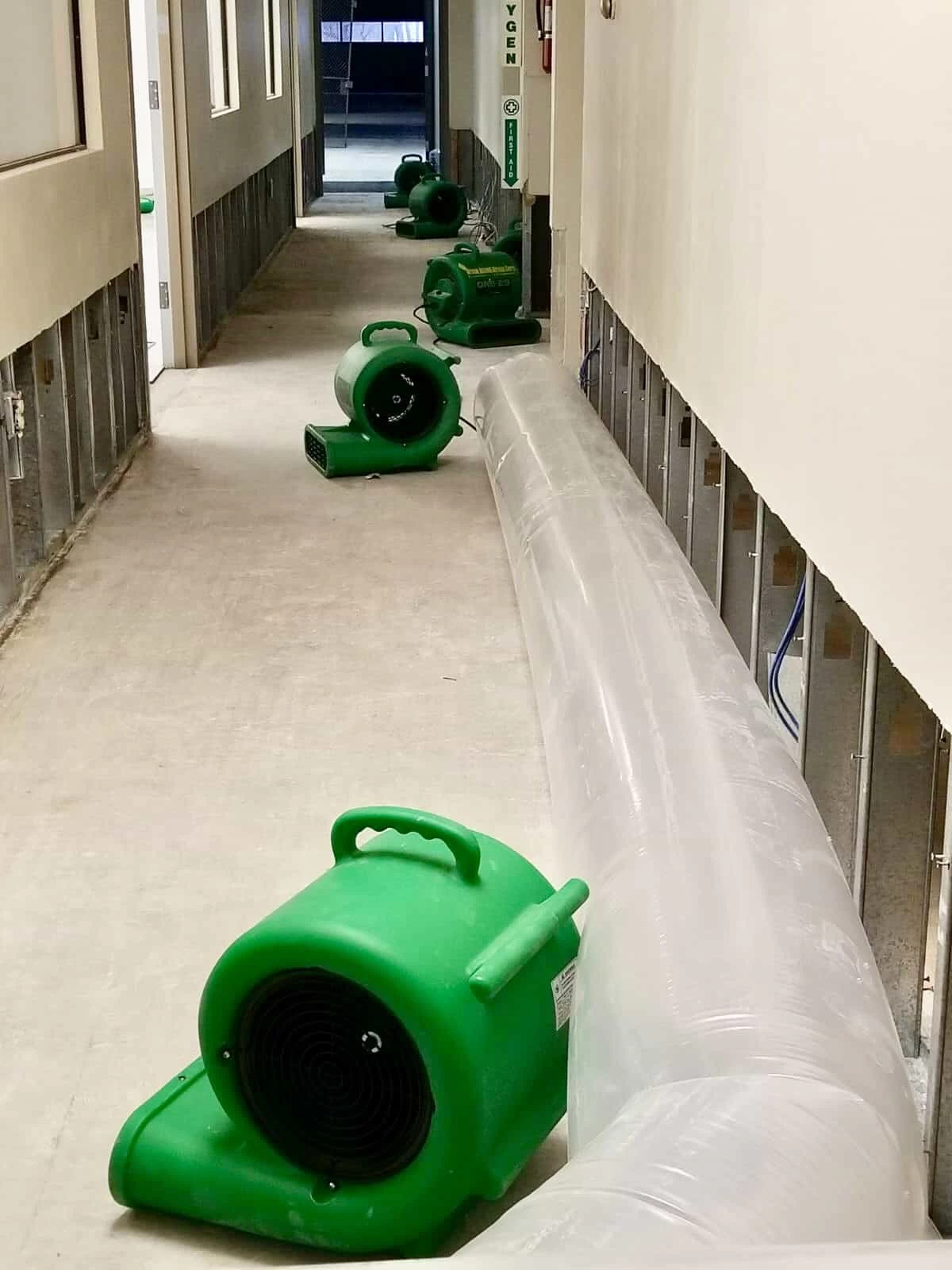
For lakefront properties on or near Windmill Lake and North Lake, water damage adds another layer of urgency. When moisture infiltrates a basement or crawl space in a home this age, it frequently disturbs the exact materials most likely to contain asbestos floor tiles, pipe wrap, and duct insulation. Once those materials are disturbed, New York State law requires abatement before any restoration work can legally proceed. We handle both the asbestos abatement and the water damage restoration, so you’re not coordinating two separate contractors through an already stressful situation. For water-damage-related abatement, direct insurance billing is available we coordinate with your carrier so you’re not the go-between.
Whether you’re mid-renovation, preparing to list your home, dealing with water damage, or simply want to know what’s in your 1960s colonial before you start a kitchen remodel, the process starts the same way: a free inspection, a clear assessment, and a written scope before any commitment is made.
Do homes in Windmill Farm, NY typically contain asbestos-containing materials?
The short answer is yes and it’s not a remote possibility, it’s a statistical likelihood. Windmill Farm’s housing stock is predominantly from the 1950s and 1960s, which is the peak era of residential asbestos use in American construction. The split-level, ranch, and colonial homes that define this community were built using materials that routinely included asbestos: vinyl floor tiles in kitchens, bathrooms, and basements, acoustic ceiling texture in living spaces, pipe and duct insulation in mechanical rooms, and drywall joint compound throughout interior walls.
That doesn’t mean every square foot of your home is a hazard. Asbestos-containing materials that are intact and undisturbed generally don’t pose an immediate risk. The concern arises when those materials are disturbed during a renovation, a water damage event, or any work that breaks, sands, cuts, or removes them. If you’re planning any work on a Windmill Farm home built before 1980, an inspection before you start is the right first move, and in many cases it’s legally required before a North Castle building permit can be issued.
What asbestos materials are most commonly found during Windmill Farm home renovations?
The materials that show up most often in mid-century Windmill Farm homes fall into a few consistent categories. Vinyl floor tiles particularly the 9×9-inch format that was standard in postwar construction are one of the most frequent finds, especially in basements, kitchens, and utility areas. Acoustic ceiling texture, commonly called popcorn ceiling, is another, and it appears in living rooms, bedrooms, and hallways throughout homes built in this era. Pipe insulation in mechanical rooms and basements, drywall joint compound on interior walls, and original roofing materials are also common.
What makes Windmill Farm homes worth paying close attention to is that several of these materials can be present simultaneously. A renovation that opens the basement, touches the ceiling, and replaces HVAC components could encounter asbestos in three different forms. That’s not unusual for a home of this age it’s actually the norm. A thorough pre-renovation inspection identifies all of it upfront so your contractor knows exactly what needs to be addressed before any demolition begins.
Is asbestos testing or abatement required before renovating in North Castle, NY?
Yes, and the requirements apply at both the state and local level. New York State law requires an asbestos survey before any demolition, regardless of the building’s age that requirement was clarified and reinforced by the NYS Department of Labor. For renovation of pre-1980 properties, a thorough asbestos inspection is required before work begins. At the local level, renovation permit applications in North Castle require an asbestos affidavit where applicable, meaning the property owner must certify either that no asbestos-containing materials are present or that they’ve been properly abated before work proceeds.
For Windmill Farm homeowners, this means the inspection isn’t just a precaution it’s a documented legal requirement that your renovation contractor and the North Castle building office will expect to see satisfied. Skipping it doesn’t make the requirement go away; it creates liability for the homeowner and can stop a renovation mid-project if asbestos-containing materials are discovered after work has already begun. Getting the inspection done first, before permits are pulled and before demo starts, is the cleaner path every time.
Water got into my Windmill Farm basement do I need asbestos abatement before repairs start?
Potentially, yes and this is a scenario that comes up more often in Windmill Farm than in communities without lakefront properties. Homes on or near Windmill Lake and North Lake are exposed to water intrusion risks that inland properties aren’t: shoreline proximity, high seasonal moisture, and storm-related flooding from nor’easters and heavy rain events. When water infiltrates a basement in a 1950s or 1960s home, it frequently affects the exact materials most likely to contain asbestos vinyl floor tiles, pipe insulation, and duct wrap.
Once those materials are disturbed by water damage, New York State law requires that asbestos abatement be completed before any restoration work can legally proceed. That means before your water damage contractor can dry out the space, replace flooring, or repair insulation, the asbestos has to be properly removed and cleared. We handle both sides of this asbestos abatement and water damage restoration under one engagement, with direct insurance billing available. You don’t have to find two separate contractors and coordinate between them while your basement is sitting wet.
How does asbestos abatement affect the sale of a high-value home in Westchester County?
In a market like Windmill Farm, where homes routinely sell for $1 million to $4 million, undisclosed or unaddressed asbestos is one of the most common deal-killers in real estate transactions. Sophisticated buyers and their attorneys at this price point expect environmental documentation. If an inspection during the sale process turns up asbestos-containing materials that haven’t been addressed, you’re either looking at a price reduction, a delayed closing, or a deal that falls apart entirely.
Proactive abatement before listing removes that variable. When you can hand a buyer’s attorney a formal clearance certificate from a licensed contractor confirming that abatement was completed by a NYS DOL-licensed team and that post-abatement air testing passed you’ve eliminated one of the most significant negotiating liabilities in a luxury home transaction. The cost of abatement, which varies based on scope but is modest relative to the value of a Windmill Farm property, is genuinely an investment in protecting your asking price. Sellers who handle it before listing are in a stronger position than those who leave it for the buyer to discover.
How long does asbestos abatement take, and do we need to leave our home during the work?
The timeline and displacement question depends entirely on the scope of the project the number of areas affected, the types of materials involved, and the size of the spaces being abated. A single-room floor tile removal in a basement might be completed in one to two days. A larger project involving multiple material types across several areas of a home could run a week or more. Your project manager will give you a specific timeline before any work begins, not a vague estimate after the fact.
Whether your family needs to vacate depends on the same factors. For contained, single-area abatement, it’s often possible to remain in the home while work proceeds in the sealed zone. For larger projects or situations where a Windmill Farm family with young children simply doesn’t want to be in the house during the process we’ll be direct about what we recommend based on the actual scope of your job. The goal is to give you an honest picture of what the work involves so you can plan accordingly, not to minimize the disruption on paper and create a different reality on-site.