Woodside's Prewar Buildings Hide More Than Character
If your Woodside rowhouse or apartment building was built before 1980, there’s a real chance asbestos is somewhere inside it and a renovation, pipe burst, or routine repair can expose it fast. We handle asbestos abatement in Woodside, NY from the first inspection through final air clearance, so you’re not left guessing whether the job was done right.
I needed a professional consultation explanation of procedure for safe removal of Asbestos in my apartment complex. Without having an account yet, I was very impressed with the caring, knowledgeable and generous advice offered by Jessica, and will look forward to doing business in the future. Thank you so much! I feel much more informed about a sometimes scary endeavor. Peace. Nancy Silva Mineola, NY.
Mia Munoz
Used this company to clean up some water flood in my house. They were fast and easy to work with.very professional, Would recommend to anyone!
Nini Valle
Great company, had a flood and they responded quickly and efficiently. Billed my insurance company directly. I highly recommend this company!
joe colapietro, jr
I had pipe freeze in my basement right before a snow storm and they made to within an hour to help start the clean up process. They we by our side throughout the entire process and even helped with the insurance company. They did such a great job with the cleanup, repair, remidiation, I contracted them to perform the repairs and finishes in the basement. They came with enough manpower and material to get the job done. Leo and Jessica were nothing but a pleasure to deal with!!
Cristian Arredondo c
I had some water damage in my home and Green Island was able to take care of my issue quickly and effectively. I am very pleased with the work they did. They responded quickly and were very professional.
Michael M
Outstanding service! From the office to the field crew everyone was friendly, helpful and responsive. I highly recommend Green Island Group.
The renovation that stopped dead in its tracks starts moving again. The pre-sale inspection clears. The permit gets issued. That’s what proper asbestos removal actually does it removes the thing standing between you and whatever comes next, whether that’s a kitchen remodel, a closing date, or just knowing your building is safe.
Woodside’s housing stock tells a specific story. The brick rowhouses along 58th Street, the Art Deco co-ops, the prewar frame homes most of them were built in the 1920s through 1940s, right in the middle of the era when asbestos was standard in floor tiles, pipe insulation, boiler rooms, and textured ceilings. It’s just what the construction history looks like here, and it’s why asbestos turns up so often the moment someone starts opening walls or pulling up old flooring.
Because Woodside sits within New York City limits, there’s also a regulatory layer that doesn’t exist in suburban towns. Before the NYC Department of Buildings will issue a permit on any pre-1987 structure, an asbestos assessment has to happen first. That ACP-5 form, the A-TRU permit from NYC DEP, the post-abatement air clearance those aren’t optional steps. They’re the process. When all of it is handled correctly, your project moves forward clean, documented, and compliant.
We’re a full-service environmental remediation contractor licensed to operate throughout all five boroughs of New York City, including Queens. That distinction matters in Woodside, where the regulatory environment NYC DEP asbestos rules, ACP-5 requirements, A-TRU permits, the ARTS E-File system is more involved than what most suburban contractors are used to. We work in this system every day, and we’re current on the 2025 NYC DEP rule amendments that took effect in February of this year.
Beyond asbestos, we hold certifications in mold remediation, lead abatement, HVAC cleaning, water and fire damage restoration, and general contracting under our NYC General Contractor license. That matters in a neighborhood like Woodside, where a burst pipe in a prewar building doesn’t just cause water damage it can expose asbestos pipe insulation and trigger mold growth inside the same wall. One call handles all of it.
We’re also NYC MWBE certified, which matters for property managers, co-op boards, and developers near the Woodside Houses or the Queens Boulevard corridor who have diversity spend requirements built into their vendor selection process.
It starts with an inspection. A certified asbestos investigator assesses the material in question, samples are collected, and lab results confirm whether asbestos-containing material is present and in what condition. If your building is pre-1987 which describes most of Woodside’s rowhouses, co-ops, and apartment buildings this inspection also produces the ACP-5 form required by the NYC Department of Buildings before any permit can move forward.
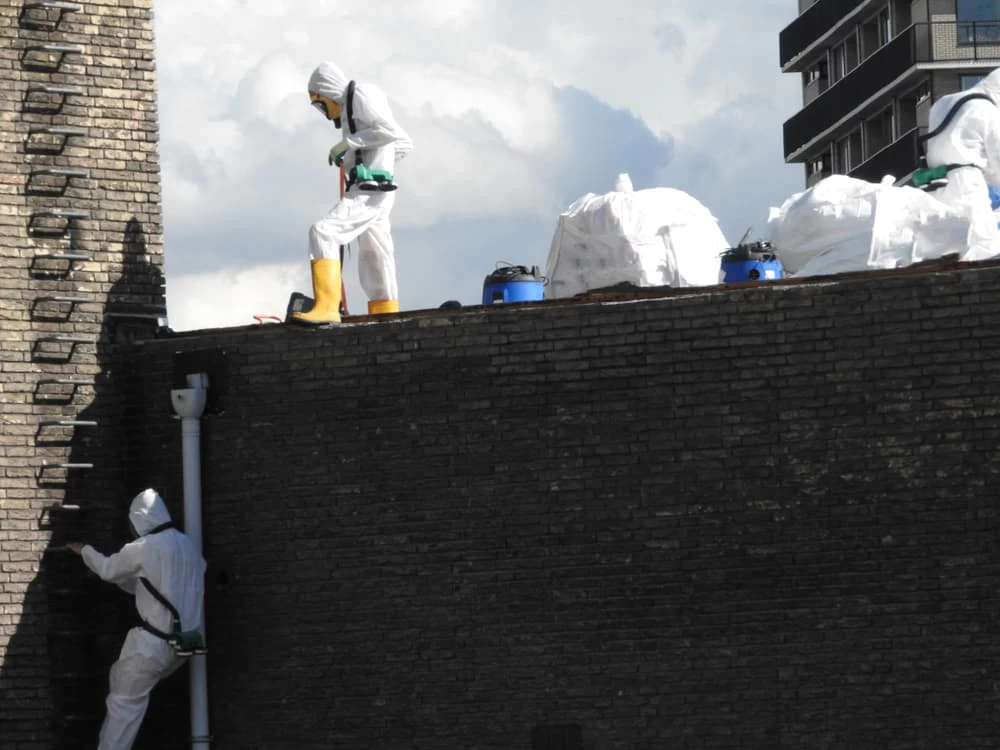
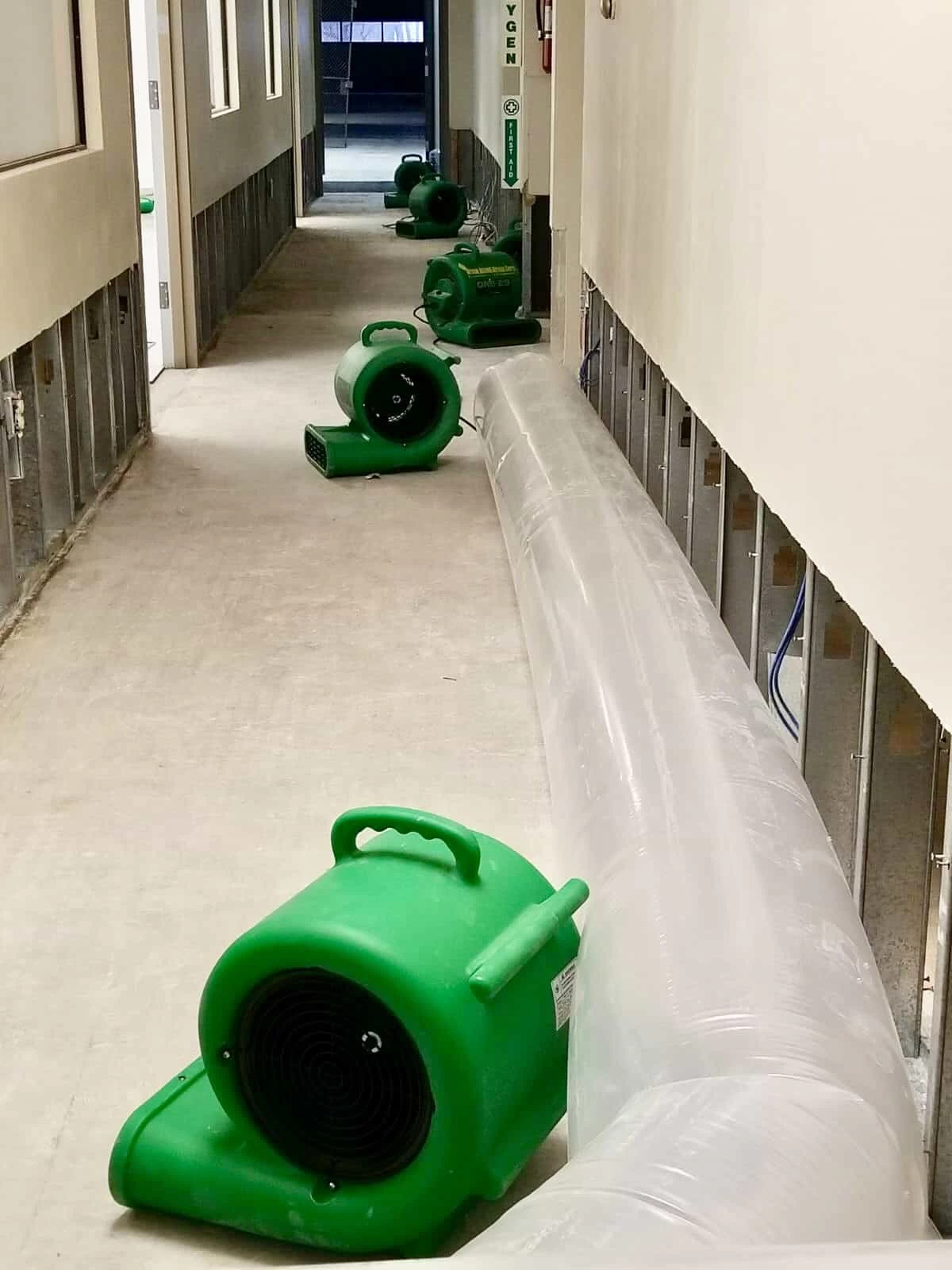
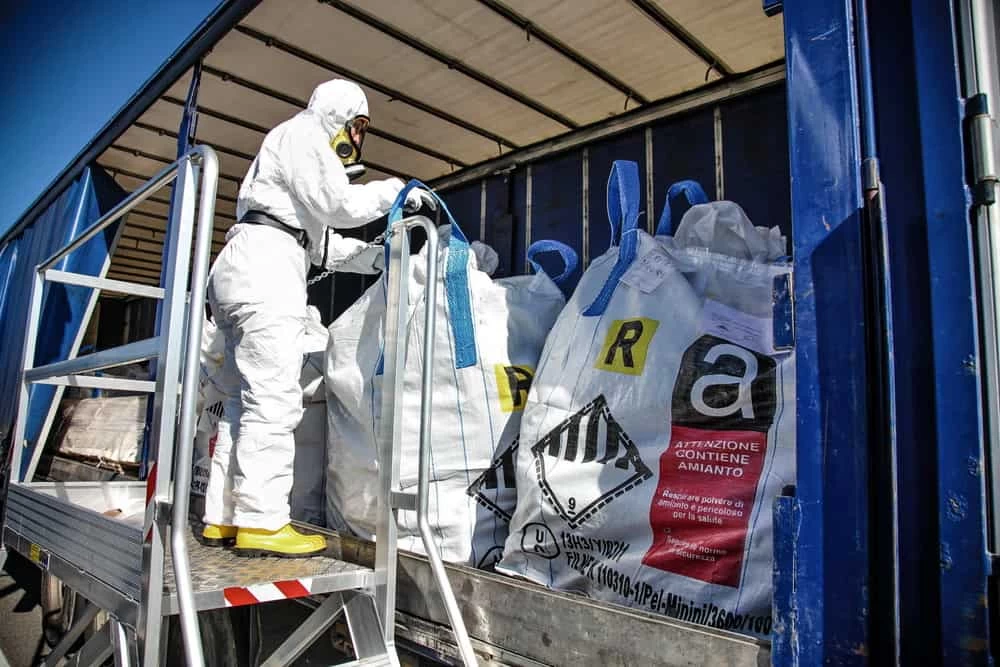
Once abatement is confirmed and scoped, we pull the required A-TRU permit from NYC DEP and set up containment. The work area is sealed, negative air pressure is established using Microtrap air scrubbers, and the asbestos-containing material is removed, packaged, and disposed of according to NYC and NYS DOL regulations. Nobody cuts corners on containment not in a dense residential neighborhood where your neighbors are ten feet away.
After removal, we conduct post-abatement air clearance testing. This is the step that actually proves the job is done not just finished, but verified. The clearance certificate we produce is the document your DOB inspector, real estate attorney, or insurance adjuster needs on file. If your project also involves reconstruction after the abatement new flooring, drywall, ceiling repair our NYC General Contractor license means we handle that too, without you making a second call to a second contractor.
Every Common Material. Every Required Step. Done Right.
Woodside’s prewar housing stock has a predictable asbestos fingerprint if you know what to look for. Nine-by-nine inch floor tiles and their adhesive extremely common in pre-1960 kitchens and bathrooms throughout the neighborhood’s rowhouses and co-op units. Pipe and boiler insulation in buildings with original steam heating systems. Popcorn and textured ceiling finishes applied during 1950s and 1970s renovations. Drywall joint compound from before 1977. Roofing materials and HVAC duct insulation in older multi-family buildings. These are the materials we test for, abate, and document on every job.
For residential clients whether you own a rowhouse on a quiet block off Roosevelt Avenue or manage a multi-unit building near Queens Boulevard the full scope of our work includes inspection, sampling, lab analysis, NYC DEP permitting, containment setup, removal, legal disposal, and post-clearance air verification. If your discovery happened during a water damage event, we bill your insurance company directly and handle both the remediation and the abatement under one project.
For commercial and institutional clients, including property managers overseeing larger buildings or developers preparing pre-1987 structures for demolition or gut renovation, we have the commercial capacity and NYC compliance credentials to handle the full regulatory process including the ACP-5 with box 8d checked for full demolition permits. Whatever the property type, the deliverable is the same: a clean, documented, NYC DEP-compliant job.
Do I need an asbestos inspection before renovating my Woodside apartment or home?
If your building was constructed before 1987, yes and in Woodside, that covers the vast majority of the housing stock. Under NYC DEP rules, the Department of Buildings will not issue a permit for renovation or demolition work on a pre-1987 structure without a completed ACP-5 form, which must be signed by a DEP-certified asbestos investigator. This applies to rowhouses, co-op units, multi-family apartment buildings, and commercial properties alike.
Even if you’re doing work that doesn’t require a permit pulling up old floor tiles yourself, for example you should know what you’re dealing with before you start. Disturbing asbestos-containing material without proper containment is a health risk and a regulatory violation. A professional inspection takes the guesswork out of it and gives you a clear picture before a single tool touches the wall.
How much does asbestos removal typically cost in Woodside, NY?
The cost depends on the scope what material is present, how much of it there is, where it’s located, and what the access situation looks like. A small asbestos tile removal in a single bathroom is a very different job from abating pipe insulation throughout the basement of a multi-story prewar building. In the New York City market, residential asbestos abatement projects generally range from a few hundred dollars for limited scope work to several thousand for larger or more complex jobs.
What’s worth understanding is that in Woodside specifically, the NYC DEP permitting process adds steps that don’t exist in suburban markets the A-TRU permit, the post-abatement air clearance, the ACP-5 documentation. Those steps have real costs, but they’re also what makes the job legally defensible and what allows your DOB permit to move forward. Skipping them to save money upfront creates bigger problems later, especially in a neighborhood with an active real estate market where documentation gets scrutinized at closing.
What asbestos-containing materials are most common in Woodside's older buildings?
The materials that show up most often in Woodside’s prewar and mid-century housing stock are floor tiles specifically the nine-by-nine inch vinyl tiles common in kitchens and bathrooms built before 1960 along with the black mastic adhesive used to install them. Pipe and boiler insulation is another frequent find, particularly in buildings with original steam heating systems, which describes a large portion of Woodside’s rowhouses and apartment buildings. Popcorn and textured ceiling finishes, drywall joint compound from before 1977, and roofing materials are also common.
The 1949 NYCHA Woodside Houses complex and the older multi-family buildings throughout the neighborhood represent a category of their own larger buildings with more mechanical infrastructure, more surface area, and more potential exposure points. If you’re managing or renovating any building in this neighborhood that was built before 1980, it’s worth having a professional assessment before any work begins, not after something gets disturbed.
What is an ACP-5 form and do I need one for my Woodside property?
An ACP-5 is an asbestos certification form required by the NYC Department of Buildings for any renovation or demolition project on a pre-1987 building in New York City. It has to be completed and signed by a DEP-certified asbestos investigator not just any contractor and it certifies either that the building contains no asbestos-containing material in the area of proposed work, or that any asbestos present has been properly abated before the work begins. Without a valid ACP-5 on file, the DOB will not issue your permit.
In Woodside, where the overwhelming majority of the residential building stock was constructed before 1987, this form is a routine part of the renovation process not an edge case. If you’re planning a kitchen gut, a bathroom remodel, an HVAC replacement, or any project that involves opening walls, ceilings, or floors in an older building, the ACP-5 is one of the first things that needs to happen. We handle the full process from inspection through filing.
Can asbestos abatement be covered by homeowners insurance in Queens, NY?
It depends on how the asbestos was discovered and what triggered the need for abatement. If the discovery happened as a result of a covered event a burst pipe, water damage, or fire damage there’s a reasonable basis to file a claim, since the abatement becomes part of the remediation of a covered loss. In Woodside’s older rowhouses and apartment buildings, burst pipes during cold winters are a recurring reality, and they frequently expose asbestos-containing pipe insulation or ceiling material when the water damage is opened up.
What makes a real difference in that scenario is having a contractor who can handle both the water damage remediation and the asbestos abatement under one project and bill the insurance company directly. That’s something we do as a standard part of how we work clients have specifically called it out in reviews as a deciding factor. If the asbestos discovery is unrelated to a covered event, coverage is less likely, but it’s always worth a conversation with your carrier before assuming it’s entirely out of pocket.
How long does asbestos abatement take from start to finish in a Queens building?
The timeline has a few moving parts. The inspection and lab results typically take a few days. Once abatement is confirmed, pulling the A-TRU permit from NYC DEP adds time to the front end this is a step that doesn’t exist in suburban markets outside the city, and it’s one reason why working with a contractor who already knows the NYC DEP system matters. Trying to navigate that permit process for the first time adds delays that an experienced contractor avoids.
The physical abatement work itself containment setup, removal, disposal can range from a single day for a limited scope job to several days for larger or more complex projects. Post-abatement air clearance testing follows, and once clearance is confirmed, the DOB can move forward with your permit. For projects in Woodside where the abatement is tied to a renovation with a real deadline a closing date, a contractor schedule, a lease transition we work with your timeline from the start, not around it.