Most homes in Wyandanch were built during the exact decades when asbestos was standard and if yours hasn’t been touched since, there’s a real chance it’s still in there. We handle asbestos abatement the right way: licensed, documented, and done so your family stays safe and your project keeps moving.
I needed a professional consultation explanation of procedure for safe removal of Asbestos in my apartment complex. Without having an account yet, I was very impressed with the caring, knowledgeable and generous advice offered by Jessica, and will look forward to doing business in the future. Thank you so much! I feel much more informed about a sometimes scary endeavor. Peace. Nancy Silva Mineola, NY.
Mia Munoz
Used this company to clean up some water flood in my house. They were fast and easy to work with.very professional, Would recommend to anyone!
Nini Valle
Great company, had a flood and they responded quickly and efficiently. Billed my insurance company directly. I highly recommend this company!
joe colapietro, jr
I had pipe freeze in my basement right before a snow storm and they made to within an hour to help start the clean up process. They we by our side throughout the entire process and even helped with the insurance company. They did such a great job with the cleanup, repair, remidiation, I contracted them to perform the repairs and finishes in the basement. They came with enough manpower and material to get the job done. Leo and Jessica were nothing but a pleasure to deal with!!
Cristian Arredondo c
I had some water damage in my home and Green Island was able to take care of my issue quickly and effectively. I am very pleased with the work they did. They responded quickly and were very professional.
Michael M
Outstanding service! From the office to the field crew everyone was friendly, helpful and responsive. I highly recommend Green Island Group.
You stop guessing. That’s the biggest thing. When asbestos has been properly identified, removed, and cleared by a licensed contractor, you’re not sitting on a liability anymore you’re sitting on a house you can renovate, sell, or simply live in without that question hanging over you.
For Wyandanch homeowners, that question comes up more often than people realize. The housing stock here is almost entirely post-WWII Cape Cods and ranches built in the late 1940s through the 1960s, right when asbestos was being used in everything from floor tile adhesive to pipe insulation to ceiling texture. If you’re finally tackling that kitchen remodel, finishing the basement, or replacing an aging boiler, you’re working in a home that was almost certainly built with at least one asbestos-containing material. Knowing that before a contractor swings a hammer matters.
With the Wyandanch Rising redevelopment bringing new energy and rising property values to the area, more homeowners are choosing to renovate rather than relocate. That’s a good thing but it also means more older materials are getting disturbed. Getting a licensed asbestos survey and abatement done before work begins isn’t just the legal requirement. It’s what keeps your project from getting shut down and your family from being exposed.
We Know Wyandanch's Housing Stock and What's Inside It
We’re a Long Island-based asbestos abatement contractor, licensed under New York State Industrial Code Rule 56 and experienced specifically with the type of residential construction that defines Wyandanch, Wheatley Heights, and the surrounding Town of Babylon. We’re not a national franchise routing calls through a 1-800 number. When you reach out, you’re talking to a local team that actually shows up.
We’ve worked in post-WWII homes across Suffolk County long enough to know exactly where asbestos tends to hide in this era of construction under the floor tiles, wrapped around the pipes, sprayed onto the ceilings. That familiarity means fewer surprises for you and a faster path from survey to clearance.
The Town of Babylon’s building department has specific documentation requirements before renovation permits move forward. We know what that paperwork needs to look like, and we make sure you have everything required to keep your project on track.
No Guesswork Here's Exactly What the Process Looks Like
It starts with an inspection. A certified asbestos investigator surveys your home, identifies any suspect materials, and collects bulk samples for laboratory analysis. In Wyandanch’s older housing stock, that typically means looking at floor tiles and the black mastic adhesive beneath them, pipe and boiler insulation, textured ceiling coatings, and joint compound. The lab results tell us exactly what we’re dealing with and that determines what happens next.
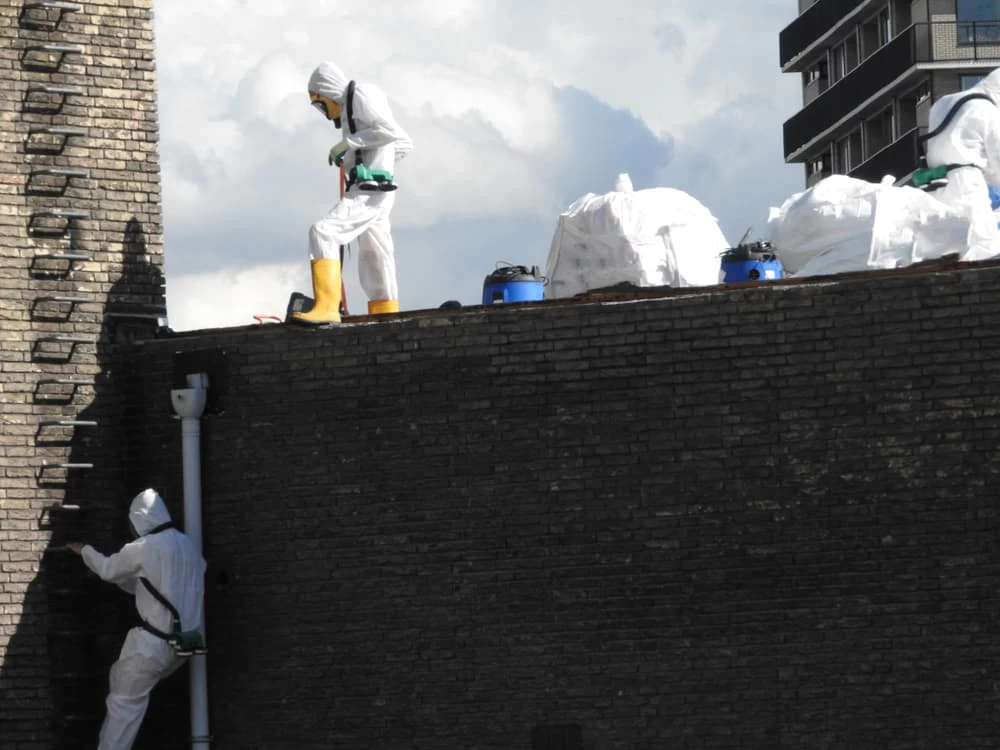
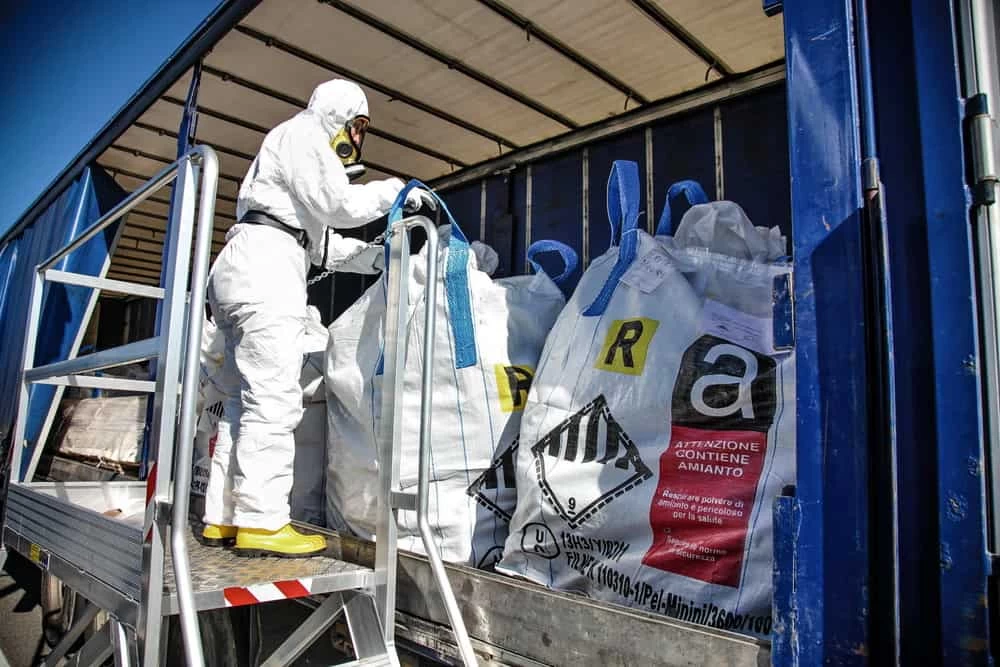
If abatement is required, we design a removal plan that follows New York State’s Industrial Code Rule 56 requirements from start to finish. The work area gets fully contained with negative air pressure to prevent fibers from spreading to the rest of your home. Our certified technicians remove the materials using proper protocols, and all asbestos waste is packaged, transported, and disposed of at a licensed facility documented every step of the way.
Once the work is done, air clearance testing confirms the space is safe before containment comes down. You receive a complete documentation package survey results, abatement records, and clearance certification which is exactly what the Town of Babylon’s building department needs to move your renovation permit forward. From first call to final clearance, you’re never left wondering where things stand.
Asbestos abatement isn’t one-size-fits-all, and in a community like Wyandanch where most homes were built between 1945 and 1970, the materials involved vary from house to house. We handle the full range of asbestos-containing materials common in this area’s residential construction.
Asbestos tile removal is one of the most frequent requests we get from Wyandanch homeowners. Those 9-inch vinyl floor tiles found in nearly every post-WWII Cape Cod and ranch in the area often contain asbestos and so does the black adhesive mastic underneath them. Removing the tiles without addressing the mastic is an incomplete job, and we don’t do incomplete jobs. Asbestos popcorn ceiling removal is another common service here, since textured ceiling coatings were widely applied throughout the 1950s and 1960s and become a health risk the moment they’re disturbed.
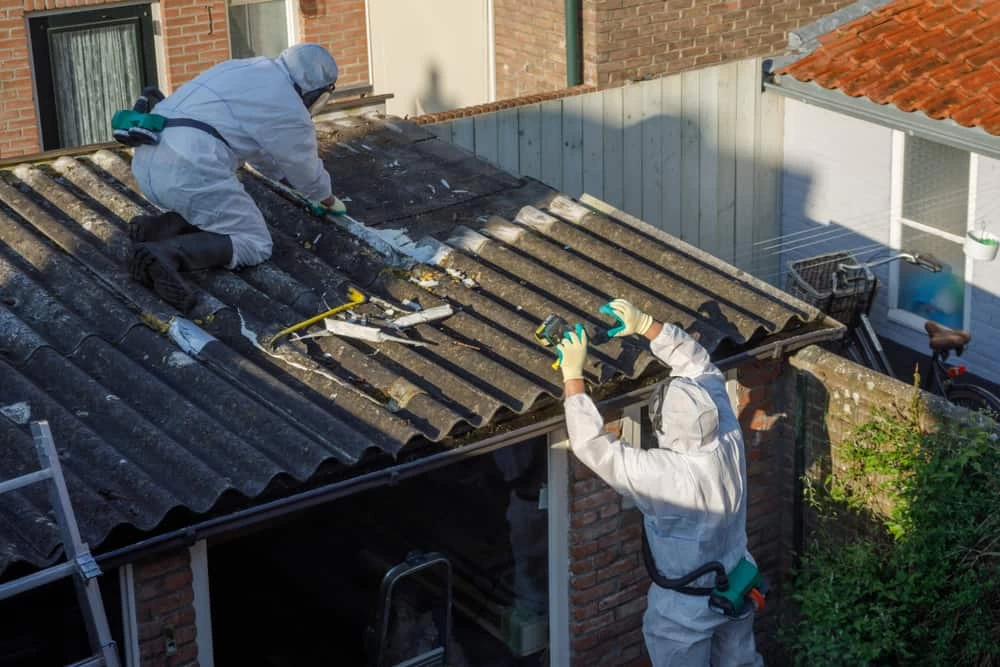
Beyond floors and ceilings, we also handle pipe insulation, boiler wrap, roofing materials, exterior siding, and joint compound all materials that show up regularly in older Wyandanch homes. If you’re replacing a heating system, finishing a basement, or doing any structural work in a pre-1980 home, those are the areas that need to be evaluated before work begins. We assess everything, document what we find, and give you a clear, written estimate before anything gets touched.
Does my Wyandanch home actually need an asbestos survey before renovating?
If your home was built before 1980 which covers virtually all of Wyandanch’s residential housing stock yes, an asbestos survey is strongly recommended before any renovation work begins, and in many cases it’s legally required. The Town of Babylon’s building department requires documentation of an asbestos survey and any necessary abatement before issuing permits for renovation work in older structures. Skipping that step doesn’t just put your family at risk it can halt your project mid-construction and create legal exposure that costs far more than the survey itself.
Even if you’re not pulling a permit for a smaller project, disturbing asbestos-containing materials without proper containment and disposal is a violation of New York State law. A survey gives you a clear answer about what’s in your home and what, if anything, needs to be addressed. For most Wyandanch homeowners, that clarity is worth far more than the cost of the inspection.
How much does asbestos removal typically cost for a home in Wyandanch?
The cost depends on what materials are present, how much of it there is, and where it’s located. For a smaller, contained job like a single room of asbestos floor tiles you’re generally looking at somewhere in the $1,500 to $3,500 range. Larger projects involving pipe insulation, boiler wrap, or whole-home assessments can run from $5,000 to $15,000 or more depending on scope.
In Wyandanch, the most common scenarios we see are floor tile and mastic removal during kitchen or basement renovations, and pipe insulation abatement when homeowners are upgrading older heating systems. Both are manageable projects when they’re planned in advance. What drives costs up is discovering asbestos mid-project after a contractor has already disturbed the material at that point, you’re dealing with emergency containment and potential air quality testing on top of the abatement itself. Getting a survey done before work starts is almost always the more affordable path.
What are the most common places asbestos hides in older Wyandanch houses?
In the Cape Cods and ranch-style homes that make up most of Wyandanch’s residential neighborhoods, asbestos tends to show up in a handful of predictable places. The 9-inch vinyl floor tiles found in kitchens, bathrooms, and basements are one of the most common sources and the black adhesive mastic used to install them often contains asbestos even when the tiles themselves don’t. Popcorn ceiling texture coatings applied throughout the 1950s and 1960s are another frequent find, especially in living rooms and bedrooms.
Pipe and boiler insulation is where things get more serious. The gray, chalky wrap around older heating pipes tends to become friable meaning it crumbles and releases fibers as it ages. If your home still has its original oil-fired boiler and you haven’t had the insulation assessed, that’s a priority. Joint compound used in drywall finishing, roofing felt, and some exterior siding materials are also worth checking in homes of this era. A proper survey covers all of these locations so nothing gets missed.
Can I legally remove asbestos myself in New York State?
There is a limited homeowner exemption under New York State law that allows owner-occupants of single-family homes to handle certain small-scale asbestos work themselves but the restrictions are significant, and most renovation scenarios don’t qualify. The exemption doesn’t apply to rental properties, commercial buildings, or any project that exceeds the thresholds defined under Industrial Code Rule 56. It also doesn’t exempt you from disposal requirements, which means asbestos waste still has to be handled and transported according to NYSDEC regulations.
More practically, even where the exemption technically applies, the risk of improper removal is real. Without proper containment and air monitoring, asbestos fibers can spread through your HVAC system and contaminate areas far beyond where you were working. For any project in a Wyandanch home where asbestos is suspected, the safer and more legally defensible path is having a licensed contractor handle it. The cost of doing it right is a fraction of what remediation costs if something goes wrong.
How long does asbestos abatement take, and will my family need to leave?
The timeline depends on the scope of the project. A single-room floor tile removal typically takes one to two days from setup through air clearance testing. Larger projects whole-home pipe insulation abatement, for example, or a basement that involves multiple material types can take anywhere from three to five days or longer. We give you a realistic timeline upfront, not an estimate that gets stretched once work begins.
Whether your family needs to vacate depends on the location and extent of the work. For contained projects in a single room, it’s often possible to remain in other parts of the house with proper isolation in place. For larger projects, or work that involves your HVAC system or shared living spaces, temporary relocation is the safer call. We’ll tell you honestly what your specific situation requires. Families with young children, which is a significant portion of Wyandanch households, should take this seriously. The containment protocols we use are designed to protect everyone in the home, but the safest environment during active abatement is one where kids aren’t in the building.
Do I need asbestos abatement before selling my home in Wyandanch?
You’re not legally required to abate asbestos before listing a home in New York but you are required to disclose known material defects to buyers, and asbestos is exactly that kind of defect. If a home inspection flags suspected asbestos-containing materials, most buyers will either walk away, request a price reduction, or make abatement a condition of closing. In Wyandanch’s current market, where median home values have climbed to around $396,000 and buyers have options, an unresolved asbestos issue gives them leverage they’ll use.
Proactively getting a survey and abating any identified materials before you list puts you in a much stronger position. You can market the home with documentation showing it’s been professionally assessed and cleared which is a genuine selling point in a neighborhood full of post-WWII homes where buyers know asbestos is a possibility. It also removes the risk of a deal falling apart at the finish line. For homeowners in Wyandanch who’ve owned their homes for decades and are now looking to sell into a rising market, this is one of the more straightforward ways to protect the value you’ve built.