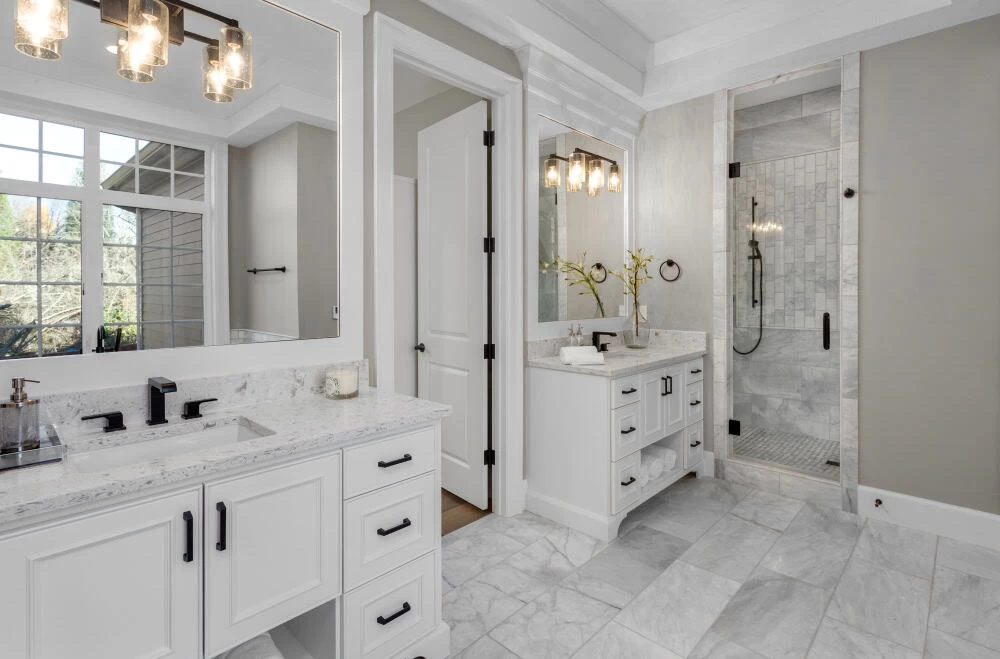
In a village where most homes were built before 1970, a bathroom remodel isn’t just cosmetic it’s what you find during demo that determines how the whole project goes. We handle all of it.
I needed a professional consultation explanation of procedure for safe removal of Asbestos in my apartment complex. Without having an account yet, I was very impressed with the caring, knowledgeable and generous advice offered by Jessica, and will look forward to doing business in the future. Thank you so much! I feel much more informed about a sometimes scary endeavor. Peace. Nancy Silva Mineola, NY.
Mia Munoz
Used this company to clean up some water flood in my house. They were fast and easy to work with.very professional, Would recommend to anyone!
Nini Valle
Great company, had a flood and they responded quickly and efficiently. Billed my insurance company directly. I highly recommend this company!
joe colapietro, jr
I had pipe freeze in my basement right before a snow storm and they made to within an hour to help start the clean up process. They we by our side throughout the entire process and even helped with the insurance company. They did such a great job with the cleanup, repair, remidiation, I contracted them to perform the repairs and finishes in the basement. They came with enough manpower and material to get the job done. Leo and Jessica were nothing but a pleasure to deal with!!
Cristian Arredondo c
I had some water damage in my home and Green Island was able to take care of my issue quickly and effectively. I am very pleased with the work they did. They responded quickly and were very professional.
Michael M
Outstanding service! From the office to the field crew everyone was friendly, helpful and responsive. I highly recommend Green Island Group.
A Finished Bathroom Without the Mid-Project Standstill
Most bathroom remodels in Amityville go sideways the same way. Demo starts, something gets found asbestos floor tiles under the linoleum, mold behind the tile from years of coastal humidity, galvanized pipes that haven’t been touched since Eisenhower and suddenly your contractor is on the phone telling you they have to stop. That’s not a worst-case scenario here. In a village where nearly 60% of homes predate 1970, it’s closer to the baseline expectation.
When you work with us, that discovery doesn’t stop the job. Asbestos abatement, lead removal, mold remediation all of it is handled in-house, under one contract, by the same licensed team. You don’t lose weeks waiting for a separate abatement crew to get scheduled. You don’t pay two companies to coordinate around each other. The project keeps moving.
The other thing Amityville homeowners deal with that most remodelers don’t think about: moisture. Living on the Great South Bay means your bathroom is fighting coastal humidity year-round not just after a storm. A renovation that doesn’t account for that will look great for a year and start failing in year two. The materials and waterproofing methods we use here are chosen specifically for South Shore conditions, not just for what photographs well.
Bathroom Remodel Contractors Serving Amityville, NY
We've Already Worked in These Houses
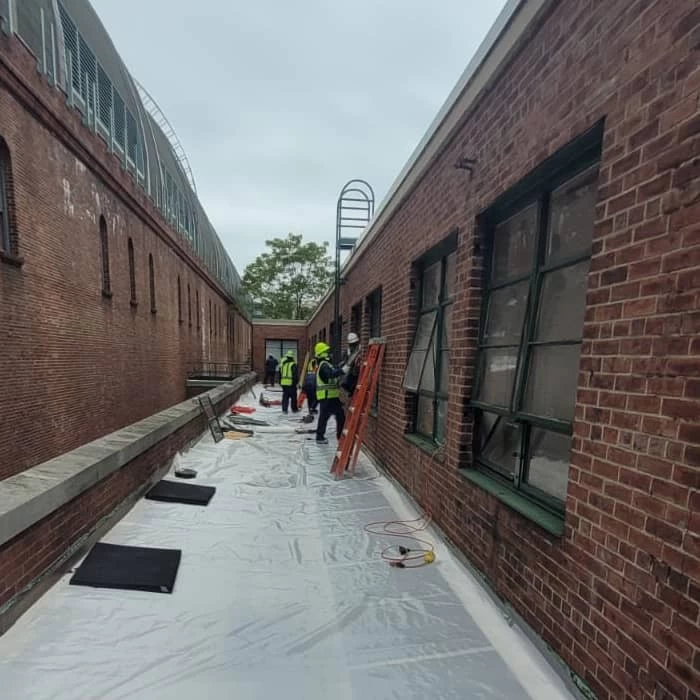
We’re based in Bohemia, NY Suffolk County and have completed over 5,000 restoration and remodeling projects across New York State. That includes active work in Amityville and North Amityville, handling everything from asbestos abatement in pre-war homes to flood restoration after nor’easters push water off the Great South Bay and into living spaces. This isn’t our first trip to the South Shore.
Our team holds asbestos abatement certification, lead-based paint abatement licensing, and mold remediation credentials alongside the standard home improvement contractor licenses required to pull permits through the Village of Amityville’s own Building Department which operates separately from the Town of Babylon and has its own permit authority. That distinction matters, and most contractors either don’t know it or skip the step entirely.
We’re available 24 hours a day, 365 days a year. One point of contact from the first call through final inspection.
It starts with a walkthrough. Before any work is scoped or priced, we assess your bathroom with the specific conditions of your home in mind age of construction, existing plumbing and electrical, signs of moisture intrusion, and any visible indicators of hazardous materials. For homes built before 1970, that assessment includes a realistic conversation about what’s likely behind the walls and how it gets handled if found. You won’t get a quote that ignores the variables and then balloons once demo starts.
From there, permits are pulled through the Village of Amityville Building Department. This is a non-negotiable part of the process unpermitted bathroom renovations create real problems at resale and can complicate insurance claims. Once permits are in hand, demolition begins. If asbestos, lead, or mold is encountered, our licensed remediation team handles it on-site without stopping the broader project timeline.
After the space is cleared and any hazardous materials are addressed, the renovation moves into the build phase: plumbing updates, electrical, waterproofing, tile, fixtures, vanity, and finish work. Final inspection is scheduled through the Village, and you receive documentation that the work is fully permitted and code-compliant. For homeowners whose project started as a water damage insurance claim, we handle the carrier billing directly you don’t have to manage that piece separately.
A bathroom remodel in an older Amityville home can involve more moving parts than most homeowners expect going in. We handle the full range in-house: complete gut renovations, walk-in shower conversions, tub removal and replacement, vanity and fixture installation, tile work, plumbing updates, electrical coordination, and accessibility modifications. If your project starts as a renovation and uncovers a remediation need, that work is handled by the same licensed team under the same contract no subcontracting the hard parts out to someone you’ve never met.
For the compact Cape Cods and ranches that make up most of Amityville’s housing stock, we focus on maximizing what you actually have. That means layout decisions that make a small bathroom feel larger, moisture-resistant materials chosen for South Shore humidity levels, and ventilation that’s designed to hold up through the bay-area summers and the wet nor’easter winters that hit this part of Suffolk County harder than most.
If your remodel is connected to a water damage event a burst pipe, storm-related flooding, or chronic moisture infiltration that finally became impossible to ignore our background in disaster restoration means the damage documentation, insurance billing, and renovation work are handled together. Homeowners in FEMA Zone AE communities like Amityville deal with this overlap more than most, and having one team that handles both sides removes a significant burden from the process.
Do I need a permit from the Village of Amityville to remodel my bathroom?
Yes and this is one of the most important things to get right before any work starts. Amityville is an incorporated village with its own Building Department, which operates separately from the Town of Babylon. That means bathroom renovations require a permit issued by the Village of Amityville specifically, not just a town-level approval. The Village’s building permit application lists bathroom renovations as a formal permit category, and contractors are required to show proof of workers’ compensation, disability, and liability insurance before a permit is issued.
This matters beyond just the legal requirement. Unpermitted work in Amityville can create serious complications when you go to sell your home buyers’ attorneys and home inspectors flag it, and it can delay or derail a closing. It can also affect insurance coverage if something goes wrong down the line. We pull all required permits through the Village of Amityville Building Department as a standard part of every project. You’ll have documentation that the work is legal, inspected, and code-compliant.
What happens if my bathroom remodel uncovers asbestos in my Amityville home?
It’s more common than most people expect, especially in Amityville. In homes built between the 1940s and 1960s which make up a significant share of the village’s housing stock asbestos shows up in floor tiles under the bathroom linoleum, in pipe insulation, and in the drywall joint compound used in 1960s construction. Pre-war homes, which account for roughly 23% of Amityville’s housing, carry the full range of risks. This isn’t a rare edge case; it’s a routine possibility in older South Shore construction.
When a standard remodeling contractor finds asbestos, they’re legally required to stop work and bring in a licensed abatement company which means your project goes on hold while you wait for scheduling, coordination, and a separate contract. We hold active asbestos abatement certification and handle removal in-house. If it’s found during demo, the remediation happens without stopping the project timeline. You don’t lose weeks to contractor coordination, and you don’t end up managing two separate companies simultaneously while living without a functional bathroom.
How much does a bathroom remodel typically cost in Amityville, NY?
The national midrange average for a bathroom remodel runs around $26,000, but that number doesn’t reflect what things actually cost on Long Island. Labor, permitting, and material pricing on the South Shore run 30 to 50 percent above national averages consistently. For a midrange full bathroom remodel in Amityville new tile, updated fixtures, vanity replacement, plumbing work you’re realistically looking at $35,000 to $50,000 or more. Upscale projects with full gut renovations, custom tile, walk-in shower conversions, and high-end fixtures can go well above that.
The bigger variable in Amityville specifically is what gets found during demolition. In a pre-1970 home, asbestos abatement, lead removal, or mold remediation can add cost to any project but the difference is whether those costs come as a surprise mid-project or are accounted for upfront. We build a pre-demolition assessment into the process specifically to identify likely hazards before the scope is finalized, so your estimate reflects the actual project rather than an optimistic version of it. That transparency tends to reduce the gap between what you’re quoted and what you’re billed.
Can a bathroom remodel be covered by my homeowner's insurance in Amityville?
It depends on what triggered the renovation. If your bathroom remodel is the result of a covered water damage event a burst pipe, storm surge flooding, or water intrusion from a nor’easter the remediation and related reconstruction work may be covered under your homeowner’s policy. Amityville sits in a FEMA Zone AE flood area, and the Town of Babylon is one of the three highest flood-risk townships in all of Suffolk County, so this scenario is genuinely common here. A lot of bathroom renovations in this village start as insurance claims, not just cosmetic upgrades.
We have direct experience navigating this overlap. Our team documents damage in a format that insurance carriers accept, bills the carrier directly on your behalf, and handles both the restoration and the renovation under one project. Customer reviews specifically call out this capability one homeowner noted that we billed their insurance company directly without requiring the homeowner to manage that process. If you’re not sure whether your situation qualifies as a covered claim, the initial assessment can help clarify what’s damage-related versus what falls outside the policy.
How long does a full bathroom remodel take in an older Amityville home?
For a straightforward midrange remodel in a home with no hazardous materials and no major plumbing or electrical surprises, three to four weeks is a reasonable timeline from demo to final inspection. In an older Amityville home particularly a pre-1970 Cape Cod or ranch that estimate needs to account for what might be found once demolition starts. Asbestos abatement, mold remediation, or a plumbing system that needs more work than expected can each add time to the project.
The biggest driver of extended timelines in this area isn’t the renovation work itself it’s the stop-and-wait that happens when a contractor finds something they’re not licensed to handle and has to bring in outside help. Because we handle hazmat remediation in-house, that delay is removed from the equation. Permits through the Village of Amityville Building Department are pulled before work begins, and inspections are scheduled in advance rather than as an afterthought. A realistic timeline for a full gut renovation in an older Amityville home, accounting for the full scope, typically runs four to six weeks depending on the complexity of what’s found and the extent of the finish work involved.
What should I look for when comparing bathroom remodel companies in Amityville, NY?
Licensing is the first thing to verify and in Amityville, that means more than just a general contractor license. Given the age of the housing stock here, you want to know whether the company holds asbestos abatement certification, lead-based paint abatement licensing, and mold remediation credentials. If they don’t, and they find any of those things during demo in your 1955 Cape Cod, your project stops until someone who does hold those licenses can be brought in. That’s a real and common scenario in this village, not a hypothetical one.
Beyond licensing, ask specifically whether they pull permits through the Village of Amityville Building Department not just the Town of Babylon. Many contractors working in the area don’t make that distinction and skip the village-level permit entirely. Ask how they handle cost overruns if hazardous materials are discovered mid-project. Ask whether they have experience with insurance claims if your project has a water damage component. And check whether their reviews describe specific outcomes and real experiences, not just generic praise. In a village of under 10,000 people, reputation travels fast a contractor who has genuinely worked here will have a track record you can verify.