Beechhurst Bathrooms Built for What's Behind the Walls
Older homes, coastal moisture, and co-op board approvals bathroom remodeling in Beechhurst comes with layers most contractors aren’t ready for. We are.
I needed a professional consultation explanation of procedure for safe removal of Asbestos in my apartment complex. Without having an account yet, I was very impressed with the caring, knowledgeable and generous advice offered by Jessica, and will look forward to doing business in the future. Thank you so much! I feel much more informed about a sometimes scary endeavor. Peace. Nancy Silva Mineola, NY.
Mia Munoz
Used this company to clean up some water flood in my house. They were fast and easy to work with.very professional, Would recommend to anyone!
Nini Valle
Great company, had a flood and they responded quickly and efficiently. Billed my insurance company directly. I highly recommend this company!
joe colapietro, jr
I had pipe freeze in my basement right before a snow storm and they made to within an hour to help start the clean up process. They we by our side throughout the entire process and even helped with the insurance company. They did such a great job with the cleanup, repair, remidiation, I contracted them to perform the repairs and finishes in the basement. They came with enough manpower and material to get the job done. Leo and Jessica were nothing but a pleasure to deal with!!
Cristian Arredondo c
I had some water damage in my home and Green Island was able to take care of my issue quickly and effectively. I am very pleased with the work they did. They responded quickly and were very professional.
Michael M
Outstanding service! From the office to the field crew everyone was friendly, helpful and responsive. I highly recommend Green Island Group.
A Bathroom That Finally Matches the Home You've Built
Most Beechhurst homeowners aren’t just tired of how their bathroom looks. They’re tired of the grout that keeps cracking, the ventilation that never quite works, and the nagging feeling that something’s wrong underneath the tile. When you live this close to the East River and the Long Island Sound, that feeling is usually right.
Salt air and coastal humidity do real damage over time to caulk, to grout, to the wall cavities behind your shower. In homes built before 1960, which describes most of the residential streets in Beechhurst and the Robinwood section especially, that damage can go back decades. A bathroom renovation done right here doesn’t just refresh the surface. It addresses what the surface has been hiding.
When the work is done, you get a bathroom that functions the way it should proper waterproofing, updated plumbing, ventilation that actually moves air, and finishes that hold up in a coastal environment. And in a neighborhood where homes are selling above $700,000 and renovated co-op units in Le Havre command real premiums over unrenovated ones, that investment pays back in ways you can measure.
12 Years of New York Work Backs Every Beechhurst Project
We’ve been operating in Queens and across New York for over 12 years, with deep roots in Beechhurst and the surrounding neighborhoods. Our company started in environmental remediation and water damage restoration which means long before we were renovating bathrooms, we were tearing apart walls to fix what moisture and mold had done to them. That background changes how we approach every project.
We hold NYS and NYC M/WBE certification, carry full liability insurance and workers’ compensation, and have completed contracts with New York State agencies including the NYS Office of General Services and the Dormitory Authority of the State of New York. For a Beechhurst homeowner navigating a co-op board, a DOB permit filing, or a 100-year-old home in Robinwood, that track record matters.
This isn’t a franchise running a national playbook in your neighborhood. We’re a New York company that knows New York homes, New York regulations, and what it actually takes to get a bathroom renovation done right on this side of the Whitestone Bridge especially in a coastal neighborhood like Beechhurst where moisture and salt air are constant factors.
From Your First Call Through Finished Tile We Handle the Approvals
It starts with a thorough walkthrough of your bathroom not just what you can see, but what the age of your home and your location suggest is likely behind it. In Beechhurst, that conversation includes your building type. If you’re in a co-op like the Towers at Beechhurst or a unit in Le Havre, the process begins with understanding your board’s requirements and what the DOB will need before any work starts. Most bathroom renovations in New York City require an Alteration Type 2 permit filed by a licensed professional and we handle that filing, not something we hand off to you.
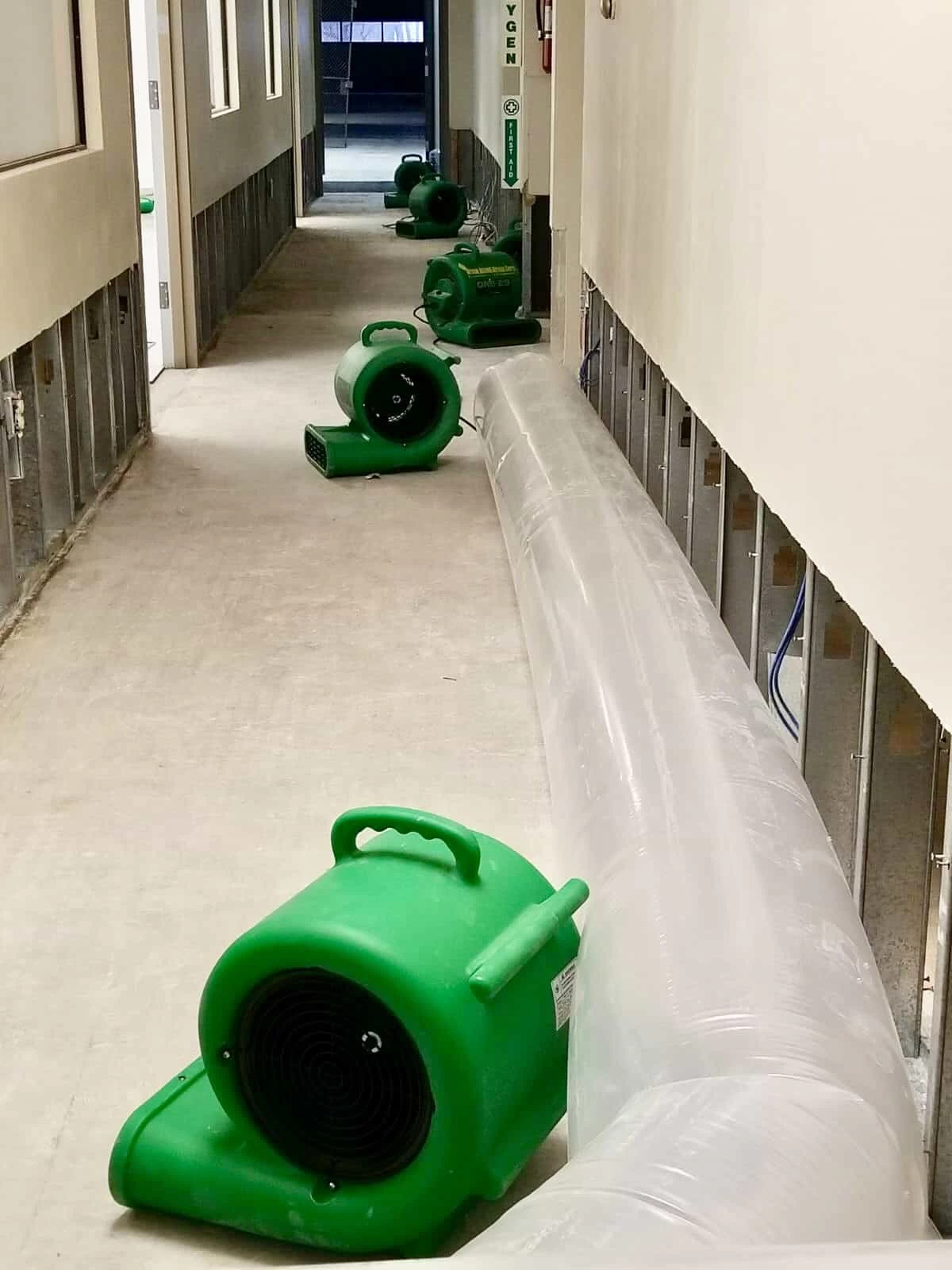
Once the scope is set and approvals are in place, demolition begins with eyes open. Older homes in this neighborhood regularly turn up moisture damage, deteriorated subfloor, or outdated plumbing behind original tile. Because our background is in restoration and remediation, those discoveries don’t stop the project they get handled in-house, documented, and factored into the work without blowing up your timeline.
From there, it moves through waterproofing, plumbing and electrical updates, tile installation, fixture work, and final cleanup all coordinated under one roof. You’re not managing five separate contractors. You have one point of contact from the first conversation to the day you walk back into a finished bathroom.
Full-Scope Renovations Built for Beechhurst's Real Conditions
Every bathroom renovation we complete in Beechhurst covers the full scope demolition, waterproofing, plumbing upgrades, electrical work, custom tile, fixture installation, and final cleanup. Nothing is left to a separate crew you’ve never met. For homes along Powells Cove Boulevard and the waterfront co-op buildings, that waterproofing layer isn’t a formality. It’s the part of the renovation that determines whether your bathroom holds up five years from now or starts showing moisture problems all over again.
For co-op owners in Le Havre, the Cryder House, or the Towers at Beechhurst, our service includes full coordination with your building’s management and the NYC Department of Buildings permit filings, inspection scheduling, and documentation that satisfies board requirements. If your building is a designated landmark, that adds a layer involving the NYC Landmarks Preservation Commission, and that’s a process we have the regulatory experience to navigate.
On the design side, the work covers frameless glass enclosures, floating vanities, recessed lighting, custom tile layouts, quartz countertops, and smart fixture integration finishes that are appropriate to the quality of homes in Beechhurst, not a generic catalog selection. Financing is available up to $200,000 with 0% APR promotional options, which makes it realistic to do the full renovation correctly rather than cutting corners to fit a tighter budget.
Do I need a permit for a bathroom renovation in Beechhurst, NY?
In most cases, yes. New York City requires an Alteration Type 2 permit for bathroom renovations that involve relocating plumbing fixtures, modifying walls, changing electrical configurations, or updating ventilation. That permit has to be filed by a licensed Professional Engineer or Registered Architect with the NYC Department of Buildings it’s not something a homeowner can file independently, and it’s not something a contractor can skip without risking a stop-work order.
For Beechhurst residents specifically, there’s often an additional layer. If you live in a co-op Le Havre, the Towers at Beechhurst, the Cryder House, Cryder Point your building’s board needs to approve the renovation plan before any DOB filing can even begin. That approval process involves submitting detailed plans to the managing agent, and it can take several weeks. If your building is a NYC-designated landmark, the Landmarks Preservation Commission may also need to review the work. We handle all of this coordination, so you’re not left navigating it on your own.
How much does a bathroom remodel typically cost in Beechhurst?
In New York City’s higher-cost neighborhoods, bathroom renovation costs run significantly above national averages. For a Beechhurst home, a straightforward refresh same fixture locations, updated tile, new fixtures generally runs in the range of $28,000 to $45,000. A mid-range renovation with a tub-to-shower conversion, updated lighting, and plumbing changes typically falls between $45,000 and $75,000. High-finish work with layout changes or full structural updates can reach $120,000 or more.
Several factors specific to Beechhurst push costs toward the higher end of those ranges. Older homes in the Robinwood section and along the neighborhood’s residential streets frequently have behind-the-wall conditions deteriorated subfloor, aging cast iron pipes, original electrical near the shower that need to be addressed during demolition. Co-op renovations also carry additional costs: permit filing fees, board application requirements, and the requirement for licensed tradespeople to schedule inspections through the DOB. We build detailed upfront estimates that account for what 12 years of New York restoration work tells us is likely to be found, so the final invoice reflects the actual scope not a lowball number that climbs mid-project.
What happens if mold or water damage is found during demolition?
It’s more common than most people expect, especially in Beechhurst. The neighborhood’s proximity to the East River and the Long Island Sound creates persistent ambient moisture conditions that local waterproofing contractors have explicitly documented as a primary service driver here. In homes built before 1960 which covers most of Beechhurst’s single-family housing stock original tile work can conceal decades of moisture intrusion that never got properly addressed. When that tile comes off during demo, what’s behind it sometimes requires more than a remodeler can handle.
Our background in water damage restoration and mold remediation means we’re equipped to deal with those discoveries in-house. We don’t stop the project, bring in a separate specialty contractor, and leave you managing the handoff. The remediation gets handled, documented, and incorporated into the renovation scope by the same team doing the rest of the work. For Beechhurst homeowners especially in older homes or waterfront co-op buildings where moisture risk is highest this is one of the most practically important differences between a remodeling-only contractor and a company with a restoration background.
How long does a bathroom renovation typically take in a Beechhurst co-op?
The construction phase of a bathroom renovation demo through final cleanup typically takes two to four weeks depending on scope. But in a Beechhurst co-op, the full timeline from decision to finished bathroom is longer, because the pre-construction approval process adds meaningful time before a single tile is touched.
Most co-op boards in Beechhurst require a formal renovation application, detailed plans reviewed by the building’s managing agent, and board approval before any DOB filings can proceed. That process can take anywhere from two to six weeks depending on the building and how quickly the board meets. Once DOB filings are submitted, permit approval adds additional time. We start this process early and manage it directly, which keeps the overall timeline as tight as possible. We also understand that in a multi-unit building, work hours are typically restricted usually weekdays between 9 a.m. and 5 p.m. and we schedule accordingly so you’re not creating conflict with your neighbors or your building’s management.
What bathroom design trends are Beechhurst homeowners choosing right now?
The most consistent request in higher-end Queens neighborhoods right now is a bathroom that feels like a real retreat not just a functional room. Frameless glass shower enclosures, large-format porcelain tile, floating vanities with built-in storage, and recessed lighting are showing up in most of the renovations that are moving the needle on resale value. Spa-like design is the top trend nationally in 2025, and in a neighborhood like Beechhurst where renovated co-op listings in Le Havre and along Powells Cove Boulevard consistently highlight updated bathrooms as a primary selling point that trend has direct market value attached to it.
Storage is the other major driver. Buyers and residents alike want bathrooms that are organized and functional, not just beautiful. Thoughtfully designed storage recessed niches, built-in vanity drawers, medicine cabinets that don’t look like they came from a hardware store is cited by 94% of industry experts as the number-one priority for home buyers evaluating a bathroom. We incorporate both the design and the function into every renovation, with finish selections that are appropriate to the quality of Beechhurst homes rather than pulled from a generic catalog.
Does Green Island Group handle bathroom renovations in older Beechhurst homes with original plumbing?
Yes and it’s the kind of work we’re specifically equipped for. Homes in Beechhurst’s Robinwood section and along the neighborhood’s older residential streets were built in the 1920s through the 1950s, and many have never had their plumbing comprehensively updated. That means cast iron or galvanized steel pipes, original supply lines, and drain configurations that weren’t designed around modern fixtures or water pressure expectations. Replacing or rerouting that plumbing is a standard part of a full bathroom renovation in these homes, not an unexpected add-on.
What makes the difference in a home this age is having a contractor who comes in expecting to find these conditions rather than being surprised by them. Our restoration background means we’ve worked inside the walls of New York’s oldest residential buildings for over a decade. We know what to look for, how to assess what needs to be replaced versus what can remain, and how to document the work in a way that satisfies NYC DOB inspection requirements. For Beechhurst homeowners with older homes who’ve been putting off a renovation because they’re not sure what they’ll find that experience is exactly what makes the difference between a project that goes smoothly and one that doesn’t.