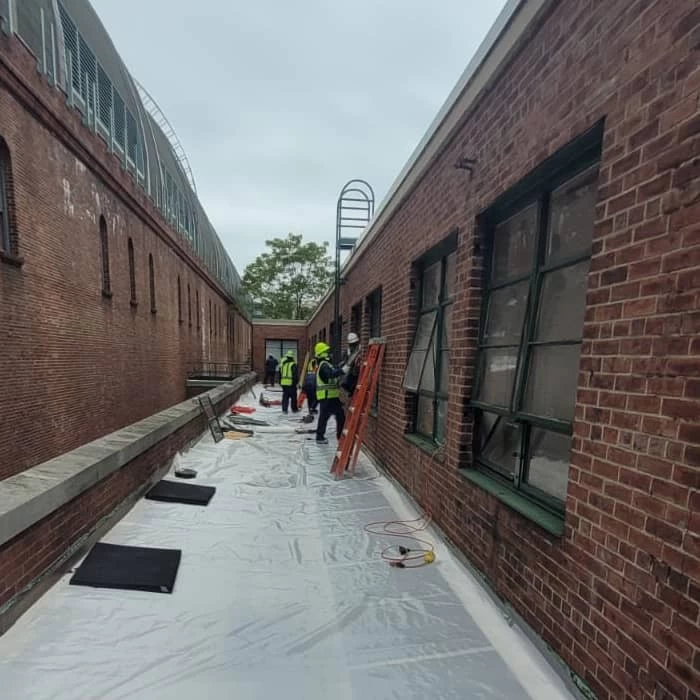
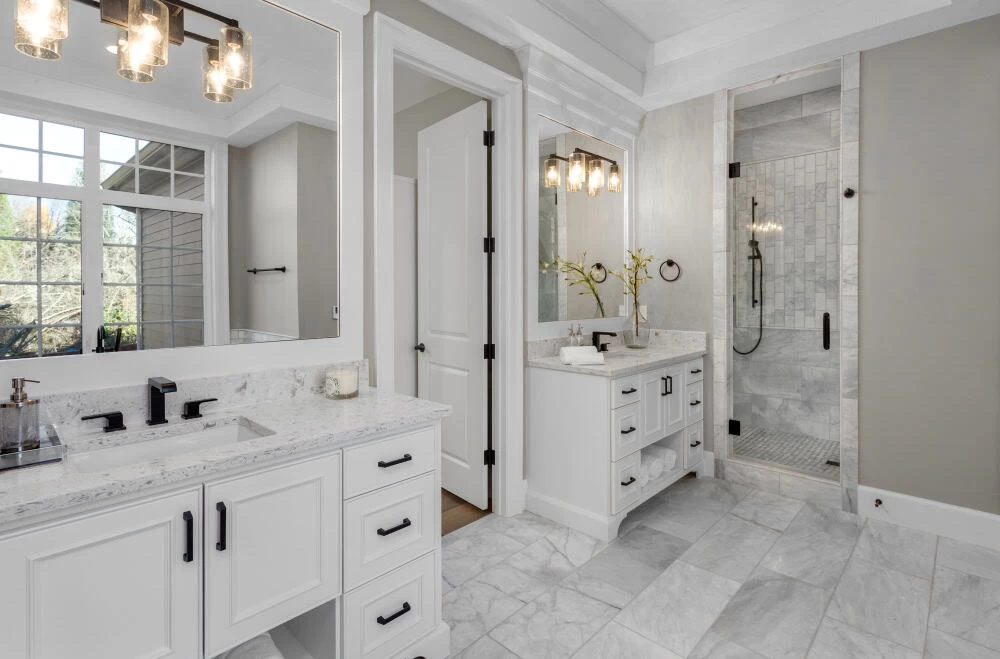
Most bathroom remodels in Belle Terre hit a wall literally. When your home was built in the 1960s or 70s, what’s behind that tile isn’t always pretty. We handle the full scope, hazardous materials included, so your project doesn’t stop when the surprises start.
I needed a professional consultation explanation of procedure for safe removal of Asbestos in my apartment complex. Without having an account yet, I was very impressed with the caring, knowledgeable and generous advice offered by Jessica, and will look forward to doing business in the future. Thank you so much! I feel much more informed about a sometimes scary endeavor. Peace. Nancy Silva Mineola, NY.
Mia Munoz
Used this company to clean up some water flood in my house. They were fast and easy to work with.very professional, Would recommend to anyone!
Nini Valle
Great company, had a flood and they responded quickly and efficiently. Billed my insurance company directly. I highly recommend this company!
joe colapietro, jr
I had pipe freeze in my basement right before a snow storm and they made to within an hour to help start the clean up process. They we by our side throughout the entire process and even helped with the insurance company. They did such a great job with the cleanup, repair, remidiation, I contracted them to perform the repairs and finishes in the basement. They came with enough manpower and material to get the job done. Leo and Jessica were nothing but a pleasure to deal with!!
Cristian Arredondo c
I had some water damage in my home and Green Island was able to take care of my issue quickly and effectively. I am very pleased with the work they did. They responded quickly and were very professional.
Michael M
Outstanding service! From the office to the field crew everyone was friendly, helpful and responsive. I highly recommend Green Island Group.
A Finished Bathroom That Doesn't Come With Asterisks
When you’re investing $60,000 to $100,000 or more into a bathroom renovation on a North Shore waterfront property, the last thing you want is a contractor who has to pause the job because they found something they’re not licensed to handle. Nearly 79% of homes in Belle Terre were built before 1980. That means asbestos floor tiles, lead paint on original trim, and decades-old substrates that weren’t designed for the coastal humidity this peninsula generates year-round. These aren’t edge cases they’re the norm.
What you actually get when the job is done right is a bathroom that holds up. Not just visually, but structurally. The Long Island Sound doesn’t forgive shortcuts. Persistent moisture, salt air, and the kind of humidity that settles into a bluff-top Belle Terre home all winter long will expose every material decision that was made in a hurry. When the waterproofing is done correctly, the substrate is cement board instead of greenboard, and the ventilation is sized for your actual bathroom you stop dealing with grout failures, mold behind the tile, and the same renovation conversation five years from now.
The other thing that changes is your confidence in the investment. A bathroom that was properly permitted, inspected by Belle Terre’s village building inspector, and completed by a contractor who handled every phase in-house is an asset at resale not a liability. In a market where homes regularly trade above a million dollars, that distinction matters more than most people realize until they’re sitting across from a buyer’s attorney.
We’re a full-service remodeling and environmental remediation contractor based in Bohemia, NY, serving Belle Terre and the broader Port Jefferson area. With more than 5,000 completed projects across New York State, we’ve worked through every era of Long Island’s housing stock and we know exactly what mid-century North Shore construction looks like once the walls come open.
What makes us different isn’t a sales pitch it’s a license set that most remodeling contractors simply don’t carry. Asbestos abatement, lead-based paint abatement (License LBP-F122209-1), mold remediation, and home improvement contracting are all handled under one roof. For a Belle Terre homeowner whose house was built in 1971 and hasn’t had a full bathroom gut since the Clinton administration, that matters. There’s no subcontractor to source mid-project, no delay while a hazmat crew gets scheduled, and no second contract to sign.
We also operate 24 hours a day, 7 days a week. If a pipe fails in an older Belle Terre home on a Saturday night and takes the bathroom with it, we’re the first call and the only call from emergency extraction through the finished renovation.
It starts with a walkthrough. Before any scope is written or any number is put on paper, we look at what you’re actually working with the age of the plumbing, the condition of the existing tile and substrate, the ventilation situation, and whether there are any visible indicators of hazardous materials that need to be tested before demolition begins. In a pre-1980 Belle Terre home, that pre-demolition assessment isn’t optional. It’s what keeps the project on schedule.
Once the scope is confirmed, we pull permits through Belle Terre’s village building department. The village has its own building inspector and its own certificate of occupancy process separate from the Town of Brookhaven’s general permitting workflow. We handle that process directly, so you’re not chasing paperwork or trying to figure out which office to call. Demolition follows, and if hazardous materials are discovered during tear-out, the remediation happens in-house before the rebuild begins. No project pause. No outside contractor.
The rebuild phase covers everything: waterproofing, cement board substrate, plumbing updates, electrical, tile, fixtures, vanity, lighting, and ventilation. When the work is done, the village building inspector signs off, the certificate of occupancy is issued, and you have a bathroom that’s fully permitted, fully documented, and built to handle the coastal environment your home sits in. One contract covers all of it, start to finish.
A bathroom remodel in Belle Terre isn’t the same job it is in a newer suburban development. The homes here were built to last, but they were also built in an era when greenboard was standard, asbestos floor tiles were common, and bathroom ventilation was an afterthought. A complete gut renovation in Belle Terre typically involves removing original tile and substrate down to the studs, testing for and remediating any hazardous materials found, updating supply and drain lines that may be original to the home, and rebuilding the entire wet area from scratch with materials that are rated for a coastal moisture environment.
On the finish side, we work with the full range of what Belle Terre homeowners are looking for large-format natural stone tile, frameless glass enclosures, freestanding soaking tubs, rainfall showerheads, heated floors, custom vanities, and smart fixtures. The aesthetic decisions are yours. The structural and material decisions are made with your specific home’s age, location, and exposure in mind, not pulled from a standard spec sheet.
Every project includes permit management with the Belle Terre village building department, a pre-demolition hazardous materials assessment, in-house remediation if needed, and a final inspection walkthrough before the job is considered closed. If your renovation is being triggered by water damage or an insurance claim, we can bill your carrier directly and manage the documentation something that matters when you’re dealing with an older home and an insurer who wants a detailed scope before they approve anything.
Do I need a permit for a bathroom remodel in Belle Terre, NY?
Yes, and the permit process in Belle Terre is specific to the village not the same as going through the Town of Brookhaven’s general building department. Belle Terre has its own building inspector who reviews plans, issues permits, and must sign off on a certificate of occupancy before the renovation is considered complete and legally occupiable. Any work involving plumbing relocation, electrical modifications, structural changes, or the disturbance of hazardous materials requires a permit pulled at the village level.
This matters more than most homeowners realize at the start of a project. If you sell your home and the buyer’s attorney discovers that a bathroom renovation was done without a permit or that a certificate of occupancy was never issued it becomes a negotiating problem at best and a deal-killer at worst. In a market where Belle Terre homes regularly trade above a million dollars, that’s not a risk worth taking. We pull permits directly and manage the inspection process through to final sign-off, so you’re not left holding that exposure.
What happens if asbestos is found during my bathroom renovation?
If asbestos-containing materials are discovered during demolition which is a real possibility in any Belle Terre home built before 1980, and especially in the 1960s and 70s construction that makes up the majority of the village’s housing stock a contractor who is not licensed for asbestos abatement has to stop work. They can’t legally proceed with demolition until a licensed abatement contractor comes in, tests the materials, and removes them under state and Suffolk County environmental regulations. That means your project timeline just became someone else’s scheduling problem.
We hold active asbestos abatement certification and perform that work in-house. If something is found during tear-out, the remediation happens as part of the same project, under the same contract, without stopping the job. The materials are removed, documented, and disposed of according to New York State and Suffolk County requirements, and the rebuild proceeds on schedule. For a homeowner in a pre-1980 Belle Terre home, this isn’t a hypothetical scenario it’s a realistic one, and having a contractor who can handle it without derailing the project is a genuine advantage.
How much does a full bathroom remodel cost in Belle Terre, NY?
The national average for a midrange bathroom remodel sits around $26,000, but that number doesn’t reflect what a full renovation actually costs in a North Shore Long Island community like Belle Terre. Labor costs, Suffolk County permitting, material quality expectations, and the age of the housing stock all push that number significantly higher. A complete gut renovation in a Belle Terre home covering demolition, hazardous material assessment and remediation if needed, plumbing and electrical updates, full waterproofing, tile, fixtures, and finish work typically runs between $50,000 and $100,000 or more depending on scope and finish selections.
The variables that move that number most are what’s found during demolition and what you’re selecting on the finish side. A bathroom with original 1970s plumbing that needs full supply and drain line replacement is a different project than one where the plumbing is already updated. Luxury finishes large-format stone tile, custom vanities, frameless glass, heated floors add cost but also add value in a market where median home prices exceed a million dollars. The best way to get an accurate number is a walkthrough assessment before any scope is written.
How does coastal humidity in Belle Terre affect bathroom materials and design?
Belle Terre sits on a peninsula with the Long Island Sound on three sides and Port Jefferson Harbor on the fourth. That geography means your home is exposed to persistent coastal humidity, salt air, and wind-driven moisture in a way that an inland Suffolk County home simply isn’t. Standard bathroom materials greenboard substrate, standard grout, basic tile adhesives don’t hold up well in that environment. Grout cracks earlier, adhesives fail, and moisture finds its way behind the tile surface faster than it would in a protected inland location.
The right approach for a Belle Terre bathroom uses cement board or an equivalent moisture-resistant substrate instead of greenboard, a waterproof membrane behind the tile in all wet areas, mold-resistant grout, and fixtures with corrosion-resistant finishes. Ventilation sizing also matters more here than in a drier environment an undersized exhaust fan that might be adequate in a Smithtown bathroom may not be sufficient in a home that’s absorbing coastal humidity all summer. We account for all of this in the material and design specifications, not as an upsell, but because it’s what makes the renovation last.
Can a bathroom remodel in Belle Terre be triggered by water damage or a pipe failure?
Yes, and it’s more common than most people expect. Belle Terre’s housing stock is predominantly pre-1980 construction, which means a significant number of homes have original or near-original plumbing systems that are now 40 to 60 years old. Pipe failures whether from a slow leak behind the wall, a freeze event in a poorly insulated exterior bathroom wall, or a sudden burst often cause enough damage to the surrounding tile, substrate, and framing that a full bathroom renovation becomes the logical next step after the water is extracted and the area is dried.
We operate 24 hours a day, seven days a week, specifically because water emergencies don’t follow business hours. We handle the emergency extraction and drying, the mold prevention work that follows, and the complete renovation all under one contract. If the damage is covered by your homeowner’s insurance, we can bill your carrier directly and manage the documentation process, which removes a significant administrative burden from your plate during an already disruptive situation.
What should I look for when hiring a bathroom remodel contractor in Belle Terre?
The most important thing to verify is whether the contractor is licensed to handle what they might find not just what they expect to find. In Belle Terre, where nearly 79% of homes were built before 1980, any full gut renovation carries a real probability of encountering asbestos, lead-based paint, or mold. A contractor who holds only a standard home improvement license has to stop work the moment those materials are discovered. That’s not a hypothetical risk it’s a documented reality for homeowners in Belle Terre who have been through a renovation cycle before.
Beyond hazmat licensing, look for a contractor who is familiar with Belle Terre’s village-level permit process specifically. The village has its own building inspector and its own certificate of occupancy requirements a contractor who has only worked in unincorporated Suffolk County hamlets may not know the difference, and that gap shows up as delays or compliance problems during inspection. Ask for specific license numbers, verify them, and confirm that the contractor has experience working in incorporated North Shore villages where the regulatory process is more layered than a standard town permit. We carry active licenses for asbestos abatement, lead abatement (LBP-F122209-1), mold remediation, and home improvement contracting in Suffolk County and we know Belle Terre’s building department process from direct experience.