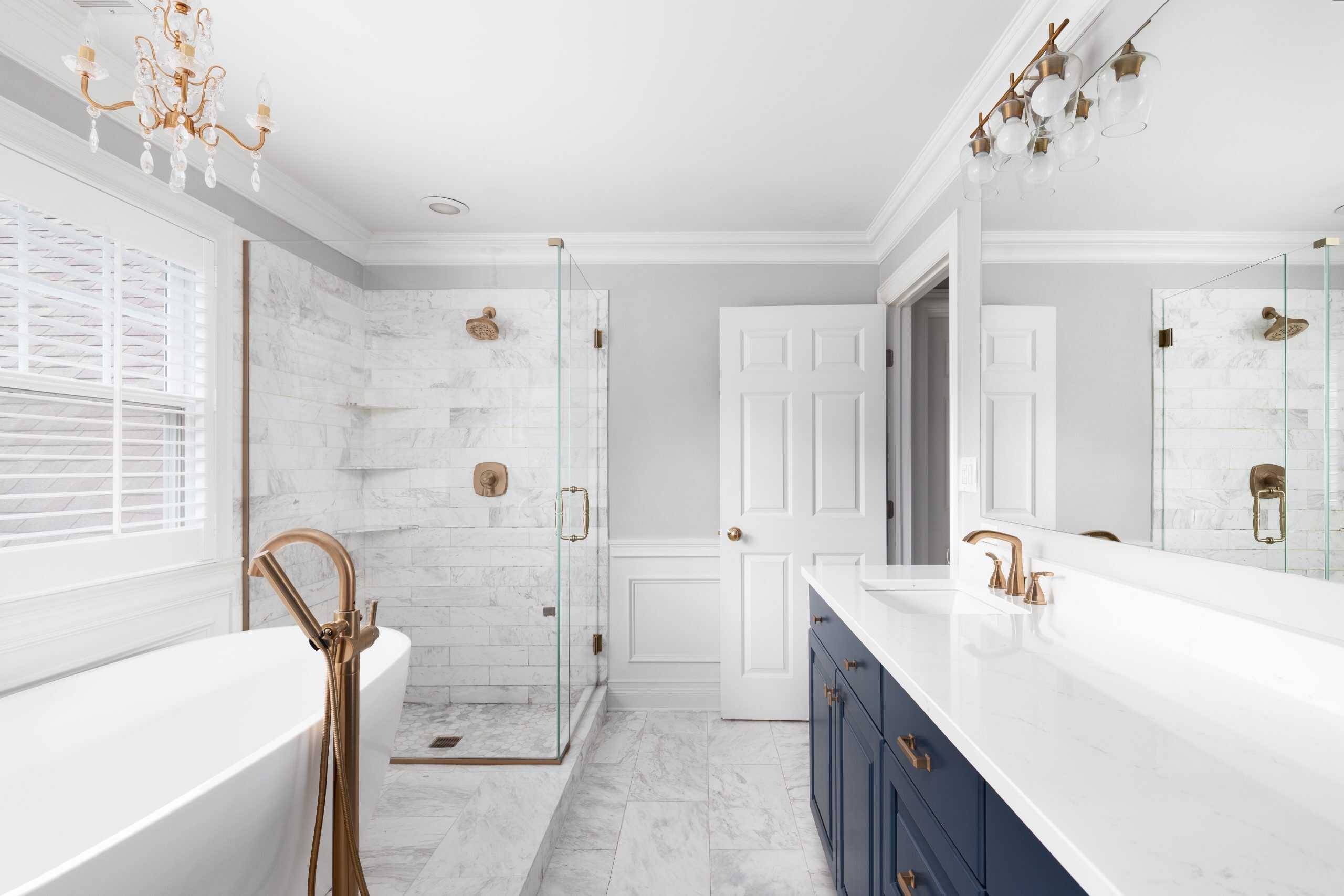
Canal Street–area buildings don’t forgive shortcuts. We handle every trade, every filing, and every board requirement so your bathroom remodel actually gets finished.
I needed a professional consultation explanation of procedure for safe removal of Asbestos in my apartment complex. Without having an account yet, I was very impressed with the caring, knowledgeable and generous advice offered by Jessica, and will look forward to doing business in the future. Thank you so much! I feel much more informed about a sometimes scary endeavor. Peace. Nancy Silva Mineola, NY.
Mia Munoz
Used this company to clean up some water flood in my house. They were fast and easy to work with.very professional, Would recommend to anyone!
Nini Valle
Great company, had a flood and they responded quickly and efficiently. Billed my insurance company directly. I highly recommend this company!
joe colapietro, jr
I had pipe freeze in my basement right before a snow storm and they made to within an hour to help start the clean up process. They we by our side throughout the entire process and even helped with the insurance company. They did such a great job with the cleanup, repair, remidiation, I contracted them to perform the repairs and finishes in the basement. They came with enough manpower and material to get the job done. Leo and Jessica were nothing but a pleasure to deal with!!
Cristian Arredondo c
I had some water damage in my home and Green Island was able to take care of my issue quickly and effectively. I am very pleased with the work they did. They responded quickly and were very professional.
Michael M
Outstanding service! From the office to the field crew everyone was friendly, helpful and responsive. I highly recommend Green Island Group.
Most bathroom renovations in Canal Street don’t fall apart because of bad tile choices. They fall apart because the contractor didn’t know how to prep an alteration agreement, couldn’t pull a DOB permit correctly, or had no idea what to do when demo revealed a cast-iron drain line from 1910. That’s the reality of working in the building stock along Canal Street and it’s exactly where the wrong contractor becomes an expensive problem.
When you’re living in a converted loft in Tribeca or a co-op in SoHo, your bathroom renovation has layers that a standard remodel doesn’t. Your board has rules. Your building has a freight elevator window. Your walls might be hiding moisture issues that go back decades, especially in buildings that sit on the path of the old Collect Pond drainage corridor. A contractor who doesn’t account for any of that isn’t just inconvenient they’re a liability.
What you actually get on the other side of a well-run remodel is a bathroom that works with your building, not against it. One that’s permitted, board-approved, and built to hold up in a high-humidity Manhattan environment. No stop-work orders. No scrambling for a separate remediation crew. No project that drags three months past the agreed timeline while your neighbors file noise complaints.
Green Island Group is a full-service remodeling and restoration company serving New York City and Long Island. Our bathroom remodeling division handles everything under one roof demolition, plumbing, electrical, waterproofing, tile, fixtures, and final finish. There’s no subcontracting maze. There’s no situation where the plumber finishes and the tile guy doesn’t show up for two weeks.
That matters a lot in a building environment like Canal Street’s. Whether you’re in a cast-iron loft building in SoHo, a converted warehouse in Tribeca, or a tenement-era co-op closer to Chinatown, the logistics of renovation here are genuinely complex. Freight elevator reservations, board-required documentation, DOB permit filings, insurance certificates that meet building-specific requirements we’ve navigated all of it, and we handle it as part of the job, not as an extra you have to manage yourself.
We also carry environmental remediation certifications, which means if demo turns up asbestos-containing adhesive or mold behind original plaster common in buildings dating to the late 1800s the project doesn’t stop while you find someone qualified to deal with it.
It starts with a real conversation about your space, your building’s rules, and what you actually want the bathroom to do. Before any design decisions get made, we look at your building’s alteration agreement requirements and any board-specific restrictions including the wet-over-dry rules that many SoHo and Tribeca co-ops enforce, which limit where plumbing can be relocated. Getting that clarity upfront is what keeps the project from hitting a wall two weeks in.
From there, the scope gets defined, permits get filed with the NYC Department of Buildings, and the project timeline gets built around your building’s actual constraints freight elevator availability, permitted work hours (7 AM to 6 PM weekdays in most Manhattan residential buildings), and any noise ordinance considerations your board enforces. The DOB updated its filing requirements in January 2026, and those changes directly affect how condo and co-op renovation permits are processed in the Canal Street area. That’s not something you want a contractor learning on your job.
Once approvals are in place, our crew works through demo, rough trades, waterproofing, and finish work in sequence with one point of contact managing the whole thing. If anything unexpected shows up behind the walls, we handle it in-house. When the job is done, it’s done clean: inspected, signed off, and ready for your building’s final walkthrough.
Built for Loft Buildings, Not Cookie-Cutter Condos
A bathroom remodel in the Canal Street corridor isn’t a standard job. The buildings here many of them 19th and early 20th century cast-iron structures converted to residential use over the past few decades have plumbing configurations, ceiling heights, and structural realities that require a different approach than a typical suburban renovation. We design around what your space actually is, not what a showroom template assumes it should be.
The full scope covers everything: demolition and debris removal (coordinated with your building’s freight elevator schedule), plumbing system upgrades, electrical improvements, waterproofing, custom tile work, vanity and fixture installation, and smart home integrations if that’s part of your vision. For buildings within or near the Tribeca North Historic District which borders the western end of Canal Street we’re familiar with the additional documentation and review considerations that can come into play for certain types of renovation work.
Environmental remediation is included in-house when needed. That means if demo reveals asbestos-containing materials in old tile adhesives or mold behind original plaster, the project doesn’t pause it continues under the same crew with the proper certifications already in place. For a neighborhood with as much building history as Canal Street, that’s not a minor detail. It’s the difference between a renovation that finishes on time and one that doesn’t finish at all.
Do I need board approval before starting a bathroom remodel in my Canal Street co-op?
Yes, and in most co-op and condo buildings along Canal Street in SoHo and Tribeca, board approval isn’t just a formality it’s a hard requirement before any work begins. Most buildings require a signed alteration agreement that outlines the scope of work, contractor qualifications, insurance certificates, and a timeline. Some buildings also require architectural plans stamped by a licensed professional before they’ll approve anything.
The documentation package your building management needs can be detailed, and boards in this area tend to be thorough. Submitting an incomplete package is one of the most common reasons renovation projects get delayed by weeks before a single wall is touched. We prepare the full alteration agreement documentation as part of the process, so you’re not left trying to figure out what your board wants or chasing down paperwork on your own.
How much does a bathroom remodel typically cost in a Manhattan loft apartment?
In the Canal Street area which covers ZIP code 10013, including Tribeca and SoHo bathroom remodel costs run significantly higher than national averages. For a midrange renovation in a Manhattan loft, you’re generally looking at $25,000 to $50,000. A more comprehensive gut renovation with premium tile, custom vanity work, wet room conversion, or smart home integration can run $50,000 to $75,000 or beyond, depending on the scope and the specific conditions of your building.
The higher cost isn’t just about materials. It reflects the real complexity of working in Manhattan residential buildings DOB permit fees, co-op board documentation requirements, freight elevator logistics, and the skilled labor rates that come with contractors who actually know how to navigate all of it. In a market where median home values in 10013 sit above $2 million, a well-executed bathroom renovation isn’t just a quality-of-life upgrade. It’s a measurable investment in a property that already carries significant value.
What is the wet-over-dry rule, and does it affect my bathroom renovation in SoHo or Tribeca?
The wet-over-dry rule is a restriction enforced by many co-op and condo boards in SoHo, Tribeca, and similar Manhattan neighborhoods near Canal Street. It means you cannot relocate a bathroom or kitchen which are considered “wet” spaces so that they sit directly above a neighbor’s bedroom, living room, or other “dry” space. The concern is water damage liability and the structural impact of moving heavy plumbing loads.
This rule matters for bathroom renovations because it limits where you can move things. If you’re planning to reconfigure your bathroom layout, expand into an adjacent space, or relocate the toilet or shower, the wet-over-dry restriction may affect what’s actually buildable in your unit regardless of what looks good on a design plan. We assess this before the design gets finalized, not after the permit is filed. Getting clarity on your building’s specific rules upfront is the single most important thing you can do to avoid a redesign mid-project.
How long does a bathroom renovation typically take in a Manhattan building?
For a full bathroom renovation in a Canal Street co-op or condo, the realistic timeline from first conversation to finished bathroom is often three to six months and the majority of that time is pre-construction, not actual work. DOB permit approval timelines in New York City commonly run two to six months depending on the complexity of the filing. Add in the time for board alteration agreement review and approval, and you can easily be looking at several months before a single tile comes off the wall.
The physical construction phase once permits are approved and board sign-off is in hand typically runs three to six weeks for a standard bathroom gut renovation, depending on scope and any conditions found during demo. In Canal Street–area buildings, where the underlying structure may be 100 or more years old, it’s smart to build some buffer into the timeline. Unexpected plumbing conditions, outdated electrical configurations, or moisture behind original plaster are common enough in this building stock that a contractor who doesn’t plan for them is setting you up for delays.
Do I need a DOB permit for a bathroom renovation in Canal Street, NY?
If your renovation involves any plumbing relocation, electrical changes, or structural modifications which most meaningful bathroom remodels do then yes, a NYC Department of Buildings permit is required. This applies across Manhattan, including the 10013 ZIP code that covers Canal Street, SoHo, Tribeca, and the surrounding neighborhoods. Work done without the required permits creates real liability: it can surface during refinancing, cause problems at resale, and in co-op buildings, it can violate your proprietary lease.
As of January 2026, the DOB updated its filing requirements in ways that directly affect how condo and co-op renovation permits are processed. A contractor who isn’t current on those changes can file incorrectly, which delays approval and can require refiling. For co-op and condo buildings specifically, a registered architect or professional engineer typically needs to serve as the Applicant of Record for the filing. We coordinate that process as part of the job you don’t need to source an architect separately or navigate the DOB portal on your own.
What happens if demo reveals mold or asbestos in my Canal Street loft bathroom?
It’s more common than most people expect in Canal Street buildings. A significant portion of the residential building stock here dates to the late 1800s and early 1900s cast-iron loft buildings in SoHo, converted warehouses in Tribeca, tenement-era construction in Chinatown. Asbestos-containing materials were widely used in tile adhesives, floor underlayments, and pipe insulation through much of that era. Mold is also a real possibility in buildings where original waterproofing has degraded or where the proximity to the old Collect Pond drainage path has contributed to long-term subsurface moisture conditions.
When a contractor without remediation credentials hits one of these situations, the project stops. You’re now finding a separate certified contractor, waiting for availability, paying for a second mobilization, and watching your timeline extend by weeks. We carry environmental remediation certifications in-house, which means if demo turns up asbestos or mold, the same crew handles it under the same project no stoppage, no scramble, no separate invoice for a second company. For a neighborhood with as much building history as Canal Street, that capability isn’t a bonus. It’s a baseline requirement for doing the job right.