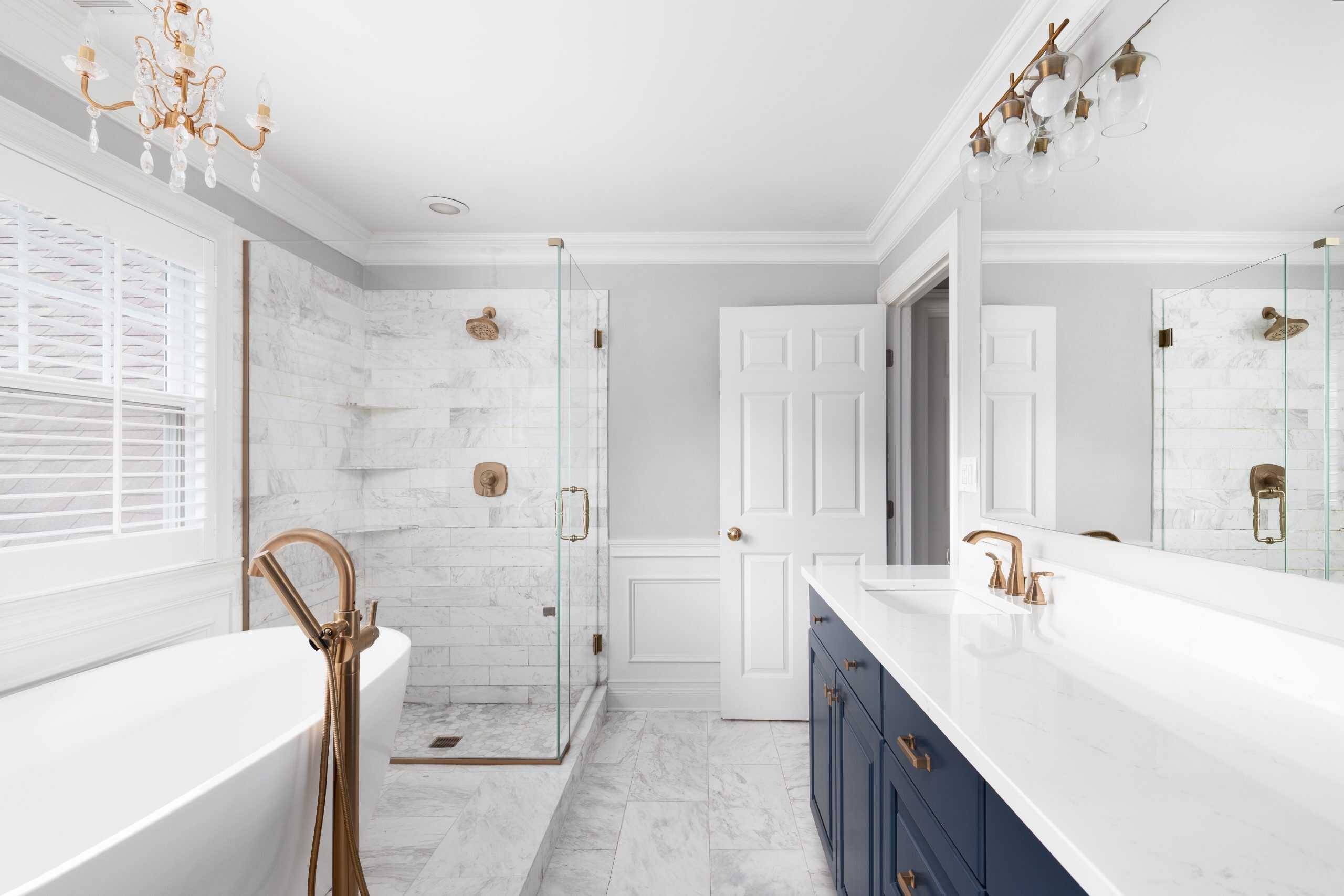
Chinatown’s buildings are old, dense, and full of things contractors don’t expect unless they’ve worked here before. We handle bathroom renovations in pre-war buildings, co-ops, and tenements across Lower Manhattan, permits and all.
I needed a professional consultation explanation of procedure for safe removal of Asbestos in my apartment complex. Without having an account yet, I was very impressed with the caring, knowledgeable and generous advice offered by Jessica, and will look forward to doing business in the future. Thank you so much! I feel much more informed about a sometimes scary endeavor. Peace. Nancy Silva Mineola, NY.
Mia Munoz
Used this company to clean up some water flood in my house. They were fast and easy to work with.very professional, Would recommend to anyone!
Nini Valle
Great company, had a flood and they responded quickly and efficiently. Billed my insurance company directly. I highly recommend this company!
joe colapietro, jr
I had pipe freeze in my basement right before a snow storm and they made to within an hour to help start the clean up process. They we by our side throughout the entire process and even helped with the insurance company. They did such a great job with the cleanup, repair, remidiation, I contracted them to perform the repairs and finishes in the basement. They came with enough manpower and material to get the job done. Leo and Jessica were nothing but a pleasure to deal with!!
Cristian Arredondo c
I had some water damage in my home and Green Island was able to take care of my issue quickly and effectively. I am very pleased with the work they did. They responded quickly and were very professional.
Michael M
Outstanding service! From the office to the field crew everyone was friendly, helpful and responsive. I highly recommend Green Island Group.
What Changes When the Bathroom Actually Works for You
A lot of Chinatown apartments were built before indoor plumbing was even standard. The bathroom that exists in your unit today may have been retrofitted decades ago and it shows. Cramped layout, outdated fixtures, plaster walls holding moisture, and pipes that haven’t been touched since the Eisenhower era. A proper renovation doesn’t just make it look better. It makes the space function the way it should have all along.
In buildings this old, small square footage is the norm. But small doesn’t have to mean uncomfortable. Wall-mounted fixtures, floating vanities, recessed shower niches, and large-format tile can completely transform a 35-square-foot bathroom not by making it bigger, but by making every inch count. That’s not a design trend. In Chinatown, that’s a practical necessity.
And because these are shared-wall buildings with common plumbing stacks, the waterproofing and plumbing work underneath the finish matters just as much as what you see. A bathroom that leaks into the unit below yours isn’t just your problem it becomes the building’s problem. Getting it done right the first time is the only option that makes sense here.
We’re a full-service remodeling and restoration contractor serving Chinatown, Manhattan, and the surrounding boroughs. We handle everything from demolition and plumbing to tile, fixtures, and final inspection under one roof, with one point of contact throughout.
What sets us apart in a neighborhood like Chinatown isn’t just experience it’s the right kind of experience. We’ve worked in pre-war tenements along the Bowery, co-ops near Confucius Plaza, and converted units steps from Canal Street. We know what cast-iron plumbing looks like when it’s failing, what galvanized branch lines mean for your permit scope, and what asbestos-containing floor tile requires before demo can begin. We handle all of it in-house, so your project doesn’t stop when something unexpected turns up behind the walls and in this neighborhood, something usually does.
We also carry the insurance certificates your building requires, file DOB permits directly, and coordinate with your co-op or condo board so you don’t have to become an expert in New York City building regulations just to get a bathroom renovation done.
From Permit Filing to Final Walkthrough Here's the Real Timeline
It starts with a consultation where we assess your existing bathroom layout, plumbing condition, wall and floor materials, and what your building’s alteration agreement will allow. In Chinatown’s co-ops and managed tenements, that last part matters a lot. Work hours, elevator access, hallway protection, and insurance requirements are all dictated by your building before we ever touch a wall. We handle that coordination upfront, not as an afterthought.
If your renovation involves moving any plumbing fixtures or updating electrical circuits which most full bathroom remodels do we file an Alt-2 permit with the NYC Department of Buildings. That process typically takes one to three months for Manhattan approvals, and we plan your project timeline around it. You won’t be stuck waiting on paperwork you didn’t know was required.
Once permits are approved and your board has signed off, demolition begins. We assess what we find and in buildings this age, we often find things like corroded cast-iron drains, water-damaged subfloors, or materials that require remediation before new construction starts. Because we handle environmental work in-house, that discovery doesn’t derail your project. We document everything, address it properly, and keep moving. Final walkthrough happens when every detail is done not when we’re ready to move on.
Built for Old Buildings, Tight Spaces, and Strict Boards
A bathroom remodel in Chinatown isn’t the same job it is in a suburban house. The buildings are older, the spaces are smaller, the regulatory requirements are stricter, and the consequences of cutting corners extend beyond your unit to your neighbors and your building. Every bathroom renovation we do in this neighborhood is scoped with all of that in mind from day one.
On the technical side, that means a full plumbing assessment before we finalize scope because what your pipes look like on the surface and what they look like behind the wall are often two different things. It means waterproofing that’s built to handle the moisture levels in a dense, older building without central ventilation. It means tile and fixture selection that accounts for your actual square footage, not a showroom floor plan. And it means electrical work that meets current NYC code, not what was acceptable when your building was last touched.
On the process side, it means we pull every permit, provide your building with the insurance certificates they require, prepare the alteration agreement documentation, and coordinate directly with your management company. Pre-war co-ops near East Broadway, tenement units off Mott Street, converted spaces near the Bowery we’ve navigated the building management requirements across all of them. You get a finished bathroom and a paper trail that holds up when it’s time to sell.
Do I need a permit to remodel my bathroom in a Chinatown co-op or tenement?
In most cases, yes and the threshold is lower than most people expect. If your bathroom renovation involves moving a toilet, relocating a shower, adding an outlet, or updating any plumbing fixture connections, you’ll need an Alt-2 filing with the NYC Department of Buildings. That filing has to be prepared and signed by a licensed architect or engineer, and it needs to be approved before any construction begins.
For co-ops and condos specifically, there’s an additional layer: your board has to sign off before the DOB will even accept the filing. As of early 2026, the DOB requires board attestation in their online system before a permit can be issued a newer rule that catches a lot of homeowners off guard. Skipping permits isn’t worth the risk. Unpermitted work in a Chinatown building can result in stop-work orders, fines, and real complications when you go to sell. We handle the entire permit and board coordination process so you’re not navigating it alone.
How much does a bathroom renovation typically cost in a Manhattan apartment?
The honest range for a full bathroom renovation in a Manhattan apartment runs from $15,000 on the lower end for a straightforward cosmetic overhaul, up to $30,000 or more when plumbing relocation, electrical updates, and structural work are involved. High-end renovations in the city can run $50,000 to $75,000 depending on materials and scope.
What most people don’t account for upfront are the NYC-specific costs that exist before construction even starts DOB filing fees, architectural plan preparation, co-op or condo board processing fees, and alteration agreement costs can add $5,000 to $25,000 to your total budget. In Chinatown’s older buildings, a contingency fund of 15 to 20 percent above your estimated project cost is genuinely recommended, not just a contractor hedge. Cast-iron pipes, water-damaged subfloors, and asbestos-containing floor tile are common discoveries in buildings of this age, and finding them mid-project without a contingency creates real budget pressure. We walk through all of this with you before you commit to anything.
What happens if asbestos or lead paint is found during bathroom demolition in my building?
It’s more common in Chinatown than most homeowners expect. Buildings constructed before 1978 and the vast majority of Chinatown’s housing stock predates 1940 are prime candidates for asbestos-containing floor tile, pipe insulation, and joint compound, as well as lead paint on plaster walls. Under NYC and EPA regulations, discovering these materials during demolition requires proper testing and abatement before construction can continue.
For most contractors, that discovery means a project halt while they bring in a separate environmental specialist. For us, it doesn’t. Environmental remediation is part of what we do asbestos abatement, lead paint remediation, and mold removal are handled in-house, by our own team, under the required certifications. That means your project keeps moving, your timeline stays intact, and you’re not coordinating between two separate companies while your bathroom sits gutted. We document everything properly for your records and for any future sale disclosure requirements.
How long does a bathroom remodel take in a Chinatown building from start to finish?
The full timeline from initial consultation to final walkthrough typically runs two to four months for a standard bathroom renovation in a Manhattan building. The construction phase itself demo through finished tile and fixtures usually takes four to eight weeks. The variable that stretches the timeline in Chinatown specifically is the pre-construction process: DOB permit approval for Manhattan projects commonly takes one to three months, and that clock doesn’t start until your co-op or condo board has provided their attestation in the DOB system.
That’s why we start the permitting and board coordination process as early as possible often before finalized material selections are even made. The goal is to have approvals in place so that when we’re ready to build, we can build without waiting. We also plan around your building’s specific work hour restrictions, which in most Chinatown co-ops and managed tenements limit construction to weekday daytime hours. That affects scheduling, and we account for it in your timeline from the beginning rather than treating it as a surprise.
Can a small Chinatown bathroom actually be renovated to feel bigger and more functional?
Yes and this is one of the more common projects we do in this neighborhood. Many Chinatown apartments have bathrooms in the 30 to 50 square foot range, some of which were retrofitted into buildings that weren’t originally designed to have private bathrooms at all. The space constraints are real, but they’re workable with the right approach.
Wall-mounted toilets free up floor space and make the room easier to clean. Floating vanities with under-cabinet lighting create the illusion of depth and add functional storage. A frameless glass shower enclosure keeps sight lines open instead of visually cutting the room in half. Large-format tile on the floor with fewer grout lines makes a small floor look larger. Recessed niches in the shower wall eliminate the need for bulky shelving. None of these are luxury add-ons. In a Chinatown bathroom, they’re the difference between a space that works and one that doesn’t. We design around your actual square footage, not a showroom layout.
How does Green Island Group handle co-op board approval for bathroom renovations in Chinatown?
Co-op board approval is one of the parts of a Manhattan bathroom renovation that homeowners dread most and understandably so. The process involves submitting an alteration agreement package that typically includes architectural drawings, a detailed scope of work, proof of contractor insurance naming the building as an additional insured, and sometimes references or prior project documentation. Each building has its own requirements, and boards can take weeks to review and respond.
We’ve been through this process in Chinatown’s co-ops and managed buildings enough times to know what boards want to see and how to present it clearly. We prepare the full alteration agreement package, provide the insurance certificates your building requires, and communicate directly with your management company throughout the review. If the board has questions or requests changes to the scope, we handle that back-and-forth. By the time construction starts, every party your board, your building management, and the DOB has signed off. That’s not a small thing in a neighborhood where one missing document can delay a project by months.