I needed a professional consultation explanation of procedure for safe removal of Asbestos in my apartment complex. Without having an account yet, I was very impressed with the caring, knowledgeable and generous advice offered by Jessica, and will look forward to doing business in the future. Thank you so much! I feel much more informed about a sometimes scary endeavor. Peace. Nancy Silva Mineola, NY.
Mia Munoz
Used this company to clean up some water flood in my house. They were fast and easy to work with.very professional, Would recommend to anyone!
Nini Valle
Great company, had a flood and they responded quickly and efficiently. Billed my insurance company directly. I highly recommend this company!
joe colapietro, jr
I had pipe freeze in my basement right before a snow storm and they made to within an hour to help start the clean up process. They we by our side throughout the entire process and even helped with the insurance company. They did such a great job with the cleanup, repair, remidiation, I contracted them to perform the repairs and finishes in the basement. They came with enough manpower and material to get the job done. Leo and Jessica were nothing but a pleasure to deal with!!
Cristian Arredondo c
I had some water damage in my home and Green Island was able to take care of my issue quickly and effectively. I am very pleased with the work they did. They responded quickly and were very professional.
Michael M
Outstanding service! From the office to the field crew everyone was friendly, helpful and responsive. I highly recommend Green Island Group.
Bathroom Renovation Contractors near Church Street NY
What You Actually Get When This Is Done Right
A bathroom renovation near Church Street isn’t just about picking tile. You’re living in a building that has its own rules, its own management team, and its own expectations for how contractors behave on the property. When those pieces aren’t handled correctly from day one, projects stall, boards get frustrated, and the whole thing becomes a source of stress instead of a finished bathroom you’re proud of.
The buildings along this corridor many of them converted commercial towers from the 1970s and 90s are sitting on plumbing systems that were never designed for residential use. That means surprises during demo are common. What separates a smooth renovation from a nightmare is whether your contractor can handle what’s behind the wall without stopping the clock and calling in someone else.
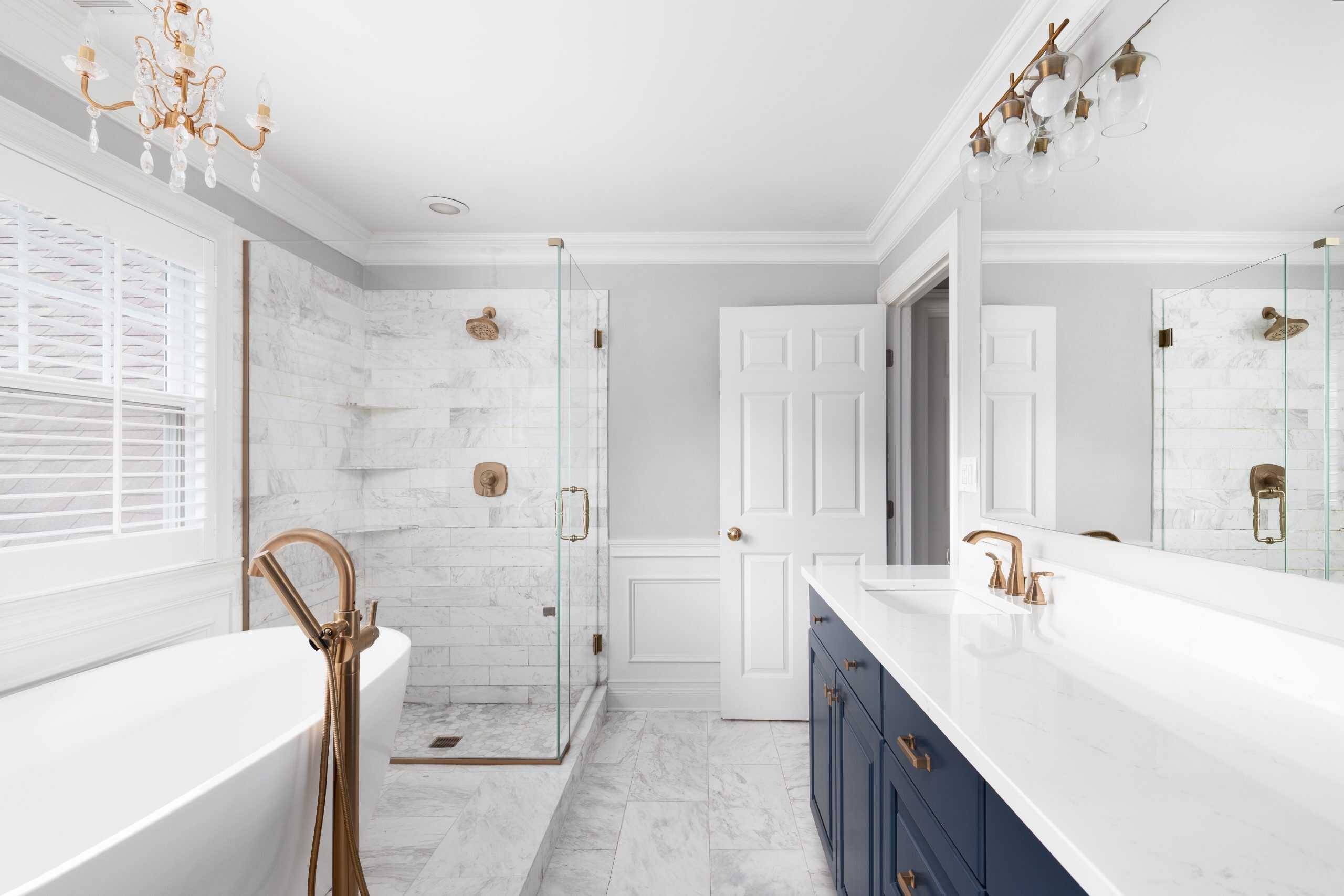
When the work is done right, you get a bathroom that holds up in a high-rise environment, where a leak doesn’t just affect your floor it affects your neighbor below and your relationship with the building. You get proper waterproofing, clean permit documentation, and a finished space that adds real value to a unit worth well over a million dollars. That’s the outcome worth investing in.
Green Island Group is a full-service remodeling and environmental restoration company serving Manhattan and the surrounding metro area. That combination matters more than it might sound. When demo uncovers mold, deteriorated waterproofing, or materials from a decades-old commercial conversion, the project doesn’t stop because the same team that’s renovating your bathroom is certified to handle what’s underneath it.
The Church Street corridor runs through both the Tribeca South and Tribeca East Historic Districts, and the residential buildings here range from cast-iron Tribeca lofts to converted office towers steps from One World Trade Center. These aren’t cookie-cutter apartments, and they don’t get cookie-cutter renovations. We have the experience working in Manhattan’s specific regulatory and logistical environment DOB permits, co-op and condo board coordination, freight elevator scheduling, and alteration agreement compliance to keep your project moving from start to finish.
From Board Approval to Final Tile Here's the Real Process
It starts before anyone touches a wall. For a bathroom renovation in a Manhattan co-op or condo near Church Street, the first phase is documentation pulling together the permit application, preparing the architectural drawings, assembling the insurance certificates your building requires, and coordinating with management on the alteration agreement. As of early 2026, DOB now requires your board to formally attest to the renovation plan in the DOB NOW system before a permit can even be filed. That’s one more step most contractors don’t know about. We handle all of it.
Once permits are approved which in Manhattan can take anywhere from two to six months depending on the scope demolition begins within your building’s allowed work hours. Freight elevator windows get scheduled in advance. Debris removal follows the building’s specific protocols. Every trade is coordinated under one project manager so you’re not juggling a plumber, an electrician, and a tile setter who all need elevator access on the same Tuesday morning.
The final phase is where it comes together. Waterproofing is installed to a standard appropriate for a high-rise building, not a suburban bathroom floor. Fixtures, tile, and finishes are set to spec. The space gets a thorough walkthrough before anything is signed off. What you’re left with is a finished bathroom and a clean paper trail no outstanding permits, no board friction, no loose ends.
Everything Included Because Half a Renovation Isn't One
A bathroom remodel with Green Island Group covers the full scope: demolition, plumbing upgrades, electrical improvements, waterproofing, custom tile work, fixture installation, and final cleanup. There’s no handoff to a separate subcontractor mid-project and no moment where you’re suddenly responsible for coordinating two different companies. One team, one point of contact, one project timeline.
For residents in the Financial District and Tribeca where units routinely sell above $2,000 per square foot the design and material choices matter beyond personal taste. We help you make decisions that hold up at resale, not just on move-in day. That means waterproofing systems built for high-rise reality, fixture selections that photograph well for listings, and layouts that make the most of the unconventional floor plans that come with converted commercial buildings.
The environmental remediation side of our business is also part of what you’re getting, even if you never see it in action. If demo reveals asbestos-containing materials from a 1970s office conversion, or mold behind tile that’s been wet for years, that work gets handled in-house without stopping your project. For buildings along Church Street that were converted from commercial use decades ago, that capability isn’t a nice-to-have it’s the reason projects like these stay on schedule.
Do I need a DOB permit for a bathroom remodel in my Church Street condo?
In most cases, yes. If your bathroom renovation involves any plumbing relocation, electrical changes, or modifications to the layout, a permit is required through the NYC Department of Buildings. Even work that feels cosmetic like replacing a tub with a walk-in shower often crosses into permit territory once the plumbing is touched.
For buildings along Church Street, which include a mix of co-ops and condominiums in converted commercial towers, there’s also a board layer on top of the DOB process. As of January 2026, NYC now requires your co-op or condo board to formally attest to the renovation plan in DOB NOW before a permit application can be filed. That means board approval isn’t just a formality it’s a prerequisite for permitting. We prepare all of the documentation for both the DOB filing and the board submission, so you’re not navigating that process on your own.
How much does a bathroom remodel typically cost in Manhattan?
The honest range for a standard gut renovation in Manhattan is $38,000 to $65,000. Luxury transformations custom tile, high-end fixtures, full layout changes can push well past $100,000. Labor alone accounts for 60 to 70 percent of the total cost in New York, which is a very different picture than what national remodeling cost guides will show you.
For buildings in the Church Street area, there are a few cost factors worth knowing upfront. Freight elevator scheduling, building-mandated work hours, and the logistics of operating in a high-rise add a layer of cost that doesn’t exist in a suburban renovation. If your building falls within the Tribeca South or Tribeca East Historic District, certain elements may require additional review. And if demo uncovers conditions inside a 30- to 50-year-old converted commercial building failed waterproofing, outdated pipe configurations that needs to be accounted for in the budget. A 15 to 20 percent contingency isn’t padding. It’s just honest planning for this type of building stock.
How long will a bathroom renovation take in a Lower Manhattan building?
The construction phase of a bathroom renovation typically runs four to eight weeks depending on the scope. But in Manhattan, that’s not where the timeline starts. DOB permit approval alone can take two to six months, and that clock doesn’t start until your board has completed the attestation process and the permit application is filed.
If you’re planning a renovation in a building near Church Street whether that’s a Tribeca loft, a Financial District condo, or a co-op in a converted tower near the World Trade Center the realistic timeline from initial planning to a finished bathroom is closer to four to six months total, sometimes longer for complex projects. The best thing you can do is start the permitting and board process early. Residents who want a spring renovation should be engaging a contractor in the fall or early winter to stay on track.
What does my co-op or condo board actually need before work can start?
Every building has its own alteration agreement, and the requirements vary but the common elements include architect-stamped construction drawings, proof of contractor licensing and insurance (often with building-specific coverage minimums), a signed alteration agreement between you and the building, and in some cases a renovation deposit held by the building against potential damage to common areas.
Since the January 2026 DOB rule change, boards in New York City co-ops and condos are now required to formally confirm their approval in the DOB NOW system before the permit application can be filed. That’s a newer step that has made board coordination even more central to the permitting timeline. We prepare the full documentation package drawings, insurance certificates, board submission materials and coordinate directly with your building management so that nothing gets held up on the paperwork side.
Why does waterproofing matter so much in a high-rise bathroom renovation?
In a single-family home, a bathroom leak is a problem. In a Manhattan high-rise, it’s a potential cascade water traveling through the floor into the unit below, triggering building management penalties, neighbor damage claims, and in serious cases, litigation. The financial and relational consequences of a failed waterproofing installation in a building like the ones along Church Street are significantly higher than in any other renovation environment.
Many of the buildings in this area were converted from commercial use in the 1970s through the 1990s. Original waterproofing in those conversions if it was installed at all is now 30 to 50 years old. When you’re doing a full gut renovation, you have the opportunity to install a waterproofing system that actually meets the demands of high-rise residential use. We treat this as a non-negotiable part of every bathroom project, not an upsell. It protects you, your neighbors, and your standing with your building board.
Can Green Island Group handle issues found during demo, like mold or old materials?
Yes and this is one of the more practical reasons to work with a company that has an environmental remediation background alongside its remodeling work. In buildings along Church Street that were originally built as commercial office space and converted to residential use decades ago, it’s not unusual to find asbestos-containing materials during demolition. Mold behind tile that has been holding moisture for years is also common in buildings where original waterproofing has failed over time.
Most bathroom contractors would stop work at that point, refer you to a separate remediation company, and add weeks to your timeline while you coordinate between two different contractors. We handle mold remediation and environmental restoration in-house, with the proper certifications to do it correctly. The project keeps moving, the scope stays consolidated, and you’re not left managing a handoff between companies in the middle of an open renovation.