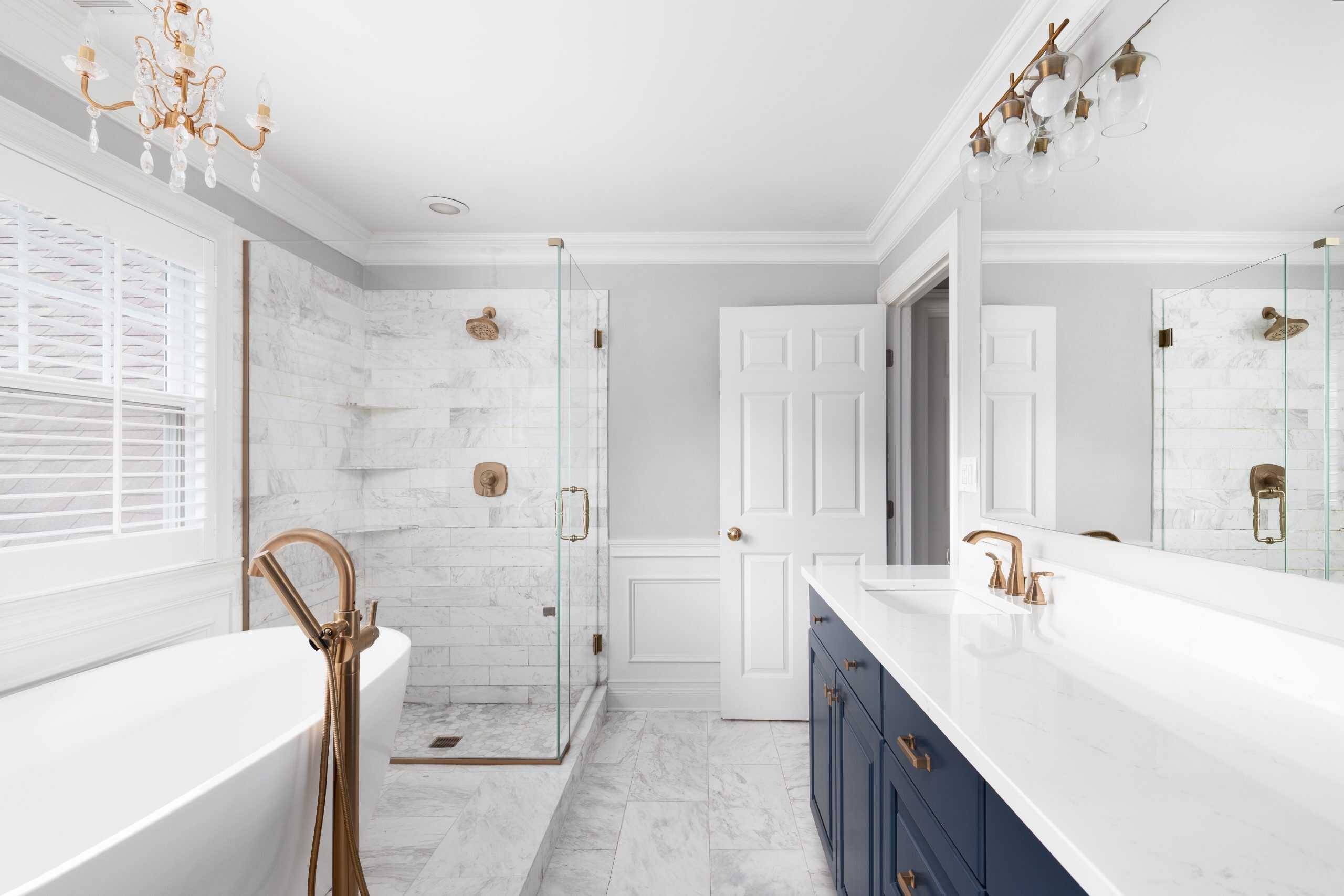
Cooper Square Bathrooms Built for Buildings That Have History
If your bathroom is stuck in 1987 and your building was built before that, you need more than a tile swap you need a contractor who knows what’s behind those walls and how to handle it in a Manhattan building.
I needed a professional consultation explanation of procedure for safe removal of Asbestos in my apartment complex. Without having an account yet, I was very impressed with the caring, knowledgeable and generous advice offered by Jessica, and will look forward to doing business in the future. Thank you so much! I feel much more informed about a sometimes scary endeavor. Peace. Nancy Silva Mineola, NY.
Mia Munoz
Used this company to clean up some water flood in my house. They were fast and easy to work with.very professional, Would recommend to anyone!
Nini Valle
Great company, had a flood and they responded quickly and efficiently. Billed my insurance company directly. I highly recommend this company!
joe colapietro, jr
I had pipe freeze in my basement right before a snow storm and they made to within an hour to help start the clean up process. They we by our side throughout the entire process and even helped with the insurance company. They did such a great job with the cleanup, repair, remidiation, I contracted them to perform the repairs and finishes in the basement. They came with enough manpower and material to get the job done. Leo and Jessica were nothing but a pleasure to deal with!!
Cristian Arredondo c
I had some water damage in my home and Green Island was able to take care of my issue quickly and effectively. I am very pleased with the work they did. They responded quickly and were very professional.
Michael M
Outstanding service! From the office to the field crew everyone was friendly, helpful and responsive. I highly recommend Green Island Group.
A Finished Bathroom That Clears the Board and Looks the Part
Living in a Cooper Square co-op or condo means your renovation doesn’t just have to satisfy you it has to satisfy your building management, your board, and your neighbors. That’s a real layer of complexity that most contractors aren’t built for. When your bathroom is done right, you don’t hear from any of them.
The buildings around Cooper Square from the pre-war walk-ups near the Bowery to the converted lofts in NoHo carry decades of deferred maintenance behind their walls. Old cast-iron plumbing, original tile set in mortar beds, and materials that haven’t been touched since the building went up. A bathroom renovation here isn’t just cosmetic. It’s investigative. And when you work with someone who’s prepared for what they find, the project doesn’t stall it moves.
At those price points median home values in the 10003 zip code sit above $1.1 million a renovated bathroom isn’t a splurge. It’s one of the highest-return upgrades you can make in one of the most competitive real estate markets in the country. You get a space that actually works, materials that hold up, and a finished product that adds real value to your apartment.
We handle the full scope demolition, plumbing, electrical, waterproofing, tile, and fixtures under one roof. You’re not coordinating three different subcontractors in a building that only allows work from 8 to 5. You have one point of contact from the first conversation to the final walkthrough.
We work across New York City and Long Island, and we know Cooper Square specifically. The neighborhood sits where the East Village, NoHo, and the Bowery meet and the building stock reflects that layered history. Pre-war construction, post-war co-ops, and newer luxury rentals all within a few blocks of each other. We’ve worked in all of them, and we know what each one requires.
What sets us apart in this market is our environmental remediation background. In older Manhattan buildings like those throughout Cooper, demolition can uncover asbestos, lead paint, or hidden mold. Most contractors stop and refer you out. We handle it in-house, on the same timeline, without adding months to your project.
Bathroom Renovation Process Cooper Square Manhattan
What the Process Actually Looks Like in a Manhattan Building
It starts with a consultation where we look at the space, talk through what you want, and flag anything that could affect the scope old plumbing, ventilation issues, or building-specific constraints. In Cooper Square buildings, that first conversation often surfaces things a less experienced contractor would miss until demo day.
From there, we handle the paperwork. That means filing with the NYC Department of Buildings, preparing your alteration agreement documentation, and putting together the insurance certificate package your building requires. Every co-op and condo has its own set of rules, and we’ve navigated enough of them to move through this step without it becoming your problem. Permit approvals in NYC can take time sometimes months so starting this early matters.
Once approvals are in place, construction begins on a schedule that respects your building’s work-hour rules. Demolition, rough plumbing and electrical, waterproofing, tile, and fixtures all happen in a controlled sequence. We keep the hallways clean, the crew professional, and the building management informed. When we’re done, you get a final walkthrough and a bathroom that’s built to last not just to look good on day one.
Built for Cooper Square Apartments, Not Generic Floor Plans
Manhattan bathrooms especially in the pre-war and post-war buildings that make up most of Cooper Square’s residential stock are small, often ventilation-challenged, and full of surprises once you open the walls. The work we do here accounts for all of that. Space-maximizing layouts, wall-mounted fixtures, large-format tile, recessed storage, and proper ventilation systems aren’t upsells they’re standard thinking for this kind of building.
Every renovation we do in this area includes full DOB permit filing, co-op or condo alteration agreement support, and compliance with NYC Local Law requirements around lead and asbestos in pre-1978 buildings. If hazardous materials turn up during demolition and in buildings dating to the 1840s and 1850s that dot this neighborhood, they sometimes do we handle remediation in-house without stopping the clock on your project.
The design side matters too. Cooper Square sits in a neighborhood shaped by Cooper Union’s architecture and art programs residents here have high aesthetic standards and specific ideas about what their space should look like. Whether you’re going for a spa-style wet room with a rainfall shower and soaking tub, or a clean, functional overhaul of a 45-square-foot East Village bathroom, we build to the vision you actually have not a generic version of it.
Do I need board approval to renovate my bathroom in a Cooper Square co-op?
Yes and the process is more involved than most people expect. If you own a co-op unit in Cooper Square or the surrounding East Village and NoHo buildings, you’ll need to submit an alteration agreement to your building’s board or management before any permitted work begins. That document typically outlines the full scope of the renovation, the contractor’s insurance coverage, work hours, and how the building will be protected during construction.
The specifics vary by building. Some boards move quickly; others take weeks to review and respond. Some require an architect or engineer to sign off on the plans before they’ll even schedule a review meeting. We prepare the full alteration agreement package for our clients scope description, insurance certificates, and any supporting documentation the building requires so you’re not left figuring that out on your own while also trying to pick tile.
How much does a bathroom renovation typically cost in Manhattan?
Bathroom renovation costs in Manhattan run 30 to 50 percent above the national average, and for good reason labor rates are higher, building logistics add time, and permit fees are part of the equation. A realistic range for a full bathroom renovation in a Cooper Square apartment is $15,000 on the low end for a straightforward cosmetic overhaul, and $40,000 to $75,000 or more for a full gut renovation with high-end fixtures, layout changes, or significant plumbing work.
What drives costs up in Cooper specifically are the older buildings. Pre-war construction often means original plumbing that needs full replacement, mortar-bed tile that requires more labor to remove, and the occasional discovery of asbestos or lead that has to be addressed before anything else happens. We recommend budgeting a 15 to 20 percent contingency on top of your base estimate not because we plan for problems, but because in buildings with 80 or 100 years of history behind them, the unexpected is more common than not. We’ll tell you that upfront rather than let it surprise you mid-project.
How long does a bathroom renovation take in a NYC apartment building?
The honest answer is that the timeline has two parts: the permitting phase and the construction phase. In New York City, DOB permit approval can take anywhere from a few weeks to several months depending on the complexity of the project and how quickly your building’s board processes the alteration agreement. That’s not something any contractor can fully control but starting the paperwork early makes a real difference.
Once permits are approved and construction begins, the active renovation phase for a full bathroom gut in a Cooper Square apartment typically runs four to eight weeks. That includes demolition, rough plumbing and electrical, waterproofing, tile, and fixture installation. Buildings in this area generally restrict work to weekday hours usually 8 AM to 5 PM which affects scheduling. We build that into the timeline from the start so there are no surprises about when the project wraps.
What happens if asbestos or lead paint is found during my bathroom renovation?
It’s a real possibility in Cooper. Many of the residential buildings in this area particularly the pre-war walk-ups near the Bowery, the older co-ops on the east side of the neighborhood, and any building constructed before 1978 may contain asbestos in pipe insulation, floor tile adhesive, or drywall compound, and lead paint in walls and trim. NYC Local Law 1 and EPA Renovation, Repair, and Painting rules require that these materials be handled safely and legally before demolition continues.
Most contractors stop the project when they find something and refer you to a separate remediation company, which adds weeks and significant cost. We’re a licensed environmental remediation contractor, which means we handle it in-house. We test, we remediate, and we keep the project moving on the same timeline. You don’t end up managing two separate contractors or waiting for a remediation firm to fit you into their schedule before your renovation can continue.
Can a small Manhattan bathroom actually be made to feel bigger?
Yes and it’s one of the most common things we work on in this neighborhood. Bathrooms in Cooper Square’s older co-ops and East Village walk-ups are often 40 to 50 square feet, sometimes less. That’s a real constraint, but it’s a design problem with real solutions not a dead end.
Wall-mounted toilets free up several inches of floor space and make the room feel less cluttered. Floating vanities with under-cabinet lighting create visual depth. Large-format tile with minimal grout lines makes the eye travel farther without interruption. Recessed medicine cabinets add storage without pushing into the room. A frameless glass shower enclosure, where the layout allows, opens the space dramatically compared to a curtain or framed door. None of these are tricks they’re deliberate design choices that experienced contractors make in compact urban bathrooms every day. We’ve done this in apartments throughout Manhattan, and we know which combinations work in which footprints.
What should I look for when hiring a bathroom renovation contractor in Cooper Square?
The first thing to verify is NYC DCWP licensing. Any contractor doing home improvement work in New York City is required to be licensed through the Department of Consumer and Worker Protection you can check their license number directly on the DCWP website before signing anything. Beyond that, you want to confirm we carry the insurance your specific building requires, because co-op and condo buildings in Cooper often have their own minimums for general liability and workers’ compensation, and some require additional insured endorsements naming the building.
Experience in Manhattan buildings specifically matters more than general renovation experience. A contractor who has only worked on Long Island single-family homes is going to learn a lot on your project and you’ll pay for that learning curve in delays, board friction, and paperwork mistakes. Ask directly whether they’ve filed DOB permits in NYC, whether they’ve completed alteration agreements for co-op buildings, and whether they have experience with pre-war construction. A contractor who can answer those questions clearly and specifically is one who has actually done it.