I needed a professional consultation explanation of procedure for safe removal of Asbestos in my apartment complex. Without having an account yet, I was very impressed with the caring, knowledgeable and generous advice offered by Jessica, and will look forward to doing business in the future. Thank you so much! I feel much more informed about a sometimes scary endeavor. Peace. Nancy Silva Mineola, NY.
Mia Munoz
Used this company to clean up some water flood in my house. They were fast and easy to work with.very professional, Would recommend to anyone!
Nini Valle
Great company, had a flood and they responded quickly and efficiently. Billed my insurance company directly. I highly recommend this company!
joe colapietro, jr
I had pipe freeze in my basement right before a snow storm and they made to within an hour to help start the clean up process. They we by our side throughout the entire process and even helped with the insurance company. They did such a great job with the cleanup, repair, remidiation, I contracted them to perform the repairs and finishes in the basement. They came with enough manpower and material to get the job done. Leo and Jessica were nothing but a pleasure to deal with!!
Cristian Arredondo c
I had some water damage in my home and Green Island was able to take care of my issue quickly and effectively. I am very pleased with the work they did. They responded quickly and were very professional.
Michael M
Outstanding service! From the office to the field crew everyone was friendly, helpful and responsive. I highly recommend Green Island Group.
Bathroom Renovation Contractors Cooperative Village
What Changes When the Renovation Is Done Right
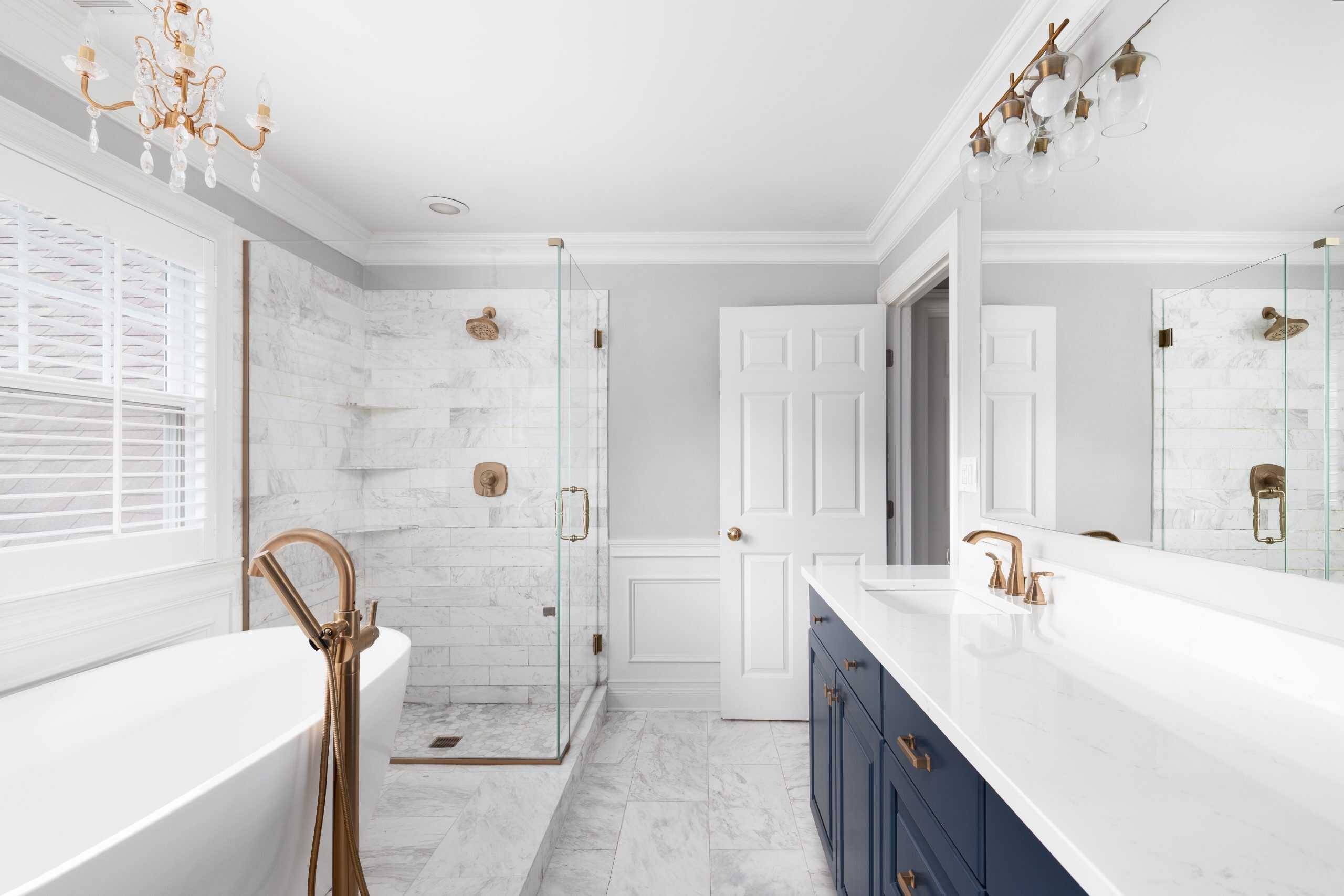
A finished bathroom in a Cooperative Village co-op isn’t just about how it looks. It’s about knowing the waterproofing was done to spec, the board signed off, the plumbing connects correctly to the shared riser, and the neighbor downstairs has nothing to worry about. That’s what a clean outcome actually means here.
The buildings in Cooperative Village Amalgamated Dwellings, Hillman, East River, Seward Park were built between 1930 and 1962. The infrastructure behind your walls reflects that. When the renovation is handled properly, you’re not just getting new tile and a new vanity. You’re getting a bathroom that’s been brought fully up to code, waterproofed correctly, and built to last another few decades in a building that already has.
For residents who’ve been here a long time and are thinking about aging in place, the difference is even more concrete. A curbless shower, a properly reinforced grab bar, non-slip flooring that doesn’t look institutional these aren’t extras. They’re what make it possible to stay in a home you’ve lived in for thirty years without compromise.
We've Worked In Cooperative Village Buildings Before
We’re a full-service remodeling and restoration company serving Manhattan, Queens, and the broader New York City area. Bathroom renovation is a core part of what we do and so is the regulatory side of it. That means alteration agreement packages, DOB permit filing, insurance certificates with the exact wording your Cooperative Village building management requires, and coordination with your co-op board from start to finish.
We also carry environmental remediation licensing. That matters in Cooperative Village buildings along the FDR Drive waterfront that were constructed before 1960. When a wall opens up and something unexpected is behind it deteriorated plumbing, old adhesives, signs of moisture intrusion we don’t stop the project and send you scrambling. We handle it.
What you get is one contractor, one point of contact, and a process that’s been built around how co-op renovation actually works in New York City.
Bathroom Renovations Cooperative Village Step By Step
From Board Approval to Final Walkthrough Here's the Process
It starts with a consultation and a detailed scope of work. Before any materials are selected or schedules are set, we need to understand what your Cooperative Village co-op board requires because Amalgamated Dwellings, Hillman, East River Housing, and Seward Park each have their own alteration agreement process, their own insurance certificate requirements, and their own rules about work hours and contractor access. We’ve worked with buildings like these. We know what the application needs before it gets rejected.
Once the scope is defined, we prepare the full board submission package architectural documentation, waterproofing specifications, proof of licensing and insurance and walk it through the approval process with you. Board review in Manhattan co-ops typically takes four to eight weeks. We use that time to finalize material selections, order fixtures, and schedule trades so there’s no lag once approval comes through.
Construction follows a clear sequence: demolition, plumbing rough-in (with a Licensed Master Plumber for any work touching the shared riser), waterproofing membrane installation, tile, fixtures, and finish work. We work within your building’s hours weekdays, 9 to 5 protect the elevator and lobby, and leave the space clean at the end of every day. Final walkthrough happens with you present, and we don’t consider the job done until you do.
Everything the Job Covers Nothing Left to Chase Down
A full bathroom gut renovation with us covers demolition, plumbing, electrical, waterproofing, tile, fixture installation, and final cleanup all coordinated under one roof. There’s no handing off to a separate plumber who doesn’t know your building’s riser system, no electrician who shows up without the right insurance certificate, and no tile setter who’s never worked in a pre-war co-op before. Every trade is managed by us.
For Cooperative Village specifically, waterproofing is not optional and not minimal. The co-op boards in these buildings require membrane systems for shower pans and bathroom floors and given that you’re in a multi-story building directly on the East River waterfront, where humidity runs high and the consequences of water intrusion travel straight down to your neighbor’s ceiling, that requirement exists for good reason. We install to those specifications every time.
If your renovation uncovers something behind the walls galvanized supply lines that have seen better days, deteriorated connections to the stack, or materials that need careful handling before new construction can begin our remediation background means we address it in-house. Compact bathroom layouts common in these towers also get real attention: wall-mounted fixtures, floating vanities, recessed storage, and large-format tile that makes a small space feel like it was designed, not just updated.
Do I need co-op board approval before starting a bathroom remodel in Cooperative Village?
Yes and this applies to any work that involves plumbing, electrical changes, or anything structural. Each of the four cooperatives in Cooperative Village (Amalgamated Dwellings, Hillman, East River Housing, and Seward Park) requires you to submit a renovation application to the managing agent and sign an alteration agreement before any work begins. That agreement is a legally binding contract between you and the cooperative corporation, and starting work without it can result in stop-work orders, fines, and serious complications when you go to sell.
The application package typically includes detailed construction plans, proof of contractor licensing, a certificate of insurance with specific wording required by your building, and waterproofing specifications for any wet areas. Board review usually takes four to eight weeks, and revisions are common if the package is incomplete. Working with a contractor who’s familiar with this process and who prepares the submission correctly the first time saves you significant time and stress.
Do I need a Licensed Master Plumber for my bathroom renovation in a Cooperative Village co-op?
For any plumbing work that connects to or affects the shared riser system in your building, yes. Co-op boards in Cooperative Village almost universally require a Licensed Master Plumber for this type of work, and in these buildings where vertical plumbing stacks are shared across multiple floors this requirement is standard. It’s not just a board preference; it’s a practical necessity. Incorrect connections to a shared riser can affect water pressure and drainage for multiple units, and the liability falls on the shareholder who commissioned the work.
Beyond the riser connection itself, most co-op boards in Cooperative Village also enforce what’s known as the “wet over wet” rule meaning your bathroom’s wet areas need to stay stacked over wet areas in the unit below. Relocating a toilet or moving a shower to a new position is often restricted or requires extensive engineering documentation. Understanding these constraints before you design your renovation saves you from planning something the board will reject.
What does a full bathroom gut renovation typically cost in a Manhattan co-op apartment?
In New York City, a full bathroom gut renovation generally runs between $25,000 and $50,000 or more depending on the scope, the materials selected, and the complexity of the board approval process. Labor and materials in NYC run 30 to 50 percent above national averages, and co-op renovations carry additional cost layers that a standard remodel doesn’t: a Licensed Master Plumber for riser work, architectural drawings for the board submission, and sometimes a damage deposit held by the cooperative until the project is inspected and closed out.
For Cooperative Village specifically, the age of the buildings adds a variable that’s hard to price until the walls open. Pre-war and mid-century plumbing, original waterproofing, and older tile adhesives can require remediation before new construction begins. A contractor who gives you a firm number without accounting for that possibility is either very optimistic or not being straight with you. We scope projects honestly, flag what we might find, and price accordingly so you’re not hit with surprises mid-project.
How long does a bathroom renovation take from start to finish in a Cooperative Village co-op?
The honest answer is longer than most people expect because the construction itself is only part of the timeline. Board approval in a Manhattan co-op typically takes four to eight weeks after a complete application is submitted. If the package needs revisions, that clock resets. DOB permit approval for work requiring a permit can add additional weeks on top of that. By the time approvals are in place, you could be two to three months into the process before a single wall comes down.
Once construction starts, a full bathroom gut renovation in a Cooperative Village co-op apartment typically takes two to four weeks of active work, depending on scope and whether any unexpected conditions are found during demolition. Buildings in Cooperative Village restrict work to weekday hours generally 9 AM to 5 PM which affects scheduling compared to a residential project without those constraints. Planning for the full timeline from the start, rather than counting only the construction days, makes the process significantly less stressful.
What waterproofing is required for a bathroom remodel in a Cooperative Village co-op building?
Most co-op boards in Cooperative Village require a specific waterproofing membrane system for bathroom floors and shower pans systems like Laticrete 9235 or an equivalent product are commonly called out in alteration agreements. This isn’t arbitrary. In a multi-story building where your bathroom floor is someone else’s ceiling, a failed waterproofing installation creates direct liability for you as the shareholder. Water intrusion claims from the unit below are one of the most common and costly disputes in co-op buildings, and they’re almost always traced back to inadequate waterproofing during a renovation.
The East River waterfront location of Cooperative Village adds another layer of relevance. Elevated humidity near the water, combined with the age of the building envelopes, means moisture management in a bathroom renovation here isn’t just a code issue it’s a long-term durability issue. We install waterproofing to the specifications your alteration agreement requires, document it, and don’t cover it up until it’s been done correctly.
Can I renovate my Cooperative Village bathroom to make it safer as I age in place?
Absolutely and this is one of the most common reasons residents in Cooperative Village undertake a bathroom renovation. The community has a significant population of long-term shareholders who have lived in these buildings for decades and want to stay. A bathroom that was designed in 1955 wasn’t designed with aging in mind, and the difference between a bathroom that supports your life now versus one that creates daily risk is real.
Curbless showers eliminate the step-over threshold that causes most bathroom falls. Grab bars, when installed into properly blocked walls rather than just drywall anchors, provide genuine support. Comfort-height toilets, bench seating in the shower, and non-slip tile surfaces all make a measurable difference and none of it has to look clinical. These modifications can be designed to look exactly like a contemporary renovation, because that’s what they are. We design aging-in-place bathrooms that meet your co-op board’s approval requirements and your own standards for how your home should feel.