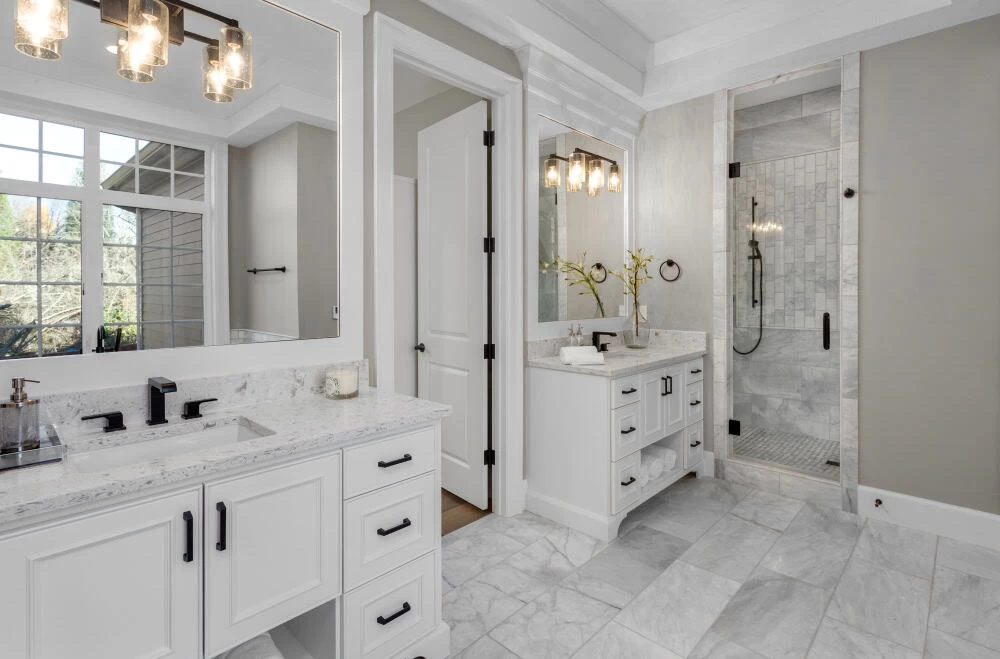
Before Summer Arrives, Your Bathroom Should Be Ready
East Hampton homeowners don’t have the luxury of a flexible timeline. If your bathroom renovation isn’t done before Memorial Day, it’s done after Labor Day and that’s a problem we were built to solve.
I needed a professional consultation explanation of procedure for safe removal of Asbestos in my apartment complex. Without having an account yet, I was very impressed with the caring, knowledgeable and generous advice offered by Jessica, and will look forward to doing business in the future. Thank you so much! I feel much more informed about a sometimes scary endeavor. Peace. Nancy Silva Mineola, NY.
Mia Munoz
Used this company to clean up some water flood in my house. They were fast and easy to work with.very professional, Would recommend to anyone!
Nini Valle
Great company, had a flood and they responded quickly and efficiently. Billed my insurance company directly. I highly recommend this company!
joe colapietro, jr
I had pipe freeze in my basement right before a snow storm and they made to within an hour to help start the clean up process. They we by our side throughout the entire process and even helped with the insurance company. They did such a great job with the cleanup, repair, remidiation, I contracted them to perform the repairs and finishes in the basement. They came with enough manpower and material to get the job done. Leo and Jessica were nothing but a pleasure to deal with!!
Cristian Arredondo c
I had some water damage in my home and Green Island was able to take care of my issue quickly and effectively. I am very pleased with the work they did. They responded quickly and were very professional.
Michael M
Outstanding service! From the office to the field crew everyone was friendly, helpful and responsive. I highly recommend Green Island Group.
In most places, a bathroom remodel is a home improvement. In East Hampton, it’s a deadline. Whether you’re preparing a seasonal property for summer renters, updating a year-round home in Springs or Northwest Woods, or restoring a bathroom after a winter pipe burst in an unoccupied house the stakes are real, and the margin for error is small.
Salt air, coastal humidity, and the freeze-thaw cycles that hit unheated seasonal homes every winter do things to bathrooms that most contractors don’t account for. Grout fails faster. Caulk breaks down. Subfloors absorb moisture and soften. A bathroom that looked fine two summers ago may already be showing signs of real structural wear beneath the surface. When it’s renovated correctly with the right waterproofing, the right substrate, the right materials it holds up through everything the South Fork throws at it.
The other thing most people don’t talk about until it’s too late: what happens when demolition uncovers something unexpected. Older homes in East Hampton the mid-century cottages in Springs, the historic estates near the village, the 1980s shingle-style homes in Amagansett commonly have asbestos floor tile, lead paint, or mold hiding behind the walls. If your contractor isn’t licensed to handle it, the job stops cold. We carry active licenses for asbestos abatement, lead removal, and mold remediation. The job keeps moving.
We’re a licensed restoration and remodeling contractor based in Suffolk County, with over 5,000 completed projects across New York State. We work across the full length of Long Island from Nassau County to the East End and understand exactly what renovation work looks like in a coastal community like East Hampton, where the environment is demanding, the timelines are tight, and the expectations are high.
What sets us apart isn’t just the range of licenses though holding active certifications for asbestos abatement, lead paint removal, mold remediation, and home improvement contracting in one company is genuinely rare. It’s that everything happens under one roof. No subcontracting the hazmat to a third party. No pausing the job while you wait for a specialist. No coordinating between two companies while your summer deadline gets closer.
We operate 24/7, handle insurance claims directly, and have worked in some of New York’s most demanding renovation environments including NYC co-ops and coastal Suffolk County properties where permits, inspections, and building science all have to be done right the first time.
It starts with a real assessment not a quick walkthrough with a clipboard. Before any pricing conversation, we look at what you actually have: the age of the home, the condition of the existing plumbing and tile, any signs of moisture damage or past water intrusion, and what the renovation will realistically require. In East Hampton’s older housing stock, that upfront evaluation matters more than most homeowners realize.
From there, we handle the permits. East Hampton’s Building Department updated its fee schedule in May 2024, and any bathroom renovation involving plumbing modifications or structural changes requires a permit before work begins. We manage the application, coordinate the inspections, and get you to a Certificate of Occupancy you don’t have to figure out the local process on your own.
Once the job starts, demolition comes first. If hazardous materials are found and in homes built before the 1980s, they often are we handle them in-house under the appropriate licenses before the renovation continues. No delays, no third-party calls, no jobs left half-open. The renovation then moves through waterproofing, plumbing, electrical, tile, fixtures, and finish work in a sequenced process designed to hit your deadline. If you’re managing the project remotely from the city, you’ll get regular updates without having to chase anyone down Route 27 to find out what’s happening.
Coastal-Grade Work, From Demo to Final Walkthrough
A bathroom renovation in East Hampton isn’t a standard Long Island job. The environment demands more from the materials selected to the waterproofing approach to the way fixtures are specified for salt-air exposure. We build bathrooms that are designed to hold up in exactly this setting: marine-grade waterproof membranes behind the tile, moisture-resistant substrates, corrosion-resistant hardware, and ventilation that actually handles coastal humidity rather than just meeting minimum code.
The scope of what we handle is broader than most bathroom remodel companies. Full gut renovations. Plumbing reconfigurations. Accessibility upgrades walk-in showers, grab bars, ADA-compliant layouts which, in the Village of East Hampton, qualify for a building permit fee waiver under the town’s accessibility modification policy. Storm-damage restoration that transitions directly into a full renovation without switching contractors. Insurance claim coordination and direct billing to carriers when the project involves covered damage.
One thing worth knowing if you own a pool house or accessory structure: East Hampton’s zoning code prohibits internal plumbing baths, showers, toilets in most accessory buildings except approved pool houses and permitted ADUs. If you’re considering a bathroom addition outside the main structure, that’s a conversation to have before demo starts, not after. We know the local code and will tell you upfront what’s permittable and what isn’t.
How much does a bathroom remodel cost in East Hampton, NY?
The honest answer is that it depends heavily on the scope, the condition of what’s already there, and the finish level you’re targeting. Nationally, a midrange bathroom remodel averages around $26,000 but East Hampton is not a national-average market. High-end renovation work on the South Fork routinely starts at $250 per square foot for materials alone, and a full gut renovation of a primary bathroom in a Hamptons-area home typically runs well into five figures, sometimes significantly higher depending on fixture selection, custom tile work, and whether hazardous materials are discovered during demolition.
The most common source of budget surprises isn’t the tile or the fixtures it’s what’s found behind the walls once demo begins. Asbestos floor tile, lead paint, and mold are common in East Hampton’s older housing stock, particularly in Springs and the village. If your contractor isn’t licensed to handle those materials, you’re looking at a job stoppage and a separate remediation contract on top of your renovation cost. We handle it all in-house, which means no surprise subcontractor invoices and no timeline blowups.
Do I need a permit for a bathroom remodel in East Hampton?
Yes, in most cases. Any bathroom renovation that involves changes to plumbing, electrical, or the structural layout of the space requires a building permit from East Hampton’s Building Department. This applies whether you’re reconfiguring the plumbing, moving a wall, or adding a new fixture location. Simple cosmetic updates like replacing a vanity in the same location or retiling an existing shower without changing the waterproofing layer may not require a permit, but it’s worth confirming before you start.
East Hampton updated its building permit fee schedule in May 2024, and the fee for an Updated Certificate of Occupancy is currently $600. One meaningful exception: if your renovation includes accessibility modifications a no-threshold walk-in shower, grab bars, wider doorways the Village of East Hampton waives the permit fee for those specific improvements. We manage the entire permit process, from application through final inspection, so you don’t have to navigate the Building Department on your own.
What happens if mold or asbestos is found during my bathroom renovation?
This is one of the most common scenarios in East Hampton’s older homes, and it’s the question most homeowners don’t think to ask until they’re already mid-demo. When a contractor who isn’t licensed for hazardous materials uncovers asbestos floor tile or mold behind the shower wall, they’re legally required to stop work. That means your bathroom sits open walls torn out, plumbing disconnected while you locate a separate remediation firm, wait for their availability, and coordinate a handoff back to your original contractor. In a market where your summer deadline is non-negotiable, that kind of delay is a serious problem.
We hold active licenses for asbestos abatement, lead-based paint removal, and mold remediation. When something is found during demolition and in East Hampton homes built before the 1980s, it’s more common than most people expect we handle it in-house, under the appropriate certifications, and the renovation continues without stopping the clock. You don’t have to make any additional calls or manage any additional contractors.
How long does a bathroom renovation take in East Hampton?
A straightforward full bathroom remodel gut demolition, new plumbing rough-in, waterproofing, tile, fixtures, and finish work typically takes three to six weeks from start to finish, assuming permits are in hand and materials are ordered in advance. More complex projects, or those where hazardous materials are discovered and need to be remediated before renovation can continue, can run longer.
In East Hampton, the biggest timeline factor is usually the Memorial Day deadline. If you’re a seasonal homeowner or you rent your property during the summer, you need the work done and inspected before June 1 not “close to done.” The way to hit that deadline is to start the conversation early. We recommend reaching out in the fall or early winter for any renovation that needs to be completed before summer. That gives enough time for design decisions, material lead times, permit processing, and the actual construction schedule without compressing everything into March and April.
Can you handle a bathroom renovation if my East Hampton home had storm damage?
Yes and this is actually one of the clearest examples of where our combined restoration and remodeling capability makes a real difference. East Hampton is regularly impacted by Nor’easters and hurricanes. The town’s flat coastal topography means water accumulates quickly during storm events, and seasonal homes that are left without adequate heat through winter are especially vulnerable to frozen pipes that burst and flood bathrooms before anyone knows it happened.
When storm or water damage is involved, we handle the full sequence: water extraction, structural drying, mold prevention, and then the complete bathroom renovation all under one contract, with one team. We also work directly with insurance carriers and can handle the claims documentation and billing on your behalf. For a homeowner managing an East Hampton property remotely from Manhattan, that means one phone call instead of five, and a clear path from damage to finished renovation without having to coordinate between a restoration company and a separate remodeler.
What should I look for when hiring a bathroom remodel contractor in East Hampton?
The most important thing to verify is licensing and not just a general home improvement contractor license. In East Hampton, where a meaningful percentage of the housing stock predates the federal asbestos and lead paint bans, you want to know whether your contractor is licensed to handle hazardous materials if they’re found during demolition. If they’re not, you’re exposed to a job stoppage, a separate remediation contract, and a timeline that may not recover before your summer deadline.
Beyond licensing, look for someone who knows the local permit process. East Hampton’s Building Department has specific requirements, and a contractor who’s never pulled a permit in this town will slow things down. Ask whether they manage the permit application, inspection scheduling, and Certificate of Occupancy or whether that falls on you. Finally, in a seasonal market where many homeowners are managing renovations from a distance, communication matters as much as craftsmanship. You should expect regular updates, honest timelines, and a contractor who doesn’t require you to chase them down to find out what’s happening on your property.