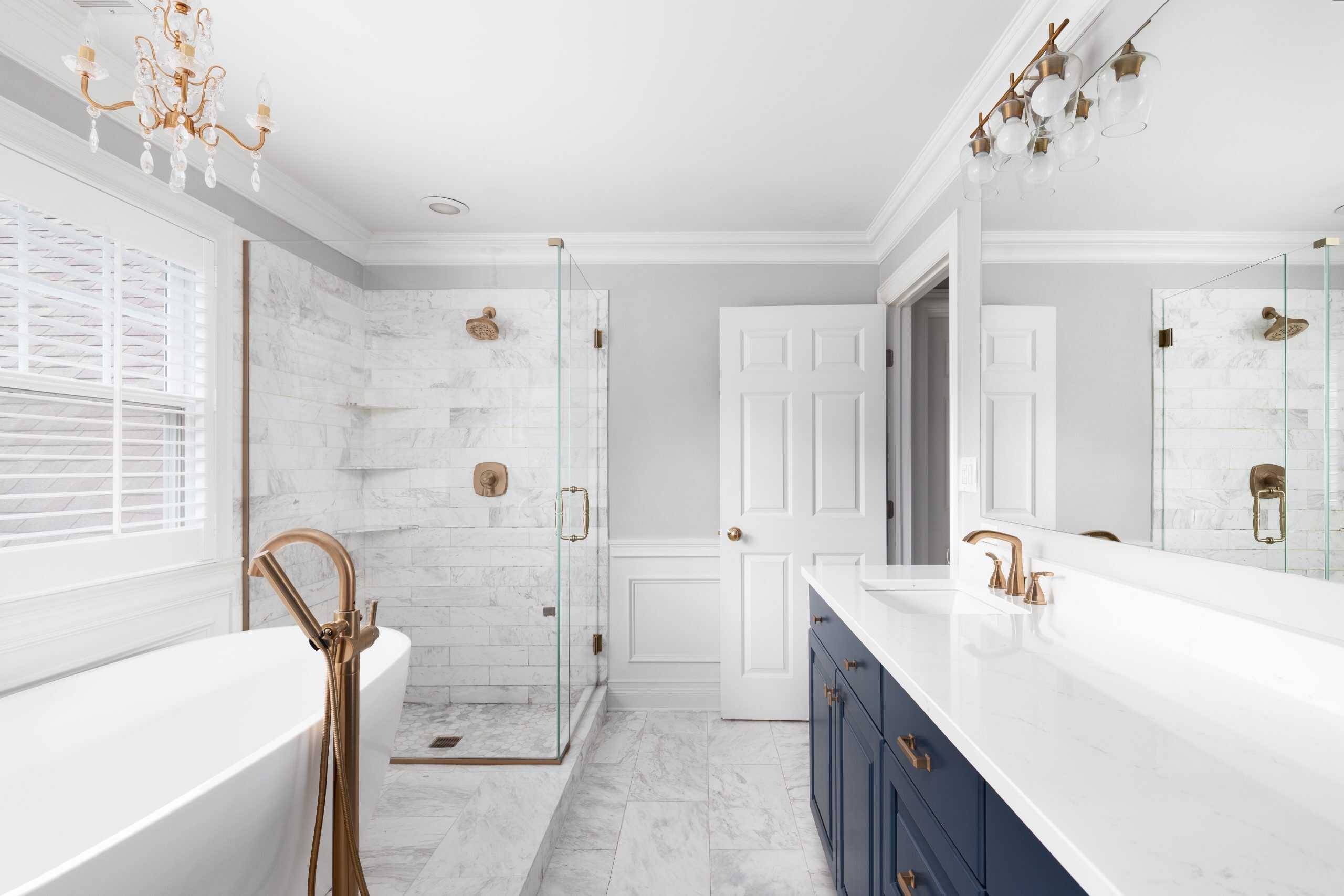
Most Midtown apartments haven’t seen a real bathroom renovation in decades. We handle everything permits, demolition, tile, plumbing so you don’t have to manage a single subcontractor.
I needed a professional consultation explanation of procedure for safe removal of Asbestos in my apartment complex. Without having an account yet, I was very impressed with the caring, knowledgeable and generous advice offered by Jessica, and will look forward to doing business in the future. Thank you so much! I feel much more informed about a sometimes scary endeavor. Peace. Nancy Silva Mineola, NY.
Mia Munoz
Used this company to clean up some water flood in my house. They were fast and easy to work with.very professional, Would recommend to anyone!
Nini Valle
Great company, had a flood and they responded quickly and efficiently. Billed my insurance company directly. I highly recommend this company!
joe colapietro, jr
I had pipe freeze in my basement right before a snow storm and they made to within an hour to help start the clean up process. They we by our side throughout the entire process and even helped with the insurance company. They did such a great job with the cleanup, repair, remidiation, I contracted them to perform the repairs and finishes in the basement. They came with enough manpower and material to get the job done. Leo and Jessica were nothing but a pleasure to deal with!!
Cristian Arredondo c
I had some water damage in my home and Green Island was able to take care of my issue quickly and effectively. I am very pleased with the work they did. They responded quickly and were very professional.
Michael M
Outstanding service! From the office to the field crew everyone was friendly, helpful and responsive. I highly recommend Green Island Group.
What Changes When the Bathroom Finally Gets Done Right
The bathrooms in most Grand Central area co-ops and pre-war buildings were designed for a different era. Cast iron pipes, sand-set tile, layouts that waste every square foot they were built for 1940, not for someone who just walked off the 4 train after a 60-hour week. A renovation doesn’t just update the aesthetics. It fixes the plumbing, brings the electrical up to code, adds real waterproofing, and turns a space you’ve been tolerating into one that actually works for how you live.
In a high-rise building near Grand Central, waterproofing isn’t optional it’s critical. A shower that leaks in a 20th-floor co-op doesn’t just damage your floor. It travels down through the building and becomes your neighbor’s problem, your board’s problem, and eventually your liability. Done correctly, a bathroom renovation eliminates that risk entirely and adds lasting value to an apartment in one of Manhattan’s most competitive real estate markets.
The other thing that changes is your morning. A bathroom with smart storage, proper lighting, a frameless glass enclosure, and a layout that actually makes sense for a compact Midtown space that’s not a luxury. In a building steps from Grand Central Terminal, it’s the baseline your apartment should already be meeting.
We are a full-service remodeling and environmental restoration company serving New York City and Long Island. That combination matters more in the Grand Central area than almost anywhere else we work. When you open walls in a Park Avenue co-op or a Tudor City apartment that hasn’t been touched since the Eisenhower administration, you’re not always going to find what you expected. Old galvanized pipes, deteriorated waterproofing, asbestos floor tile these aren’t surprises to us. They’re part of the job, and we handle them without stopping your project.
We’re also a licensed environmental remediation company, which means if demolition turns up asbestos-containing materials required by NYC DOB to be assessed before any demo begins we don’t have to pause your project while you find a specialist. We are the specialist. One contractor, one timeline, one point of contact from the first permit filing to the final walkthrough.
How a Midtown Bathroom Renovation Actually Unfolds
It starts before anyone picks up a tool. In a Grand Central area co-op or condo, the renovation process begins with documentation alteration agreements, insurance certificates with your building named as an additional insured, and an Alteration Type 2 (ALT-2) permit filed with the NYC Department of Buildings. If your building has landmark considerations, like some of the properties adjacent to Grand Central Terminal itself, there may be additional filings required. We handle all of it. You shouldn’t have to learn NYC permit law to get your bathroom redone.
Once approvals are in place, we conduct a pre-demolition asbestos assessment as required by the DOB. If anything is found, we remediate it ourselves no outside contractors, no project delays. Demolition follows, then rough plumbing, electrical, waterproofing, tile, fixtures, and finish work. Every step is coordinated around your building’s rules weekday work hours, elevator reservations, dust containment protocols because your neighbors didn’t sign up for this project, and your board is watching.
By the time we do the final walkthrough, you have a fully permitted, inspected, and documented renovation. That matters when you go to sell. In a Midtown Manhattan co-op, unpermitted work isn’t just a code violation it’s a deal-killer at closing.
A bathroom renovation in the Grand Central area isn’t a single trade job. It’s plumbing, electrical, waterproofing, tile work, fixture installation, and in most of these buildings a regulatory process that has to be managed before any of that begins. We cover every piece of it. Design consultation, DOB permit filing, licensed master plumber, electrical permits, asbestos assessment, demolition, waterproofing systems, custom tile installation, vanity and fixture placement, and final cleanup. Nothing gets handed off to someone you’ve never met.
For the compact bathrooms that are standard in Midtown East, Murray Hill, and Turtle Bay apartments, we focus on layouts that maximize the space you actually have. Wall-mounted toilets, floating vanities, recessed storage, frameless glass enclosures, and layered lighting can transform a 50-square-foot bathroom into something that feels intentional not like an afterthought from a 1930s floor plan.
Every renovation we deliver is fully permitted and documented. That means your co-op board stays satisfied, your building management isn’t fielding complaints, and when the time comes to sell your apartment in one of Manhattan’s most competitive markets, your bathroom is an asset not a disclosure issue.
Do I need a permit to remodel my bathroom in a Grand Central co-op?
Yes and in most Grand Central area buildings, you can’t avoid it even if you wanted to. NYC requires an Alteration Type 2 (ALT-2) permit for bathroom renovations that involve relocating plumbing fixtures, modifying walls, or altering building systems. That application has to be prepared and submitted by a registered architect or professional engineer. On top of that, a licensed master plumber pulls a separate plumbing permit, and any electrical work requires its own permit as well.
Your co-op or condo board will also require a signed alteration agreement, proof of contractor insurance with the building listed as an additional insured, and often a refundable damage deposit before work can begin. Buildings near Grand Central Terminal including some in the Graybar Building and surrounding landmark-adjacent properties may also require a filing with the NYC Landmarks Preservation Commission depending on the scope of work. Permit approval timelines in NYC commonly run two to six months for complex projects, so starting the paperwork early isn’t optional. We manage all of it from the first filing to the final DOB inspection.
How much does a bathroom renovation cost in Midtown Manhattan?
A full gut renovation in the Grand Central area meaning everything comes out and gets replaced typically runs between $18,000 and $74,000 depending on the size of the space, the finishes you choose, and the complexity of the plumbing and electrical work involved. NYC renovation costs run 30 to 50 percent above national averages because of union labor rates, the DOB permit process, co-op and condo regulatory requirements, and the logistical reality of working in an occupied high-rise building.
In 2025, imported materials Italian tile, European fixtures, specialty stone are running higher than they were even a year ago due to tariff impacts on imported goods. If you’ve been budgeting based on older quotes, expect those line items to be higher. A midrange renovation without major layout changes tends to start around $18,000 to $30,000. Higher-end finishes, layout changes, or significant plumbing upgrades push that number up. We provide detailed written proposals so you know exactly what you’re paying for before anything starts.
What happens if asbestos is found during bathroom demolition in my NYC apartment?
Before demolition begins on any renovation in New York City, the DOB requires an Asbestos Assessment Report called an ACP5 form filed by a licensed investigator. In the Grand Central area, where a significant portion of the residential building stock dates to the 1920s through 1960s, finding asbestos-containing materials during demo is genuinely common. Floor tiles, pipe insulation, and wall compounds from that era frequently contain asbestos. It’s not a worst-case scenario it’s a realistic one.
Most bathroom remodeling contractors are not licensed remediators. That means if asbestos is found, they stop work, you locate a separate specialist, negotiate a new scope, and wait for their schedule to open up. Your project sits idle in the meantime. We are both a licensed bathroom renovation contractor and a licensed environmental remediation company. If we find asbestos during demo, we handle the remediation ourselves same team, same timeline, no project stoppage. That’s not a common capability in this market, and in pre-war Midtown buildings, it matters.
How long does a bathroom remodel take in a Manhattan co-op or condo?
The physical renovation work demo through final finish typically takes four to six weeks for a standard bathroom gut renovation. But in a Grand Central area co-op or condo, the total timeline from first conversation to finished bathroom is longer than that, because the permit and approval process runs on its own schedule. ALT-2 permit applications can take two to six months to clear the NYC Department of Buildings. Your co-op board’s approval process adds additional time on top of that.
Work hours in most Manhattan buildings are restricted to weekdays between 8 AM and 5 PM, with no weekend work and no work during building-designated holiday periods. Elevator reservations have to be scheduled in advance. These constraints don’t make the renovation worse they just mean the calendar looks different than it would in a suburban single-family home. We plan every project around your building’s specific rules from the start, which means we set realistic timelines and hit them rather than promising something that the building’s policies make impossible.
Can you work with my co-op board's alteration agreement requirements?
Yes and this is one of the more important questions to ask any contractor before hiring them for a Manhattan renovation. Co-op boards in the Grand Central area are thorough. They require signed alteration agreements, contractor insurance certificates with the building named as an additional insured at specific coverage minimums, detailed scope-of-work documentation, and sometimes a refundable damage deposit before a single tool enters the building. A contractor who isn’t familiar with this process, or who can’t produce the required documents quickly, won’t get past the building’s management office.
We’ve worked in co-op and condo buildings across Manhattan and understand what each building’s management team needs to see. We prepare the documentation, coordinate directly with your management office, and make sure everything is in order before the first day of work. You won’t be in the middle trying to translate between us and your super. That coordination is part of what we do, not something you have to manage separately.
Is Green Island Group experienced with pre-war apartment bathrooms near Grand Central?
Pre-war buildings are the majority of what we work in around the Grand Central area Park Avenue co-ops, Turtle Bay apartments, Murray Hill buildings, Tudor City units. These aren’t newer construction with predictable conditions behind the walls. They have original plumbing stacks that haven’t been touched in decades, old galvanized supply lines, cast iron drain pipes, and tile assemblies set in sand mortar that was mixed before most people alive today were born. Opening walls in these buildings requires knowing what you’re likely to find and being equipped to deal with it.
Our background in environmental remediation means we’re not caught off guard when demo reveals deteriorated waterproofing, corroded pipes, or asbestos-containing materials. We assess, we adapt, and we keep the project moving. Beyond the technical side, we also understand the design constraints that come with compact Midtown bathrooms 40 to 60 square feet is a tight canvas, and the difference between a renovation that feels cramped and one that feels considered comes down to layout decisions, fixture choices, and how well the contractor understands the space. We’ve done this work in buildings like yours, and that experience shows in the finished product.