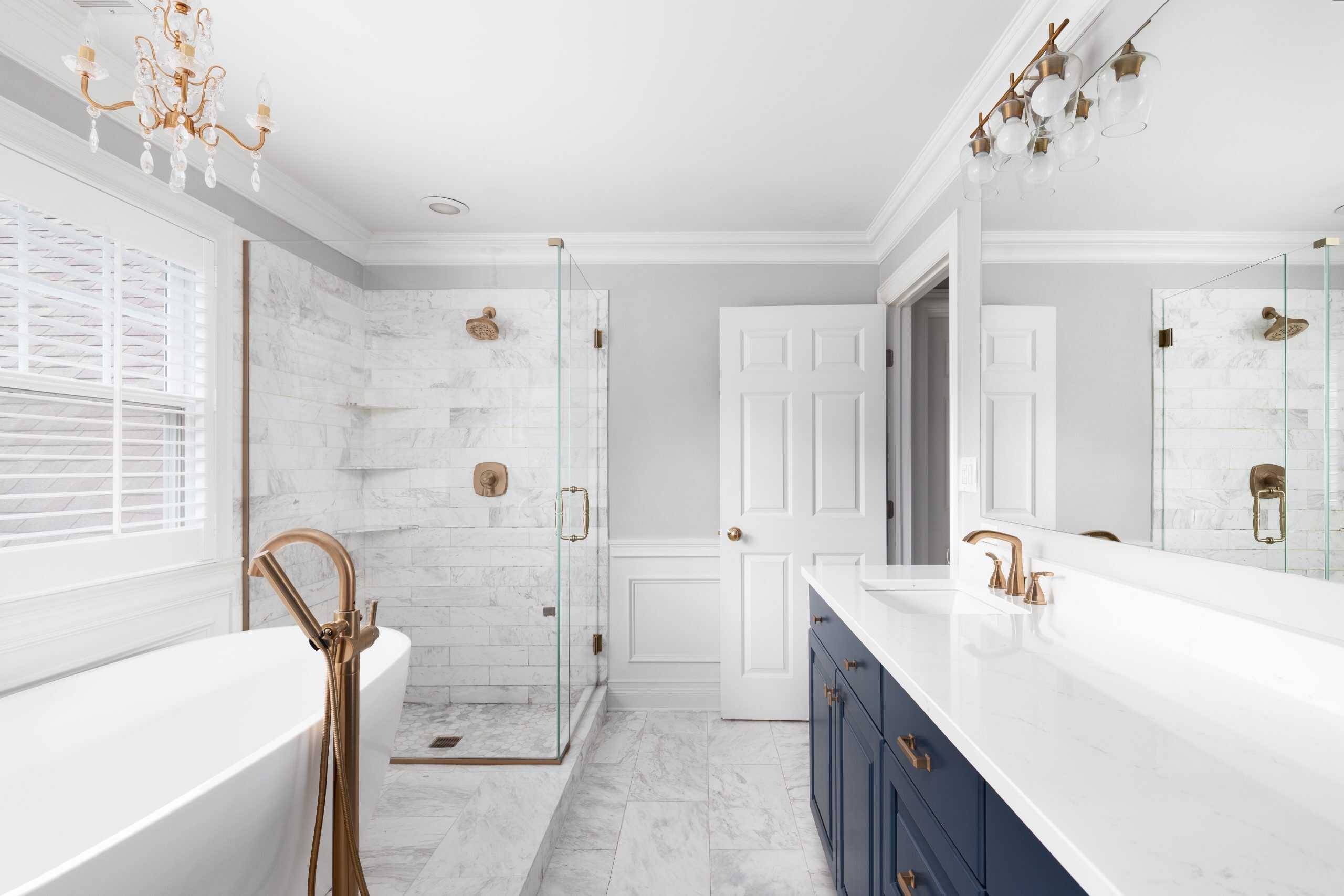
One Team Handles Everything Board Approval to Final Tile
Bathroom renovations in Greeley Square buildings are more complicated than most contractors let on. We know what it actually takes to get the job done right here permits, co-op boards, and all.
I needed a professional consultation explanation of procedure for safe removal of Asbestos in my apartment complex. Without having an account yet, I was very impressed with the caring, knowledgeable and generous advice offered by Jessica, and will look forward to doing business in the future. Thank you so much! I feel much more informed about a sometimes scary endeavor. Peace. Nancy Silva Mineola, NY.
Mia Munoz
Used this company to clean up some water flood in my house. They were fast and easy to work with.very professional, Would recommend to anyone!
Nini Valle
Great company, had a flood and they responded quickly and efficiently. Billed my insurance company directly. I highly recommend this company!
joe colapietro, jr
I had pipe freeze in my basement right before a snow storm and they made to within an hour to help start the clean up process. They we by our side throughout the entire process and even helped with the insurance company. They did such a great job with the cleanup, repair, remidiation, I contracted them to perform the repairs and finishes in the basement. They came with enough manpower and material to get the job done. Leo and Jessica were nothing but a pleasure to deal with!!
Cristian Arredondo c
I had some water damage in my home and Green Island was able to take care of my issue quickly and effectively. I am very pleased with the work they did. They responded quickly and were very professional.
Michael M
Outstanding service! From the office to the field crew everyone was friendly, helpful and responsive. I highly recommend Green Island Group.
What a Finished Bathroom Actually Means in a Greeley Square Building
Living near the intersection of Broadway and Sixth Avenue in Greeley Square means your building has history and history in Midtown Manhattan usually means galvanized pipes, mortar-bed tile, and plumbing that was never designed for how people actually live today. When those things get addressed properly during a renovation, you stop dealing with the slow drain, the grout that won’t stay clean, and the fixture that looks like it belongs in a different decade.
A properly waterproofed, fully renovated bathroom in a Garment District loft conversion or a pre-war high-rise near Herald Square does more than look better. It protects you from moisture migrating into shared walls which, in a building where your neighbor is eighteen inches away, isn’t a small thing. It also protects the value of an asset that, in this ZIP code, is likely worth somewhere north of $700,000.
The other thing that changes after a renovation done right: you stop managing it. No more scheduling conflicts between a plumber, a tile guy, and an electrician who can’t coordinate with each other. No more wondering who to call when something doesn’t line up. One team handled it, one team stands behind it.
We’re a full-service bathroom remodeling and restoration company serving Manhattan and Long Island. What makes the difference in a neighborhood like Greeley Square where your building might be a converted Garment District loft, a pre-war co-op tower, or a mid-century high-rise a block from the Empire State Building is that we’ve actually worked in buildings like yours. We know how managing agents in Greeley Square communicate, what co-op boards require before they sign off, and what tends to hide behind the walls of a building that’s been standing since the 1920s.
We’re also a licensed environmental remediation company, which matters more than most people realize until they’re mid-demo and someone finds something. If there’s mold, deteriorated pipe insulation, or moisture damage behind your tile, we handle it in-house the project doesn’t stop while you scramble to find a separate specialist.
It starts with a real conversation about your space, your building’s requirements, and what you’re actually trying to accomplish. If you’re in a co-op or condo near Greeley Square and most residents here are that means we talk about your alteration agreement, your building’s insurance requirements, and your board’s approval timeline before anything else. Getting that piece right upfront is what keeps a project from stalling out three weeks in.
Once the scope is defined and board approval is secured, we handle the DOB permit filing. In Manhattan, permit applications for bathroom work involving plumbing or electrical changes can take anywhere from two to six months to process that’s not a contractor problem, it’s a city reality, and we build it into your timeline honestly from day one. The new 2026 DOB attestation requirements for co-op and condo projects add another documentation layer, and we know how to navigate that without it becoming your problem to figure out.
When work begins, we coordinate demolition, plumbing, electrical, waterproofing, tile, and fixture installation as one team. Your building’s elevator scheduling windows, noise restrictions, and lobby protection rules are followed not because we have to, but because how we operate in your building reflects on you as an owner, and we take that seriously.
Everything the Job Needs, Nothing You Have to Chase Down
A full bathroom renovation through us covers the complete scope demolition, plumbing system updates, electrical work, waterproofing, custom tile installation, fixture placement, and final cleanup. For Greeley Square residents, that often means working through the specific challenges that come with this building stock: cast-iron drain lines, non-standard plumbing configurations in loft conversions, oversized floor plates where the bathroom sits far from an exterior wall, or the tight 35-square-foot footprint of a classic pre-war compartment bathroom.
Design-wise, we work with what your space actually is not a suburban template dropped into a Manhattan apartment. That might mean wall-mounted fixtures and a floating vanity to make a compact bathroom feel intentional rather than cramped. Or it might mean bringing warmth and definition into an oversized industrial conversion where the bathroom currently feels disconnected from the rest of the space.
Every project includes full documentation for your building’s board and managing agent insurance certificates, architectural plans, alteration agreement coordination, and the construction timeline your building requires. And because we’re also a licensed remediation company, anything discovered during demo mold, deteriorated materials, water damage from a neighboring unit gets handled on the spot. The range for a full bathroom renovation in this part of Manhattan typically runs $15,000 to $40,000 depending on scope, with luxury finishes pushing higher. We’ll give you a detailed written proposal, not a ballpark, and we’ll always recommend building in a 15–20% contingency for what older buildings sometimes reveal.
Do I need board approval before starting a bathroom renovation in Greeley Square?
If you own a co-op or condo near Greeley Square which describes the majority of residential units in this part of Midtown Manhattan yes, board approval is required before any renovation work begins, and typically before a DOB permit can even be filed. Your board will want to see detailed architectural drawings, a construction timeline, proof of our licensing and insurance, a signed alteration agreement, and in many Greeley Square buildings, a security deposit held against potential damage to common areas during the project.
The specifics vary by building, and managing agents in Midtown South buildings each have their own process and documentation preferences. What matters is that your contractor knows how to prepare this package correctly the first time an incomplete submission gets kicked back, which adds weeks to your timeline before a single wall comes down. We handle all of that coordination directly with your building, so you’re not playing telephone between us and your board.
How long does a bathroom renovation actually take in a Manhattan apartment?
The physical construction demo through final tile and fixtures typically takes two to four weeks depending on scope. But in Manhattan, that’s rarely the part that takes the longest. Board approval and DOB permit processing are where the real timeline lives. DOB permit applications for bathroom work involving plumbing or electrical changes commonly take two to six months to process in New York City. Add in the time needed to prepare and submit your board package, wait for board review, and then file permits, and you’re looking at a total project timeline of three to eight months from first conversation to finished bathroom in most cases.
The new DOB attestation requirements that took effect in January 2026 for co-op and condo projects have added another documentation step to the permit filing process. We build all of this into your timeline upfront so you’re not caught off guard. If you’re planning to list your apartment or have a specific deadline, the earlier you start the process, the better.
What happens if mold or old pipe materials are found during bathroom demo?
It’s more common than most people expect, especially in the pre-war and early-twentieth-century converted buildings that make up a significant portion of the residential stock around Greeley Square. When a wall comes down in a building that’s been standing since the 1920s or 1930s, what’s behind it isn’t always what you’d hope. Moisture intrusion from aging plumbing, deteriorated pipe insulation, and mold growth in areas that were never properly waterproofed are all real possibilities.
Most bathroom remodelers are not equipped to handle this they have to stop the project, refer you to a separate remediation company, and wait. We’re a licensed environmental remediation company in addition to being a full-service remodeler, which means if something is found during demo, we handle it in-house without the project stopping. That’s not a minor distinction when you’re living in a building where delays affect your board, your neighbors, and your alteration agreement timeline.
How much does a bathroom renovation cost in a Greeley Square co-op or condo?
The range is wide, and it’s honest to say that Manhattan bathroom renovations cost more than what you’d see quoted in national averages. A basic cosmetic refresh new fixtures, tile, and paint without moving anything typically runs $8,000 to $15,000. A full renovation where plumbing is updated, layout is reconsidered, and finishes are replaced top to bottom generally falls between $15,000 and $40,000 in this part of Midtown. High-end luxury work with custom tile, smart fixtures, and premium materials can push $50,000 to $70,000 or beyond.
For Greeley Square buildings specifically, it’s worth building in a 15 to 20 percent contingency above your project estimate. Older buildings particularly the loft conversions in the Garment District and the pre-war towers near Herald Square have a higher likelihood of surprises behind the walls: corroded galvanized pipes, mortar-bed tile set over deteriorated substrate, or moisture damage that wasn’t visible before demo. We’ll give you a detailed written proposal with a clear scope, not a number pulled from thin air, so you know exactly what you’re committing to.
Can a bathroom remodel increase the value of my Manhattan apartment?
In a market where the average one-bedroom in the 10001 ZIP code sells for around $700,000, a renovated bathroom isn’t just a comfort upgrade it’s a competitive one. Manhattan buyers comparing multiple units in the same building will notice the difference between a bathroom that was last touched in 1998 and one that’s been properly gutted and rebuilt. Nationally, a midrange bathroom remodel returns roughly 72 percent of its cost at resale, and cosmetic updates tend to yield even more in high-demand urban markets.
Beyond resale, a bathroom that’s been properly waterproofed and replumbed protects you from the kind of moisture issues that can become expensive liability problems in a shared-wall building. A leak that travels into a neighboring unit in a Greeley Square co-op isn’t just a repair bill it’s a board conversation and potentially a legal one. A renovation done right eliminates that risk, which has real financial value even if you never plan to sell.
How do I find a bathroom remodeler who actually understands Manhattan co-op rules?
The honest answer is that most general contractors don’t. They’re experienced with construction, but the co-op and condo board approval process in Manhattan the alteration agreements, the specific insurance certificate requirements, the managing agent communication, the DOB filing sequence is a separate skill set that only comes from having done it repeatedly in buildings like yours. A contractor who’s learning your building’s process on your project is a contractor who will slow it down.
What to look for: a remodeler who asks about your building’s requirements in the first conversation, not after you’ve signed a contract. One who can tell you what an alteration agreement typically requires before you ask. One who communicates directly with your managing agent so you’re not the go-between. For residents near Greeley Square where buildings range from Garment District loft conversions to pre-war co-op towers that local, process-specific experience is the difference between a renovation that moves forward and one that stalls at the board level before a single tile comes down.