Built for Homes That Have Been Here Since the '50s
Huntington Station’s housing stock is aging and your bathroom probably shows it. We handle complete bathroom renovations, including the hazardous materials discoveries that stop most contractors cold.
I needed a professional consultation explanation of procedure for safe removal of Asbestos in my apartment complex. Without having an account yet, I was very impressed with the caring, knowledgeable and generous advice offered by Jessica, and will look forward to doing business in the future. Thank you so much! I feel much more informed about a sometimes scary endeavor. Peace. Nancy Silva Mineola, NY.
Mia Munoz
Used this company to clean up some water flood in my house. They were fast and easy to work with.very professional, Would recommend to anyone!
Nini Valle
Great company, had a flood and they responded quickly and efficiently. Billed my insurance company directly. I highly recommend this company!
joe colapietro, jr
I had pipe freeze in my basement right before a snow storm and they made to within an hour to help start the clean up process. They we by our side throughout the entire process and even helped with the insurance company. They did such a great job with the cleanup, repair, remidiation, I contracted them to perform the repairs and finishes in the basement. They came with enough manpower and material to get the job done. Leo and Jessica were nothing but a pleasure to deal with!!
Cristian Arredondo c
I had some water damage in my home and Green Island was able to take care of my issue quickly and effectively. I am very pleased with the work they did. They responded quickly and were very professional.
Michael M
Outstanding service! From the office to the field crew everyone was friendly, helpful and responsive. I highly recommend Green Island Group.
Bathroom Renovation Contractors Huntington Station
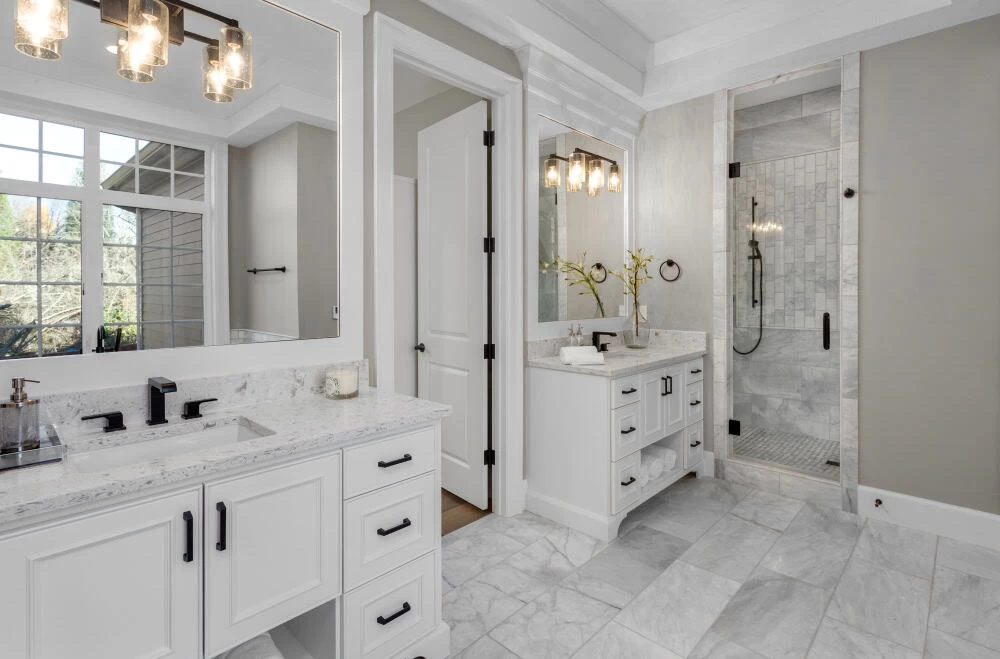
A Bathroom That Works for How You Actually Live
Most Huntington Station homes were built between the 1940s and 1960s. That means original plumbing, outdated ventilation, and bathrooms that were designed for a completely different era. When you finally decide to do something about it, you deserve a renovation that accounts for all of that not one that stalls the moment something unexpected turns up behind the walls.
Here’s what actually changes after a well-executed bathroom remodel: your morning routine gets easier, your home is worth more, and you stop dreading the room. For a household catching the LIRR into the city before 8 AM, a bathroom that functions efficiently for multiple people isn’t a luxury it’s a daily necessity. Better storage, better lighting, better layout. The difference is real and you feel it every single day.
Long Island’s coastal humidity also does a number on older bathrooms over time. Grout breaks down, caulk fails, moisture gets into wall cavities, and what started as a cosmetic issue becomes a structural one. A properly waterproofed, well-ventilated bathroom doesn’t just look better it holds up against the conditions that come with living on the North Shore.
We’re based in Suffolk County and have completed over 5,000 restoration and remodeling projects across New York State. We’re not new to Huntington Station we’ve handled water damage restoration and asbestos abatement here, and we know what these homes look like once the walls come open.
What separates us from most bathroom remodel contractors in Huntington Station is straightforward: we hold New York State asbestos abatement certification, EPA lead-based paint certification, and mold remediation licensing in addition to our home improvement contractor credentials. In a community where most homes predate 1978, that’s not a bonus. It’s the difference between a project that keeps moving and one that grinds to a halt.
We’re also available 24 hours a day, every day of the year. That matters when a pipe fails at midnight in your only full bathroom and you need someone who actually picks up the phone.
No Surprises Here's What to Expect From Start to Finish
It starts with a thorough walkthrough of your existing bathroom. We look at the plumbing, the ventilation, the tile, the subfloor everything. In Huntington Station’s older homes, that initial assessment often tells us more than the homeowner expected. We scope the project honestly, give you a detailed estimate, and make sure you understand exactly what’s included before anything gets signed.
From there, we handle the permit process with the Town of Huntington’s Building and Housing Division. If your remodel involves moving plumbing, updating electrical, or making structural changes, permits are required and we manage all of it. You don’t have to figure out what forms to file or which inspections are needed. That’s our job.
Demo comes next, and this is where older homes can surprise you. If we uncover asbestos tile, lead paint, or mold behind the shower surround which happens regularly in homes from this era we handle it in-house, under the same contract, without stopping the project to call in a separate crew. Once the space is clear and clean, the build-out begins: plumbing, waterproofing, tile, fixtures, and finish work. We don’t hand your project off. One team, one point of contact, from the first walkthrough to the final inspection.
Bathroom Remodeling Services Huntington Station NY
What a Full Bathroom Remodel Actually Includes Here
A bathroom renovation in Huntington Station isn’t the same as one in a newer-construction suburb. The homes here have history, and that history affects every phase of the job. We build our scope around what your specific home actually needs not a generic checklist.
That typically includes full demolition of the existing space, in-house hazardous material abatement if needed, rough plumbing and drain reconfiguration, GFCI electrical updates to meet current code, cement board and waterproofing membrane installation, tile work for floors and walls, new vanity and fixture installation, and proper exhaust ventilation. Suffolk County’s humidity makes that last piece more important than most homeowners realize a bathroom without adequate ventilation is a mold problem waiting to happen, and we’ve seen what that looks like in homes along the North Shore.
If your renovation is tied to a water damage event or an insurance claim which is more common than you’d think in a community with aging plumbing we can document the damage, work directly with your insurance adjuster, and bill the carrier directly. We’ve done it before for Huntington Station homeowners and know how to navigate that process without putting the administrative burden on you. Every project we complete is permitted, inspected, and built to last.
Do I need a permit for a bathroom remodel in Huntington Station, NY?
Yes, in most cases. The Town of Huntington requires a building permit for any bathroom renovation that involves plumbing relocations, electrical modifications, or structural changes which covers the vast majority of gut renovations. Purely cosmetic updates like swapping a vanity or replacing a mirror typically don’t require a permit, but the moment you’re moving a drain line, adding a circuit, or opening walls, you’re in permit territory.
The Town of Huntington’s Building and Housing Division handles these applications out of Town Hall at 100 Main Street in Huntington. The process includes plan review, permit issuance, and inspections at key stages of the project. Skipping permits isn’t worth the risk unpermitted work can create serious problems when you sell the home, and it can void your homeowners insurance coverage if something goes wrong. We handle the entire permit process as part of every project we take on, so you’re not navigating that on your own.
How much does a bathroom remodel cost in Huntington Station, NY?
On Long Island, a full midrange bathroom gut renovation typically runs between $35,000 and $55,000. Upscale projects larger spaces, higher-end fixtures, custom tile work can go well above that. Those numbers are consistently higher than national averages because of Long Island’s labor costs, material pricing, and permitting requirements. If you’ve seen estimates in the $15,000 range, they’re either for very limited cosmetic work or they’re leaving things out.
What affects cost most in Huntington Station specifically is what’s behind the walls. Homes from the 1940s through 1960s frequently have original cast-iron or galvanized plumbing that needs to be addressed, and asbestos-containing floor tile or lead paint that requires licensed abatement before demo can proceed. Those aren’t surprises we use to inflate a bill they’re real conditions that affect the scope of the job. We scope thoroughly upfront so you have an accurate picture before the project starts, not a lowball number that grows once the walls come open.
What happens if asbestos tile is found during my bathroom renovation?
In Huntington Station, it’s genuinely common. Nine-inch vinyl asbestos tile was a standard flooring material in homes built through the mid-1970s, and many bathrooms in this area still have it sometimes under two or three layers of newer flooring. When it’s found during demo, most general contractors are legally required to stop work and bring in a separate licensed abatement company. That means delays, additional contracts, and costs you didn’t plan for.
Because we hold New York State asbestos abatement certification, we handle it in-house without stopping the project. The abatement is performed by our certified team, properly contained, and disposed of according to state regulations. Once it’s cleared, the renovation continues. You don’t lose weeks waiting for a second contractor to get scheduled, and you don’t end up managing two separate companies on the same job. It’s one of the more practical reasons to work with a contractor who has an environmental background in a community with housing stock like Huntington Station’s.
Can I live in my home while my bathroom is being renovated?
It depends on your situation, but for most Huntington Station homeowners, yes with some planning. If you have a second full bathroom in the house, the disruption is manageable. If your home has only one full bathroom, which is common in the smaller Cape Cods and ranch-style homes that make up a lot of this neighborhood’s housing stock, you’ll want to have a clear conversation with your contractor about timeline and temporary arrangements before the project starts.
We work efficiently and communicate proactively throughout the project, so you’re never left guessing how many more days until you have a functioning bathroom again. We don’t leave a project half-done while we’re off working on something else your project stays on our schedule until it’s finished. If hazardous materials are discovered and need to be abated, we’ll walk you through what that means for the timeline and whether temporary relocation makes sense for your household. Every situation is a little different, and we’d rather give you an honest answer than a reassuring one that doesn’t hold up.
How long does a full bathroom renovation typically take in Huntington Station?
A standard full bathroom gut renovation demo through finished tile, fixtures, and final inspection typically takes two to four weeks for most projects. More complex jobs, larger spaces, or projects where hazardous materials are discovered and need to be abated can run longer. The honest answer is that timeline depends heavily on what’s found once the demo begins, and in a community where most homes are 60 to 80 years old, there’s more variability than in newer construction.
What we can control is how we respond to what we find. Because we handle asbestos abatement, mold remediation, and plumbing in-house, we don’t lose time waiting on outside crews to get scheduled. Permit timing through the Town of Huntington is another variable reviews and inspections happen on the town’s schedule, not ours but we factor that into the project plan from the start. We give you a realistic timeline upfront and keep you updated throughout, so you’re not left wondering where things stand.
Does homeowners insurance cover any part of a bathroom remodel in Huntington Station?
Standard homeowners insurance doesn’t cover elective renovations, but it often does cover bathroom work that’s triggered by a covered loss a burst pipe, a roof leak that caused water damage, or storm-related water intrusion. In Huntington Station, where the plumbing in many homes is original cast-iron or galvanized steel and nor’easters can push water into older structures, insurance-triggered bathroom renovations are more common than most people expect.
When a renovation is connected to an insurance claim, the process works differently than a standard remodel. The damage needs to be properly documented, the claim needs to be filed correctly, and the scope of covered work needs to be clearly communicated to the adjuster. We have direct experience navigating this process we’ve billed insurance carriers directly for Huntington Station homeowners and know how to document damage in a way that supports the claim. If you’re not sure whether your situation qualifies, it’s worth a conversation before you assume you’re paying for everything out of pocket.