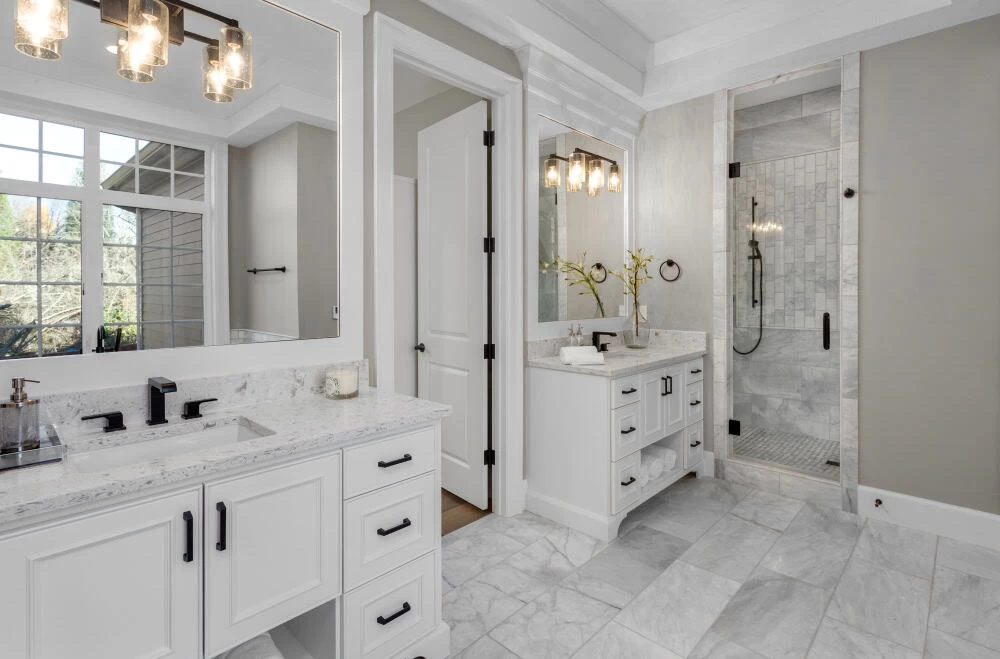
Your Levitt-era bathroom has lasted 60 years but lasting isn’t the same as working. We handle the full renovation, including whatever the demo uncovers.
I needed a professional consultation explanation of procedure for safe removal of Asbestos in my apartment complex. Without having an account yet, I was very impressed with the caring, knowledgeable and generous advice offered by Jessica, and will look forward to doing business in the future. Thank you so much! I feel much more informed about a sometimes scary endeavor. Peace. Nancy Silva Mineola, NY.
Mia Munoz
Used this company to clean up some water flood in my house. They were fast and easy to work with.very professional, Would recommend to anyone!
Nini Valle
Great company, had a flood and they responded quickly and efficiently. Billed my insurance company directly. I highly recommend this company!
joe colapietro, jr
I had pipe freeze in my basement right before a snow storm and they made to within an hour to help start the clean up process. They we by our side throughout the entire process and even helped with the insurance company. They did such a great job with the cleanup, repair, remidiation, I contracted them to perform the repairs and finishes in the basement. They came with enough manpower and material to get the job done. Leo and Jessica were nothing but a pleasure to deal with!!
Cristian Arredondo c
I had some water damage in my home and Green Island was able to take care of my issue quickly and effectively. I am very pleased with the work they did. They responded quickly and were very professional.
Michael M
Outstanding service! From the office to the field crew everyone was friendly, helpful and responsive. I highly recommend Green Island Group.
What Changes When the Bathroom Finally Works Right
Most Islandia homeowners aren’t renovating because they want a spa. They’re renovating because the grout is failing, the exhaust fan barely moves air, and the caulk around the tub cracked years ago. When a bathroom that’s been limping along for decades finally gets rebuilt properly, the difference is immediate and it shows up every single morning.
The homes at the core of Islandia were built by Levitt & Sons around 1963. That means the original bathrooms in this neighborhood are over 60 years old. Galvanized steel supply lines that were standard in that era corrode from the inside out, restricting water pressure and eventually failing. Original tile surrounds were never waterproofed the way modern installations are, so moisture has been working its way into the wall framing for decades. A proper renovation doesn’t just update the look it corrects the underlying infrastructure that’s been quietly deteriorating behind the surface.
Long Island’s humidity accelerates all of it. Even sitting 10 to 15 miles from the shoreline, Islandia sees enough seasonal moisture that grout, caulk, and inadequate ventilation create real mold conditions over time. When the renovation is done right cement board substrates, proper waterproof membranes, a ventilation fan that actually moves the required air volume you’re not just getting a new bathroom. You’re getting one that holds up against the environment it actually lives in.
We Know What 1963 Construction Looks Like From the Inside
We’re based in Bohemia, NY about 10 miles from Islandia via the LIE. That’s not a detail we throw in for marketing purposes. It means our team has pulled permits through the Village of Islandia’s Building Department at 1100 Old Nichols Road, knows the Suffolk County Department of Health Services inspection process for plumbing, and has worked in the same Levitt-era housing stock that defines Islandia.
With over 5,000 completed projects across New York State, we’re not figuring things out on your job. Our licenses are real and verifiable Nassau County HIC #166281, NYC DCA HIC #2025058-DCA, and lead-based paint abatement license LBP-F122209-1 alongside full asbestos abatement and mold remediation certifications. That combination matters specifically in Islandia, where demo on a 60-year-old bathroom is rarely a clean, straightforward process.
No Surprises Here's Exactly What the Process Looks Like
It starts with a walkthrough. Before any estimate is written, someone who knows Levitt-era construction looks at your bathroom in person not a call center rep, not a salesperson. Our goal is to give you an accurate number upfront, which means understanding what’s likely behind your walls before demolition starts, not after.
Once the project is scoped and permitted, demo comes first. In Islandia, that step requires an asbestos survey under Town of Islip rules before work begins it’s not optional, and it’s not something a contractor without hazmat certification can handle legally on their own. If asbestos floor tiles, lead paint, or mold are found during demo, we manage it in-house under the same contract. The project doesn’t stop. There’s no scramble to find a separate hazmat company. Work continues on the agreed timeline.
From there, it’s rough plumbing and electrical, waterproofing, tile, fixtures, vanity, finish carpentry, and final inspection. Every trade is coordinated under one roof, which means no scheduling gaps between the plumber and the tile crew, no miscommunication between subcontractors, and one person accountable for the whole job from the permit application to the certificate of occupancy. Plumbing work in Islandia requires sign-off from the Suffolk County Department of Health Services, and electrical requires inspection by the NY Board of Fire Underwriters both are part of our standard process here, not afterthoughts.
A bathroom remodel in an Islandia home isn’t the same job as one in a newer build. The scope almost always goes deeper than it looks on the surface, and the regulatory requirements are layered village-level permits through Islandia’s own Building Department, plumbing certification through Suffolk County, electrical inspection through the Board of Fire Underwriters. We handle all of it. You don’t have to figure out which agency does what or chase down inspections on your own.
The work itself covers everything from demolition to final finish: tile removal and replacement, tub-to-shower conversions, walk-in shower installations, vanity and fixture upgrades, plumbing line replacement, GFCI electrical updates, waterproof membrane installation, ventilation upgrades, and full finish carpentry. If the demo reveals asbestos tiles which is common in 1963 Levitt homes where 9-inch vinyl asbestos tiles were standard or lead paint on the trim, that work is handled in-house under the same project agreement. No stopping, no third-party coordination, no surprise invoices from a separate hazmat contractor.
For homeowners whose renovation is tied to a water damage or insurance claim which happens regularly in Islandia given the age of the plumbing our restoration background means we understand how to document the damage, work with your carrier, and transition from emergency response directly into the rebuild without losing momentum or leaving money on the table.
Do I need a permit for a bathroom remodel in Islandia, NY?
Yes, and in Islandia the permitting process has more layers than most homeowners expect. The Village of Islandia has its own Building Department, located at Village Hall on 1100 Old Nichols Road, which reviews plans for compliance with both New York State Uniform Code and village-specific requirements. That’s separate from the Town of Islip Building Division, which also has jurisdiction over certain aspects of renovation work in the area.
On top of that, any plumbing work requires inspection and a certificate of compliance from the Suffolk County Department of Health Services. Electrical work needs to be inspected by the New York Board of Fire Underwriters or an approved third-party inspector. And if your home was built before 1980 which every home in Islandia’s core Levitt neighborhood was a renovation or demolition permit requires an asbestos survey before work begins. That’s a legal requirement, not a suggestion. Working with a contractor who knows this process and handles it routinely means you’re not learning it from scratch or risking a stop-work order mid-project.
What does a full bathroom remodel typically cost in Islandia, NY?
A midrange full bathroom renovation in Suffolk County typically runs in the $35,000 to $65,000 range, depending on scope, materials, and what’s found during demo. Long Island labor costs, permitting fees, and material costs run 30 to 50 percent above national averages, so national cost estimates you find online will almost always be lower than what you’ll actually pay here.
For Islandia specifically, the age of the housing stock adds a variable that’s worth understanding upfront. A bathroom gut renovation in a 1963 Levitt home has a reasonable chance of uncovering asbestos floor tiles, corroded galvanized supply lines, or moisture damage behind the original tile surround. A contractor who gives you a quote without accounting for those possibilities is giving you a number that may not hold. The more useful question to ask any contractor is: what happens to the price if you find asbestos or significant moisture damage? With us, hazmat abatement is handled in-house, so there’s no separate contractor invoice and estimates are scoped with the realistic conditions of your home’s era in mind.
How long does a bathroom renovation take in a Levitt-era home?
For a full gut renovation in one of Islandia’s original Levitt homes, a realistic timeline is three to five weeks from demo to final inspection, assuming no major structural surprises and that permits are pulled and approved before work begins. The permitting process in the Village of Islandia adds time at the front end plan reviews through the village Building Department, plus any required asbestos survey before demolition so the total project timeline from contract to completion is typically six to eight weeks when you factor in the pre-construction phase.
Where timelines get extended is when hazardous materials are discovered mid-demo and the contractor isn’t equipped to handle them in-house. A standard remodeling contractor who hits asbestos tile has to stop work, bring in a licensed abatement company, wait for that work to be completed and certified, and then resume. That process can add two to four weeks. Because we hold asbestos abatement and lead-based paint abatement licenses, that scenario doesn’t stop the project it’s handled within the same workflow, which keeps the timeline intact.
What if asbestos or mold is found during the bathroom demo?
In a home built in 1963, finding asbestos during bathroom demolition isn’t a worst-case scenario it’s a statistically likely one. The 9-inch vinyl floor tiles that were standard in Levitt homes from that era almost always contain asbestos. Pipe insulation, joint compound, and some ceiling textures from that period can as well. Lead-based paint on woodwork and trim is also common in pre-1978 construction, which covers every home in Islandia’s original neighborhood.
When a contractor without hazmat certification discovers these materials, they are legally required to stop work. That means your bathroom is torn open, your household is disrupted, and you’re waiting on a separate abatement company to schedule, complete, and certify the work before anyone can touch the renovation again. We hold active asbestos abatement and lead-based paint abatement licenses, along with mold remediation capability. If any of these are found during demo, the work is handled in-house, under the same contract, without stopping the project. You don’t pay a separate mobilization fee to a third party, and you don’t lose weeks waiting for someone else’s schedule to open up.
Should I renovate my Islandia bathroom before selling my home?
It depends on the condition of the bathroom and your timeline, but the data supports it in most cases. Islandia home values have risen from a median of around $159,700 in 2000 to approximately $490,000 in 2023 a 206 percent increase. In a market where buyers are paying close to half a million dollars for a postwar home, a bathroom that still has original 1963 tile, a corroded faucet, and a ventilation fan that barely functions is a visible liability. Buyers notice, and they negotiate accordingly.
A midrange bathroom remodel nationally recoups around 80 percent of its cost at resale, and in a high-demand, low-inventory market like Suffolk County, that number is competitive. More practically, a renovated bathroom removes a common objection from buyers who are already calculating what they’ll need to spend after closing. If you’re planning to sell within the next one to three years, a properly permitted, fully updated bathroom one that passes inspection and comes with documentation is a cleaner asset than a dated original that buyers will price against you.
Why hire Green Island Group instead of a general contractor for my Islandia bathroom?
Most general contractors are equipped to handle a bathroom renovation in a newer home where the demo is clean and the materials are predictable. In Islandia, where the core housing stock is over 60 years old, the demo is rarely clean. Asbestos floor tiles, lead paint, corroded plumbing, and moisture-damaged framing are common findings and a general contractor who isn’t licensed for hazmat work has to stop the job the moment any of those materials appear.
We combine full-service remodeling with licensed asbestos abatement, lead-based paint abatement, and mold remediation all under one roof. That means the team starting your project is the same team finishing it, regardless of what the walls reveal. Add to that our familiarity with the Village of Islandia’s Building Department, the Suffolk County permitting process, and the specific construction methods used in Levitt homes, and you’re working with a contractor who isn’t learning your neighborhood on your dime. Over 5,000 completed projects in New York State means we’ve handled the full range of what these jobs look like and we’re 10 miles from your front door.