I needed a professional consultation explanation of procedure for safe removal of Asbestos in my apartment complex. Without having an account yet, I was very impressed with the caring, knowledgeable and generous advice offered by Jessica, and will look forward to doing business in the future. Thank you so much! I feel much more informed about a sometimes scary endeavor. Peace. Nancy Silva Mineola, NY.
Mia Munoz
Used this company to clean up some water flood in my house. They were fast and easy to work with.very professional, Would recommend to anyone!
Nini Valle
Great company, had a flood and they responded quickly and efficiently. Billed my insurance company directly. I highly recommend this company!
joe colapietro, jr
I had pipe freeze in my basement right before a snow storm and they made to within an hour to help start the clean up process. They we by our side throughout the entire process and even helped with the insurance company. They did such a great job with the cleanup, repair, remidiation, I contracted them to perform the repairs and finishes in the basement. They came with enough manpower and material to get the job done. Leo and Jessica were nothing but a pleasure to deal with!!
Cristian Arredondo c
I had some water damage in my home and Green Island was able to take care of my issue quickly and effectively. I am very pleased with the work they did. They responded quickly and were very professional.
Michael M
Outstanding service! From the office to the field crew everyone was friendly, helpful and responsive. I highly recommend Green Island Group.
What Changes When Your Bathroom Actually Gets Done Right
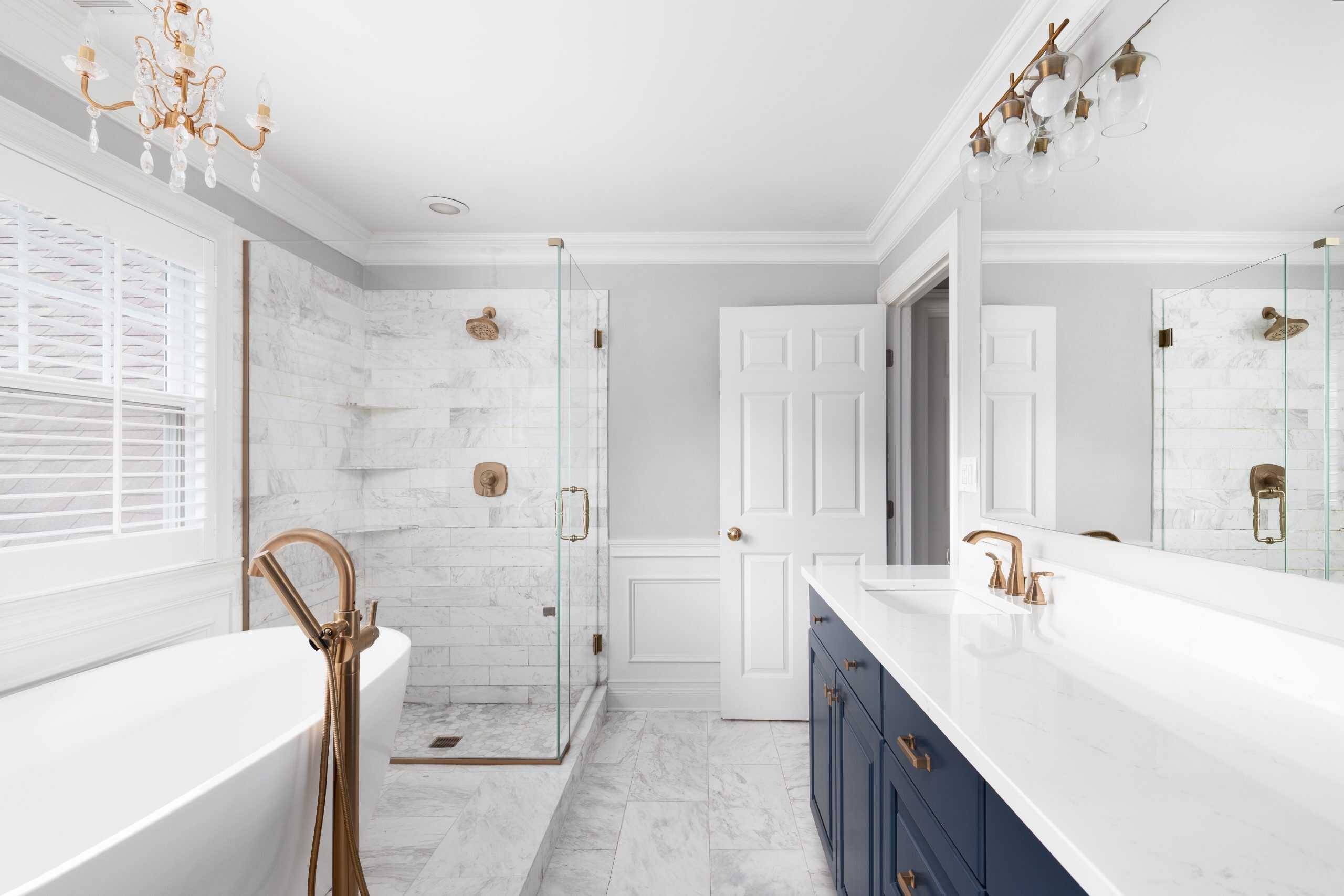
You stop sharing a wall with a 1930s pipe system that sounds like it’s filing a complaint every morning. You stop looking at grout lines that haven’t been white since before Columbia’s last renovation cycle. And you stop wondering whether the moisture you’re smelling is just the building or something worse hiding behind your tile. That’s what a real bathroom renovation does it fixes the thing you’ve been tolerating, not just the thing you can see.
In Morningside Heights, the average residential building was constructed around 1938. That means the bathroom you’re living in was likely designed for a different era of plumbing, a different standard of waterproofing, and a different definition of “functional.” The bones are often solid. The infrastructure, less so. Galvanized supply lines that restrict water pressure, failing tile adhesion from decades of humidity, and ventilation that was never adequate for Manhattan’s summers these aren’t cosmetic issues. They’re the reason your renovation keeps getting pushed back while the problem quietly gets worse.
When the work is done properly, the difference isn’t just visual. Water pressure improves. Humidity has somewhere to go. The floor doesn’t flex. The grout stays clean because it was sealed correctly. And if your building’s board requires a sign-off before you can list or refinance, you have documentation that the work was permitted and done to code not just done.
We've Worked in These Buildings. We Know What's Inside Them.
We are a full-service remodeling and restoration contractor serving New York City and Long Island. Every bathroom renovation we take on is managed under one roof demolition, plumbing, electrical, waterproofing, tile, fixtures, and final cleanup. You’re not coordinating three different subcontractors through a building super who has twelve other things going on. One team, one point of contact, start to finish.
What makes us different in Morningside Heights is that we come from a restoration background. We’ve worked in pre-war Manhattan buildings long enough to know what tends to be behind the walls and we’re equipped to handle it when we find it. Asbestos in floor tile adhesive. Lead paint under layers of renovation. Subfloor damage from a slow leak that went undetected for years. Most remodelers either miss it or stop the job. We don’t.
We also handle the regulatory side DOB permit filing, co-op alteration agreement documentation, insurance certificates matched to your building’s specific requirements. If you’re a shareholder in one of the buildings along Riverside Drive or Amsterdam Avenue, you already know the board doesn’t make this easy. We’ve navigated it before, and we’ll navigate it for you.
From Co-Op Approval to Final Tile Here's the Sequence
It starts with a walkthrough. We come to your apartment, look at the actual space, assess what’s there existing plumbing configuration, tile condition, ventilation setup, subfloor integrity and talk through what you want. We’re not doing a phone estimate on a pre-war bathroom. There’s too much we need to see in person.
From there, we handle the paperwork before a single wall gets touched. In Morningside Heights, that means preparing your alteration agreement documentation, filing for DOB permits where required, and making sure our insurance certificates match your building’s minimums. This step takes time permit approval in NYC can run two to six months depending on the scope and we set that expectation upfront so nothing comes as a surprise. If your building has a board meeting cycle that affects approval timing, we plan around it.
Once approvals are in place, demolition begins. This is where our remediation background matters most. If we find asbestos in the tile adhesive or lead paint under the layers which is a realistic possibility in any Morningside Heights building that predates 1940 we handle it on-site. No project halt, no scrambling for a separate specialist. We continue through waterproofing, rough plumbing and electrical, tile installation, fixture setting, and final inspection. The job isn’t finished when the last tile is grouted. It’s finished when the DOB signs off and your building confirms the alteration agreement has been honored.
Built for 40-Square-Foot Pre-War Bathrooms, Not Suburban Showrooms
The bathrooms in Morningside Heights’s pre-war buildings were not designed for modern life. They’re compact often 35 to 50 square feet compartmentalized, and running on infrastructure that in many cases hasn’t been seriously updated since the postwar era. That’s not a problem we work around. It’s the exact environment we work in.
Every bathroom renovation we do includes full demolition down to the studs, inspection of the subfloor and wall cavity, waterproofing membrane installation behind all wet surfaces, and upgraded ventilation that actually meets current code. For pre-war apartments specifically, we assess supply line condition if you’re still on galvanized steel, we’ll tell you, and we’ll give you the option to address it while the walls are already open. We also handle compact-space design: wall-mounted fixtures that free up floor area, recessed medicine cabinets that add storage without eating square footage, floating vanities with under-cabinet lighting, and curbless shower conversions that feel intentional rather than like a compromise.
If your renovation is triggered by water damage or a pipe failure which is common in buildings of this age we can work directly with your insurance carrier. We handle the documentation and billing on our end so you’re not managing that process on top of everything else. Whether you’re updating a bathroom that hasn’t been touched since the 1980s or dealing with damage that finally forced the issue, the scope of work is the same: fix what’s wrong, do it right, and leave you with something that holds up.
Do I need a DOB permit to remodel my bathroom in Morningside Heights?
It depends on the scope of work. If you’re doing a straight cosmetic refresh swapping fixtures, repainting, replacing a vanity without moving plumbing you may not need a DOB permit. But if the renovation involves relocating plumbing, adding or upgrading electrical circuits, or making any structural changes, a permit is required. In Manhattan, that typically means filing an Alteration Type 2 application with a licensed architect or professional engineer as the Applicant of Record.
What most Morningside Heights residents don’t realize is that even work that technically doesn’t require a DOB permit almost always requires co-op or condo board approval. Your building’s alteration agreement governs what you can do, when you can do it, and who can do it regardless of what the city requires. We handle both sides: DOB filings where required and alteration agreement documentation for your board. You don’t have to figure out which one applies to your project. We’ll tell you exactly what’s needed before any work begins.
How long does a bathroom renovation actually take in a Manhattan apartment?
The construction phase itself once approvals are in place typically runs four to eight weeks for a full gut renovation in a Manhattan apartment. That’s the part most people think of when they ask about timeline. But in Morningside Heights, the total project timeline is usually longer because of the regulatory front end.
DOB permit approval in New York City commonly takes two to six months when architectural filings are required. Co-op board approval depends on your building’s meeting schedule some boards meet monthly, some quarterly, and alteration agreement review can add additional weeks on top of that. We’re transparent about this from the first conversation, because the worst thing that can happen is you plan for a six-week renovation and find out three months in that you’re still waiting on a permit. We set realistic timelines, plan around your building’s board cycle, and keep you updated throughout.
What happens if asbestos or lead paint is found during my bathroom demo?
In Morningside Heights, where roughly 60 percent of residential buildings were constructed before 1940, finding asbestos or lead during bathroom demolition is a realistic outcome not a worst-case scenario. New York City law requires an asbestos survey before any demolition in buildings built before 1987, and the vast majority of buildings in this neighborhood fall well outside that threshold.
Most remodeling contractors are not equipped to handle what they find. They either ignore it which creates liability for you and your building or they stop the job and bring in a separate remediation specialist, which means delays, additional coordination, and cost overruns you weren’t planning for. Our environmental remediation background means we can identify and handle hazardous materials on-site, within the same project. If asbestos is present in the floor tile adhesive or lead paint is found under the layers, we abate it properly and continue the renovation without stopping the clock. Your project stays on track.
How much does a bathroom remodel typically cost in a Morningside Heights co-op?
A full gut renovation in a Morningside Heights pre-war apartment typically runs between $15,000 and $35,000 depending on scope, materials, and what’s found during demolition. That range accounts for the compact bathroom footprints common in this building stock usually 35 to 50 square feet as well as the regulatory costs that are specific to Manhattan co-op renovations.
Those regulatory costs are real and worth understanding upfront. Alteration agreement fees in NYC co-ops average $1,000 to $5,000 per project, paid to the building before work begins. Architectural filing fees for DOB permits add to that. We also recommend building in a contingency of roughly 15 to 20 percent above the base estimate for pre-war buildings, because older walls have a way of revealing things deteriorated subfloors, failing supply lines, moisture damage that weren’t visible before demo. We include that guidance in every written proposal so you’re not caught off guard. With median property values in Morningside Heights ranging from $700,000 to over $1.3 million, a properly executed bathroom renovation is one of the more defensible investments you can make in your unit.
Can a bathroom renovation in my building be done without disrupting my neighbors?
It can be managed well, but it requires a contractor who actually understands how multi-unit buildings work and most don’t. In a pre-war Morningside Heights apartment building, your bathroom floor is your downstairs neighbor’s ceiling. Your plumbing shares a riser with units above and below you. Demolition vibration travels. Water shut-offs for riser access affect other residents. These aren’t hypothetical concerns they’re the reason building management takes alteration agreements seriously and why boards in this neighborhood often have strict rules about working hours, noise levels, and contractor behavior in common areas.
We coordinate every trade under one team, which means fewer people moving through your building and fewer opportunities for something to go wrong. We work within building-approved hours typically weekdays between 9am and 5pm protect common areas during material transport, and communicate directly with building management throughout the project. We’ve worked in Manhattan apartment buildings long enough to know that a smooth project isn’t just about what happens inside your apartment. It’s about how the whole building experiences it.
Is it worth renovating a bathroom in Morningside Heights before selling or listing?
In most cases, yes and the math in Morningside Heights specifically supports it. With median sale prices in the neighborhood ranging from roughly $700,000 to over $1.3 million, buyers at this price point expect move-in-ready finishes. An outdated bathroom in an otherwise well-maintained pre-war co-op can be the reason a showing doesn’t convert, or the reason a buyer comes in below asking. A properly renovated bathroom permitted, inspected, and documented removes that objection entirely.
There’s also a practical consideration that’s specific to co-op buildings: any renovation done without proper permits or board approval can complicate a sale. If a buyer’s attorney or the board’s managing agent discovers unpermitted work during due diligence, it can delay or kill a deal. When we complete a renovation, the paperwork is in order DOB sign-off, alteration agreement compliance, inspection records. That documentation has real value when you go to sell, and it’s something a lot of sellers in this neighborhood wish they’d thought about before they hired someone who cut corners.