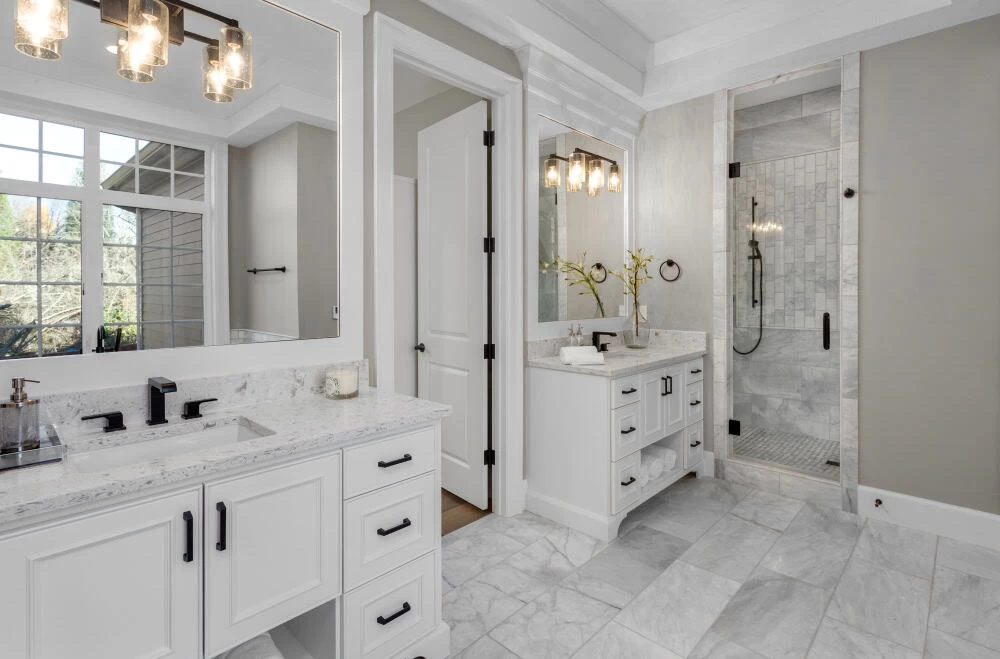
Old Walls, South Shore Humidity, and a Bathroom That's Overdue
Most North Great River homes were built when bathrooms were functional, not comfortable. We do full bathroom renovations in Suffolk Countyincluding everything hiding behind those mid-century walls.
I needed a professional consultation explanation of procedure for safe removal of Asbestos in my apartment complex. Without having an account yet, I was very impressed with the caring, knowledgeable and generous advice offered by Jessica, and will look forward to doing business in the future. Thank you so much! I feel much more informed about a sometimes scary endeavor. Peace. Nancy Silva Mineola, NY.
Mia Munoz
Used this company to clean up some water flood in my house. They were fast and easy to work with.very professional, Would recommend to anyone!
Nini Valle
Great company, had a flood and they responded quickly and efficiently. Billed my insurance company directly. I highly recommend this company!
joe colapietro, jr
I had pipe freeze in my basement right before a snow storm and they made to within an hour to help start the clean up process. They we by our side throughout the entire process and even helped with the insurance company. They did such a great job with the cleanup, repair, remidiation, I contracted them to perform the repairs and finishes in the basement. They came with enough manpower and material to get the job done. Leo and Jessica were nothing but a pleasure to deal with!!
Cristian Arredondo c
I had some water damage in my home and Green Island was able to take care of my issue quickly and effectively. I am very pleased with the work they did. They responded quickly and were very professional.
Michael M
Outstanding service! From the office to the field crew everyone was friendly, helpful and responsive. I highly recommend Green Island Group.
What Changes When the Bathroom Finally Gets Done Right
You stop tolerating it. The grout that never looks clean, the vanity with no storage, the fan that does nothinggone. What you get instead is a bathroom that actually works for your daily routine, built to last in an environment that’s harder on finishes than most people realize.
North Great River sits right next to the Connetquot River watershed. The USGS monitors water levels at a station specifically near this hamlet. That proximity, combined with Great South Bay humidity pushing in from the south, means your bathroom is under constant moisture pressure. Grout degrades faster here. Caulk fails sooner. Subflooring takes on water quietly for years before you notice. A renovation done right accounts for all of thatwaterproofing membranes, cement board substrates, proper ventilationnot just new tile over old problems.
Then there’s the financial side. North Great River’s median home sale price hit $700,000 in late 2024, up nearly 18% in a single year. That’s real equity, and a dated bathroom chips away at it every time a buyer walks through. The 2025 Cost vs. Value Report puts bathroom remodel cost recoupment at 80% nationallyand Long Island’s competitive market often performs better. This isn’t a splurge. It’s a smart move for a home you’ve invested in.
Based in Bohemia. Built for This Part of Long Island.
We’re headquartered in Bohemiasame town, same building department, same South Shore conditions you’re dealing with in North Great River. This isn’t a company driving in from Nassau County to figure out your neighborhood. The Town of Islip’s permit process, the age of the housing stock along Connetquot Avenue, the moisture patterns that come with living next to a river preservethis is familiar ground.
Over 5,000 completed restoration and remodeling projects across New York State. We hold active licenses for asbestos abatement, lead abatement, and mold remediationon top of full bathroom renovation work. That combination matters enormously in North Great River, where the majority of homes were built between 1940 and 1969. When demolition turns up something unexpected, the project doesn’t stop. It keeps moving.
Available 24/7, every day of the year. And when the work is tied to a water damage event or insurance claim, we bill your insurer directly.
It starts with a walkthrough. Before anything is quoted or scheduled, someone comes out to assess what you’re actually working withlayout, plumbing configuration, electrical, ventilation, and the condition of what’s behind the existing surfaces. In a home built in the 1950s or 1960s, that last part matters. You need to know what’s there before demolition starts, not after.
From there, we handle permitting through the Town of Islip Building Division. A full bathroom renovation involving plumbing relocation, electrical upgrades, or ventilation changes requires multiple permit applicationsbuilding, plumbing, and electricalfiled simultaneously to avoid delays. That process gets managed for you. You don’t have to coordinate with the building department or worry about what gets filed in what order.
Once permits are in, the work moves in sequence: demolition, hazmat remediation if needed, rough plumbing and electrical, waterproofing, tile, fixtures, vanity, and final inspection. One crew. One point of contact. When it’s done, everything is code-compliant and documentedso there are no surprises at closing, and no issues if you ever sell.
Everything the Job NeedsIncluding What Others Can't Handle
A full bathroom renovation with us covers the complete scope: demolition, subfloor repair, waterproofing, plumbing, electrical, tile installation, vanity and fixture installation, lighting, ventilation, and final trim work. Every phase handled in-house. Nothing subcontracted out and left for you to track down.
What separates us from a standard remodeling contractor is what happens when something unexpected shows up. In North Great River’s older housing stock, that’s not a rare scenarioit’s a common one. Asbestos floor tile was standard in homes built through the late 1960s. Lead-based paint shows up on trim and window sills regularly. Mold behind cement board is a known risk in bathrooms with years of inadequate ventilation, especially in a South Shore environment with this much ambient moisture. We hold active licenses for all of itasbestos abatement, lead abatement, mold remediationand handle remediation in-house without stopping the project or bringing in a separate crew.
For bathrooms connected to a water damage event, we handle restoration and renovation under one contract. If it involves an insurance claim, we work directly with your insurer. No gaps, no handoffs, no project sitting idle while paperwork catches up.
Do I need a permit for a bathroom remodel in North Great River, NY?
It depends on the scope of work. If you’re doing purely cosmetic updatesswapping out a vanity, replacing tile surfaces, repaintingno permit is required in the Town of Islip. But the moment you touch plumbing, electrical, or ventilation in any meaningful way, permits are required. That means moving a drain, adding a circuit, upgrading to a proper exhaust fan, or relocating supply lines all trigger the permit process.
For a full gut renovation in North Great River, you’re typically looking at a building permit, a separate plumbing permit, and electrical work that needs to be inspected by a qualified inspector approved in the Town of Islipnot just any licensed electrician. These applications need to be filed simultaneously to avoid processing delays, and Suffolk County Board of Health approval is required before a Certificate of Occupancy can be issued. We manage this entire process on your behalf. You don’t have to navigate the Town of Islip Building Division on your own or risk a code violation showing up when you go to sell.
What happens if asbestos or mold is found during my bathroom renovation?
This is one of the most important questions to ask before you hire anyone. In a home built before 1980which describes the majority of North Great River’s housing stockasbestos tile, asbestos-containing adhesive, and lead-based paint are genuinely common findings during demolition. Mold behind tile walls is also a frequent discovery in South Shore bathrooms where ventilation has been inadequate and humidity levels run high year-round.
Most remodeling contractors are not licensed to handle any of those materials. When they find them, they stop work. You’re then responsible for finding a licensed remediation company, scheduling them separately, and restarting the project from scratchoften weeks later. We hold active licenses for asbestos abatement, lead abatement, and mold remediation. If something turns up during demolition, the same team addresses it under the same contract, and the project keeps moving. That’s not a minor conveniencein an older North Great River home, it can be the difference between a six-week renovation and a four-month ordeal.
How much does a full bathroom remodel cost in the Town of Islip area?
A midrange full bathroom renovation in the Long Island market typically runs between $35,000 and $50,000, and sometimes higher depending on the scope, materials, and what gets discovered during demolition. That’s meaningfully above the national average of around $26,000, which reflects Long Island’s labor costs, material pricing, and permitting requirements.
What drives cost up here specifically: older homes often need subfloor repair or replacement, plumbing that hasn’t been touched since the 1960s frequently needs to be brought up to current code, and ventilation systems in mid-century construction are almost always inadequate. If hazardous materials are present, remediation adds to the totalbut it’s a necessary cost, not an optional one. The better framing is return on investment. With North Great River home values at $700,000 and rising, an updated bathroom protects your equity and strengthens your position if you ever list. The 2025 Cost vs. Value Report shows 80% cost recoupment nationally on midrange bathroom remodelsand in a competitive Long Island market, that number holds up well.
How long does a bathroom renovation typically take from start to finish?
For a full gut renovation, a realistic timeline is four to six weeks from the start of demolition to final inspectionassuming permits are in place before work begins and no major surprises come up during demo. Permitting through the Town of Islip can add two to four weeks to the front end of the project, which is why filing early and filing correctly matters. We handle that step before the first wall comes down.
Where timelines get extended: hazardous material discoveries that weren’t anticipated, subfloor damage that requires more extensive repair than expected, or material lead times on custom tile or specialty fixtures. Being upfront about those possibilities at the start is part of how we run projects. You get a realistic schedule, not an optimistic one designed to get you to sign. If you’re in a home with one bathroomwhich is common in North Great River’s ranch and split-level stockthe timeline conversation is especially important, and it happens before the contract is signed.
My bathroom has a moisture problem. Should I fix that before remodeling, or is it part of the renovation?
It’s part of the renovationand it should be addressed before any finish work goes in, not patched over. Moisture problems in North Great River bathrooms are often more extensive than they appear on the surface. The South Shore’s ambient humidity, combined with proximity to the Connetquot River watershed, creates conditions where moisture works into grout lines, behind tile, and into subflooring over years without any single dramatic event. By the time you notice discoloration or a soft spot underfoot, the damage behind the wall is usually already significant.
The right approach is to open everything up during demolition, assess the full extent of the moisture damage, remediate any mold that’s present, replace compromised subfloor material, and then install proper waterproofing before the new tile goes in. That sequenceremediation first, then renovationis how you avoid rebuilding the same problem in five years. We handle both sides of that process in-house, which means the assessment is honest and the remediation is done by the same team that’s finishing the bathroom. There’s no incentive to minimize what we find.
How do I know which bathroom remodeling contractor to trust in North Great River?
Start with licenses. In New York, a home improvement contractor needs to be licensed in the county where the work is performed. For North Great River, that’s Suffolk County. Ask for the license number and verify it. If the scope involves plumbing or electrical, those trades need to be licensed separately. If there’s any chance of asbestos, lead, or moldwhich there is in virtually any pre-1980 home in this hamletask specifically whether the contractor holds abatement and remediation licenses, and ask what happens if those materials are found. If the answer is “we’d have to stop and bring someone else in,” that’s a real project risk you’re accepting.
Beyond licensing, ask how they handle permits. A contractor who tells you permits aren’t necessary for a full gut renovation, or who suggests pulling them in your name to avoid complications, is a red flag. The Town of Islip requires permits for plumbing, electrical, and structural workfull stop. Finally, ask for references from projects in the Town of Islip specifically. North Great River’s housing stock has characteristics that not every contractor is familiar with. A company that has worked extensively in this part of Suffolk County will give you a different level of confidence than one figuring it out on your project.