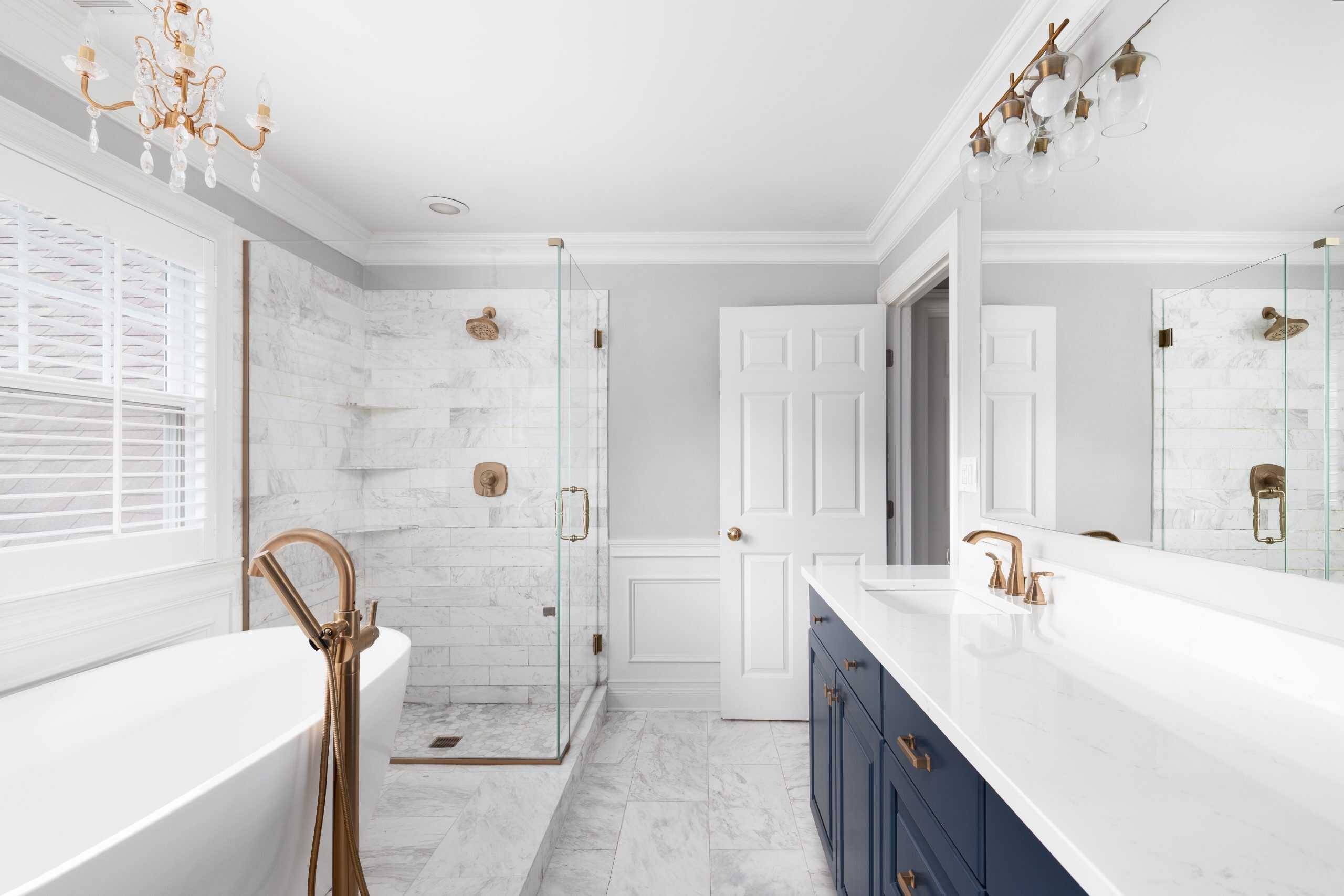
If your bathroom hasn’t kept up with the rest of your Prince Street loft, we handle the full renovation permits, plumbing, tile, and everything in between. Green Island Group manages every phase in-house, so you’re not juggling multiple contractors or waiting for someone to show up.
I needed a professional consultation explanation of procedure for safe removal of Asbestos in my apartment complex. Without having an account yet, I was very impressed with the caring, knowledgeable and generous advice offered by Jessica, and will look forward to doing business in the future. Thank you so much! I feel much more informed about a sometimes scary endeavor. Peace. Nancy Silva Mineola, NY.
Mia Munoz
Used this company to clean up some water flood in my house. They were fast and easy to work with.very professional, Would recommend to anyone!
Nini Valle
Great company, had a flood and they responded quickly and efficiently. Billed my insurance company directly. I highly recommend this company!
joe colapietro, jr
I had pipe freeze in my basement right before a snow storm and they made to within an hour to help start the clean up process. They we by our side throughout the entire process and even helped with the insurance company. They did such a great job with the cleanup, repair, remidiation, I contracted them to perform the repairs and finishes in the basement. They came with enough manpower and material to get the job done. Leo and Jessica were nothing but a pleasure to deal with!!
Cristian Arredondo c
I had some water damage in my home and Green Island was able to take care of my issue quickly and effectively. I am very pleased with the work they did. They responded quickly and were very professional.
Michael M
Outstanding service! From the office to the field crew everyone was friendly, helpful and responsive. I highly recommend Green Island Group.
What a Finished Bathroom Actually Means in Prince's Cast-Iron Buildings
Living in a SoHo or NoLita loft along Prince Street comes with a specific set of renovation realities that most contractors aren’t prepared for. The buildings in this neighborhood were built as commercial manufacturing spaces in the 1800s and while they’ve been converted into some of the most coveted homes in New York City, their plumbing systems were never designed with residential bathrooms in mind. When you renovate here, you’re not just picking tile. You’re working inside a building with century-old infrastructure, a co-op or condo board with its own approval process, and in many cases, a Landmarks Preservation Commission designation that adds another layer before a single tool touches your wall.
What that means practically is that the contractor you hire needs to understand this environment before they walk through your door not learn it on your dime. A bathroom renovation in a cast-iron loft building on or near Prince Street often uncovers aging galvanized piping that needs to be replaced back to the main riser, original plaster that has to be handled carefully, and occasionally materials from mid-century retrofits that require proper remediation. None of that has to derail your project if your contractor is built for it.
When it’s done right, the outcome is a bathroom that actually fits the scale of your space not a standard apartment refresh dropped into a 3,000-square-foot loft. It’s a room that holds its value in one of Manhattan’s most competitive resale markets, where buyers in NoLita are paying a median of $2,680 per square foot and noticing every detail.
We Know What's Behind These Walls on Prince Street
Green Island Group is a full-service renovation and restoration company serving Manhattan and the greater New York area, with deep expertise in the cast-iron loft buildings that define Prince Street and SoHo. Bathroom remodeling is one of our core services and we handle every phase of it in-house, from demolition through plumbing, electrical, waterproofing, tile, and final cleanup. No subcontractor shuffle. No finger-pointing when something goes sideways.
We’ve worked in the kinds of buildings that line the SoHo–Cast Iron Historic District the ones where the address is beautiful and the infrastructure behind the walls is a different story. We know how to file with the NYC Department of Buildings, how to coordinate with the Landmarks Preservation Commission when it applies, and how to prepare the documentation your co-op or condo board actually needs before they’ll sign off on an alteration agreement. That process doesn’t surprise us. It’s just part of how renovations work in this neighborhood.
We’re also a licensed environmental remediation company. So when demolition reveals mold, asbestos, or water damage and in the older buildings around Prince Street, it happens we handle it without stopping your project and sending you to find someone else.
It starts with a consultation where we look at your space, understand what you want to accomplish, and give you an honest read on what the project involves. In a SoHo or NoLita building, that means asking the right questions upfront what type of building is it, is there a board approval process, are there wet-over-dry restrictions that limit where the bathroom can go or how it can be reconfigured? Getting those answers early keeps the project from stalling out later.
From there, we move into design and documentation. If your building requires an alteration agreement and most co-ops and condos in this area do we prepare the drawings, insurance certificates, and project scope documentation your board and building management need to approve the work. We coordinate with a registered architect for the DOB filing and handle the LPC submission sequencing if your building falls within the landmark district. This pre-construction phase typically runs a few months, and we walk you through every step so you’re not left wondering what’s happening.
Once approvals are in place, we manage elevator scheduling, materials delivery, noise window compliance, and common area protection the logistics that matter in a dense building where your neighbors are close and building management is paying attention. When the work is done, you do a walkthrough with us. If something isn’t right, we fix it before we leave.
A bathroom renovation in a Prince Street loft isn’t a one-trade job. It involves demolition, plumbing reconfiguration, electrical updates, waterproofing, tile installation, fixture placement, and finish work and in this neighborhood, it also involves a regulatory process that has to be managed alongside the physical construction. We cover all of it. You’re not hiring a tile contractor and then separately sourcing a plumber and then waiting for an electrician to get scheduled. It’s one team, one timeline, one point of contact.
The waterproofing piece is worth calling out specifically, because in a loft building where the unit below yours is someone else’s home, a bathroom leak isn’t just an inconvenience it’s a liability. We install multi-layer waterproofing systems on every bathroom we renovate: liquid-applied membrane on walls and floors, a Kerdi-style membrane in shower areas, and proper pan liner installation. It’s built to meet NYC code and to hold up under real use.
On the design side, we work with the scale that SoHo lofts actually have. Floor-to-ceiling stone tile, walk-in steam showers, freestanding soaking tubs, radiant heated floors, custom millwork if that’s the direction you want to go, we can execute it. If you’re working with a more defined budget and want to maximize what you get for it, we’ll tell you where to spend and where you don’t need to. Either way, you get a bathroom that fits the building it’s in.
Do I need LPC approval for a bathroom renovation in Prince Street or SoHo?
It depends on the scope of the work and your specific building, but if your building falls within the SoHo–Cast Iron Historic District which covers most of the residential loft buildings in the Prince Street area and throughout SoHo any renovation that requires a DOB permit may also trigger an LPC review. This applies even to interior work in some cases, particularly if the project touches the building’s envelope or affects elements the LPC considers significant.
The good news is that many interior-only bathroom renovations qualify for an expedited landmark review process, which moves faster than a full LPC application. The key is sequencing it correctly LPC approvals for any exterior-facing elements need to be in place before or alongside your DOB submission, not after. Getting that order wrong is one of the most common reasons renovation timelines stall in this neighborhood. We handle both filings and make sure they move in the right order.
How much does a bathroom remodel cost in a Prince Street or NoLita loft?
For a standard luxury bathroom renovation in SoHo, NoLita, or along Prince Street, you’re typically looking at $25,000 to $45,000. A master suite spa renovation think floor-to-ceiling stone, steam shower, freestanding tub, radiant floors runs $50,000 to $80,000 or more. Those numbers are higher than the national average, and there are real reasons for that.
Labor costs in Manhattan are premium. The buildings themselves often require more prep work than a standard renovation aging plumbing that needs to be replaced back to the main riser, original plaster that has to come out carefully, materials that may need remediation. The permit and board approval process adds soft costs that don’t exist in a suburban gut renovation. And the material standards in this market are higher because the buyers are more discerning. A quote that comes in significantly below those ranges is worth scrutinizing carefully the number usually gets corrected once the contractor is inside the walls.
How long does a bathroom renovation take in a Manhattan co-op or condo?
The construction itself for a bathroom-specific renovation typically runs one to three months once work begins. But in a SoHo or NoLita co-op or condo, the pre-construction phase is often longer than the build itself. Design, board approval, and DOB or LPC permitting can take three to five months before a tool enters your apartment. That’s not unusual, and it’s not something a good contractor can shortcut it’s the process.
What you can control is how prepared your documentation is when it goes to the board. An alteration agreement submission that’s missing architect-stamped drawings, the right insurance certificates, or a complete project scope gets kicked back, and that adds weeks. We prepare all of that documentation upfront so the board has everything they need the first time. It doesn’t eliminate the timeline, but it keeps it from getting longer than it needs to be.
What is a wet-over-dry restriction, and does it affect my renovation in Prince, NY?
A wet-over-dry restriction is a rule enforced by many Manhattan co-op and condo boards that prohibits placing a bathroom a wet area directly above a neighbor’s bedroom or living space without proper engineering in place. The concern is water damage liability. If your bathroom leaks and the unit below you is a dry living space, the damage can be significant and the liability falls on you.
In SoHo’s open-plan lofts along Prince Street, where layouts are flexible and the floor plates are large, this restriction can limit where a bathroom can be relocated or expanded. It doesn’t necessarily prevent you from doing what you want it just means the design has to account for it from the start. We look at this during the consultation phase, before any drawings are produced, so your design isn’t built around a layout that the board will reject. If there’s a wet-over-dry issue, we find the engineering solution or we find a layout that works around it.
How do I find a bathroom renovation contractor who can handle co-op board approval in SoHo?
The short answer is: ask them directly whether they’ve done it before and what the process looked like. A contractor who has navigated a Manhattan co-op alteration agreement knows what documentation the board needs, what insurance certificate format building management typically requires, and how to prepare a project scope that answers the questions boards most commonly push back on. A contractor who hasn’t done it before will learn that process on your project and the delays that come with that learning curve will be your delays.
Specifically, you want a contractor who can provide a certificate of insurance naming your building corporation as an additional insured, who works with a registered architect for DOB filings, and who understands the LPC review sequence if your building is in the landmark district. Those aren’t extras in SoHo they’re prerequisites. We have that process built into how we operate, not something we figure out after you sign a contract.
What happens if demolition uncovers mold or asbestos in my Prince Street loft bathroom?
In the cast-iron loft buildings along Prince Street and throughout SoHo many of which were built between the 1850s and 1890s and converted to residential use starting in the 1970s finding something unexpected behind the walls during demolition is genuinely common. Aging galvanized piping, deteriorating plaster, and materials from mid-century retrofits that may contain asbestos are all documented realities of renovating in this building stock. It’s not a worst-case scenario. It’s something experienced contractors in this neighborhood plan for.
Most contractors handle this by stopping work and telling you to find a remediation specialist which means your project goes on hold while you source someone, schedule them, and wait. We’re also a licensed environmental remediation company, which means we can assess and address mold, asbestos, and water damage in-house. The project doesn’t stop. The remediation gets documented properly, handled to code, and the renovation continues on the same timeline. For a Prince Street loft renovation, that capability isn’t a bonus it’s the difference between a project that finishes on schedule and one that doesn’t.