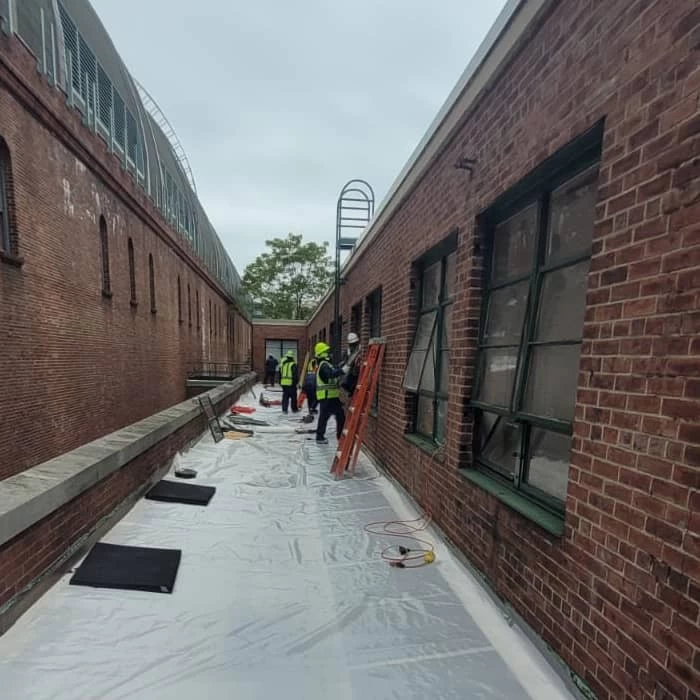
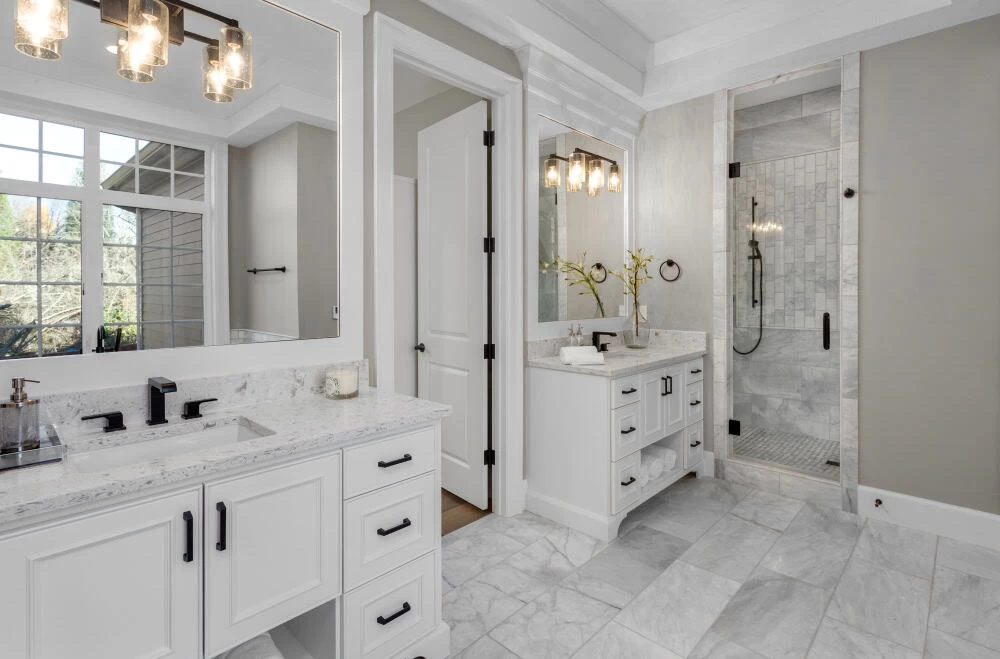
When your bathroom is ready for a real renovation not a patch job we bring the full picture: demo, hazmat handling, permits, and finished results built for life on Moriches Bay.
I needed a professional consultation explanation of procedure for safe removal of Asbestos in my apartment complex. Without having an account yet, I was very impressed with the caring, knowledgeable and generous advice offered by Jessica, and will look forward to doing business in the future. Thank you so much! I feel much more informed about a sometimes scary endeavor. Peace. Nancy Silva Mineola, NY.
Mia Munoz
Used this company to clean up some water flood in my house. They were fast and easy to work with.very professional, Would recommend to anyone!
Nini Valle
Great company, had a flood and they responded quickly and efficiently. Billed my insurance company directly. I highly recommend this company!
joe colapietro, jr
I had pipe freeze in my basement right before a snow storm and they made to within an hour to help start the clean up process. They we by our side throughout the entire process and even helped with the insurance company. They did such a great job with the cleanup, repair, remidiation, I contracted them to perform the repairs and finishes in the basement. They came with enough manpower and material to get the job done. Leo and Jessica were nothing but a pleasure to deal with!!
Cristian Arredondo c
I had some water damage in my home and Green Island was able to take care of my issue quickly and effectively. I am very pleased with the work they did. They responded quickly and were very professional.
Michael M
Outstanding service! From the office to the field crew everyone was friendly, helpful and responsive. I highly recommend Green Island Group.
Living near Moriches Bay in Remsenburg is one of the better decisions a person can make. But it does things to a home that inland properties never deal with. Salt air gets into grout lines. Bay humidity sits behind tile walls for years before anyone notices. Fixtures that looked fine two summers ago are already showing corrosion. A bathroom renovation here isn’t just about aesthetics it’s about building something that can handle the environment it’s in.
That’s why material selection matters more in Remsenburg than most places. Moisture-resistant substrates, proper waterproofing membranes, corrosion-resistant fixtures these aren’t upgrades, they’re the baseline for a bathroom that actually lasts on the South Shore. When we renovate a bathroom here, the decisions made behind the walls are just as deliberate as the ones you’ll see every morning.
And for homeowners managing this from the city catching the Speonk LIRR on weekends, not on-site during the week the value of a contractor who handles everything without needing you present is hard to overstate. One call, one team, one finished bathroom. That’s the outcome.
Licensed for What Remsenburg Bathrooms Actually Require
We’re a Suffolk County-based contractor with over 5,000 completed restoration and remodeling projects across New York State. That number matters because experience at scale means fewer surprises accurate estimates, realistic timelines, and a team that’s seen what older homes on South Country Road and throughout Remsenburg can hide behind a wall.
The licenses matter too. Asbestos abatement, lead-based paint removal (LBP-F122209-1), mold remediation, Nassau County Home Improvement Contractor (#166281), NYC DCA (#2025058-DCA) in a community where some homes date back to the 1700s and mid-century construction is common, these aren’t credentials to gloss over. They’re what keep your project moving when demolition turns up something unexpected, instead of shutting it down.
We’re available 24/7, year-round. Not a marketing line a real operational fact that matters when you’re coordinating a renovation on a seasonal property from a distance.
It starts with a thorough walkthrough of your bathroom existing plumbing layout, wall and floor conditions, ventilation, any visible signs of moisture damage or aging materials. For homes in Remsenburg, especially anything built before 1980, that initial assessment also flags potential hazardous materials before demolition begins. Catching that early is what keeps the project on schedule.
Once the scope is confirmed, we handle the Town of Southampton permit process application, scheduling, inspections, final sign-off. You don’t fill out a single form. For out-of-town homeowners managing this remotely, that matters. Southampton Town’s Building and Zoning Division requires permits for any bathroom work touching plumbing, electrical, or structural elements, and navigating that process takes local knowledge and follow-through.
From there, it’s demolition, hazmat handling if needed, rough-in work, waterproofing, tile, fixtures, vanity, lighting, and final inspection. Every phase under one contract, one timeline, one point of contact. When the job is done, it’s done inspected, documented, and built to last in a coastal environment that will test it every season.
Built for Coastal Homes, Not Cookie-Cutter Renovations
A bathroom renovation in Remsenburg covers more ground than most homeowners expect going in. Demolition and debris removal, hazardous material testing and abatement when present, plumbing reconfiguration, electrical updates, waterproofing membrane installation, tile work, vanity and fixture installation, exhaust ventilation, lighting, and final inspection all of it handled in-house. We don’t stop the job to bring in a separate abatement crew. We don’t subcontract out the parts that get complicated.
For waterfront and near-waterfront properties along Moriches Bay and Seatuck Cove, the waterproofing phase gets extra attention. These homes face sustained humidity and occasional flooding risk that demands more than standard caulk and tile adhesive. The materials we specify for these environments are selected with that in mind.
If your bathroom project is connected to storm damage or a flood insurance claim, we can document the damage correctly, work within your claim, and bill your carrier directly bridging the gap between restoration and the renovation you actually want. For Remsenburg homeowners who’ve been through a South Shore storm event, that continuity between restoration and remodel is something most contractors simply can’t offer.
Do I need a permit for a bathroom remodel in Remsenburg, NY?
Yes and the specifics depend on what the project involves. The Town of Southampton requires a building permit for any bathroom renovation that touches plumbing, electrical systems, or structural elements. That includes moving drain lines, adding circuits, installing a new exhaust fan with exterior venting, or removing a wall. Even work that feels cosmetic can trigger permit requirements if it involves the systems behind the walls.
The permit is issued through Southampton Town’s Building and Zoning Division, and the process includes a final inspection before the work is considered complete and code-compliant. For homeowners who aren’t local full-time which describes a significant portion of Remsenburg’s population managing that process from a distance adds a real layer of complexity. We handle the permit application, scheduling, and inspection coordination from start to finish. You don’t have to track it, follow up on it, or be present for it.
How much does a bathroom remodel typically cost in Remsenburg?
The honest range is wide, because the scope varies significantly. A midrange bathroom renovation on Long Island updated tile, new vanity, fixture replacement, fresh plumbing and electrical typically runs in the $25,000 to $40,000 range, though Hamptons-area labor costs and material expectations push that higher than national averages. Full gut renovations with high-end finishes, custom tile work, freestanding tubs, and walk-in showers can reach $70,000 to $100,000 or more depending on the size of the space and what’s found behind the walls.
In Remsenburg specifically, older homes add a variable that’s hard to ignore. If demolition uncovers asbestos floor tile, lead paint, or significant moisture damage all of which are common in pre-1980 construction on the South Shore remediation adds to the cost. The advantage of working with a contractor licensed for hazmat abatement is that those discoveries don’t stop the project or require a second contractor. We handle them in-house and factor them into a revised scope without starting over.
What happens if mold or asbestos is found during bathroom demolition?
It’s more common than most homeowners expect, especially in Remsenburg’s older housing stock. Nine-inch vinyl floor tiles installed before 1978 are frequently asbestos-containing. Pipe insulation in older homes often is too. And moisture behind bathroom tile particularly in bay-adjacent homes where humidity stays elevated year-round creates the conditions for mold growth that can go undetected for years.
When we open up a wall or floor and find something that needs to be addressed, the project doesn’t stop. Because asbestos abatement, lead-based paint removal, and mold remediation are all handled in-house under active licenses, we pivot, address it, and keep moving. The alternative stopping work, bringing in a separate abatement contractor, waiting for clearance, then restarting is exactly the kind of delay and cost overrun that makes renovation stressful. Having one team that can handle all of it under one contract is what keeps Remsenburg projects on track.
Can you handle a bathroom renovation if my Remsenburg home was storm or flood damaged?
Yes, and this is actually one of the more common starting points for a Remsenburg bathroom renovation. Bay-adjacent properties along Moriches Bay sit in recognized flood zones, and South Shore storm events including significant flooding that’s affected Long Island in recent years can push water into bathrooms through floor drains, base walls, and subfloor systems. Seasonal homes left unoccupied over winter are also vulnerable to burst pipes, which can go undiscovered until spring.
We have a background in disaster restoration as much as remodeling. That means we know how to assess storm or water damage correctly, document it in a way that supports an insurance claim, and work directly with your carrier including billing them directly when applicable. From there, the transition from restoration to full renovation is seamless. You don’t need one contractor to fix the damage and another to renovate. The whole project moves under one roof, one contract, and one timeline.
How long does a full bathroom renovation take in Remsenburg?
For a full gut renovation demo through final inspection a realistic timeline in Remsenburg is four to eight weeks, depending on the scope of work, material lead times, and whether anything unexpected comes up during demolition. Permit processing through Southampton Town adds time to the front end, which is why starting that process early matters. We submit permit applications at the beginning of the project, not after work has started, so inspections don’t become a bottleneck at the end.
For Remsenburg homeowners with seasonal timing in mind wanting the bathroom done before Memorial Day weekend, or before closing up the property in the fall that timeline needs to be planned backward from the deadline. The spring window, roughly February through April, is when most Remsenburg homeowners lock in their contractors for summer-ready renovations. If you’re targeting a specific occupancy date, the earlier you start the conversation, the more realistic it is to hit it.
Is Green Island Group familiar with working on historic or older homes in Remsenburg?
Remsenburg has some of the oldest residential housing stock on Long Island homes along South Country Road and Basket Neck Lane that date back to the early 1700s, alongside mid-century cottages and more recent construction. Each era of building comes with its own set of conditions: original cast iron drain lines, galvanized steel supply pipes, outdated electrical configurations, inadequate ventilation, and legacy materials that require careful handling before any renovation work can proceed.
We’ve completed over 5,000 projects across New York State, and a meaningful share of that work has been in older Long Island homes where the surprises are built into the walls. The approach here isn’t to treat every bathroom like a clean-slate suburban renovation it’s to assess what’s actually there, plan for what might be there, and build a scope that accounts for the realities of the structure. For a community where historic character is part of what makes the homes worth renovating in the first place, that kind of experience is what keeps a project from going sideways halfway through demo.