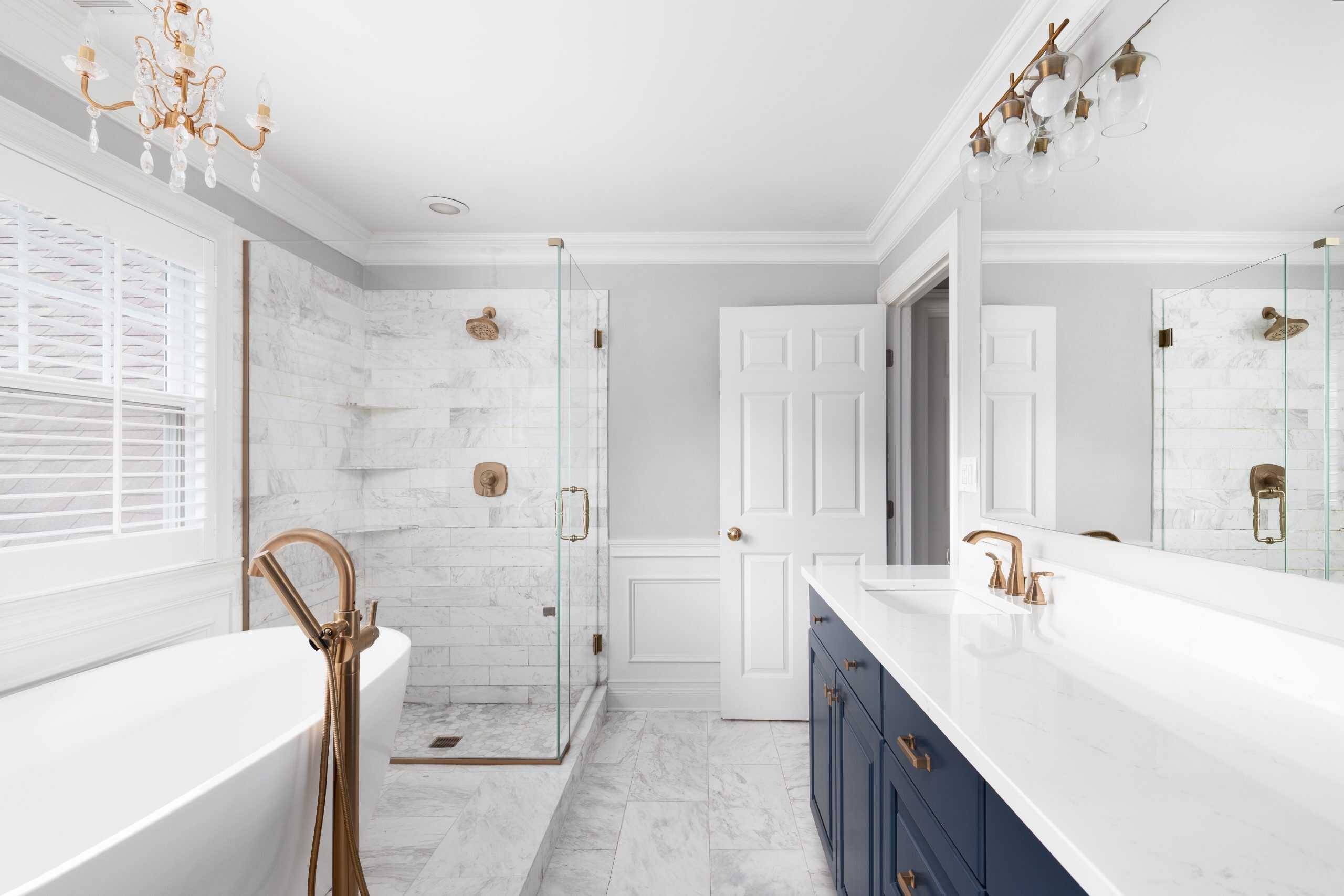
Bathroom remodeling on Roosevelt Island means navigating RIOC permits, building alteration agreements, and NYC DOB filings before a single tile gets touched. We handle all of it.
I needed a professional consultation explanation of procedure for safe removal of Asbestos in my apartment complex. Without having an account yet, I was very impressed with the caring, knowledgeable and generous advice offered by Jessica, and will look forward to doing business in the future. Thank you so much! I feel much more informed about a sometimes scary endeavor. Peace. Nancy Silva Mineola, NY.
Mia Munoz
Used this company to clean up some water flood in my house. They were fast and easy to work with.very professional, Would recommend to anyone!
Nini Valle
Great company, had a flood and they responded quickly and efficiently. Billed my insurance company directly. I highly recommend this company!
joe colapietro, jr
I had pipe freeze in my basement right before a snow storm and they made to within an hour to help start the clean up process. They we by our side throughout the entire process and even helped with the insurance company. They did such a great job with the cleanup, repair, remidiation, I contracted them to perform the repairs and finishes in the basement. They came with enough manpower and material to get the job done. Leo and Jessica were nothing but a pleasure to deal with!!
Cristian Arredondo c
I had some water damage in my home and Green Island was able to take care of my issue quickly and effectively. I am very pleased with the work they did. They responded quickly and were very professional.
Michael M
Outstanding service! From the office to the field crew everyone was friendly, helpful and responsive. I highly recommend Green Island Group.
A Bathroom That Finally Works for Your Life on Roosevelt Island
Most Roosevelt Island residents have been living with the same bathroom for years sometimes decades. Whether you’re in one of the original 1970s Island House or Rivercross units, a Riverwalk condo, or a Westview co-op you recently purchased after the 2021 conversion, the bathroom you inherited probably wasn’t designed with your life in mind. The layout is tight, the fixtures are dated, and the waterproofing if there ever was any has long since stopped doing its job.
What you get on the other side of a well-executed remodel isn’t just a prettier bathroom. It’s a space that actually functions: storage that makes sense, a shower that feels like it belongs in a building worth what you paid for it, and materials selected to hold up against the humidity that comes with living surrounded by the East River on both sides. That waterfront exposure is real it accelerates grout deterioration, promotes moisture behind poorly sealed tile, and breaks down caulk faster than in any inland Manhattan neighborhood.
A bathroom remodel on Roosevelt Island also protects your investment. With median real estate prices on the island sitting around $1.54 million placing it in the top 3.2% of all U.S. neighborhoods by value a renovated bathroom isn’t just a lifestyle upgrade. It’s one of the highest-ROI improvements you can make before a sale or refinance, in a market where buyers have high expectations and the comps reflect it.
One Contractor Who Knows Roosevelt Island's Paperwork Cold
We’re a full-service remodeling and restoration contractor serving New York City, including Roosevelt Island. What makes the difference here specifically isn’t just the quality of our work it’s the fact that we’ve dealt with the regulatory environment that makes Roosevelt Island unlike any other neighborhood in the city. RIOC Construction Work Permits, NYC Department of Buildings filings, co-op and condo alteration agreement documentation, building-specific insurance certificates we handle all of it in-house, so you’re not left figuring out a two-layer permit process on your own.
We also carry a background in environmental remediation asbestos abatement, mold remediation, water damage restoration that no standard bathroom remodeler can offer. In a building stock that includes 1970s Mitchell-Lama towers and East River-adjacent construction, that background matters. When demo reveals something unexpected behind the walls, we address it without stopping the project or calling in a separate specialist.
From Permit Stack to Final Walkthrough Here's the Sequence
It starts before anyone picks up a tool. For a Roosevelt Island bathroom remodel, the first step is documentation: your building’s alteration agreement requirements, the RIOC Construction Work Permit application, and the NYC DOB filing if your project involves plumbing relocation, electrical changes, or structural modifications. We prepare all of it insurance certificates tailored to your specific building’s requirements, architectural plans, contractor credentials, and a project timeline that respects your building’s construction hours. Most residents are surprised to learn that DOB permit approval alone can take two to six months in NYC. We start that clock early.
Once permits are in place, we coordinate delivery logistics before demo begins. Getting materials to Roosevelt Island through the Queens-side road ramp, across restricted island roads, and into your building requires advance coordination with RIOC and your building management. We handle that planning so it doesn’t become your problem on demo day.
From there, the project runs as a single managed process: demolition, waterproofing, plumbing, electrical, tile, and fixture installation, all under one contractor. You have one point of contact throughout. If something unexpected comes up behind the walls and in a building that’s been standing since the 1970s, it often does we deal with it directly. No stopping to call in someone new, no delays while you track down a subcontractor. The project keeps moving.
A bathroom remodel with us covers the full scope demolition, waterproofing, plumbing, electrical, tile work, and fixture installation managed under one roof from start to finish. There are no independent subcontractors to chase down, no handoff gaps between trades, and no moment where the project stalls because one vendor is waiting on another. For Roosevelt Island residents who understand what it means to coordinate work in a building with restricted vehicle access, shared hallways, and a building management team that needs advance notice for everything, that single-contractor structure isn’t a marketing point. It’s a practical necessity.
The waterproofing component deserves specific attention here. Living between two channels of the East River creates ambient humidity conditions that are meaningfully different from inland Manhattan. We select waterproofing systems and materials built for that environment not just what looks good in a showroom, but what will still be performing years from now in an East River-facing unit. For older buildings like Rivercross or Island House, where original waterproofing was minimal at best, this is where the long-term value of the project is actually built.
Our remediation background adds a layer of protection that standard remodelers can’t offer. If demo reveals mold, moisture damage, or materials that need careful handling, we’re certified and equipped to address it in-house keeping your project on schedule and your building management informed throughout.
Do I need a RIOC permit on top of a NYC DOB permit for my Roosevelt Island bathroom remodel?
Yes and this is the detail that catches most contractors off guard the first time they try to work on Roosevelt Island. The island is the only neighborhood in Manhattan where construction work requires two separate permit tracks: a New York City Department of Buildings permit for any work involving plumbing relocation, electrical changes, or structural modifications, and a separate RIOC Construction Work Permit issued by the Roosevelt Island Operating Corporation for any contractor work that isn’t initiated by RIOC itself.
The RIOC permit process requires a completed application partial submissions are not reviewed and adds time to your pre-construction timeline that you need to plan for. Combined with NYC DOB permit approval timelines that commonly run two to six months, the documentation phase of a Roosevelt Island bathroom remodel is longer than most residents expect. Working with a contractor who already knows this process, has the application materials ready, and starts both tracks simultaneously is the difference between a project that launches on schedule and one that sits in paperwork for months.
How does my building's alteration agreement affect the bathroom remodel process?
Your building’s alteration agreement is essentially the rulebook your contractor has to follow before work begins and every building on Roosevelt Island has its own version of it. Whether you’re in a Riverwalk condo, a Westview co-op unit, or one of the island’s older rental-converted buildings, your building management or co-op board will require a package of documentation before approving any renovation: insurance certificates that meet your building’s specific minimums, a project scope description, architectural plans if required, contractor credentials, and a construction timeline that stays within your building’s permitted work hours.
The insurance certificate piece is where a lot of contractors fall short. Buildings on Roosevelt Island particularly those housing institutional staff from Weill Cornell or Memorial Sloan Kettering often have specific insurance requirements that go beyond a generic certificate. We prepare building-specific insurance documentation as part of the pre-construction process, so your alteration agreement submission is complete the first time and doesn’t come back with missing items that delay your start date.
How much does a bathroom remodel typically cost in Roosevelt Island, NY?
Bathroom remodel costs in New York City run roughly 30 to 50 percent above the national average, and Roosevelt Island adds logistical factors on top of that material delivery coordination, the dual-permit process, and the time investment required to navigate building management approval. A basic cosmetic refresh in a compact apartment bathroom new fixtures, updated tile, fresh vanity typically starts in the $15,000 to $25,000 range. A mid-range remodel involving layout changes, plumbing relocation, and upgraded materials runs $25,000 to $45,000. A full gut renovation with premium finishes, custom tile work, and high-end fixtures can reach $50,000 or more depending on scope and unit size.
What’s worth understanding is the return side of that investment. With median real estate values on Roosevelt Island at approximately $1.54 million, a well-executed bathroom remodel is one of the few renovations that directly moves the needle on resale value and buyer perception in this market. Buyers at this price point have specific expectations, and a bathroom that was last updated in 1978 is going to cost you at negotiation often more than the remodel would have.
What happens if demo reveals mold or water damage behind my bathroom walls?
It’s more common than most people expect, especially in Roosevelt Island’s older building stock. The 1970s Mitchell-Lama buildings Island House, Rivercross, and Westview were constructed with waterproofing standards that don’t hold up by today’s measures, and decades of East River humidity, freeze-thaw cycles, and aging grout have created conditions where moisture behind bathroom walls is a real possibility, not a remote one. In buildings that face the water or have aging building envelopes, it’s something to plan for rather than be surprised by.
We carry environmental remediation certifications including mold remediation and water damage restoration that standard bathroom remodelers don’t have. If demo opens up a wall and reveals a moisture problem or anything that requires careful handling, we address it in-house without stopping the project. You won’t be told to find a separate specialist, and you won’t be waiting on a third party to clear the site before work can resume. We document everything, keep your building management informed, and keep the project moving.
How long will a bathroom remodel take in my Roosevelt Island apartment?
The honest answer is that the timeline has two distinct phases, and the first one is entirely about paperwork. For a Roosevelt Island bathroom remodel, the pre-construction phase covering RIOC Construction Work Permit application, NYC DOB permit filing if required, and building alteration agreement approval can take anywhere from six weeks to six months depending on the scope of work and how quickly each approval track moves. This is not unique to us; it’s the reality of working in a jurisdiction with a dual-permit requirement and a co-op or condo board approval layer on top.
Once permits are in hand and building management has signed off, the physical construction phase for a standard bathroom remodel typically runs two to four weeks for a straightforward scope. More complex projects full gut renovations, plumbing relocation, or remediation work can run longer. The key is starting the permit process early and not treating it as something to handle after you’ve already committed to a start date. We initiate both permit tracks as soon as the project scope is finalized so that by the time you’re ready to start, the approvals are already in motion.
Is spring actually the best time to schedule a bathroom remodel on Roosevelt Island?
Spring roughly March through May is when renovation demand across New York City peaks, and Roosevelt Island follows that pattern. Residents who spent winter planning their projects are ready to move, and contractor schedules fill up faster in spring than at any other point in the year. If you’re planning a remodel and want a specific start date, getting into the permit process and booking your contractor in late winter gives you the most flexibility.
There’s also a Roosevelt Island–specific seasonal pattern worth knowing. Faculty and staff affiliated with Cornell Tech tend to initiate renovation projects during the summer months May through August when academic schedules create space for the disruption. That window sees its own demand spike on the island. For Westview co-op shareholders specifically, the wave of owner-initiated renovations that began after the 2021 conversion is still active, which means the island’s renovation pipeline is consistently full regardless of season. The practical advice: if you know you want to remodel this year, start the conversation now. The permit timeline alone makes early planning the single most impactful thing you can do to control when your project actually begins.