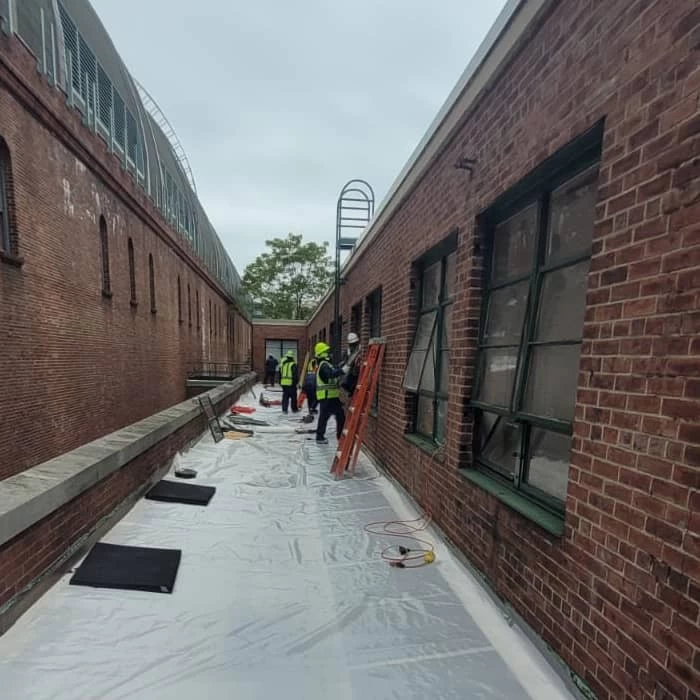
I needed a professional consultation explanation of procedure for safe removal of Asbestos in my apartment complex. Without having an account yet, I was very impressed with the caring, knowledgeable and generous advice offered by Jessica, and will look forward to doing business in the future. Thank you so much! I feel much more informed about a sometimes scary endeavor. Peace. Nancy Silva Mineola, NY.
Mia Munoz
Used this company to clean up some water flood in my house. They were fast and easy to work with.very professional, Would recommend to anyone!
Nini Valle
Great company, had a flood and they responded quickly and efficiently. Billed my insurance company directly. I highly recommend this company!
joe colapietro, jr
I had pipe freeze in my basement right before a snow storm and they made to within an hour to help start the clean up process. They we by our side throughout the entire process and even helped with the insurance company. They did such a great job with the cleanup, repair, remidiation, I contracted them to perform the repairs and finishes in the basement. They came with enough manpower and material to get the job done. Leo and Jessica were nothing but a pleasure to deal with!!
Cristian Arredondo c
I had some water damage in my home and Green Island was able to take care of my issue quickly and effectively. I am very pleased with the work they did. They responded quickly and were very professional.
Michael M
Outstanding service! From the office to the field crew everyone was friendly, helpful and responsive. I highly recommend Green Island Group.
What Changes When the Bathroom Finally Works for You
Most South Floral Park homeowners aren’t remodeling because they want a showroom. They’re remodeling because something stopped working — a cracked floor, a tub nobody uses, a bathroom that was designed for a different era. When the renovation is done right, what you get back is a space that actually fits your life.
South Floral Park’s housing stock is one of the oldest in western Nassau County. Homes built between the 1920s and 1950s often have original plumbing that’s been slowly failing for years — galvanized pipes, inadequate drainage, and subfloors that have absorbed decades of moisture. A bathroom renovation done properly here isn’t just cosmetic. It’s the opportunity to fix what’s been quietly getting worse behind the walls before it becomes a much bigger problem.
And because South Floral Park has a median home value over $600,000, what you put into a renovation comes back to you. A properly permitted, fully inspected bathroom remodel adds real, appraiser-recognized value — not just aesthetic appeal. Whether you’re planning to stay for another 20 years or thinking about resale down the road, doing it right the first time is what protects that investment.
We Know What's Inside These Walls Before We Open Them
We work throughout Nassau County, including South Floral Park and the surrounding communities of Floral Park, Franklin Square, Elmont, and New Hyde Park. We’ve been inside enough pre-war homes in this part of Long Island to know what to expect — and more importantly, how to handle it when something unexpected shows up.
South Floral Park is the smallest incorporated village in New York State by area. That means your neighbors are close, the community is tight-knit, and how a contractor behaves on your property gets noticed. We take that seriously. We show up when we say we will, we keep the work area contained, and we communicate with you throughout the project — not just at the beginning and the end.
Every project we take on in South Floral Park is fully permitted through the village’s Building Inspector — not just Nassau County or the Town of Hempstead. That distinction matters, and we know how to navigate it.
Bathroom Renovation Process for Nassau County Homes
From First Call to Final Walkthrough — No Surprises
It starts with a consultation where we walk the space with you. We’re looking at the layout, the existing plumbing and electrical, the ventilation, and the condition of the subfloor. In a South Floral Park home built 70 or more years ago, that assessment is where we catch the issues that would otherwise surface mid-project and throw off your timeline and budget. You get a detailed, itemized proposal before anything starts. What’s quoted is what you pay — unless we find something unexpected inside the walls, and if we do, we tell you before we proceed.
Once the scope is confirmed, we file for the required building permit through the Village of South Floral Park’s Building Inspector. This step is non-negotiable for any work involving plumbing, electrical, or structural changes — and skipping it creates real problems if you ever sell the home. We handle the filing, the scheduling, and the inspections so you don’t have to manage any of it.
From there, demolition and rough work happen first — plumbing, electrical, waterproofing, backer board. Inspections happen before anything gets covered. Then tile, fixtures, vanity, and finish work follow in sequence. Most bathroom renovations in this area run two to three weeks from start to final walkthrough, depending on scope. You’ll know the schedule before we start, and you’ll hear from us if anything changes.
Bathroom Remodel Services in South Floral Park, NY
Full-Scope Remodeling Built for Older Nassau County Homes
Bathroom remodeling in South Floral Park covers more ground than it does in newer construction. Because most homes here were built before modern plumbing and electrical standards existed, a renovation typically involves upgrading what’s behind the walls — not just what’s visible. That means replacing galvanized or outdated supply lines, updating electrical to meet current code, installing proper waterproofing membranes, and improving ventilation that may not have existed in the original build.
On the finish side, we handle complete tile work, tub-to-shower conversions, walk-in shower installations, vanity and fixture replacement, lighting, and custom glass enclosures. If you’re thinking about aging-in-place features — zero-threshold showers, grab bars integrated into the tile design, comfort-height fixtures — we build those in from the start rather than retrofitting them later. These are increasingly common requests in South Floral Park, where many families have lived in the same home for decades and want it to work for every generation under that roof.
Nassau County’s humid summers and cold winters put real stress on older bathrooms. Poor ventilation leads to mold behind walls. Freeze-thaw cycles crack grout and stress aging pipes. Every renovation we complete includes moisture-resistant materials and properly sized exhaust ventilation — not as an upgrade, but as a baseline standard. That’s what it takes to build a bathroom that holds up in this climate long-term.
Do I need a permit to remodel my bathroom in South Floral Park, NY?
Yes — and in South Floral Park specifically, that permit comes from the village’s own Building Inspector, not Nassau County or the Town of Hempstead. South Floral Park is a fully incorporated village, which means it has its own permitting authority separate from the surrounding municipal structure. Any bathroom renovation that involves plumbing changes, electrical work, or structural modifications requires a building permit filed and approved before work begins.
This matters more than most homeowners realize. If you sell your home and a buyer’s attorney or inspector discovers unpermitted work, it can delay or derail the sale entirely. In South Floral Park, where median home values sit above $600,000, that’s a risk not worth taking. We handle the permit application, coordinate the required inspections, and make sure your project closes out with a proper certificate of compliance — so the work is documented, legal, and fully protected.
How much does a bathroom remodel typically cost in Nassau County?
In Nassau County, a mid-range bathroom remodel — new tile, updated plumbing fixtures, vanity, lighting, and proper waterproofing — typically runs between $15,000 and $30,000. A more comprehensive renovation that includes plumbing reconfiguration, a tub-to-shower conversion, custom tile work, and glass enclosures can run $30,000 to $50,000 or more depending on materials and scope.
In South Floral Park specifically, older homes often add cost that newer construction doesn’t. When you open walls in a home built in the 1930s or 1940s, you may find galvanized pipes that need full replacement, subfloor damage from years of slow moisture, or electrical that has to be brought up to current code before the renovation can proceed. These aren’t surprises we spring on you at the end — they’re discoveries we communicate about immediately, with a clear explanation of what it costs to address them and why it matters. Getting a detailed, itemized proposal upfront is the best way to understand your full cost before committing to a contractor.
How long does a bathroom renovation take from start to finish?
For most bathroom renovations in South Floral Park, you’re looking at two to three weeks of active work once permits are approved and materials are on-site. A straightforward refresh — tile replacement, new vanity, updated fixtures — can move faster. A full gut renovation that includes plumbing reconfiguration, new electrical, and custom tile work will take longer, particularly when required inspections are factored into the timeline.
Permit approval timing through the Village of South Floral Park can add a week or two before physical work begins, depending on the Building Inspector’s current schedule. That’s not something to rush or skip around — inspections at the rough plumbing and electrical stages are required before walls get closed, and those inspections protect you as the homeowner. We build the permit and inspection timeline into the project schedule from the beginning so you know exactly when work starts and when you can realistically expect your bathroom back.
What's actually involved in a tub-to-shower conversion in an older home?
A tub-to-shower conversion in a South Floral Park home built in the 1920s through 1950s involves more than pulling out the tub and tiling the space. The original drain location typically needs to be moved or modified to work with a shower layout, which means opening the subfloor and reconfiguring the drain line. In older homes, that subfloor work often reveals moisture damage or deteriorated framing that needs to be addressed before anything else moves forward.
Once the plumbing is roughed in and inspected, a proper waterproofing membrane goes over the backer board before any tile is installed — this is the layer that actually keeps water out of your walls long-term. From there, tile selection, the shower pan or base, and the glass enclosure are all part of the finish sequence. The result is a shower that’s built correctly from the drain up, not just tiled over an existing space. In Nassau County’s humid climate, that waterproofing layer is what separates a renovation that lasts 20 years from one that starts showing mold problems in five.
How do I know if my contractor is properly licensed to work in South Floral Park?
New York State requires home improvement contractors to be licensed, and Nassau County has its own Home Improvement Contractor license requirement on top of that. Before hiring anyone for a bathroom renovation in South Floral Park, you should ask for their Nassau County HIC license number and verify it through the Nassau County Office of Consumer Affairs. You should also ask for a current certificate of liability insurance and workers’ compensation coverage — both are required to pull permits in the village.
Beyond licensing, ask specifically whether the contractor has pulled permits in South Floral Park before. Because the village has its own Building Inspector and permit process separate from the Town of Hempstead, contractors who only work in unincorporated areas of Nassau County may not be familiar with the village-level process. A contractor who says “we handle all the permits” should be able to tell you exactly who they’re filing with and what the inspection sequence looks like. If they can’t answer that clearly, it’s worth asking more questions before you sign anything.
Can a bathroom remodel in South Floral Park include aging-in-place features without looking clinical?
Absolutely — and this is one of the more common conversations we have with South Floral Park homeowners. A lot of families in this village have lived in the same home for a long time, and the goal is to make the bathroom work safely for everyone in the household without it looking like a hospital room. The good news is that modern aging-in-place design has come a long way from grab bars bolted into tile after the fact.
When these features are planned from the start of the renovation, they integrate naturally into the design. A zero-threshold shower entry looks intentional and clean — it’s also easier to clean and more functional for everyone, not just older residents. Grab bars can be tiled into the wall or matched to your fixture finish so they read as part of the design. Comfort-height toilets are now standard in most modern bathrooms anyway. The key is building these elements in during the rough phase, not retrofitting them into a finished bathroom later. That’s when they look right, perform correctly, and add real long-term value to a home you plan to stay in.