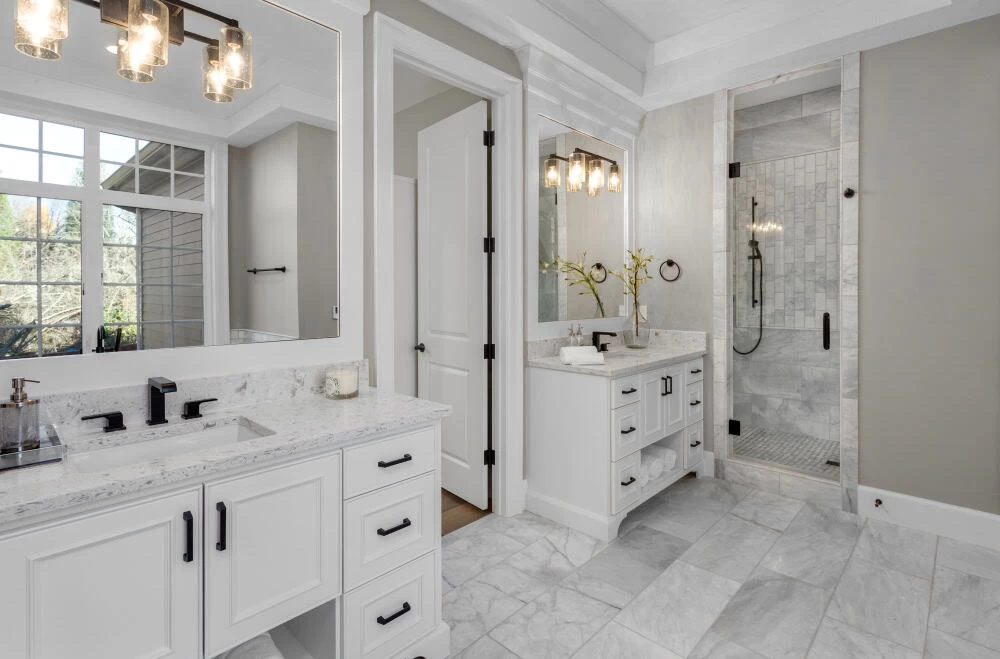
When the Walls Open Up in a Hamptons Home, You Need More Than a Remodeler
Green Island Group handles full bathroom renovations in Southampton and when demolition uncovers mold, asbestos, or lead, we handle that too, without stopping your project.
I needed a professional consultation explanation of procedure for safe removal of Asbestos in my apartment complex. Without having an account yet, I was very impressed with the caring, knowledgeable and generous advice offered by Jessica, and will look forward to doing business in the future. Thank you so much! I feel much more informed about a sometimes scary endeavor. Peace. Nancy Silva Mineola, NY.
Mia Munoz
Used this company to clean up some water flood in my house. They were fast and easy to work with.very professional, Would recommend to anyone!
Nini Valle
Great company, had a flood and they responded quickly and efficiently. Billed my insurance company directly. I highly recommend this company!
joe colapietro, jr
I had pipe freeze in my basement right before a snow storm and they made to within an hour to help start the clean up process. They we by our side throughout the entire process and even helped with the insurance company. They did such a great job with the cleanup, repair, remidiation, I contracted them to perform the repairs and finishes in the basement. They came with enough manpower and material to get the job done. Leo and Jessica were nothing but a pleasure to deal with!!
Cristian Arredondo c
I had some water damage in my home and Green Island was able to take care of my issue quickly and effectively. I am very pleased with the work they did. They responded quickly and were very professional.
Michael M
Outstanding service! From the office to the field crew everyone was friendly, helpful and responsive. I highly recommend Green Island Group.
A Bathroom Built for the Life You Actually Live Here
Southampton isn’t a typical Long Island town, and your bathroom renovation shouldn’t be treated like one. Whether you’re in a year-round home off County Road 39, a seasonal property near Shinnecock Bay, or an estate in Water Mill, the conditions here are genuinely different. Salt air gets into everything. Humidity lingers. Homes that sit closed from September through May collect moisture in ways that show up fast when you open the door in April and bathrooms are usually the first place it shows.
A renovation done right in Southampton means more than new tile and a fresh vanity. It means waterproofed shower surrounds built to handle coastal humidity, ventilation that actually moves air, and materials chosen because they hold up in a salt-air environment not because they looked good in a showroom catalog. When you’re done, your bathroom should work better, last longer, and not give you problems six months after the crew leaves.
For seasonal homeowners especially, the goal is simple: you want to arrive in May and walk into a bathroom that’s exactly what you agreed to no surprises, no callbacks, no drama. That’s what a properly executed renovation delivers, and that’s the standard every Green Island Group project is held to.
Licensed for What Other Contractors Walk Away From
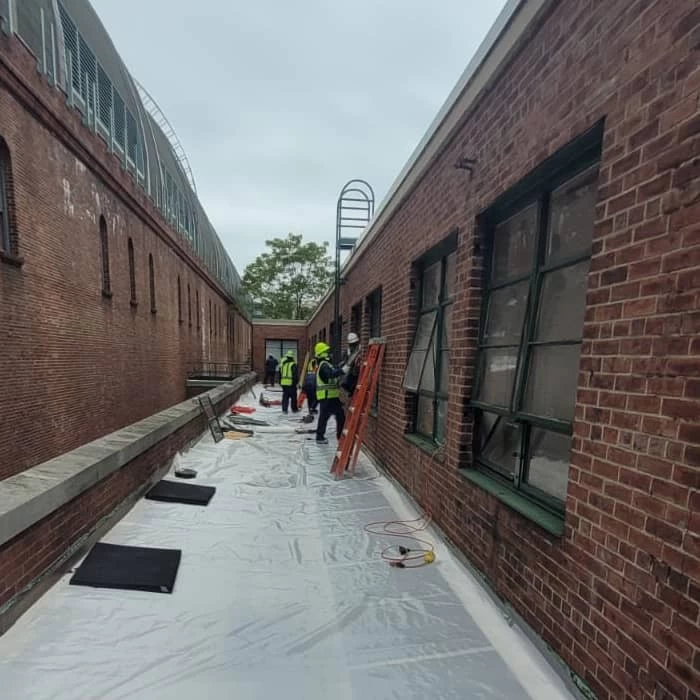
Most bathroom remodeling contractors in the Southampton area are capable of doing the work right up until they find something unexpected behind the wall. Mold, asbestos floor tile, lead-based paint on the trim. At that point, the job stops, the homeowner starts making calls, and the pre-season deadline starts slipping.
We don’t have that problem. We hold EPA-compliant asbestos abatement credentials, a state-issued Lead-Based Paint abatement license (LBP-F122209-1), and mold remediation licensing under New York State Article 32. When something turns up mid-project and in Southampton’s older homes, it often does we handle it in-house, under the same contract, and keep the project moving.
We’re based in Suffolk County and have completed more than 5,000 restoration and remodeling projects across New York State. We know Long Island’s housing stock, we know the South Fork’s seasonal rhythms, and we know exactly what it means when a Southampton homeowner says they need it done before Memorial Day.
It starts with a walkthrough and an honest conversation. We look at the space, talk through what you want, and give you a detailed estimate that breaks down labor, materials, and timeline. No vague ranges. No bait-and-switch once demolition starts. If your home was built before 1980 common in Southampton Village and the year-round hamlets like Hampton Bays and Flanders we factor in the realistic possibility of hazardous materials and tell you upfront how we handle it if something turns up.
Once the scope is agreed on, we handle permitting. The Town of Southampton Building Department and, for village properties, the Village of Southampton Building Department both require permits for any work touching plumbing, electrical, or structural systems. We know the process, we submit the applications, and we schedule the inspections you don’t have to manage any of that.
Demolition comes next, followed by rough-in work, waterproofing, tile, fixtures, and finish work, in a sequence that’s planned from day one. If you’re a seasonal homeowner managing this remotely, we send progress updates so you always know where things stand. When the final inspection is passed and the last detail is complete, we walk you through the finished space before we consider the job done.
What's Actually Included When We Renovate Your Bathroom
A full bathroom renovation with Green Island Group covers everything from demolition through final inspection. That includes full gut demo, moisture barrier installation, cement board substrate (not standard drywall because standard drywall fails in coastal humidity), tile work, plumbing rough-in and finish, electrical updates including GFCI protection to current code, vanity and fixture installation, and ventilation. Every project is permitted and inspected. That matters for your homeowner’s insurance and it matters at resale, when a buyer’s attorney pulls permits and expects to find clean records.
For Southampton properties in FEMA-designated flood zones and there are a significant number of them along the Atlantic beachfront and around Shinnecock Bay we’re familiar with the additional requirements that apply to substantial improvements in those areas. If your project triggers flood zone considerations, we flag it early so it doesn’t become a problem mid-construction.
We also handle the environmental side when it comes up. Under New York State Article 32, any mold remediation of 10 square feet or more requires a licensed mold remediator not just a contractor with a Shop-Vac. We’re licensed. Same goes for asbestos and lead. If your Southampton home has any of it, we’re equipped to deal with it without derailing your project or your timeline.
Do I need a permit for a bathroom remodel in Southampton, NY?
Yes, in almost every case where real work is being done. If your renovation involves moving or modifying plumbing, updating electrical, changing ventilation, or making any structural changes, you need a permit and that applies whether you’re in the Village of Southampton or in one of the town’s unincorporated hamlets like Hampton Bays, Bridgehampton, or Water Mill. The Village of Southampton has its own Building Department that issues permits separately from the Town of Southampton Building Department, so which one you’re dealing with depends on your exact address.
Cosmetic-only work swapping out a faucet within the same rough-in location, repainting, replacing a mirror typically doesn’t require a permit. But anything that touches the plumbing supply or drain lines, adds a new circuit, or modifies the layout does. Unpermitted work creates real problems at resale and may not be covered by your homeowner’s insurance if something goes wrong. We handle the permit applications and inspections as part of the project, so this doesn’t fall on you to figure out.
What happens if mold is found during my bathroom renovation?
This comes up more often than most homeowners expect, especially in Southampton homes that sit seasonally vacant. A bathroom that’s been closed up from October through April with no ventilation running, no heat cycling, and coastal humidity doing its thing can accumulate significant moisture behind walls and under floors. When demo starts and the wall opens up, mold is a real possibility in Southampton’s salt-air environment.
Under New York State Article 32, any mold remediation project involving 10 square feet or more requires a licensed NYS Mold Remediator to do the work a general contractor without that license cannot legally handle it. Most remodeling contractors at that point have to stop work, clear the site, and bring in a separate firm. We’re licensed under Article 32. We handle it in-house, under the same contract, and keep the project on schedule. For Southampton homeowners with a Memorial Day deadline, that distinction is the difference between opening your home on time and pushing everything back by weeks.
How much does a bathroom remodel cost in Southampton, NY?
Nationally, a midrange bathroom remodel averages around $26,000 in 2025. In Southampton, that number climbs considerably. Labor costs on the East End of Long Island are among the highest in the state. Material delivery to the South Fork adds cost. Permit fees, inspections, and the regulatory complexity of the Southampton market add more. A realistic midrange bathroom renovation in Southampton full demo, new tile, updated plumbing and electrical, new fixtures and vanity typically runs in the $40,000 to $70,000 range. High-end renovations on estate properties frequently exceed that.
The variables that move the number most are scope (how much of the bathroom is changing), material selections (tile, fixtures, and hardware have enormous price ranges), and what’s found during demolition. Hazardous materials asbestos tile, lead paint, mold add cost if they’re present, but knowing that upfront is far better than discovering it mid-project with no plan. We give you a detailed, itemized estimate before any work starts so you know exactly what you’re agreeing to.
How long does a bathroom remodel take from start to finish?
A straightforward full bathroom renovation demo through final inspection typically runs three to five weeks once work begins. The variables that stretch that timeline are permit processing time, material lead times (especially for custom tile or specialty fixtures), and anything unexpected found during demolition. In Southampton, permit processing through the Village or Town Building Department can add time depending on the current volume of applications, so building that into the schedule from the start matters.
For seasonal homeowners targeting a pre-Memorial Day completion, the planning conversation needs to happen in January or February at the latest. That gives enough runway to finalize scope, order materials, pull permits, and execute the work without compressing the schedule at the end. We’ve run enough projects on the South Fork to know how the spring rush works and we plan accordingly so your bathroom is ready when you need it to be, not a week after.
Can a contractor handle asbestos found during a bathroom renovation in New York?
Not just any contractor. In New York State, asbestos abatement requires specific EPA-compliant licensing and credentials. A general remodeling contractor who encounters asbestos during demolition floor tile is the most common source in pre-1980 homes, but pipe insulation and ceiling materials are also possibilities is not legally permitted to disturb or remove it without proper licensing. The work has to stop until a licensed abatement contractor comes in.
In Southampton’s older housing stock, particularly in year-round neighborhoods like Hampton Bays, Flanders, and the historic sections of Southampton Village, pre-1980 construction is common. Vinyl composition floor tiles installed before 1980 have a high likelihood of containing asbestos. We hold EPA-compliant asbestos abatement credentials. When we find it during a bathroom renovation, we handle it in-house no subcontracting, no project stoppage, no separate mobilization fees from a third-party firm. The project keeps moving, and the abatement is documented properly so there’s a clear record for your files and any future sale.
Is it worth remodeling a bathroom in a Southampton seasonal home before selling?
In most cases, yes and the Southampton market makes the math more compelling than most places. Bathroom remodels nationally return around 70 to 80 percent of their cost at resale. In a market where homes regularly sell in the millions and buyers have high expectations for finish quality, a dated or deteriorating bathroom is a negotiating point that works against you. Buyers in the Hamptons market are not looking for projects they’re looking for properties that are ready to use.
Beyond resale value, there’s a practical consideration specific to seasonal properties: a bathroom that hasn’t been updated in years has often accumulated the kind of wear that a coastal environment accelerates corroded fixtures, failing grout, moisture damage behind the tile. Addressing that before listing removes a potential inspection issue and positions the property at its best. If the renovation also resolves any existing water damage or mold, the documentation of that remediation can actually be a selling point proof that the problem was handled properly by licensed professionals.