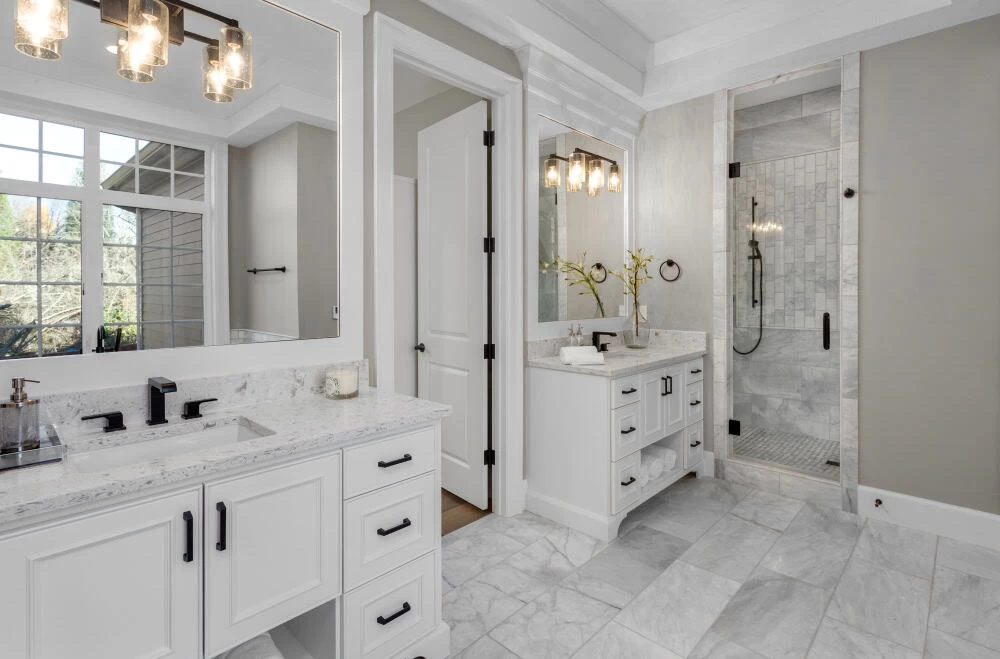
Old Homes, Coastal Conditions, One Contractor Who Handles Both
Most bathrooms in Speonk have a story behind the walls and not always a good one. We handle the full renovation, from what you can see to what you can’t.
I needed a professional consultation explanation of procedure for safe removal of Asbestos in my apartment complex. Without having an account yet, I was very impressed with the caring, knowledgeable and generous advice offered by Jessica, and will look forward to doing business in the future. Thank you so much! I feel much more informed about a sometimes scary endeavor. Peace. Nancy Silva Mineola, NY.
Mia Munoz
Used this company to clean up some water flood in my house. They were fast and easy to work with.very professional, Would recommend to anyone!
Nini Valle
Great company, had a flood and they responded quickly and efficiently. Billed my insurance company directly. I highly recommend this company!
joe colapietro, jr
I had pipe freeze in my basement right before a snow storm and they made to within an hour to help start the clean up process. They we by our side throughout the entire process and even helped with the insurance company. They did such a great job with the cleanup, repair, remidiation, I contracted them to perform the repairs and finishes in the basement. They came with enough manpower and material to get the job done. Leo and Jessica were nothing but a pleasure to deal with!!
Cristian Arredondo c
I had some water damage in my home and Green Island was able to take care of my issue quickly and effectively. I am very pleased with the work they did. They responded quickly and were very professional.
Michael M
Outstanding service! From the office to the field crew everyone was friendly, helpful and responsive. I highly recommend Green Island Group.
Speonk isn’t an inland town. You’ve got Moriches Bay to the south, salt air year-round, and a housing stock that was largely built before 1980. That combination does real damage to bathrooms over time grout that fails faster than it should, fixtures corroding ahead of schedule, and moisture working its way behind tile long before you ever notice it. A bathroom remodel done right here isn’t just about looks. It’s about building something that holds up in the environment you actually live in.
If your home was built in the 1950s, 60s, or 70s and most in Speonk were there’s a good chance your bathroom has never seen a real renovation. Not a patch job after a nor’easter. Not a re-grout and a new vanity. A full gut and rebuild with materials selected for coastal conditions, waterproofing done properly, and everything permitted through Southampton Town the right way. That’s what changes the equation on longevity, resale value, and just the daily experience of using the space.
The other thing most contractors don’t talk about upfront is what’s behind the walls. Asbestos tile, lead paint, galvanized plumbing that’s well past its service life these are common discoveries in Speonk homes of that era. When a contractor without the right credentials opens that wall, the job stops. When we do it, the job continues.
We are a Suffolk County contractor with over 5,000 completed restoration and remodeling projects across New York State. We’re based in Bohemia, we work throughout Long Island’s south shore, and we know what renovation work looks like in Speonk and other coastal communities the older homes, the flood zone considerations near Moriches Bay, the Southampton Town permit process, and the material challenges that come with building close to the water.
What separates us from most bathroom remodel companies isn’t just the project count. It’s the credentials. We hold state-certified asbestos abatement licensing, an EPA Lead-Based Paint abatement license, and home improvement contractor licenses in both Nassau County and New York City. That means when demolition turns up something unexpected and in a pre-1980 Speonk home, it often does we don’t stop the job. We handle it, under the same contract, without bringing in a third party.
We’re available 24 hours a day, 365 days a year. That matters in a community where a January nor’easter or a burst pipe doesn’t wait for business hours.
No Surprises Here's What the Process Actually Looks Like
It starts with a walkthrough. We come to your home, look at the space, and have a real conversation about what you want, what the bathroom actually needs, and what we’re likely to find once demolition starts. In a Speonk home built before 1980, that last part matters. We’ll flag the realistic possibilities asbestos tile under the floor, lead paint on the trim, plumbing that may need replacing before you’re committed to anything, not after.
From there, we handle the permit application with Southampton Town’s Building Department. If your property sits in a FEMA flood zone near the Speonk River or the bay, there are additional requirements that affect how renovation work gets documented and approved. We know that process. You don’t have to figure it out.
Once permits are in hand, we move into demolition, abatement if needed, and rough work plumbing, electrical, waterproofing substrate. Coastal bathrooms need a higher standard of waterproofing than what’s typical inland, and we build to that standard on every job. Tile, fixtures, vanity, and finishes come last. Final inspection is scheduled and handled by our team. When we’re done, the project is closed out properly not left open with outstanding permits that show up when you go to sell.
What's Actually Included in a Speonk Bathroom Renovation
A bathroom renovation with us covers the full scope not just the visible finish work. That means demolition, hazardous material testing and abatement where required, plumbing and electrical rough-in, waterproof membrane installation, tile work, fixture and vanity installation, and final trim and finishing. Every phase is handled by our team under one contract. You’re not coordinating a plumber, a tile installer, and a separate abatement crew. One point of contact, start to finish.
For homes near Moriches Bay or along the Spoenk River where flood zone designations apply, we factor FEMA requirements into the project from the beginning. That includes understanding the substantial improvement threshold if your renovation value approaches 50% of your home’s assessed value, full flood zone compliance requirements kick in, and that affects how the project is scoped and permitted. Most contractors don’t bring this up until it’s already a problem. We address it in the initial walkthrough.
If your bathroom renovation is connected to an insurance claim storm damage, a burst pipe, water infiltration we have direct experience working with insurance carriers and can assist with that process. Several of our clients have noted that we billed their insurance company directly, which removed a significant burden from their end. Whether you’re updating a bathroom that’s simply outlived itself or rebuilding after damage, the process is the same: thorough, permitted, and built to last in a coastal Suffolk County environment.
Do I need a permit for a bathroom remodel in Southampton Town?
In most cases, yes. Southampton Town requires a building permit for any bathroom renovation that involves changes to plumbing, electrical, or structural elements. That includes relocating a toilet or drain, adding a circuit for a new lighting fixture or exhaust fan, or modifying any load-bearing component. A purely cosmetic update swapping a vanity top or replacing a mirror typically doesn’t require a permit, but the moment you’re touching supply lines, drain connections, or wiring, you’re in permit territory.
For properties in FEMA-designated flood zones, which are common in the lower-lying areas of Speonk near the Speonk River and Moriches Bay, there’s an additional layer. Southampton Town requires that renovation work in these areas be documented in a way that accounts for flood zone compliance, and if the total renovation value exceeds 50% of your home’s assessed value, full flood zone upgrade requirements apply. This isn’t something to figure out mid-project. We handle the permit application and coordinate with the Town’s Building Department from the start so there are no surprises when inspection time comes.
What does a bathroom remodel typically cost in the Speonk area?
A midrange bathroom remodel in Suffolk County’s south shore communities which includes Speonk and the broader Southampton Town area generally runs between $35,000 and $55,000 for a full gut renovation. That range reflects current material and labor costs on Long Island, which run 30 to 50 percent above national averages. An upscale renovation with high-end tile, a custom vanity, a frameless glass enclosure, and full fixture replacement can exceed $100,000 depending on scope and finishes.
What tends to push costs higher in Speonk specifically is the age of the housing stock. Pre-1980 homes frequently require asbestos abatement, lead paint mitigation, or galvanized pipe replacement during demolition none of which is visible until the walls come down. A contractor who gives you a quote without accounting for these possibilities is giving you a number that will change. We walk through the realistic discovery scenarios upfront and build them into our estimate so you’re not blindsided three weeks into the job. The 2025 Cost vs. Value Report puts the national ROI on a midrange bathroom remodel at around 80 percent and in an appreciating market like Southampton Town, that return tends to be stronger.
My Speonk home was built in the 1960s what might be found during demolition?
This is one of the most important questions to ask before any bathroom renovation in Speonk, and most homeowners don’t think to ask it until they’re already in the middle of a project. Homes built between the late 1940s and 1978 have a high probability of containing at least one hazardous material. Asbestos was commonly used in floor tiles, ceiling tiles, pipe insulation, and joint compound through the mid-1970s. Lead-based paint was standard on all interior surfaces until it was banned in 1978. And galvanized steel plumbing, which was the norm in that era, has a service life of roughly 40 to 70 years meaning pipes in a 1960s Speonk home are at or past the point of replacement.
New York State requires an asbestos survey before demolition begins on any pre-1980 structure. If asbestos-containing materials are found, a licensed abatement contractor must remove them before renovation work continues. We hold state-certified asbestos abatement credentials and an EPA Lead-Based Paint abatement license, which means we can handle these discoveries in-house without stopping the project to bring in a third party. For a Speonk homeowner, that’s not a minor convenience it’s the difference between a three-week renovation and a three-month ordeal.
How does coastal humidity and salt air affect a bathroom renovation near Moriches Bay?
It affects both material selection and waterproofing standards in ways that matter a lot over the long run. Salt air is corrosive to metal fixtures, faucet components, and exposed pipe connections. Hardware that holds up for 15 to 20 years in an inland home can show significant corrosion in 8 to 10 years in a coastal hamlet like Speonk. That’s not a hypothetical it’s a pattern we see consistently in south shore communities. When we specify fixtures and hardware for a Speonk bathroom, we’re selecting for coastal durability, not just aesthetics.
The waterproofing standard is the other major factor. Elevated year-round humidity accelerates grout failure and allows moisture to work behind tile in ways that don’t happen in drier environments. A bathroom that was tiled over a standard drywall substrate which was common practice for decades will eventually fail in this climate. The correct approach for a coastal bathroom is a cement board substrate with a continuous waterproof membrane system, properly sealed penetrations, and adequate ventilation to manage humidity. We build to that standard on every job in this area. A bathroom that looks good at install but fails in five years because the waterproofing wasn’t adequate for where you live is not a successful renovation.
Can you handle a bathroom renovation that started as storm damage or a flood insurance claim?
Yes, and this is a situation we’ve dealt with many times in south shore communities like Speonk. Superstorm Sandy caused significant flooding along the Moriches Bay shoreline in 2012, and a lot of the repairs done at that time were insurance-funded patch jobs functional at the time, but not full renovations. Those bathrooms are now 10 to 13 years old, and many are showing the signs: soft spots in the subfloor, recurring grout cracking, moisture staining that keeps coming back. If that describes your bathroom, what you’re dealing with isn’t an aging finish it’s a compromised substrate that was never properly addressed.
Our background is in disaster restoration as much as remodeling, which means we understand how water moves through a building, where it hides, and what a genuinely remediated and renovated bathroom looks like versus a cosmetic repair. We have experience working directly with insurance carriers, and several clients have noted that we handled the insurance billing process on their behalf. If you have an active claim, a pending dispute with your insurer about scope, or a bathroom that was repaired after a storm but never properly renovated, we can assess the full picture and help you understand what the right path forward looks like.
How long does a full bathroom renovation take from start to finish in Speonk?
For a full gut renovation demolition through final inspection a realistic timeline in Speonk is four to eight weeks, depending on scope and what’s discovered during demo. The permit process with Southampton Town’s Building Department adds time at the front end, typically one to three weeks depending on the project complexity and whether the property is in a flood zone. We submit the permit application as early in the process as possible so that approval isn’t holding up the job once the crew is ready to move.
The variable that most affects timeline in Speonk specifically is what’s found behind the walls. If asbestos abatement or lead mitigation is required, that work has to be completed and cleared before renovation continues there’s no shortcut. Because we handle abatement in-house, we don’t lose time waiting for a third-party crew to get scheduled. That matters when you’re trying to keep a project on track. We give you a timeline at the start that accounts for realistic discovery scenarios, not a best-case number that falls apart the moment demolition begins.